National Park Service Clarifies Firearm Regulations Within Federal Lands
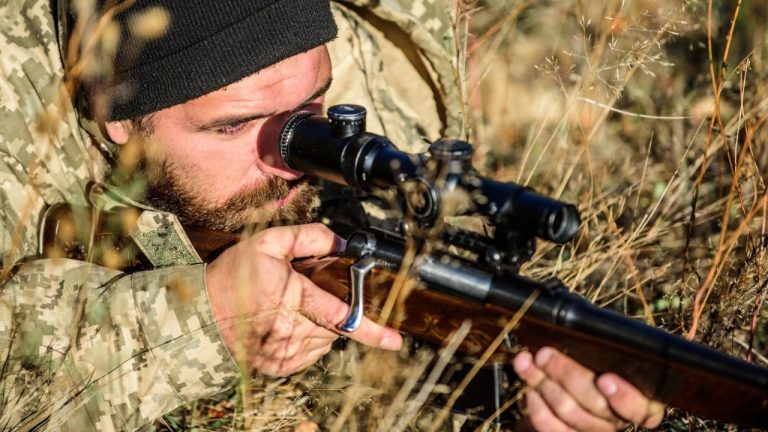
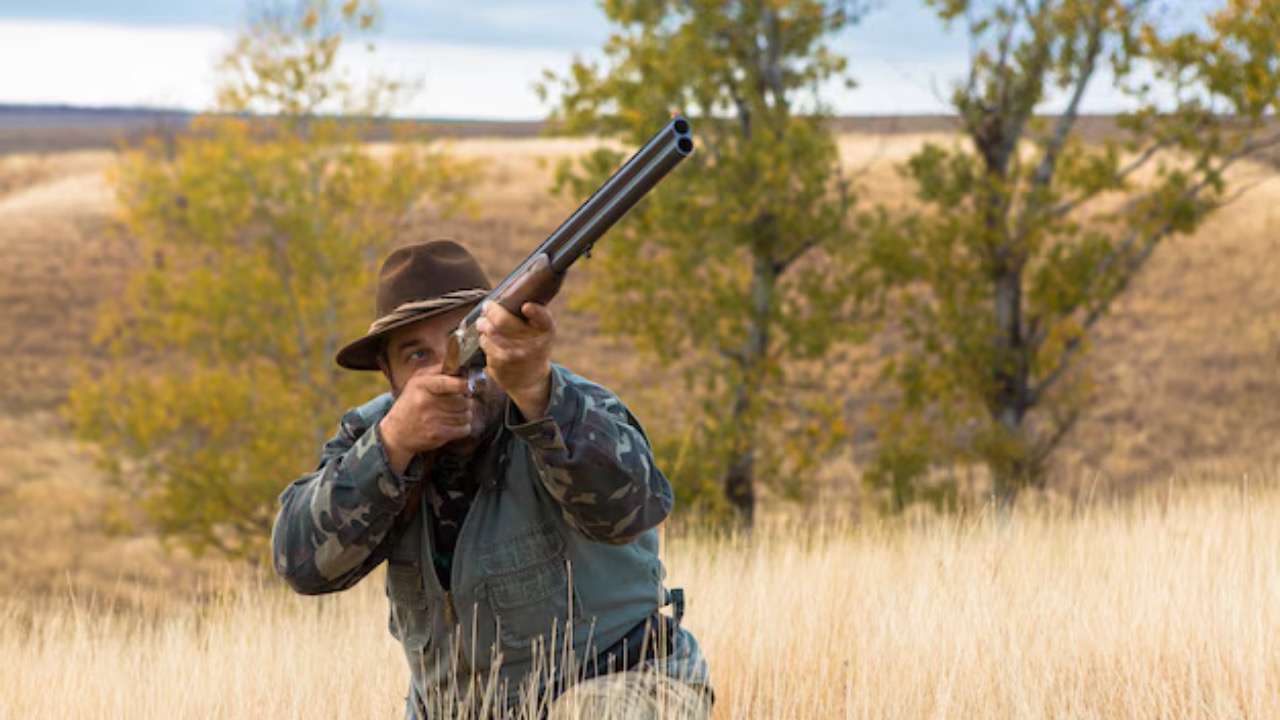
Firearms have become a more visible part of visits to national parks since federal law shifted to align possession rules with state statutes. That change, however, did not create a blanket right to carry or use guns anywhere on federal land, and confusion at trailheads and campgrounds has followed. The National Park Service is now sharpening its public guidance to explain where firearms are allowed, where they remain off limits, and why safety tools like bear spray are often the better choice.
The clarified framework hinges on a few core ideas: state law controls basic possession, federal law still governs facilities and resource protection, and each park can layer on site specific restrictions. For visitors, this means a handgun that is legal in one state may be restricted in the next, and a rifle that can be carried on a trail may still be illegal inside a visitor center or historic building.
From federal ban to state-based possession rules
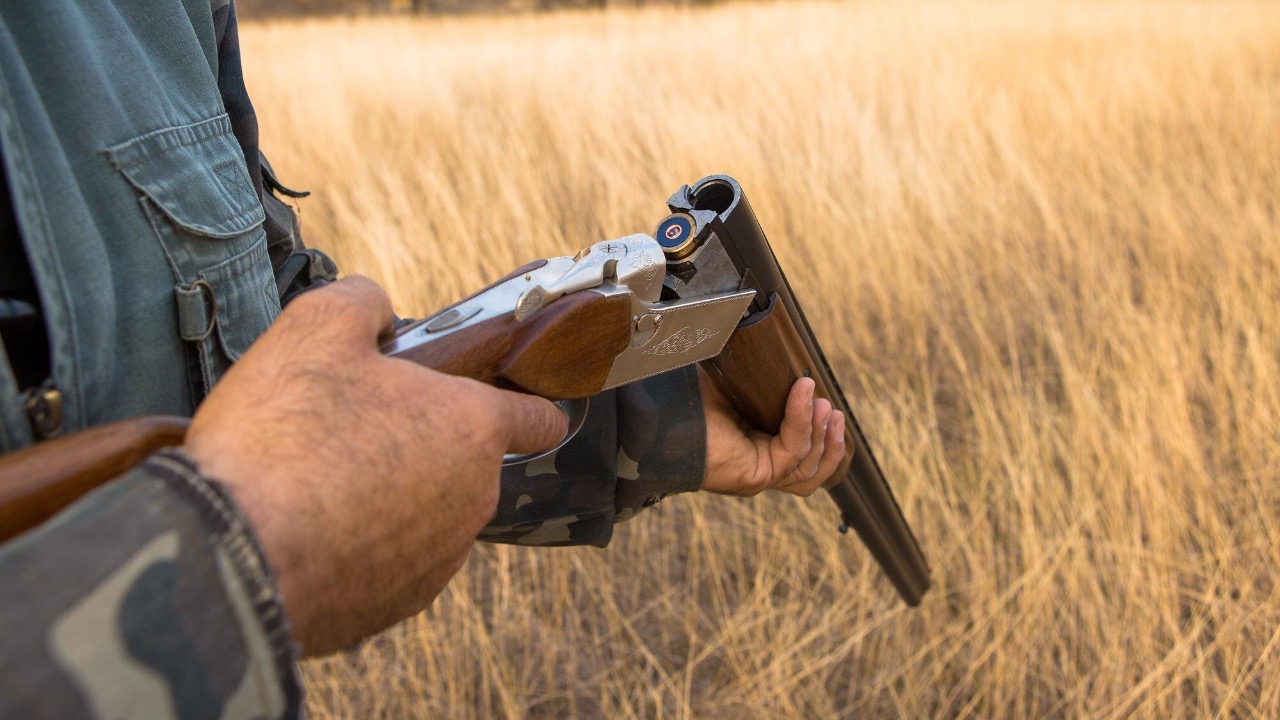
The modern rules on guns in national parks trace back to a 2010 change in federal law that moved away from a near total ban on loaded firearms. Before that shift, firearms were generally required to be unloaded and secured, which effectively kept them out of routine visitor use. Congress altered that approach through Public Law 111-24, which directed that firearm possession in national parks would mirror the law of the state in which the park unit is located, a directive that can be seen in the text of Public Law 111-24.
National Park Service guidance now states that in areas administered by the agency, individuals may possess firearms if they can legally do so under applicable federal, state, and local law. That principle is spelled out in the agency’s explanation of firearms in national, which clarifies that the Service does not issue its own carry permits and does not override state licensing schemes. Historical overviews, such as one provided by national park gun, describe this shift from pre 2010 restrictions to the current state anchored model, where possession is allowed but hunting and target practice remain tightly controlled.
Where firearms are still prohibited on federal land
Even as possession rules track state law, the National Park Service continues to enforce federal restrictions on guns inside certain spaces and during specific activities. Federal statute bars firearms and other dangerous weapons in federal facilities, which include visitor centers, administrative offices, and many historic structures. One park level policy, for example, emphasizes that weapons are prohibited in Federal Facilities at Charles Young Buffalo Soldiers National Monument, and similar language appears on many unit specific policy pages across the system.
Agency guidance on firearms also stresses that guns are not a substitute for safe behavior around wildlife or a license to ignore resource protection rules. The National Park Service explains that even where state law allows possession, federal regulations can still restrict discharge, hunting, and brandishing. A detailed explanation of firearms regulations at Colorado National Monument, for instance, notes that although it is legal to carry a firearm consistent with state law, federal rules continue to prohibit recreational shooting and tightly limit when a gun may be fired. That same pattern appears in broader National Park Service guidance that frames firearms as subject to both state possession standards and federal resource protection mandates.
How park-by-park rules shape visitor responsibilities
Because national parks sit inside specific states, visitors must first understand the underlying state carry laws and reciprocity rules that apply to their situation. A detailed explainer on understanding firearm policies notes that yes, a person can legally carry a firearm in national parks, but the rule is narrower than it sounds and depends heavily on state statutes. That guidance stresses that even when state law allows open or concealed carry, other regulations can still bar guns in specific buildings, restrict how they are transported in vehicles, or require permits that out of state visitors may not hold.
Individual park units then translate those broad principles into local rules, often through superintendent’s compendiums and laws and policies pages. At Great Smoky Mountains National Park, for example, the management guidance explains that Individuals must be of the relevant permit or license at all times while carrying a handgun, reflecting Tennessee and North Carolina law. Knife River Indian Villages National Historic Site similarly points visitors to its laws and policiespage, which explains how federal regulations interact with state rules on weapons, hunting, and cultural resource protection.
Facility bans, local compendiums, and real-world examples
The clearest federal line concerns buildings that qualify as federal facilities, where firearms and other dangerous weapons are prohibited regardless of state carry laws. National Park Service guidance on National Park Units explains that even when possession is legal on trails or in campgrounds, visitors must leave guns outside posted facilities, which are typically marked at entrances. Zion National Park echoes this approach on its laws and policies page, stating that people who can legally possess firearms under applicable law may do so in the park, but firearms are prohibited in park facilities that meet the federal definition.
Beyond facilities, superintendents use compendiums to tailor rules to local conditions, from crowded urban sites to remote backcountry areas. At Florissant Fossil Beds National Monument, the superintendent’s compendium consolidates closures, public use limits, and specific restrictions on activities such as weapons possession, hunting, and off trail access. Yellowstone National Park offers another practical example through its public facing guidance on guns, where an official frequently asked questions page explains that Yes, guns are in Yellowstone National Park, and that visitors may openly carry long guns or handguns if allowed by state statute, while also reminding them that discharge, hunting, and facility bans remain controlled by federal rules.
Safety guidance, wildlife encounters, and enforcement questions
Clarified firearm regulations are only part of the safety picture on federal lands, particularly in areas with bears and other large wildlife. The National Park Service has repeatedly advised that bear spray is more effective than guns in deterring bear attacks and that firearms are not recommended for stopping an attack. In its detailed safety advisory on bear spray and, the agency states that using a firearm during a bear attack may only worsen the attack, and that visitors should prioritize carrying and knowing how to use bear spray, making noise on the trail, and properly storing food and trash.
The same advisory reflects a broader enforcement reality: while possession may be legal, misuse of a gun can quickly lead to violations of federal regulations and state criminal law. The National Park Service notes that anyone who injures a bear or other wildlife must contact park authorities immediately, and that discharging a firearm in a park can trigger investigations under both federal rules and state statutes. Federal regulations compiled in Title 36 of the Code of Federal Regulations, available through the electronic CFR, set out prohibitions on disturbing wildlife, damaging resources, and endangering other visitors, while federal firearms law and guidance from the ATF firearms division and its firearms Q&Asexplain who may legally possess guns at all.

Leo’s been tracking game and tuning gear since he could stand upright. He’s sharp, driven, and knows how to keep things running when conditions turn.