Ten skills that matter more than owning more gear
Across survival, work and everyday life, the people who perform best are rarely the ones with the biggest kit closets. They are the ones who can think clearly, solve problems with whatever is at hand and turn modest tools into outsized results. The promise of another gadget is seductive, but the skills that consistently change outcomes are far more portable, cheaper to build and almost impossible to steal.
From wilderness emergencies to office politics, a handful of abilities repeatedly show up as the real force multipliers. They keep a hiker alive when the pack is lost, help a mid‑career worker pivot into a new role and let a parent stay calm when something goes wrong at home. Gear can help, but these skills decide what happens when it fails, goes missing or was never there in the first place.
Mental resilience and survival mindset
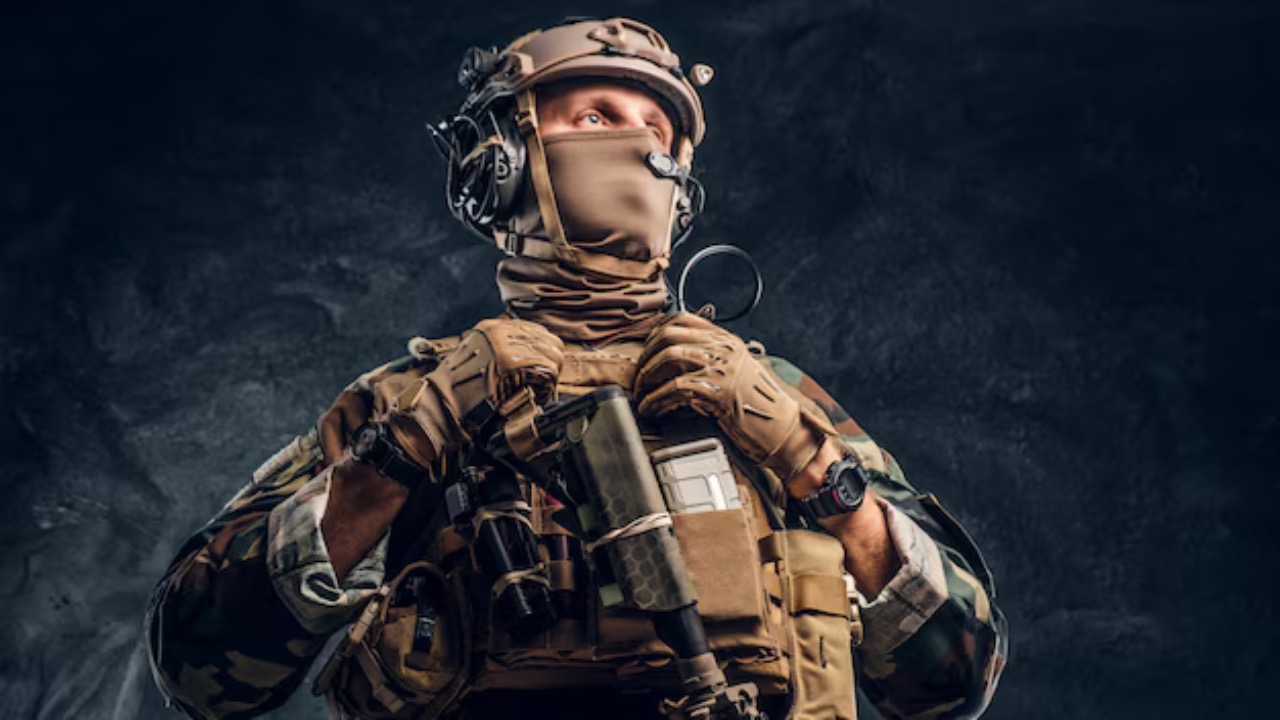
Every serious survival curriculum starts not with knives or shelters but with mindset. In one widely cited framework known as the Priorities of Survival, the first three rungs are MINDSET, TACTICS and SKILL, with gear coming later. That ordering reflects a hard truth: panic kills faster than cold. Someone who can slow their breathing, take inventory of their surroundings and set small achievable tasks has a far better chance of getting out than a person with a premium kit who mentally unravels.
Outdoor educators repeatedly stress that most backcountry incidents are preventable with better judgment and basic habits, not exotic tools. Guidance on basic survival skills puts mental discipline at the center, from resisting the urge to wander when lost to prioritizing shelter and water instead of chasing food. The same pattern shows up in everyday crises such as job loss or a medical scare. People who have practiced reframing setbacks, seeking information and acting methodically tend to navigate stress more effectively than those who rely on external comforts or status symbols.
Problem solving, critical thinking and decision making
Whether someone is trying to improvise a splint from trekking poles or redesign a broken workflow at the office, problem solving is the trait that turns constraints into options. Career research consistently ranks analytical thinking near the top of success factors, with lists of key workplace abilities putting critical thinking and adaptability ahead of specific tools or software. Employers also highlight problem solving skills as core to hiring decisions, since technology and processes change faster than job titles.
In preparedness circles, the same logic appears in debates over radios, optics and other gadgets. Commentators point out that owning a Baofeng handheld is meaningless if the user does not understand comms protocols, call signs or basic troubleshooting. When gear fails, the ability to diagnose the issue, choose between imperfect options and act under uncertainty matters more than the original specification sheet. That same decision muscle, once built, transfers smoothly into negotiations, family planning and financial choices.
Communication, teamwork and social intelligence
High‑end equipment cannot compensate for a team that does not talk to each other. Across industries, hiring managers single out Teamwork and collaboration along with clear communication as non‑negotiable traits. Resume guidance echoes that preference, grouping Communication, Compassion and Teamwork among the most valuable soft skills. These are the abilities that keep projects on track, resolve conflicts before they explode and allow specialists with different tools to combine their strengths.
In emergencies, social intelligence can be as life preserving as first aid. Coordinating roles in a search, persuading a panicked friend to accept help or giving clear directions to a dispatcher all rely on practiced interpersonal skills, not gear. Survival instructors often ask students, as one Facebook discussion framed it, how long they would last if they lost their entire kit but kept all their knowledge. That thought experiment quickly shifts attention from equipment lists to the social and communication habits that make help reachable and cooperation possible.
Physical competence and safety skills
Some of the most decisive abilities are simple physical skills that require no electronics at all. Wilderness programs highlight Navigating Without GPS as a classic example, noting that Search and Rescue teams are often dispatched because someone became lost after relying entirely on a device. Fire making, shelter building and water purification can be learned with modest tools and practice, yet they dramatically extend what a person can do if gear is lost or damaged. An Instagram prompt that asked readers to rank survival skills put efficient fire starting near the top, reflecting how central it is for warmth, signaling and morale.
Medical and safety training are another category where skill clearly outperforms equipment. Public health guidance on drowning prevention emphasizes that many organizations such as American Red Cross and American Heart Association offer CPR courses that can turn a bystander into a lifesaving resource long before professional responders arrive. Firearms training providers make a similar argument, noting that Proper safety practices come from understanding a weapon’s operation and personal limits, not from bolting on accessories. In both cases, knowledge and repetition reduce risk far more reliably than any single piece of hardware.
Adaptability, learning and life skills
Beyond acute crises, long‑term success depends on the capacity to learn new skills faster than tools become obsolete. Analyses of modern careers describe adaptability, emotional regulation and continuous learning as among the Top life skills that global bodies such as WHO, UNICEF and UNESCO encourage. These include decision making, creative thinking and effective communication, all of which can be practiced through daily habits rather than purchased. When industries shift or automation replaces specific tasks, workers who know how to learn, unlearn and re‑skill are far less vulnerable than those whose value rests on a single tool or platform.
Training companies that work in high‑risk environments argue that knowledge and skills are primary, while equipment simply extends capability. They frame gear as an amplifier that only pays off when the operator already has solid fundamentals. Self‑defense instructors echo that view, urging students to invest in classes where they can learn essential skills before spending heavily on accessories. That same mindset serves students and professionals who choose to build communication, leadership and problem solving through projects and feedback instead of chasing the latest software certificate.

Leo’s been tracking game and tuning gear since he could stand upright. He’s sharp, driven, and knows how to keep things running when conditions turn.