Former U.S. agriculture officials and a top Republican senator warn of growing trouble in farm country
Warnings about the financial health of rural America are getting louder, and they are coming from people who usually choose their words carefully. Former U.S. agriculture officials and a top Republican senator are sounding the alarm that the farm economy is sliding into real trouble, not just a rough patch in the normal boom‑and‑bust cycle. They are pointing to falling incomes, rising costs, and a growing sense that the current safety net is not built for what is bearing down on farm country.
Out in the countryside, you can feel the tension in conversations at the co‑op, the sale barn, and the local café. Producers who made it through the last decade’s trade fights and weather disasters are now staring at weaker prices, higher interest rates, and input bills that do not pencil out. When veteran policymakers and farm leaders start talking openly about a potential “collapse of American agriculture,” it is a sign that the problems are bigger than one bad year and that the stakes reach far beyond the fencerows.
Political alarms from the Senate Agriculture Committee
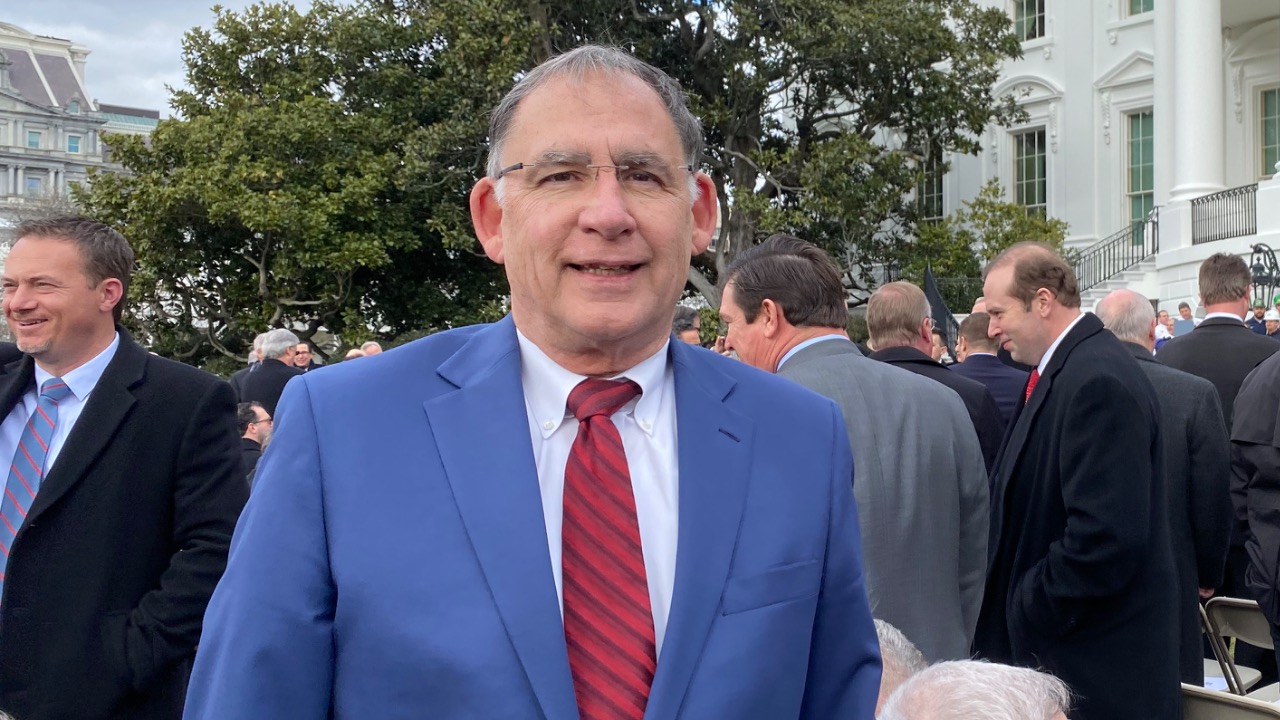
The clearest political warning has come from Senator John Boozman, a Republican from Arkansas who chairs the Senate Agriculture Committee and has spent years in the middle of farm bill fights. In a recent webcast conversation, he described what he is hearing from producers as more than routine grumbling about prices, framing it instead as a deep unease about whether current policy tools can keep family operations afloat. When the lawmaker in charge of writing farm policy says the ground is shifting under farmers’ feet, that is a signal that the problems are serious enough to demand attention in Washington, not just at the local FSA office.
Senator Boozman’s comments have been echoed by former U.S. agriculture officials who have watched multiple downturns and still say this one feels different. They point to a combination of weaker commodity markets, stubbornly high production costs, and tighter credit that is squeezing margins across crops and livestock. Their concern is not theoretical; it is rooted in conversations with growers who are already restructuring loans or selling equipment to stay current on their notes, a trend that has been highlighted in recent reporting on farm country trouble.
Farm leaders talk openly about “collapse” risk
When farm leaders start using the word “collapse,” they are not trying to be dramatic, they are trying to get policymakers to look past the next election cycle. In a detailed letter to the Senate Agriculture Committee, producer groups laid out how shrinking margins and rising debt loads are converging in ways that could push a wave of operations over the edge at the same time. They warned that if current trends continue, the country could see a rapid loss of independent farms, especially mid‑sized outfits that are too big to live on off‑farm income alone but too small to spread risk the way large corporate operations can.
That letter, described by reporters Tom Polansek and P.J. Huffstutter, did not mince words about the stakes for American farmers or for the rural communities that depend on them. The authors argued that the financial stress is already visible in delayed equipment purchases, cutbacks in local spending, and tough conversations with lenders, and they urged senators to treat the situation as a looming emergency rather than a routine downturn. The fact that Tom Polansek and P.J. Huffstutter, working for Reuters, are relaying farm leaders’ talk of a “collapse of American agriculture” underscores how far the concern has spread beyond coffee‑shop chatter.
Survey data show confidence cracking in the countryside
Behind the rhetoric is a steady drip of data that shows producer confidence eroding. Surveys of farmers and ranchers, which used to swing mostly with commodity prices, are now reflecting deeper worries about long‑term profitability and succession. Respondents are not only pessimistic about the coming year’s income, they are increasingly doubtful that their children will see better days on the same acres, a shift that should worry anyone who cares about the future of working lands in this country.
One recent analysis highlighted that the percentage of producers who expect their financial situation to worsen has climbed sharply, while those who see better times ahead have dwindled. That same reporting noted that the organization behind the survey operates in 200 locations worldwide and employs 2,500 journalists, a reminder that the farm economy’s troubles are being watched closely by global markets as well as local bankers. The survey findings, detailed through Reuters research, line up with what many of us hear firsthand: more talk about selling out, fewer plans for expansion, and a lot of quiet anxiety about what happens if interest rates stay high.
A farm economy starting 2026 with “Concern and Uncertainty”
Economists tracking the rural economy are not sugarcoating the outlook either. One recent assessment of the new year carried a blunt framing in its own title, noting that “The Farm Economy Begins 2026 with a lot of Concern and Uncertainty.” That phrase captures what I hear from producers who are trying to lock in input prices and crop insurance while staring at futures boards that do not cover their cost of production. They are not panicking, but they are tightening belts, delaying capital projects, and thinking hard about whether to scale back acres or livestock numbers.
According to that same analysis, most analysts are projecting that farm incomes will soften further, and that some producers will look for better opportunities outside of agriculture if margins do not improve. The report points out that the combination of weaker prices and high costs is already discouraging young people from coming back to the farm, which has long‑term implications for land stewardship and rural demographics. Those concerns are laid out clearly in the piece titled Farm Economy Begins 2026 with “Concern and” uncertainty, and they match what many lenders and extension agents are seeing on the ground.
USDA’s own numbers point to falling net farm income
It is not only private surveys and anecdotal reports that are flashing yellow. The federal government’s own projections show farm finances weakening as the decade moves forward. The USDA tracks both “net farm income” and “net cash farm income,” and both measures are expected to decline when adjusted for inflation. Net farm income captures the broad profitability of the sector, including changes in inventories and non‑cash items, while net cash farm income focuses on actual cash receipts from farming and related expenses, which is what most families feel when they sit down at the kitchen table.
Recent projections indicate that, once you account for inflation, those net measures are sliding back from the highs reached during the recent run of strong commodity prices and ad hoc government payments. That means the cushion many operations built up is thinning out just as interest costs and input prices remain elevated. The details, laid out in a breakdown of how the USDA projects Net farm income, show that the sector is heading into a leaner phase even before any new weather disaster or market shock hits.
Weakness persisting into 2026 and beyond
Looking ahead, the official forecasts do not offer much comfort. A separate analysis of federal projections notes that USDA has already cut its expectations for 2025 farm income and sees that weakness persisting into 2026. That is not the kind of one‑year dip producers can ride out with a little belt‑tightening; it suggests a multi‑year stretch where margins stay thin and working capital erodes. For operations that are already heavily leveraged, especially those that expanded aggressively during better years, that kind of prolonged squeeze can be the difference between survival and a forced sale.
One of the most telling details in that forecast is the line that “Livestock and Dairy Receipts Lower in 2026 After Mixed 2025 Results.” That phrase, “Livestock and Dairy Receipts Lower, After Mixed, Results,” captures how even sectors that held up reasonably well in 2025 are expected to soften as the next year unfolds. The analysis explains that USDA now expects total animal and animal product cash receipts to decline, which will weigh heavily on regions where cattle, hogs, and milk checks drive the local economy. Those projections are spelled out in the USDA cuts to 2025 farm income and the warning that weakness persists into 2026.
On‑the‑ground stress: costs, credit, and tough choices
Numbers on a spreadsheet only tell part of the story. On the ground, farmers are wrestling with input costs that have not fallen nearly as fast as commodity prices. Fertilizer, fuel, seed, and chemical bills remain stubbornly high, and many producers locked in those costs when they still hoped for stronger markets. At the same time, interest rates have climbed, which means every dollar of operating credit or land debt costs more to carry. That double hit is forcing some families to cut back on hired help, delay equipment upgrades, or skip conservation projects they had hoped to tackle.
Recent reporting on the deepening financial crisis in farm country notes that many farmers are now bracing for another year of tight margins and are already weighing which acres to plant, which herds to cull, and which bills to prioritize. Economists quoted in that coverage point out that some producers are even debating how much fertilizer to buy, knowing that skimping could hurt yields but overspending could leave them unable to service their loans. Those hard choices are described in detail in an analysis of how many farmers are bracing for a deepening financial crisis, and they match what lenders and input dealers are hearing every day.
The Trump administration’s response and its limits
With the pressure building, attention naturally turns to what the federal government is doing to help. The USDA has said in a statement to Reuters that Trump is using every tool available to support farmers and ensure they have what they need to keep operating. That includes existing farm bill programs, disaster assistance, and various credit and insurance tools that can soften the blow of bad years. For producers who have benefited from those programs in the past, that reassurance matters, because it signals that the administration understands the stakes and is at least trying to keep the safety net intact.
At the same time, there are limits to what those tools can do when the underlying economics are moving the wrong way. Crop insurance does not fix a multi‑year stretch of low prices, and loan guarantees do not change the fact that higher interest rates eat into cash flow. As former officials and farm leaders keep pointing out, the current squeeze is not the result of a single disaster or policy mistake, it is the product of global markets, domestic costs, and structural shifts in agriculture. The USDA’s statement that The USDA and Trump are using every tool available is important, but it does not erase the need for a broader conversation about how to keep independent producers viable in the long run.
What is at stake for rural America if warnings go unheeded
When people in Washington talk about farm income, it can sound abstract, like a line item in a budget. Out where the gravel roads start, it is anything but. A prolonged downturn in agriculture hits local banks, equipment dealers, seed and chemical reps, and the Main Street businesses that rely on farm families for their customer base. School enrollments shrink as young families move away, volunteer fire departments struggle to find members, and small towns lose the critical mass they need to keep grocery stores, clinics, and hardware stores open. That is the real‑world meaning of the “collapse” language farm leaders are using in their letters and testimony.

Asher was raised in the woods and on the water, and it shows. He’s logged more hours behind a rifle and under a heavy pack than most men twice his age.