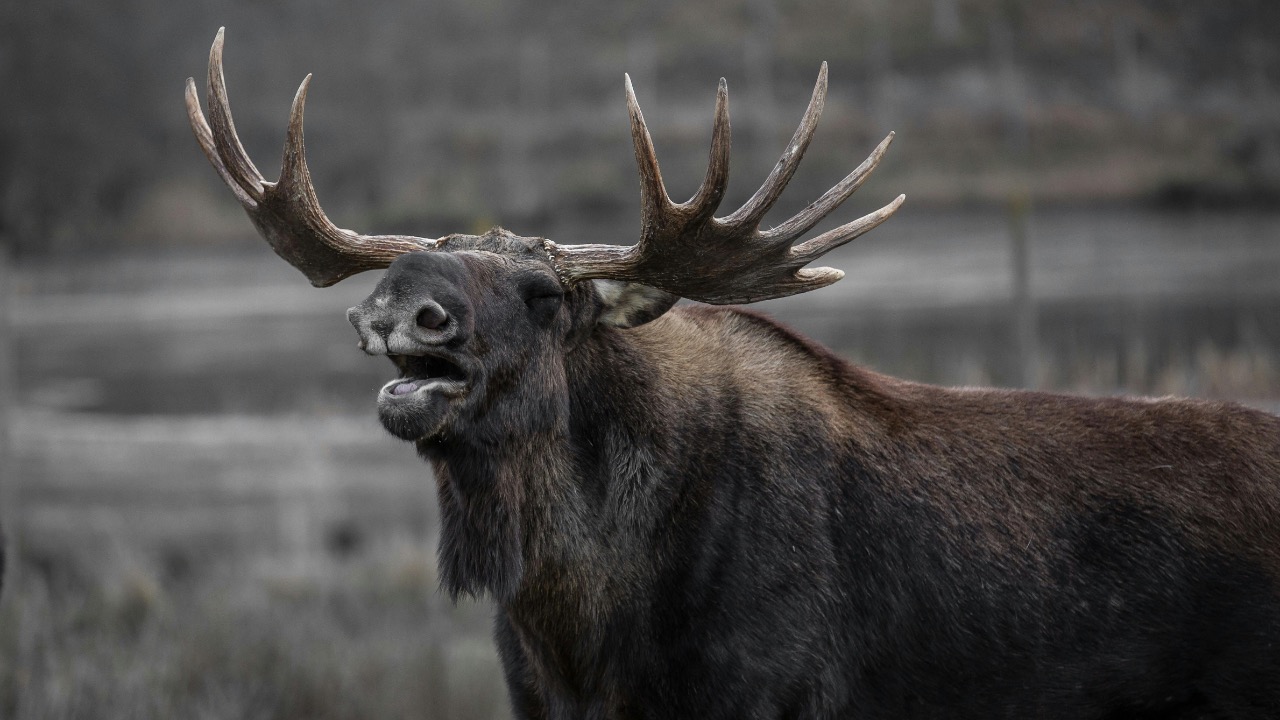
Nine U.S. Regions Where Wild Moose Still Roam
Across much of the United States, moose have retreated from their historic range, squeezed by warming winters, parasites, and development. Yet in a handful of northern and high-elevation regions, these massive animals still move through spruce bogs, willow flats, and cold lakes much as they have for thousands of years. From coastal New England to the interior Rockies and the far north, nine distinct pockets of habitat still support wild moose that remain visible to patient, careful observers.
These strongholds share a few traits: long winters, extensive forests, and plenty of wetlands or mountain streams. Biologists describe moose, or Alces americanus, as specialists in cold, boreal conditions, with thick fur and long legs built for snow and swamps. Where those conditions persist, so do the animals, and each of the regions below offers a different window into how moose survive in modern America.
Alaska and the Far North
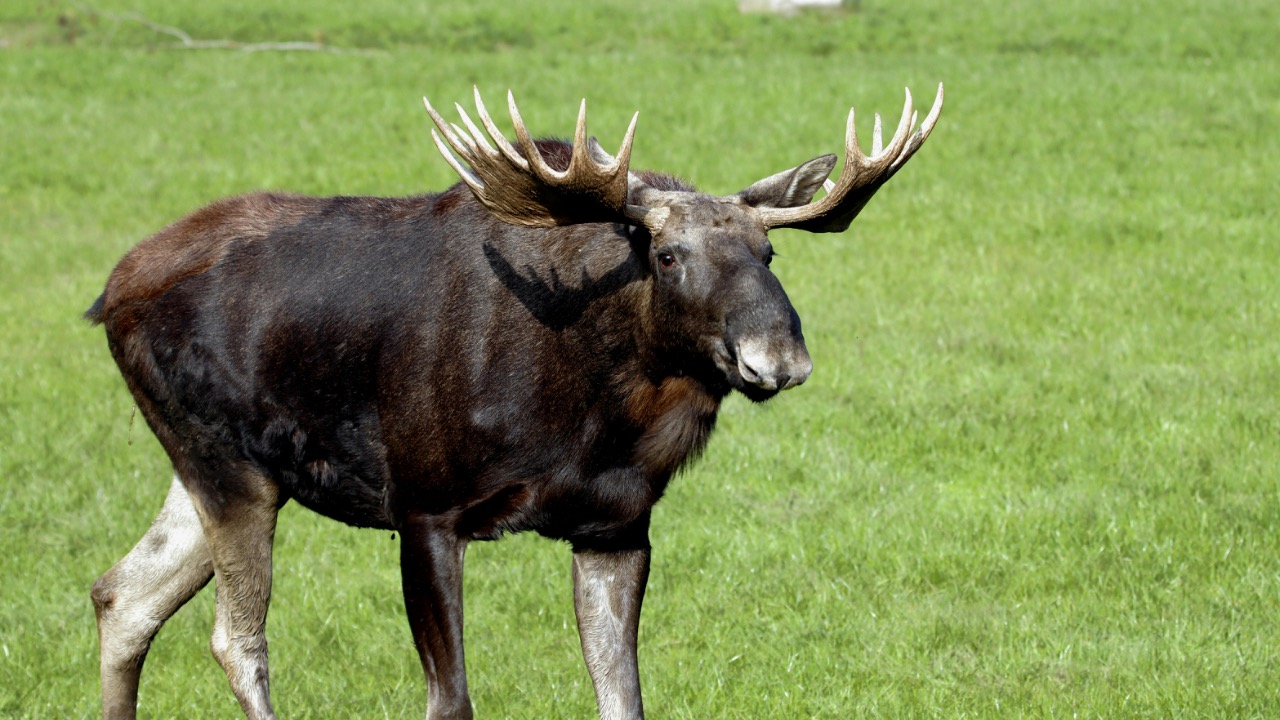
Nowhere in the United States are moose more closely woven into daily life than in Alaska. The state’s vast boreal forests, braided rivers, and tundra valleys match the classic description of moose habitat in northern North America, where their range tracks the circumpolar belt of spruce and fir. Wildlife guides describe Denali National Park as “moose country,” with animals frequenting river corridors and willow thickets that green up early in the short northern summer. In many rural communities, moose are a key subsistence resource as well as a cultural symbol, a relationship that has persisted through generations.
Global estimates assembled by biologists place a large share of the world’s moose in Canada and Alaska, with those northern populations benefiting from broad tracts of intact forest and cold wetlands. Researchers who track the species globally note that ponds, lakes, and marshes are ideal moose habitats because they supply aquatic plants in summer and safe cover when calves are young. In the far north, where winter can still lock the landscape in snow and ice for months, the animal’s dense fur and long legs remain an advantage rather than a liability, which helps explain why numbers there have held up better than in some southern parts of the range.
New England’s Moose Belt: Maine and Beyond
On the opposite side of the continent, northern New England has quietly become one of the most reliable places in the Lower 48 to see wild moose. Guides and wildlife lists consistently place Maine near the top of any ranking of states with the most moose roaming free, with population estimates that outpace neighbors like New Hampshire and Vermont. Large tracts of commercial timberland, regenerating clearcuts, and cool bogs in the north woods give the animals abundant browse and cover. Moosehead Lake, the Allagash region, and other remote corners have become synonymous with dawn silhouettes of antlers rising above misty coves.
Travel features that map “corners of America” where moose remain highlight Maine as a standout, but they also point to pockets in New Hampshire and Vermont where the species hangs on. In these states, moose often favor high, forested ridges and wetlands near headwater streams that resemble the boreal forests farther north. Autumn guides that list top places to spot moose in the United States often include locations like Moosehead Lake and nearby logging roads, where animals step into openings to feed in the cool hours of morning and evening. The combination of regenerating forest, low human density, and a climate that still delivers real winters has allowed New England’s moose belt to persist, even as biologists monitor threats such as winter ticks and warming temperatures.
Upper Midwest Islands and Forests
In the Upper Midwest, moose occupy a more fragmented set of refuges, yet those enclaves can be remarkably wild. Northern Minnesota’s deep forests and wetlands, including areas like Superior National Forest and the Boundary Waters, still support a scattered population that draws determined wildlife watchers. Autumn travel pieces that list top places to see moose often mention these northern Minnesota sites, where lakes, bogs, and black spruce swamps echo the boreal conditions of Canada just to the north. Sightings are far from guaranteed, but quiet paddlers and hikers sometimes encounter cows with calves along secluded shorelines.
Farther east, Isle Royale in Lake Superior forms one of the most famous moose islands in the world. The remote Michigan archipelago, protected as a national park, hosts a long-studied moose population that shares the island with gray wolves in a natural predator–prey experiment. While the sources provided here focus more on continental strongholds than on that specific island, broader summaries of moose distribution in North America confirm that the species occurs throughout northern forests that include both mainland and island habitats. In these Midwestern pockets, colder microclimates near large lakes and extensive wetlands have allowed moose to persist where surrounding regions have seen sharper declines.
Rocky Mountain Corridors: Wyoming, Montana, Idaho, Utah
Across the central Rockies, moose are creatures of river bottoms and high basins more than open peaks, threading a series of connected habitats from Wyoming into Montana, Idaho, and northern Utah. In Wyoming, the Jackson Hole valley and Grand Teton National Park are classic examples, where moose browse willows along the Snake River and its side channels. Local wildlife guides describe how the same floodplains that host bison herds in places like Antelope Flats and Mormon Row also provide riparian cover and forage for moose, especially in the southern areas of Grand Teton National Park where cottonwoods and willows line the water.
To the north and west, searches for Montana and Idaho highlight similar patterns, with moose concentrated in forested mountain valleys, wetlands, and the fringes of high plateaus. Travel lists that compile “corners of America where you can still see wild moose” point to places like the northern Rockies, where animals favor willow-choked creeks and marshy meadows. Northern Utah adds another southern outpost, with moose using high-elevation basins and reservoirs in the Wasatch and Uinta ranges. Across this multistate corridor, the animals exploit cold air pockets and snow-rich winters at altitude, which help offset the warming trend that has challenged populations in lower, more temperate zones.
Pacific Northwest Refuges
On the Pacific side of the Rockies, moose occupy a narrow but significant band of habitat that stretches from eastern Washington into the Idaho Panhandle and parts of western Montana. Regional overviews that list American moose hotspots often single out the Okanogan and Blue Mountains as examples of where the species still roams in the Northwest. These ranges combine conifer forests, mountain streams, and wet meadows, creating the mix of cover and food that moose require. Searches focused on Washington and the interior Northwest show that moose here tend to be more localized than in Alaska or New England, but they remain a regular presence in specific watersheds.
Biologists who describe moose across North America emphasize how tightly the species is tied to forests, wooded swamps, streams, and lakes. Technical guides on wetland mammals explain that large herbivores with dense, insulating fur thrive in landscapes where cold water and forest cover intersect, and that pattern fits the Pacific Northwest refuges well. In addition, species accounts for Alces americanus stress that moose are found throughout northern North America wherever boreal or mixed conifer forests meet wetlands. In the Northwest, that formula plays out in the form of river corridors lined with willows, beaver ponds that flood valley bottoms, and high mountain marshes that stay cool even in midsummer, all of which give moose a foothold in a region better known for salmon and evergreen peaks than for giant deer.

Leo’s been tracking game and tuning gear since he could stand upright. He’s sharp, driven, and knows how to keep things running when conditions turn.