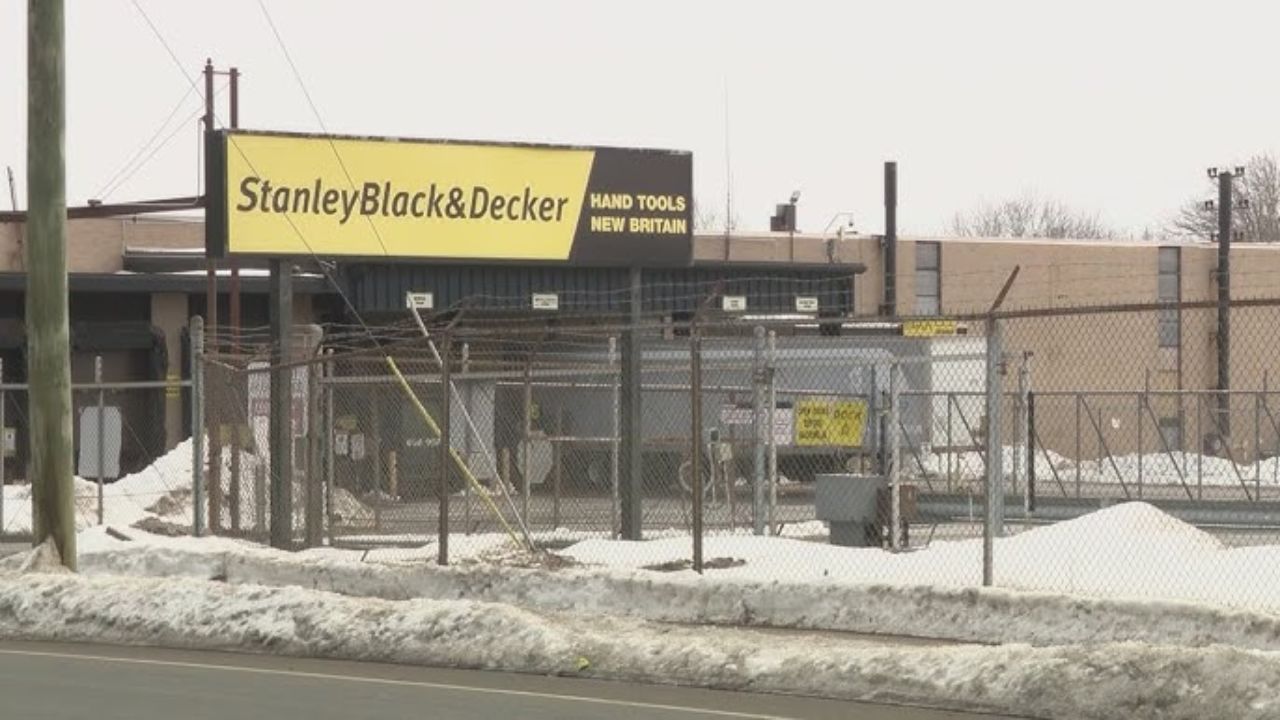
Stanley Black & Decker plant braces for major layoffs, nearly half the workforce affected
The news out of New Britain, Connecticut, carries a weight that people there feel in their bones. For generations, Stanley Black & Decker has been tied to this city’s identity as “Hardware City,” serving as a major employer and economic anchor. In late February 2026, the company announced it will close its manufacturing plant on Myrtle Street, a facility focused largely on single-sided tape measures, which the company says are declining in demand as digital measuring tools become more common.
That announcement means a significant reduction in jobs. According to local reports, the plant employed roughly 600 people in recent years, and closing it will eliminate about 300 positions — nearly half of the workforce there. This isn’t just a shift in production; it’s a seismic change for families and community members whose livelihoods have been tied to this facility for decades.
Legacy and the End of an Era
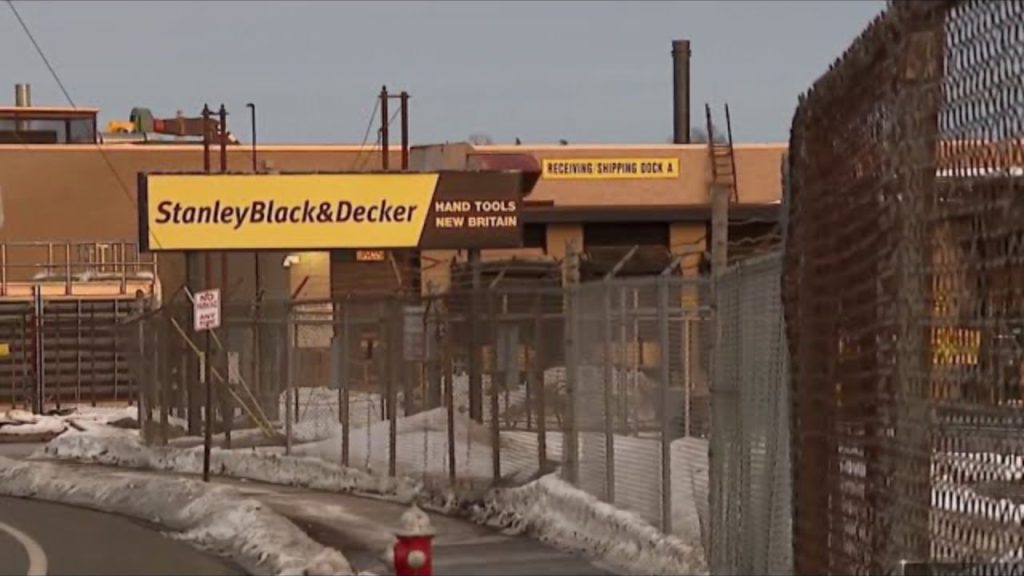
Stanley Black & Decker’s ties to New Britain go back to the 19th century, and the company’s presence has shaped the city’s identity. From the early days of Stanley Works to its modern iteration, the brand and its workforce have been woven into the community fabric.
For local families, the plant closing is more than a corporate restructuring — it’s the end of a chapter. Workers describe a sense of disbelief, with some hearing about the closure from news reports before internal notice came down. The loss of this facility feels especially sharp in a city where Stanley Black & Decker long symbolized stable, quality manufacturing work.
What’s Behind the Decision
Company officials have pointed to declining demand for one of the factory’s core products: single-sided tape measures. That product line, once a staple in toolboxes across the country, has lost ground as digital tools and smartphone apps offer alternative ways to measure.
This shift in market demand isn’t just a local issue — it reflects broader changes in how people use tools and technology. For a manufacturer tied to traditional hardware, adapting means reevaluating facilities and product lines. While Stanford Black & Decker will remain headquartered in New Britain, the physical footprint and role of manufacturing there are shrinking.
The Human Toll on Workers
For the employees at the Myrtle Street facility, the announcement was a gut punch. People with years — even decades — of service suddenly faced an uncertain future. Workers interviewed after the announcement shared shock and concern about what comes next.
“You don’t think something like this ever happens to you,” said one employee who had celebrated her ninth anniversary at the plant. Many of her coworkers live in the city and depend on the stability that Stanley once provided. The emotional impact runs deep, entwined with financial fears and questions about what’s next.
Company Response and Support Programs
Stanley Black & Decker says it’s trying to soften the blow. The company has stated that it will offer impacted workers options to relocate to other facilities, provide severance packages, and set up job placement support services for both hourly and salaried employees.
Those kinds of programs are important, but they’re often only a partial cushion against disruption. Relocating might be feasible for some, and severance helps in the short term, but there’s no replacing the everyday rhythm of work and community ties that will be lost.
Local Leaders Respond
City and state leaders have weighed in, expressing disappointment and concern. New Britain’s mayor emphasized the importance of supporting affected workers and finding a new future for the site.
State legislators framed the closure as part of broader economic uncertainty, pointing to factors beyond local control. Whatever the interpretation, the consensus among officials is that the community needs to come together to navigate what comes next for these workers and their families.
Broader Trends in Manufacturing
This closure isn’t happening in isolation. Stanley Black & Decker has been cutting costs and restructuring in recent years as part of a multi-year cost reduction program. That strategy has included plant closures and workforce reductions in other parts of the U.S., all tied to changing consumer demand and global business pressures.
Shifts in international trade, rising costs, and product obsolescence are all part of the backdrop. For companies with long manufacturing histories in the U.S., adapting to those forces often leads to difficult decisions like this one.
What This Means for New Britain’s Future
Losing a plant that’s been in operation for more than a century feels like a turning point for New Britain. It raises tough questions about the city’s economic identity and what comes next. Leaders are talking about redeveloping the site and attracting new employers, but that process takes time and effort.
For the families affected, there’s a very human story tied to the numbers — conversations about careers, relocation, retraining, and financial stability. The next chapters will be challenging, but they will also test the resilience and adaptability of a community long built around manufacturing.

Asher was raised in the woods and on the water, and it shows. He’s logged more hours behind a rifle and under a heavy pack than most men twice his age.