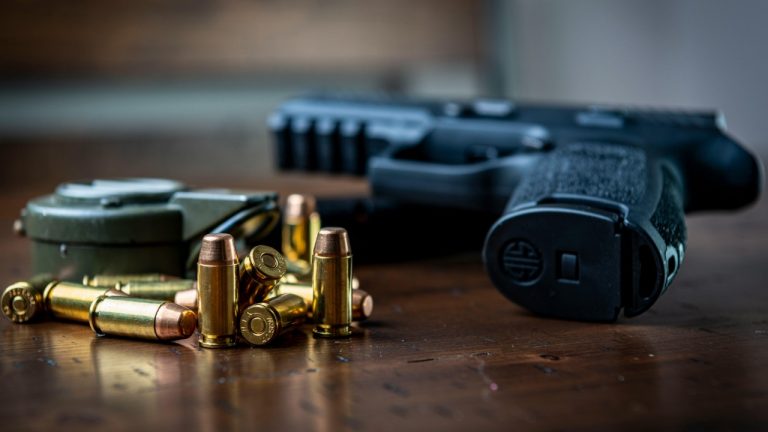
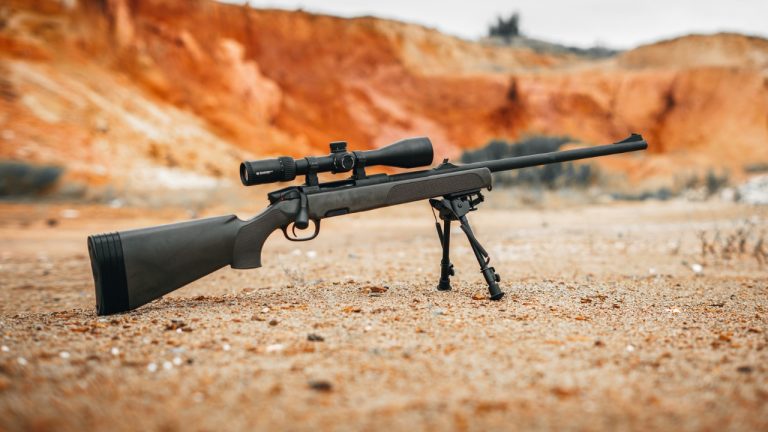
Why some calibers look perfect until field conditions hit
On paper, a caliber can look like the answer to everything. Charts promise flat trajectories, tidy recoil numbers, and textbook terminal performance. Then the wind comes up, the temperature drops, the animal angles away, and that “perfect” choice suddenly feels a lot more fragile.
I have watched excellent shooters and careful hunters get surprised when their favorite round, tuned on a calm range, behaved very differently in real terrain. The gap between ballistic theory and field reality is where tags are punched or lost, and understanding why some calibers shine on the bench but stumble in the wild is the first step toward closing it.
Why the range lies to you
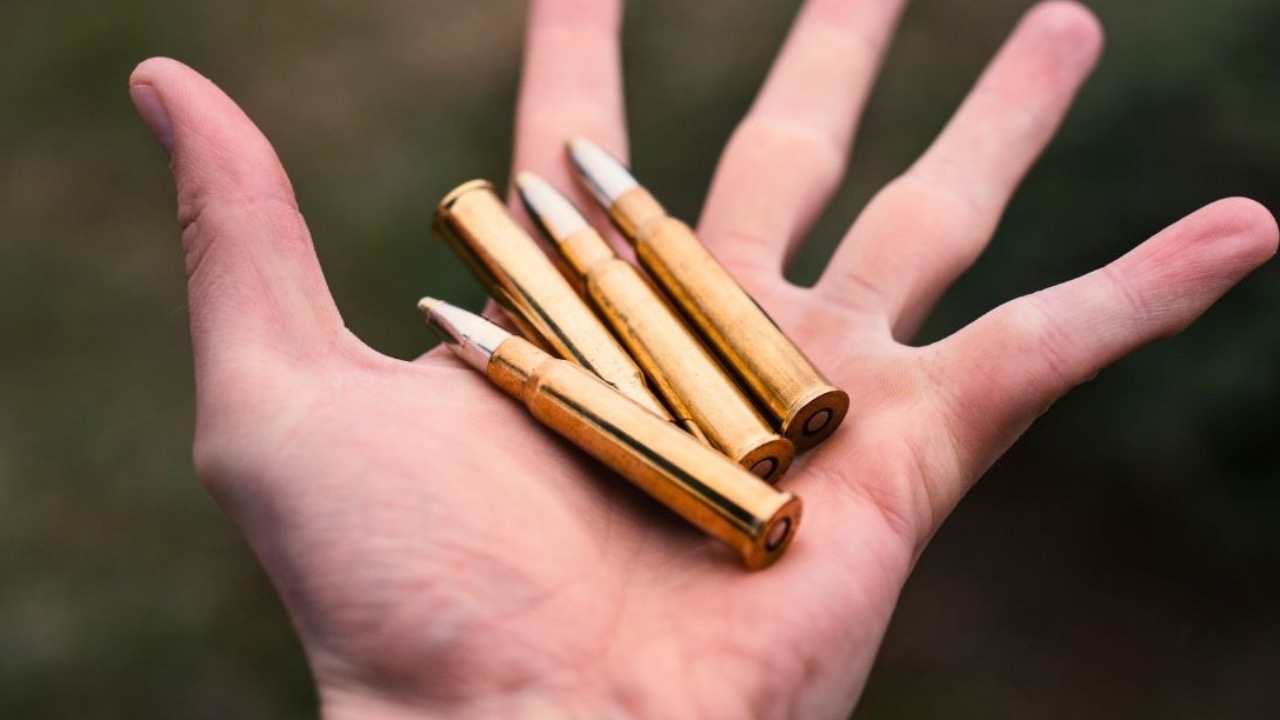
Most of us fall in love with a caliber at the range, where conditions are controlled and targets are predictable. Benches are solid, wind is usually mild, and you are shooting at known distances with plenty of time. Under those circumstances, a wide variety of cartridges will stack tight groups, which makes it easy to believe that any of them will behave the same way on a steep hillside or across a canyon. The problem is that paper does not move, flinch, or run, and it does not punish marginal hits the way a living animal does.
Once you leave the gravel parking lot, a long list of variables starts to matter more than the glossy ballistics chart. Air density, wind gradients, awkward body positions, and your own adrenaline all chip away at the tidy picture you built on the 100 yard line. Experienced shooters point out that terminal ballistics and marksmanship under stress matter far more than tiny group sizes on a calm day. A caliber that feels “perfect” in that sheltered environment can suddenly look unforgiving when you are twisted around a tree trunk, trying to beat fading light and swirling wind.
The myth of the magic caliber
Every generation of shooters seems to crown a new miracle round that is supposed to flatten everything from coyotes to elk. I have seen that cycle repeat with mid bores, magnums, and the latest high BC darlings. The sales pitch is always the same: this one shoots flatter, hits harder, and recoils less. In reality, no cartridge can suspend the laws of physics or erase bad decisions. The more I hunt, the more I see that “perfect” calibers are usually perfect only inside a narrow window of conditions.
That is especially true once you factor in how a Bullet is actually built to work. Modern projectiles are engineered to expand and penetrate within a specific velocity band, and once impact speed falls below that lower threshold, performance can change fast. A cartridge that looks ideal on a chart at 500 yards may be delivering a Bullet that is barely in its designed window by the time it reaches a real animal in cold, dense air. When you understand that, the idea of a one size fits all caliber starts to look more like marketing than reality.
Velocity windows and why distance lies too
On the bench, we talk about drop and drift in inches, but in the field, the more important question is whether the Bullet is still moving fast enough to do its job. Engineers have been clear that Bullet performance is based on velocity and designed to work within a specific velocity range, and the lower end of this range dictates how far you can ethically stretch a shot. That means your maximum effective distance is not a fixed number, it shifts with temperature, elevation, and even lot to lot ammo variation.
Handgun shooters see a similar reality check when they start looking at Choosing Defensive Handgun. Good expansion properties matter, but expansion does not make up for poor marksmanship or unrealistic expectations about what a pistol round can do. The same logic applies to rifles. A sleek bullet that mushrooms beautifully in gel at ideal speed may pencil through or fail to open at all if you push it beyond the range where it was meant to work. Distance alone does not tell you that story, which is why so many “perfect” long range calibers disappoint when shots stretch in real weather.
Air, weather, and the lie of the calm day
Most ballistic apps assume a standard atmosphere, but the air you shoot through in November is rarely standard. Colder conditions create thicker air, which increases drag and makes bullets drop more than your summer dope suggests. As one detailed breakdown of temperature effects explains, Lower temperatures precipitate denser air, causing more bullet drop and more drag. On the flip side, higher temperatures cause thinner air, which changes how your rifle will perform in the air. If you built your confidence on a warm range day, that same data can mislead you badly on a frigid ridge.
Humidity and barometric pressure add more noise, but wind is still the big killer of “perfect” calibers. A cartridge that looks laser flat on a chart can still get shoved around if it is pushing a light, low BC bullet. The Given numbers for a .308 Winchester show that it resists wind drift well, drifting just 0.3 at 100 yards, 14.5 at 500 yards, and 69 at 1,000 yards in a 10 mile per hour crosswind. Those are solid figures, but they also remind you how much room there is for error when you misread the wind by even a couple of miles per hour at real hunting distances.
Topography, terrain, and why the map matters
Caliber debates often ignore the ground under your boots. The country you hunt should drive your cartridge choice as much as any ballistic table. In tight cover, where shots are fast and close, a heavy recoiling magnum that shines across a basin can be a liability. A breakdown of topography points out that Different Guns for Different Scenarios is not a slogan, it is a reality. Stalk hunting in a thick oak hammock with lots of scrub palm at ground level calls for a rifle that mounts quickly and handles brush, not a long, heavy rig built for dialing turrets.
When you move into broken canyons or open alpine basins, the script flips. Now you need a cartridge that holds velocity and bucks wind, and you may be shooting from improvised rests on steep angles. A separate look at how Different Guns for play out in the field makes it clear that the rifle and caliber that feel perfect in one landscape can be awkward and limiting in another. When shooters ignore that, they end up forcing a favorite round into jobs it was never meant to handle.
Recoil, forgiveness, and the small caliber debate
Recoil is where theory often collides with human nature. On paper, a bigger bore with more energy looks like a safer bet on elk or moose. In the real world, that extra shove can cause flinching, slower follow up shots, and fewer rounds fired in practice. A long running discussion among hunters who favor smaller rounds for big animals digs into whether larger calibers really offer more “forgiveness” or if that is mostly a story we tell ourselves. One detailed thread on small caliber use on big game asks whether that supposed forgiveness is bogus and notes that the less recoil the better when it comes to consistent shooting.
Another look at the same topic highlights how some hunters talk about penetration depth from larger calibers as a safety net, often they refer to this as “forgiveness.” The detailed Does the difference in penetration depth from larger calibers and heavier bullets really make up for a shooter who anticipates recoil and yanks the trigger. In my experience, a hunter who is not afraid of their rifle and can put a moderate caliber in the right place will always beat a magnum that only gets shot a handful of times a year.
Why some cartridges feel harsher in the real world
Not all recoil is created equal. Two cartridges can produce similar energy on paper but feel very different in the shoulder, especially when you are shooting prone on uneven ground. A discussion among precision shooters about What happens with some .30 caliber setups is a good example. One experienced shooter explains that this is the reason that he shoots his 223 and 308 palma guns better than his 7mm SAUM prone gun, because the heavier recoiling SAUM punishes any flaw in position or follow through and has to be executed perfectly.
That same thread, which digs into what might be Wrong With certain Caliber choices for prone work, shows how a cartridge that looks ideal on a chart can be far less forgiving once you are behind it in field positions. A follow up comment on the Wrong With .30 Caliber debate makes the same point, noting that a cartridge which demands perfect execution is not always the best partner when you are tired, cold, and trying to thread a shot through brush. In the field, a slightly softer shooting round that lets you spot your own impacts and stay in the scope can be worth more than a few extra foot pounds on paper.
The human factor: stress, judgment, and real-world accuracy
Even the best ballistic setup falls apart if the shooter cannot hold it together when it counts. One seasoned instructor, Robert Blair, leans on Decades of professional training and competition and notes that Author has 60 answers and 703 thousand answer views when he talks about how Accurac in the field is shaped by factors shooters rarely practice. He points to things like rushed shot timing, poor natural point of aim on uneven ground, and the way adrenaline narrows your focus and makes it harder to read wind or animal body language.
Turkey hunters see a similar pattern. A breakdown of why Good Shots Require Smart Thoughts points out that Factors that cannot be accounted for in controlled testing are field conditions, hunting situations and the excitement level that comes from having a gobbler within shooting range. Swap the gobbler for a bull elk or a whitetail buck and the lesson is the same. A caliber that feels perfect when you are calm and unhurried can feel twitchy and unforgiving when your heart is pounding and the shot window is closing fast.
Gear that fails when conditions get ugly
Rifle shooters are not the only ones who learn this lesson the hard way. Bowhunters have been arguing for years about whether mechanical broadheads that look great in testing hold up when they hit bone or heavy muscle. A detailed comparison of fixed and mechanical designs notes that Now for the cons, the first and probably biggest argument against mechanicals is that they can sometimes fail, even with a perfect hit. That same breakdown warns that some designs may leave a pencil size hole in the Whitetail instead of the wide wound channel you expected from the packaging, which is a harsh reminder that gear which looks perfect in foam targets can behave differently in real animals.
The same pattern shows up with rifle bullets and calibers. A write up on Choosing Defensive Handgun stresses that good expansion properties are important, but expansion does not make up for poor marksmanship and the need to get on target quickly and accurately. That logic applies directly to hunting bullets that promise dramatic expansion and high weight retention. If the impact angle is bad, the velocity is outside the design window, or your shot placement is off, the caliber that looked perfect in gel blocks can leave you with a long, miserable tracking job.

Asher was raised in the woods and on the water, and it shows. He’s logged more hours behind a rifle and under a heavy pack than most men twice his age.