Knife laws updated in 2026 — what’s now legal to carry
Knife owners in the United States are entering 2026 with a mix of new federal proposals and refined state rules that reshape what can be carried, how it must be transported, and where it is completely off limits. The changes affect everyone from tradespeople and hikers to collectors and everyday pocketknife users, any of whom risk criminal charges if they misread the fine print. This guide walks through the key updates and explains, in plain language, what is now legal to carry and what still crosses the line.
Because knife regulation in the United States is split between federal and state authority, the new year has not brought one simple national standard. Instead, federal moves such as the Knife Owners’ Protection Act of 2025 interact with detailed state codes and local ordinances, with California providing one of the most intricate examples. Understanding that layered structure is the only reliable way to know whether a favorite blade belongs in a pocket, a checked bag, or a locked case at home.
Federal context in 2026: transport rules and proposed protections

At the federal level, the most significant knife development tied to 2026 is the continuing push in Congress to clarify how people may move knives across state lines. The Knife Owners’ Protection Act of 2025, introduced in the Senate as S.346, is framed as a way to let individuals travel with lawful knives between two locations where possession is legal, without being exposed to prosecution in states they simply pass through. The official entry for S.346 on Congress.gov notes that it was Introduced in the Senate and that it is a BILL in the 119th Congress, which signals that federal lawmakers are still debating rather than enforcing its provisions.
The text of S.346 defines the term “transport” in some detail, making clear that travel protection would extend to temporary lodging, common carrier delays, and similar interruptions, as long as the knife stays inaccessible and the trip is continuous. The bill explains that transport includes staying in temporary lodging overnight, dealing with common carrier misrouting or delays, and making necessary stops, provided the traveler keeps the knife secured and legal at both the origin and destination. The formal language in the bill text also sets a rule for which side carries the burden of proof if a dispute reaches court, which could significantly affect how law enforcement and prosecutors handle travelers.
How state knife laws differ and why preemption matters
Even with a federal transport bill on the table, day-to-day legality is still driven by state statutes. A national comparison of Knife Laws By shows that each State sets its own Concealed Carry Knife Rules and that some states adopt Statewide Preemption while others leave room for local governments to pass stricter ordinances. Where preemption exists, cities and counties are barred from creating their own knife rules, which gives knife owners a single statewide standard to follow. Where it does not, the legal status of the same blade can change simply by crossing a city limit sign.
California provides a clear example of the non preemption model. A detailed overview of California Knife Laws explains that the state does not have statewide preemption, which means local ordinances may impose additional restrictions beyond state statutes. That same overview notes that Open carry of most knives is legal in many circumstances, but that some categories of blades, such as certain switchblades or knives classified as dangerous weapons, may not be carried at all, even openly. For anyone who travels between states or even between counties, the combination of variable Concealed Carry Knife Rules and the presence or absence of Statewide Preemption makes it risky to rely on assumptions or rules of thumb.
California’s updated rules: what counts as a legal everyday carry
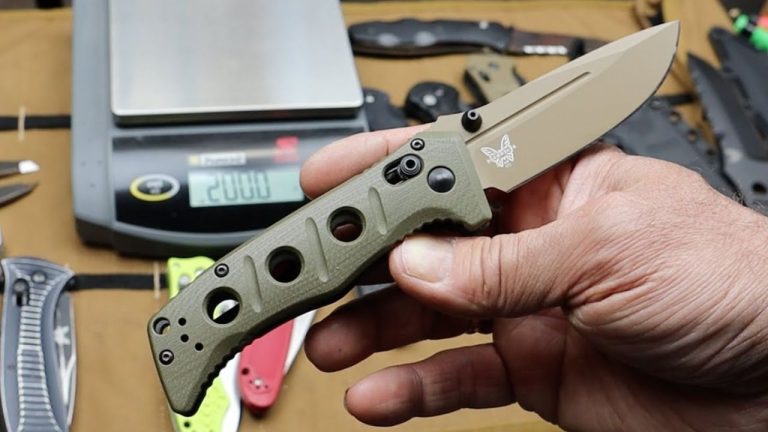
California remains one of the most closely watched states for knife regulation because its penal code draws sharp lines between permitted everyday carry tools and restricted weapons. California Penal Code 17235 is central to that distinction and is frequently cited in legal guides because it defines what counts as a folding knife and when it is considered concealed. A detailed explanation of California Penal Code 17235 states that California Penal Code 17235 permits both the open and concealed carry of folding knives provided that they are in a folded or closed position, and that this includes common pocketknives and assisted knives (not Switchblades) that do not fall under the separate switchblade definition.
Other practical guides aimed at knife users echo that reading and stress that, across the state, folding knives are generally legal when carried in a way that does not conceal their presence as a weapon. One overview of Legal Knives in California notes that California Penal Code 17235 establishes that folding knives are legal throughout the state when carried in a folded position and not locked open in a way that conceals its presence. A separate consumer focused breakdown of California rules lists Key Takeaways such as the point that Switchblades with blades longer than 2 inches are banned from carry, while Folding knives, when folded, are legal to carry in most public spaces. Together, these sources build a consistent picture: a standard folding pocketknife, kept closed in a pocket, is treated very differently under California law from a fixed blade or a spring activated automatic knife.
Dirks, daggers and fixed blades: where California draws the line
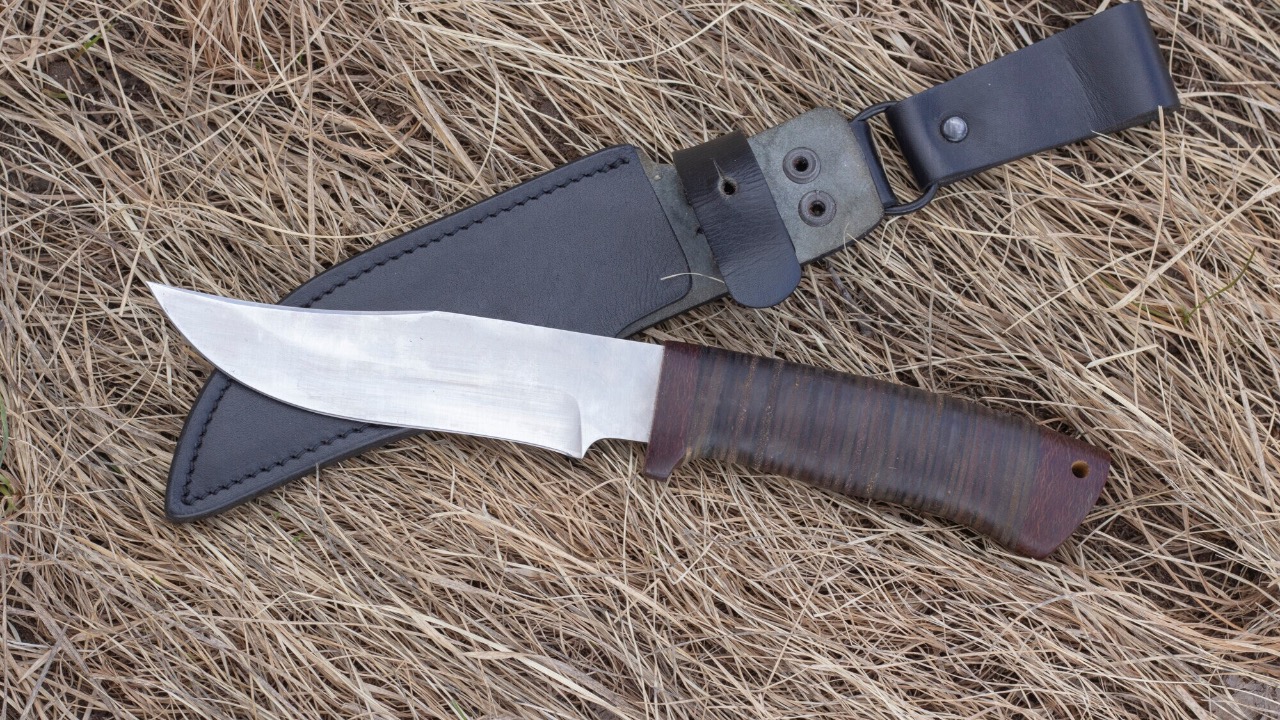
Alongside the permissive treatment of closed folding knives, California law treats dirks, daggers and other fixed blades as inherently more dangerous. Legal commentary that walks through the penal code explains that Some laws ban certain knives completely, while others specify how a knife is carried or the concealment of fixed blades, dirks and daggers. One widely cited summary of California rules states plainly that it is unlawful to carry a dirk or dagger concealed on a person and clarifies that this category includes any fixed blade knife. The same source notes that Folding or retractable knives are treated differently, which again shows how much turns on whether a blade locks open and how it is carried.
Another recent guide that helps users navigate California restrictions describes a class of Knives that can be openly carried but not concealed, which includes dirks and daggers that are designed for stabbing and are considered especially dangerous if hidden. That analysis explains that these knives may sometimes be worn openly in a sheath on the belt but become illegal when concealed under clothing or carried in a way that hides the blade or handle. A former Los Angeles prosecutor who has publicly explained California knife cases reinforces this structure, emphasizing that first of all there are some knives that are always illegal to possess in public and secondly there are some types of knives that a person may own at home but cannot lawfully carry outside. For anyone who owns a fixed blade hunting or tactical knife, the message is that how and where it is worn matters as much as the blade itself.
Switchblades, blade length limits and automatic knives
Switchblades and other automatic knives remain one of the most tightly controlled categories, especially in California. Consumer facing law summaries highlight that state rules treat Switchblades with blades longer than 2 inches as contraband that cannot be carried in public, sold, or even possessed in many situations. A detailed breakdown of California automatic knife rules captures this in a simple formula, stating that the rule is simple: the blade must not exceed 2 INCHES and that Anything longer is prohibited to possess, sell, or carry in the state. That same explanation notes that Fed law also touches automatic knives that cross state lines, which means a knife that is legal in one state may still trigger federal restrictions if shipped or transported improperly.
Retailers that specialize in tactical gear echo those cautions when they explain what their customers can and cannot buy. One guide from a knife manufacturer states that it is unlawful to carry a dirk or dagger concealed on a person (which includes any fixed blade knife) and then goes on to explain that Folding knives are treated more favorably, but that buyers still cannot carry a powerful auto legally if it exceeds the 2 inch threshold. These details matter for anyone browsing online catalogs that feature out the front automatics or classic button activated switchblades, because a blade that looks compact on screen can still cross the 2 inch line that California enforces so aggressively.
Local ordinances, schools and other sensitive locations
Beyond statewide statutes, California and many other jurisdictions layer on location specific bans that can turn a legal pocketknife into a prohibited item as soon as the carrier steps onto certain property. California does not have statewide preemption, so local governments can enact stricter rules that apply in city parks, public buildings or transit systems. A legal guide that surveys California knife rules notes that Some local governments may impose restrictions beyond what the state law requires, which means a traveler who is legal under state code can still be cited under a city ordinance that sets a shorter blade limit or bans knives in certain venues.
California penal code sections that apply to schools and similar facilities add another set of boundaries. One section, accessible through the state legislature’s code display, restricts knives and other weapons on school grounds and in certain government buildings, regardless of their otherwise legal status. That section, which is linked from the Discovered California Knife Laws citation trail, shows how lawmakers treat campuses and youth oriented spaces as especially sensitive. The practical takeaway is that a tradesperson who carries a folding knife for work may need to leave it in a vehicle or secured container before entering a school, courthouse or some municipal offices, even if the same knife is legal on the sidewalk outside.
How other states compare: from permissive to restrictive
California sits toward the restrictive end of the spectrum, but the national picture is more varied. The Discovered state law compilation that grew out of the Knife Laws By State World Population Review citation trail shows that many states have moved in the opposite direction, either by adopting Statewide Preemption or by repealing older bans on specific designs. For example, some states that once outlawed automatic knives have revised their codes to allow them, often with age limits or location based restrictions similar to firearm rules. Others have clarified that common pocketknives are not “dangerous weapons” under their concealed carry statutes, which reduces the risk of arrest for routine everyday carry.
More granular guides that focus on individual jurisdictions illustrate these differences. A summary of Maine regulations, linked from the Knife Laws By State World Population Review trail, walks through how that state treats hunting knives, balisongs and assisted openers, while a New York specific guide explains how that state has handled gravity knives and folding designs in recent years. Another article that tracks Delaware knife laws updated 2022 notes how that state adjusted its statutes and gives practical advice to residents. Together, these sources show that while some states are tightening rules in particular contexts, others are loosening restrictions and emphasizing clear definitions so that law abiding knife owners can better understand what is allowed.
The Knife Owners’ Protection Act push and advocacy efforts
While S.346 moves through the Senate, advocacy groups are promoting parallel efforts in the House of Representatives. Knife Rights, an organization that describes itself as a defender of lawful knife owners, has championed the Knife Owners’ Protection Act of 2025, often shortened to KOPA. One update from that group notes that Knife Rights’ Knife Owners’ Protection Act of 2025 (KOPA), H.R. 60, originally conceived and authored by Knife Rights in 2010, was marked up in the House Judiciary Committee in a 13 to 10 vote. The reference to the bill number 60 is precise and shows that advocates are working on multiple fronts to secure federal protections that mirror those already extended to firearm owners who travel between states.

Asher was raised in the woods and on the water, and it shows. He’s logged more hours behind a rifle and under a heavy pack than most men twice his age.