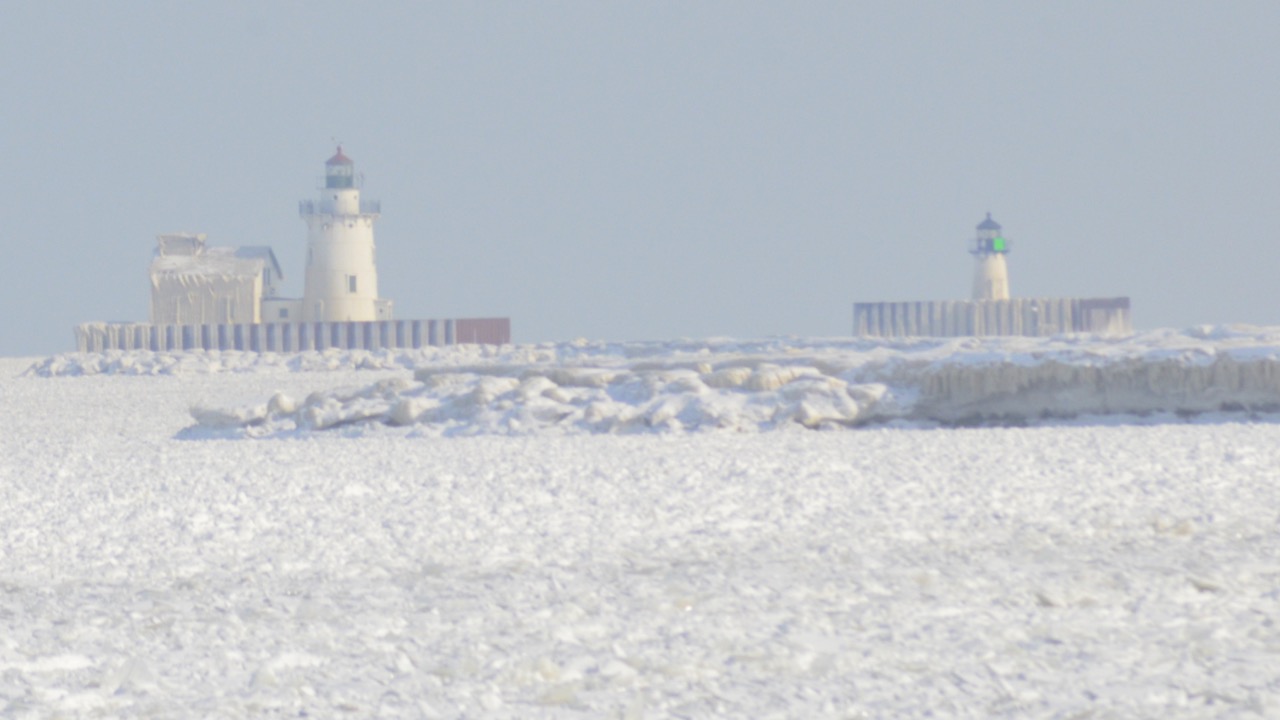
Lake Erie nears full ice cover for the first time in decades, offering rare research opportunity
When you think of ice covering a Great Lake, Lake Erie isn’t the first that comes to mind — it’s the shallowest of the bunch, and that means it can freeze over faster than Lakes Superior or Michigan. But this winter has been unusually cold, and Erie’s surface has pushed past 95 percent ice coverage, something that has only happened a handful of times in the modern record. If it reaches 100 percent, it will mark a milestone not seen since the late 1990s.
That kind of freeze-over presents a chance most years simply doesn’t offer. Researchers keen on understanding winter processes, climate influences, and ecological effects don’t often get a nearly solid sheet of ice to study on such a large freshwater system. It’s an unusual combination of weather and timing that brings both excitement and caution to scientists and locals alike.
Ice Cover Nears Historic Proportion
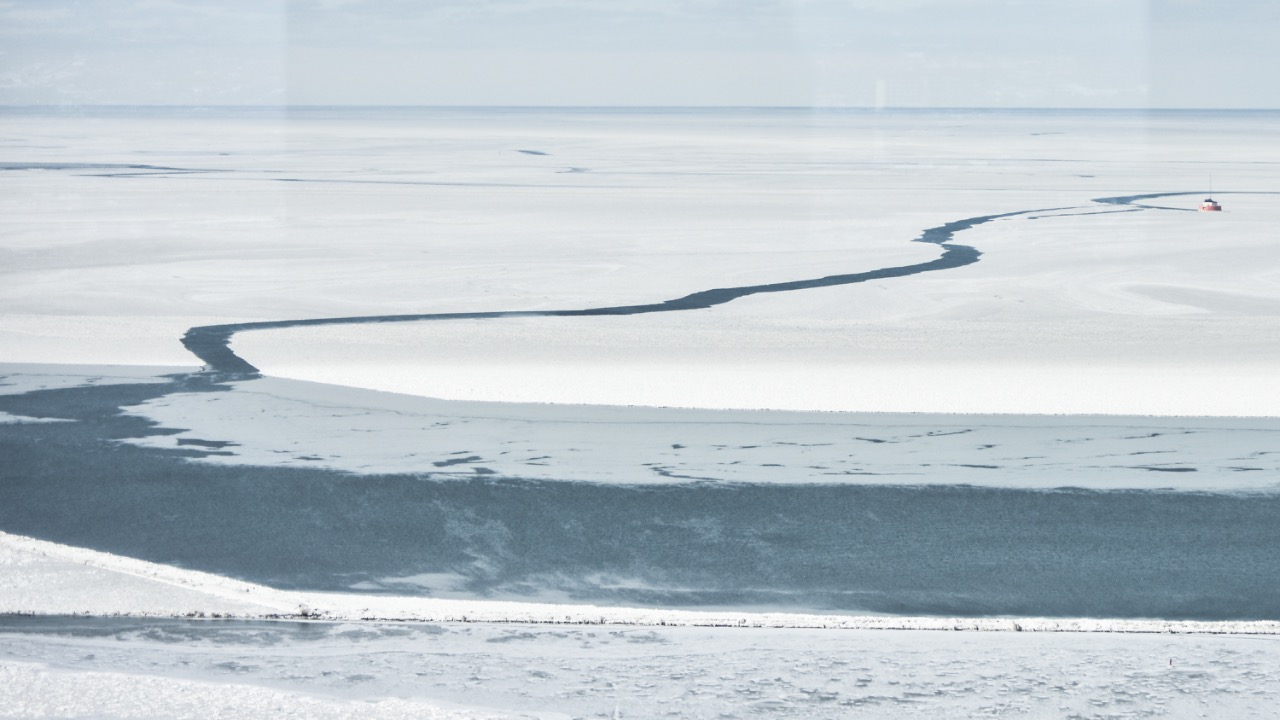
Lake Erie’s ice growth this season has been extraordinary. Cold air outbreaks and sustained below-average temperatures pushed ice coverage on the lake above 95 percent. That’s noteworthy because in the last few decades it’s only approached a full freeze a handful of times, with the last complete freeze recorded in 1996.
Most winters don’t produce this level of ice because fluctuations in air temperature, wind, and currents keep patches of open water even in deep cold. It takes a rare pattern of consistent Arctic air to let the surface ice expand so thoroughly. That kind of condition creates a nearly uninterrupted platform that isn’t common on a lake this size.
A Platform for Winter Limnology Studies
Researchers studying lake dynamics, ice-associated ecosystems, and climate interactions rarely get extensive ice cover to work with. When Lake Erie’s surface solidifies almost completely, it gives scientists a broad, consistent area to deploy instruments and conduct measurements that would otherwise be restricted to small patches of ice or open water.
That full cover creates an opportunity to study how under-ice conditions develop, how sediments interact with cold water, and how gas exchange shifts during long periods of freeze. For limnologists and climatologists, it’s a chance to observe processes that are practically inaccessible in most years.
Ice Influence on Spring Weather Patterns
The extent of winter ice cover on the Great Lakes doesn’t just affect the lakes themselves — it can shape conditions into spring. When Lake Erie nears full freeze, it can act like a giant cooler, moderating air temperatures along the shoreline as ice melts and delays warming.
That suppression of early season warming factors into how storms develop, how long snow lingers, and even when vegetation begins to green. Local forecasters often watch ice coverage closely in late winter because it can influence weather patterns for weeks after the thaw begins.
Challenges of a Near-Solid Ice Surface
Despite the appeal of a flat, frozen expanse, the situation isn’t without hazards. Cracks have already appeared in the ice that extend for scores of miles across the lake’s surface. These fissures aren’t static — wind and changing temperatures can widen them rapidly, creating dangerous conditions for anyone venturing onto the ice.
Rescue crews and local officials are urging caution near coastal areas and discouraging travel onto ice that might look stable but hides tension fractures and weak spots. The very thing that makes this season intriguing for scientists — a vast frozen surface — also raises public safety concerns.
What This Means for Future Ice Trends
Lake Erie’s near-freeze this winter is impressive on its face, but it also sits within a larger story of long-term ice variability. Over recent decades, Great Lakes ice cover has shown year-to-year swings, and scientists track these changes as part of broader climate monitoring efforts.
Even as some years see extraordinary ice growth like this one, long-term trends can differ significantly across the basin. The data gained from this event will contribute to understanding how patterns shift over time and what those shifts mean for ecosystems, shoreline communities, and the Great Lakes as a whole.

Asher was raised in the woods and on the water, and it shows. He’s logged more hours behind a rifle and under a heavy pack than most men twice his age.