When Conservation Success Stories Create New Conflicts
If you’ve spent any time in the woods over the last few decades, you’ve seen what conservation can do. Species once on the ropes are back. Habitats that were written off are producing game again. That’s something worth being proud of.
But wildlife management doesn’t end when a species rebounds. In many cases, that’s when the hard conversations start. When animal numbers climb and landscapes fill back in, they don’t return to the same world they left. Subdivisions, highways, hobby farms, and shifting public attitudes change the equation. Here’s where success has created new tension—and why managing abundance can be tougher than recovering from scarcity.
Gray Wolves in the Northern Rockies
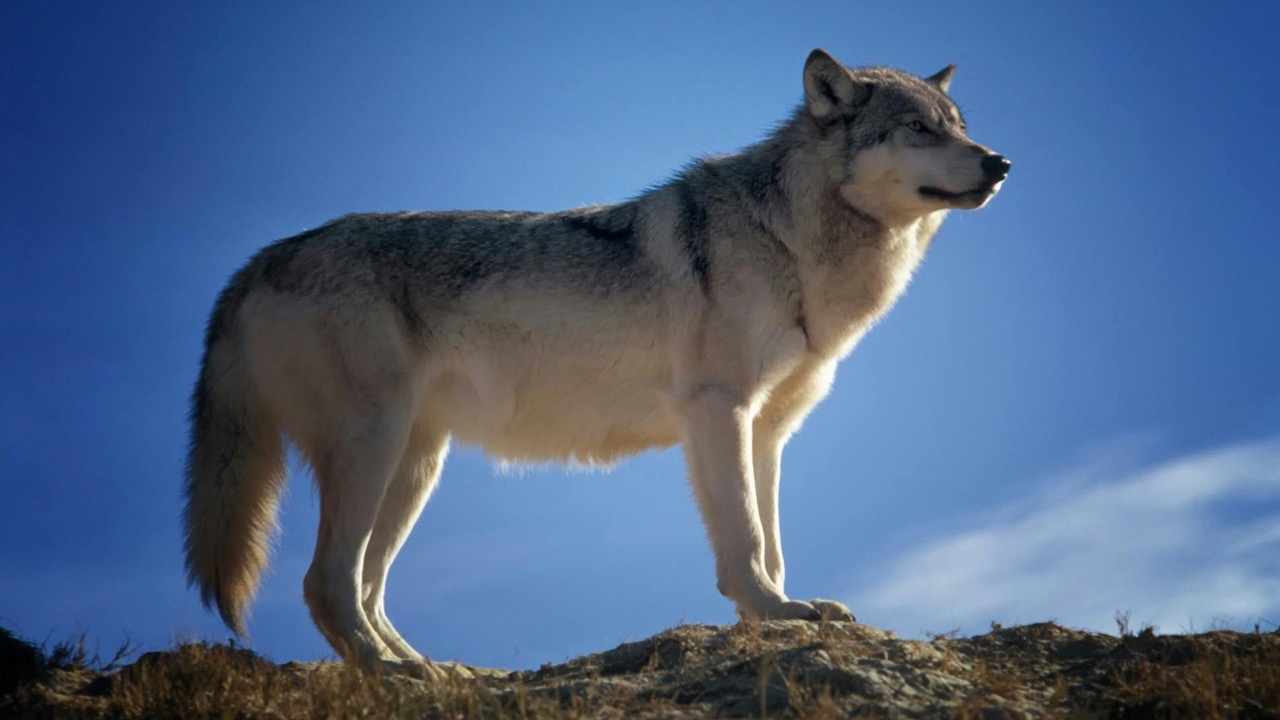
The recovery of the Gray Wolf in the Northern Rockies is one of the most high-profile conservation turnarounds in recent memory. After reintroduction efforts in the 1990s, populations expanded across parts of Idaho, Montana, and Wyoming. Biologically, it worked. Wolves are established and reproducing.
But success brought friction. Ranchers deal with livestock losses. Big-game hunters have watched elk herds shift and, in some areas, decline. Lawsuits over listing and delisting under the Endangered Species Act continue to flare up. What began as a restoration effort now sits at the center of a cultural divide over predator management and who gets to shape the landscape.
Elk Reintroduction in Appalachia
Elk were gone from much of the East for over a century. Reintroduction programs in places like Kentucky and Pennsylvania have rebuilt herds that now number in the thousands. For many rural communities, elk brought tourism, tag revenue, and renewed pride in local wildlife.
But large animals in tight, fragmented habitat come with trade-offs. Crop damage complaints have grown. Vehicle collisions are more common. Landowners who weren’t part of the original planning process sometimes feel the burden more than the benefit. Restoring a native species was the right call, but managing it in a patchwork of private land requires constant negotiation.
Alligators in the Southeast
The rebound of the American Alligator stands as a clear conservation win. Once threatened by overharvest and habitat loss, regulated management and habitat protection allowed populations to recover across the Southeast.
Now, in states like Florida and Louisiana, growing human populations share space with a large predator that never really left the swamps. Nuisance calls increase every year as development pushes into wetlands. Wildlife agencies walk a tightrope between maintaining sustainable harvests and responding to public safety concerns. Recovery changed the conversation from survival to coexistence.
Black Bears in Suburban America
The comeback of the American Black Bear is one of the quiet success stories of modern wildlife management. Strong science-based harvest regulations helped populations expand in many regions.
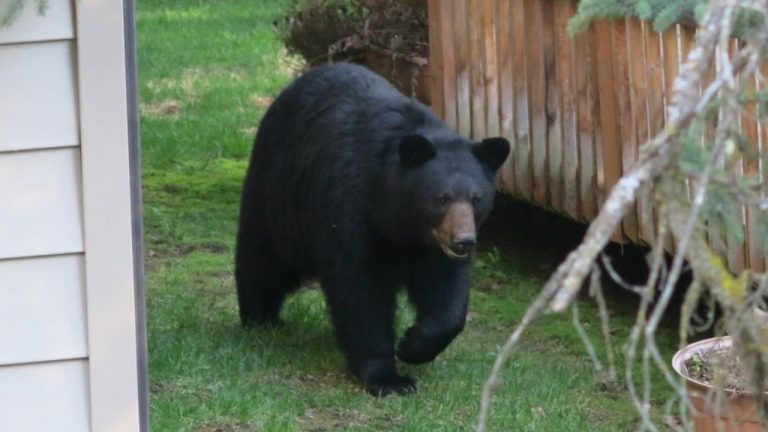
But as bears recolonize suburbs in states like New Jersey and Colorado, conflicts rise. Garbage raids, bird feeder visits, and occasional aggressive encounters put pressure on agencies to act. In places where hunting faces political opposition, managers have fewer tools to keep numbers in check. The public often celebrates bear sightings—until one wanders too close to home.
Wild Turkeys and Urban Expansion
The restoration of the Wild Turkey might be the greatest conservation success story in U.S. history. Translocation programs and regulated seasons brought birds back to nearly every suitable habitat.
Now turkeys thrive not only in timber and farmland, but in subdivisions and city parks. In parts of Massachusetts and California, aggressive toms have chased joggers and pecked at car mirrors. What was once a prized comeback species has become a management challenge in urban areas where traditional hunting pressure can’t easily be applied.
Mountain Lions in the West
Populations of Mountain Lion have stabilized or increased in several Western states thanks to regulated hunting and improved habitat management. These cats are adaptable and capable of living close to human development.
That adaptability brings tension. As housing expands into foothills in states like Colorado and California, sightings and occasional attacks spark public debate. Hunting quotas, ballot initiatives, and predator policy become political flashpoints. A species once pushed to the margins now forces communities to decide how comfortable they are living alongside a top predator.
Double-Crested Cormorants and Fisheries
The recovery of the Double-crested Cormorant followed decades of protection and pesticide regulation. Numbers rebounded dramatically after the ban on DDT and enforcement of migratory bird protections.
For anglers and fisheries managers around the Great Lakes, that rebound raised concerns. Large colonies can consume significant quantities of fish, including stocked species. Balancing federal protections with state-level fishery goals has created ongoing tension. Conservation restored the bird, but managing its impact on other valued resources remains a complicated, sometimes heated process.
White-Tailed Deer Overabundance
Few animals represent conservation success like the White-tailed Deer. Through regulated hunting, habitat change, and restocking efforts, deer populations exploded across much of the country.
In many suburban and agricultural regions, success has tipped into overabundance. Crop damage, Lyme disease concerns, and vehicle collisions strain patience. In places where hunting access is limited, herds grow beyond what the habitat can sustain. Managing too many deer often proves harder than rebuilding herds once did. Abundance creates its own set of problems, and solving them requires public buy-in that isn’t always there.
Conservation works. The record proves that. But when wildlife rebounds in a world that’s more crowded and more divided than it used to be, every success story comes with a second chapter. If you care about hunting, fishing, and wild places, that second chapter is where the real work begins.

Asher was raised in the woods and on the water, and it shows. He’s logged more hours behind a rifle and under a heavy pack than most men twice his age.