I’m Preparing for a Global Conflict — Here’s What’s in My Survival Kit
Nobody wants to think about global conflict, but history has a way of repeating itself in unexpected forms. When you start thinking about long-term disruption—supply chains breaking, communications failing, medical systems getting overloaded—you begin packing differently. The goal isn’t paranoia. It’s practical independence when normal infrastructure gets shaky or unavailable.
A survival kit for global instability isn’t a single backpack you grab once. It’s a layered system that supports movement, shelter, food access, hygiene, and basic medical care. What follows is what I personally keep ready in case things move in a direction nobody wants but everyone should quietly prepare for.
Manual Water Filtration Systems
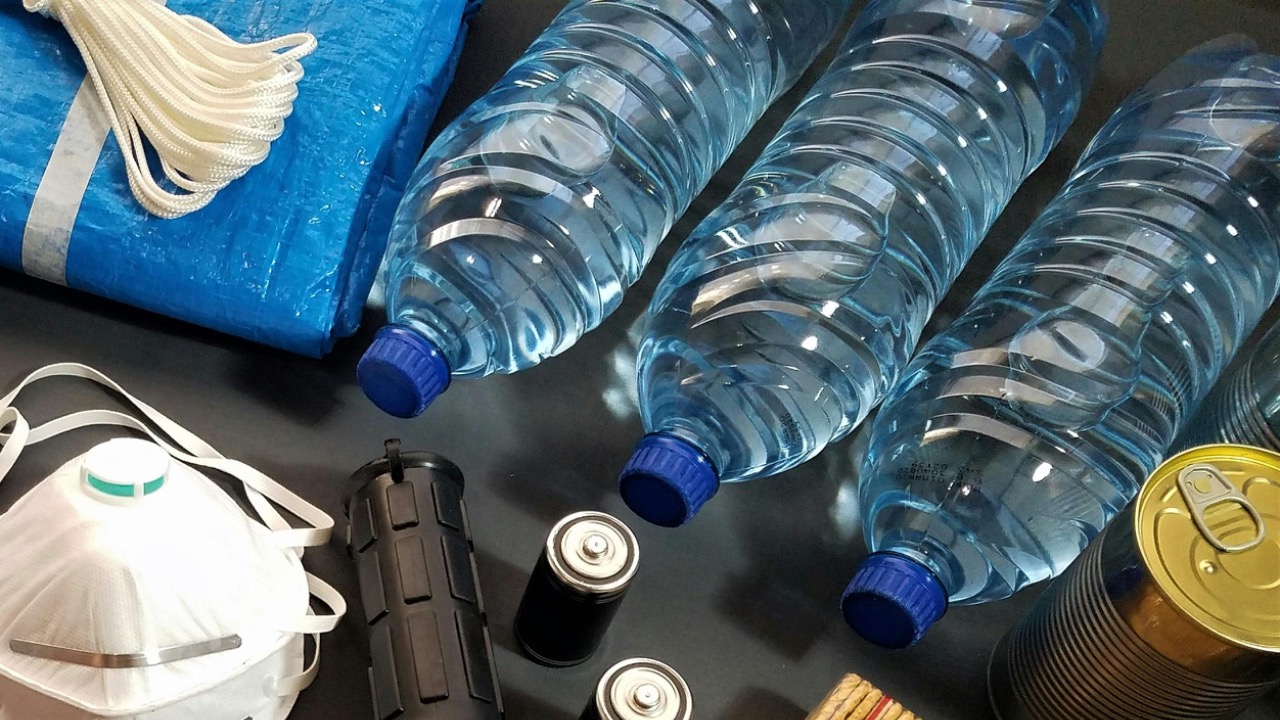
Water is the first survival priority. If public utilities fail or contamination spreads, stored water alone won’t last long. That’s why I keep a manual filtration system that doesn’t rely on electricity or batteries. Gravity filters and pump-style purifiers give you independence when infrastructure is gone.
Chemical purification tablets are also part of the kit. They are light, cheap, and reliable for emergency use. Even if filtration equipment breaks, tablets provide backup protection against bacteria and parasites. Clean water isn’t optional during extended disruptions. It keeps energy levels stable and prevents sickness when medical help may be far away.
Multi-Fuel Cooking Capability
Fuel shortages tend to appear early during global crises. Transportation disruptions, panic buying, or logistics failures can empty local supply fast. That’s why I carry a small cooking system that accepts multiple fuel types when possible.
I prefer compact stoves that can run on alcohol, white gas, or isobutane depending on availability. Redundancy matters here. If one fuel source disappears, you are not stuck. Being able to boil water, cook simple meals, and sanitize equipment becomes more important than making fancy food. Warm calories and clean water are survival advantages people often underestimate until they need them.
Durable Physical Maps and Navigation Tools
If communication satellites fail or digital networks go dark, GPS devices may become unreliable. I keep printed topographic maps of regions I might move through if I had to relocate quickly.
Alongside maps, I carry a magnetic compass and learn terrain navigation skills. Understanding elevation changes, water sources, and natural shelter locations can matter more than having modern technology. Electronics can fail from EMP events, battery loss, or network outages. Traditional navigation methods may feel old-fashioned, but during large-scale disruption, they become surprisingly valuable for safe movement.
Medical Trauma Supplies Beyond Basic First Aid
Most emergency kits contain bandaids and antiseptic wipes, but global conflict scenarios require more. I keep compression bandages, hemostatic gauze, tourniquets, and basic wound closure materials.
Training matters as much as equipment. Knowing how to control bleeding, stabilize injuries, and prevent infection can make the difference between survival and loss when professional medical services are overwhelmed. I also store broad-spectrum antibiotics when legally and safely obtainable. In prolonged emergencies, minor infections can become major threats if treatment options are limited.
Solar Charging Backup Systems
Electricity grids are vulnerable during large-scale conflict or infrastructure failure. I carry a portable solar charging panel that can power communication devices and small electronics.
Communication may be the difference between isolation and situational awareness. Being able to recharge radios, emergency lights, or navigation equipment helps maintain safety. I prefer foldable panels that survive rough handling. They’re light enough to move quickly but durable enough for long-term storage. Sunlight is a reliable energy source if you plan ahead and avoid overdependence on fragile power networks.
Long-Term Food Stability Items
I avoid thinking only about short-term survival food. Instead, I keep shelf-stable calories that can last years if stored correctly. Dehydrated rice, freeze-dried protein meals, and high-energy grain products are common choices.
Rotation matters. I track expiration cycles and use older supplies before replacing them. This prevents waste and keeps food reserves fresh. During extended instability, hunger becomes a bigger threat than conflict itself. Maintaining steady nutrition helps keep decision-making sharp and physical strength stable when stress levels rise.
Durable Clothing for Multi-Climate Survival
Weather doesn’t care about political or social instability. I pack clothing that handles cold nights, rain, heat, and physical activity without needing constant replacement.
Wool layers are useful because they retain insulation even when damp. Synthetic outer shells help block wind and precipitation. Extra socks are surprisingly important because foot health affects mobility. In long emergencies, moving safely may matter more than staying comfortable. Clothing durability reduces the need for resupply and helps maintain body temperature during unpredictable environmental conditions.
Non-Electric Lighting Options
Darkness becomes dangerous when power fails. I keep several non-electric lighting sources, including wind-up flashlights, battery-independent lanterns, and long-burning emergency candles.
Light helps maintain psychological stability as well as physical safety. Moving through unfamiliar areas at night without illumination increases risk. I avoid relying on a single lighting type because mechanical devices can break. Having redundancy means I can still navigate, cook, or read maps even when electrical infrastructure disappears for extended periods.
Communication Radios with Independent Bands
If internet and cellular systems fail, shortwave or multi-band radios become critical. I keep a receiver capable of monitoring emergency broadcasts and distant communication signals.
Learning basic radio operation matters. Understanding frequency scanning and signal interpretation helps you stay informed when normal news channels stop functioning. During global disruption, information is power. Even hearing distant weather reports or civil alerts can provide survival advantages that physical gear alone cannot guarantee.
Personal Security Awareness Planning
Physical equipment is only part of preparation. I spend time thinking about movement routes, safe locations, and community connections that might remain stable during chaos.
Situational awareness reduces unnecessary risk. Knowing when to stay hidden, when to move, and when to avoid confrontation is more valuable than carrying heavy gear. Survival during large-scale conflict often favors patience and intelligence over confrontation. The goal isn’t fighting. The goal is staying alive long enough for stability to return.

Asher was raised in the woods and on the water, and it shows. He’s logged more hours behind a rifle and under a heavy pack than most men twice his age.