Coast Guard Rescue Swimmer Dies After Injuries During Maritime Mission
U.S. Coast Guard Petty Officer 2nd Class Tyler Jaggers, an aviation survival technician and rescue swimmer based in Astoria, Oregon, died earlier this month after suffering critical injuries during a medical evacuation off Cape Flattery in Washington. His death, which followed days of intensive care, has shaken the tight-knit Coast Guard aviation community and renewed public attention on the quiet risks faced by those who fly into storms so others can live.
He was injured while trying to reach a distressed mariner offshore, then promoted and honored in the hospital before he died. The story that has emerged since his passing is one of a young Coast Guardsman whose final mission reflected the same determination and selflessness that defined his short career.
The mission off Cape Flattery that turned tragic
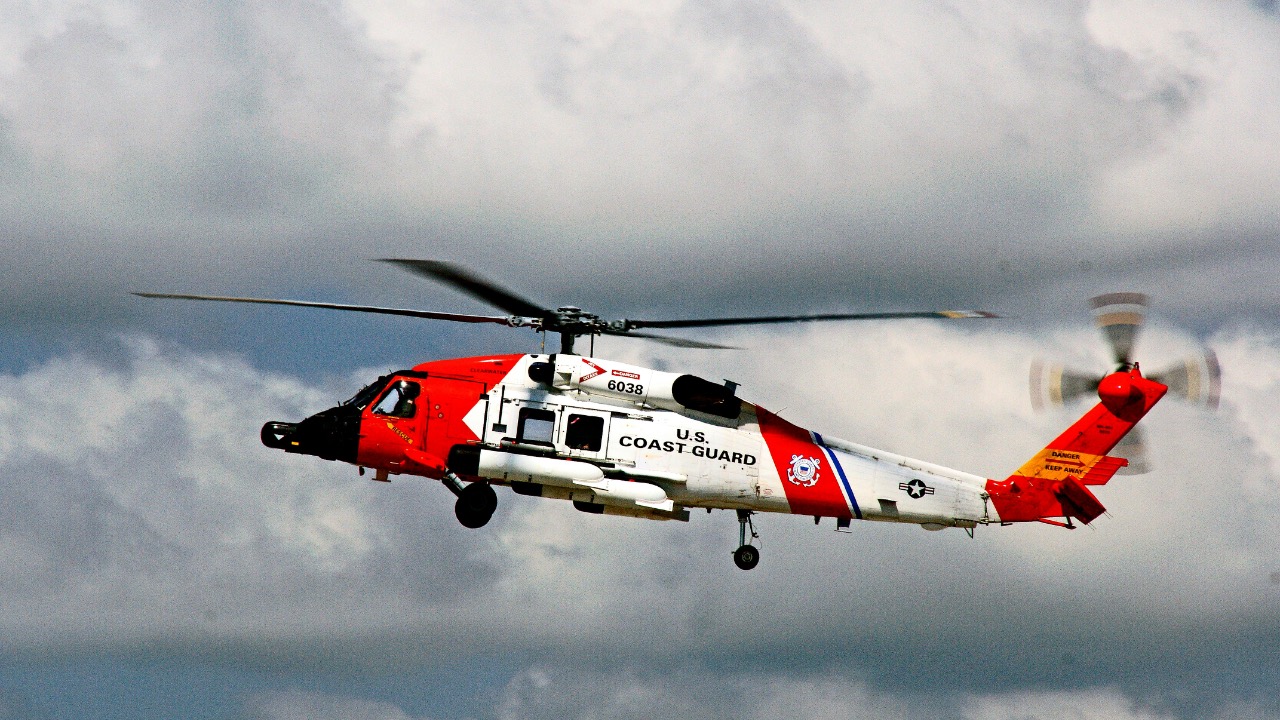
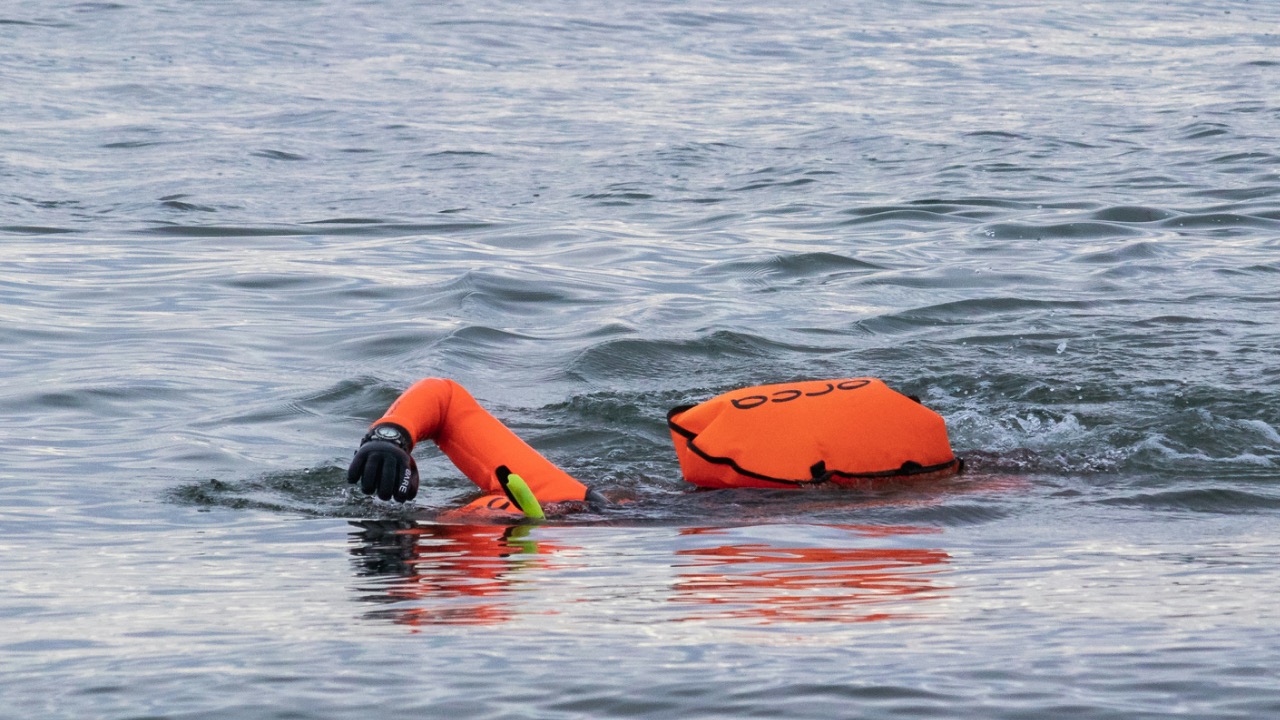
According to official accounts, the mission that cost Tyler Jaggers his life began as a medical evacuation for a mariner in distress off Cape Flattery, Washington. The Coast Guard launched an MH-60 Jayhawk helicopter from Air Station Astoria after receiving word that someone offshore needed urgent help. Aviation survival technicians like Jaggers are the ones who leave the relative safety of the aircraft, enter the water in heavy seas, and make direct contact with those in trouble.
During that offshore rescue attempt, Jaggers suffered critical injuries while trying to reach the distressed mariner in need of medical evacuation. The Coast Guard has not yet detailed exactly what went wrong during the hoist or descent, citing an ongoing review of the incident, but has confirmed that the injuries occurred in the course of the medical evacuation mission itself. Reporting on the case notes that he was injured during the rescue of a distressed mariner, and that the circumstances are now under investigation by the service.
After the accident, the helicopter crew and supporting responders shifted from rescue to emergency care for their own teammate. Jaggers was flown to Harborview Medical Center in Seattle, a regional trauma facility that frequently receives injured service members from maritime and aviation incidents along the Pacific Northwest coast. There, doctors treated him for what the Coast Guard described as critical injuries sustained during the mission.
Despite those efforts and days of intensive care, Jaggers did not recover. The Coast Guard later confirmed that he died of his injuries, turning what began as a routine call for help at sea into a line-of-duty death that has resonated across the service. The mission off Cape Flattery, Washington, now stands as a stark reminder that even highly trained rescue swimmers can face life-threatening hazards in the water, especially in the unforgiving conditions of the Pacific.
Who Tyler Jaggers was before the accident
Before the incident, Coast Guard Petty Officer 2nd Class Tyler Jaggers had already built a reputation as a dedicated aviation survival technician and rescue swimmer. He served as a Coast Guard Petty Officer 2nd Class assigned to Air Station Astoria, where he had been based since 2024 according to a service release cited in coverage of his death. His day-to-day work involved maintaining survival equipment, training for complex hoists, and standing ready to deploy at a moment’s notice into some of the roughest seas on the West Coast.
Jaggers was 27 years old and part of a relatively small community of aviation survival technicians who complete some of the most demanding training in the Coast Guard. These specialists must pass rigorous physical tests, master helicopter hoist procedures, and learn advanced medical skills so they can stabilize injured people in the water or on the deck of a vessel. Those who serve in Astoria are often called into action along the Oregon and Washington coasts, where winter storms, strong currents, and cold water combine to create some of the most dangerous conditions in U.S. waters.
Coverage of his career notes that Jaggers had already been recognized for his performance before the fatal mission. He had completed the intensive aviation survival technician pipeline and earned his position as a rescue swimmer, which is itself considered an elite achievement inside the Coast Guard. His colleagues and leaders have since emphasized that he approached the job with a mix of professionalism and enthusiasm that made him stand out among his peers.
Friends and family have described him as someone who was drawn to service and challenge, and who understood the risks inherent in jumping from a helicopter into rough seas. That willingness to face danger for the sake of others was central to his identity as an aviation survival technician, and it framed the way many in the Coast Guard now talk about his final mission.
Final days in the hospital and a promotion in uniform
After the accident off Cape Flattery, Jaggers spent his final days at Harborview Medical Center surrounded by loved ones and fellow Coast Guardsmen. During that time, the service moved to formally recognize his actions and his career. While he had been serving as an aviation survival technician and was widely known as a rescue swimmer, he had recently been selected for advancement to Petty Officer 2nd Class.
At the hospital, Coast Guard leaders carried out that advancement and promoted him to Petty Officer 2nd Class while he was still alive and in uniform. Coverage of the event explains that he was advanced from petty officer 3rd class to petty officer 2nd class in a bedside ceremony, a gesture that acknowledged both his qualifications and the sacrifice he had made during the mission. The promotion ensured that his official record reflected the rank he had earned through training and performance.
Family members were present as he lay in critical condition, and the Coast Guard has described those final days as a period when his loved ones and colleagues could say goodbye while also honoring his service. A photograph released by the Coast Guard shows Jaggers in his hospital bed with his fiancée at his side, a visible reminder that behind the uniform was a young man with a life and future that extended far beyond the service.
Jaggers died of his injuries on March 5, with the Coast Guard later confirming his death publicly. That timeline, from the medical evacuation mission off Cape Flattery to his final hours at Harborview Medical Center, has become central to how the service is telling his story to the public and to its own members.
A wedding proposal and a life interrupted
One of the most striking details to emerge about Jaggers is how close he was to a major personal milestone when he died. Earlier this year, before the fatal mission, he proposed to his girlfriend in a moment that has now been described in multiple accounts. A photograph released by the Coast Guard shows him on one knee in his flight suit, holding out a ring, while the woman who would become his fiancée reacts with visible surprise and joy.
Reporting on the proposal explains that he had planned the moment carefully and that it reflected the same sense of commitment he brought to his work. The image of Jaggers proposing in uniform has since circulated widely, serving as a poignant contrast to the photos from his hospital room and the formal announcements of his death.
Family and friends have spoken about how excited he was about the engagement and about building a future with his fiancée. The ring that appears in the proposal photo is also mentioned in accounts of his final days, with one report describing how she kept the ring on her hand as she stayed by his side at Harborview Medical Center. That detail has resonated with many readers because it highlights the personal loss behind the official language of a line-of-duty death.
Beyond the engagement, Jaggers had career plans that extended beyond his current assignment in Astoria. He had already completed demanding training as an aviation survival technician and was building experience on missions along the Pacific coast. Those who knew him say he saw the Coast Guard as both a calling and a path to a long-term career, which makes the abrupt end to his life feel especially stark.
Official tributes from the Coast Guard
In the days after his death, the Coast Guard publicly mourned Jaggers and highlighted his courage. In a formal statement shared on its social media channels, the service wrote that it “mourns the passing and honors the courage of aviation survival technician Petty Officer 2nd Class Tyler Jaggers,” praising his actions during the mission and his broader service as a rescue swimmer. The statement emphasized that he had demonstrated extraordinary heroism in the face of danger and that he upheld the highest standards of courage and excellence for the Coast Guard.
The official message described how he was critically injured while responding to a distressed mariner and how he later died from those injuries. It framed his actions as part of the Coast Guard’s core mission to save lives at sea and presented him as an example of the service’s values in action. The language used in the tribute was similar to that reserved for other line-of-duty deaths, underscoring that his sacrifice is being treated as a loss for the entire organization.
Another tribute came from the United States Honor Flag community, which recognized Jaggers as a line-of-duty death and referred to him as “Petty Officer 2nd Class Tyler Jaggers United States Coast Guard Aviation Survival Technician.” That recognition placed him in a broader tradition of first responders and service members who have died while trying to protect or rescue others. The Honor Flag group asked supporters to keep his family and colleagues in their thoughts and prayers, reflecting a wider national response beyond the Coast Guard itself.
Within the aviation community, leaders at Air Station Astoria have also spoken about his impact on the unit. They have described him as a respected teammate whose professionalism in training and on missions had earned the trust of pilots, flight mechanics, and fellow rescue swimmers. Those internal tributes, while less visible to the public, are part of how the service is processing the loss and reaffirming the importance of the work he did.
Community response in Oregon and Washington
The loss of an Oregon-based Coast Guard rescue swimmer has also been felt strongly along the Pacific Northwest coast, where local communities are closely tied to maritime life and to the units that protect it. Coverage from Portland has described how residents in Astoria and along the Oregon coast reacted to the news that an Oregon Coast Guard swimmer had died from injuries suffered in a rescue mission. Many in those communities understand that when storms roll in and fishing boats head out, it is often the Coast Guard that stands between life and death.
Local reporting in PORTLAND, Ore., has highlighted the phrase “So others may live” in connection with Jaggers, echoing a motto commonly associated with rescue swimmers and other search-and-rescue professionals. Friends interviewed in those stories have said they believe he would have wanted people to remember the purpose behind his work and to support the families of those who continue to perform similar missions. One segment noted that community members were already talking about ways to help support the Jaggers family, including potential fundraising efforts and memorial events.
Along the Washington coast, where the fatal mission took place, the reaction has been similar. Fishermen, mariners, and residents who rely on Coast Guard stations and aircrews for emergency assistance have expressed appreciation for the risks that aviation survival technicians accept when they deploy in rough seas. The fact that Jaggers died after responding to a call off Cape Flattery, a location known for treacherous waters and rapidly changing weather, has reinforced for many how dangerous that work can be.
In both Oregon and Washington, local coverage has framed Jaggers as both a public servant and a neighbor. He served in Astoria, shopped in local stores, and trained in the same skies and waters that residents see every day. That proximity has made his death feel personal for many who live along the coast, even if they never met him in person.
What is known and unknown about the investigation
While tributes have focused on Jaggers’ courage and sacrifice, questions remain about exactly what happened during the mission that left him critically injured. The Coast Guard has acknowledged that he was hurt during a medical evacuation mission offshore from Cape Flattery, Washington, and that he later died from those injuries at Harborview Medical Center. However, the service has not publicly detailed the precise sequence of events that led to his fall or impact.
One report notes that the agency did not specify what happened, citing an ongoing investigation into the incident. That investigation is expected to examine factors such as weather conditions, aircraft performance, hoist procedures, and any equipment issues that might have contributed to the accident. It will likely also review training protocols and mission planning to determine whether any changes are needed to reduce risks for future operations.
Another account references comments from Rick McElrath, identified as a board president and founder associated with a support organization, who has spoken about the emotional impact of the incident and about the importance of supporting Jaggers’ fiancée and family. While those comments help convey how those close to the case are coping, they do not replace the formal findings that will eventually come from the Coast Guard’s internal review.
Until that investigation is complete, some details about the mission will remain unverified based on available sources. The Coast Guard has made clear that it intends to learn from the incident, as it does with all serious mishaps, but has also prioritized giving the family and the unit time to grieve before releasing a full public accounting.
The extreme demands placed on rescue swimmers
Jaggers’ death has drawn renewed attention to the unique risks that aviation survival technicians face. Rescue swimmers are trained to enter the water from helicopters in rough seas, often at night and far from shore, to reach people who may be injured, hypothermic, or trapped on damaged vessels. They must be strong enough to swim through heavy surf, skilled enough to manage hoists under pressure, and calm enough to provide medical care in chaotic conditions.
Coast Guard Petty Officer 2nd Class Tyler Jaggers had earned his place in that community through a demanding pipeline that screens candidates for both physical ability and mental resilience. The training includes long-distance swims, underwater problem solving, and simulated rescues that push students to their limits. Only a portion of those who start the program become fully qualified aviation survival technicians and rescue swimmers.
Once in the fleet, these technicians face constant training and frequent deployments. In Astoria, where Jaggers served, crews respond to emergencies along a stretch of coast that includes the Columbia River Bar, often referred to as one of the most dangerous river bars in the world. The combination of shallow waters, large swells, and strong currents can create breaking waves that threaten even large vessels. When something goes wrong in those conditions, it is often a rescue swimmer who must leave the aircraft and face the sea directly.
The mission off Cape Flattery that led to Jaggers’ injuries fits within that pattern of high-risk operations. While many such missions end with successful rescues and safe returns to base, the inherent danger can never be fully removed. His death serves as a stark illustration of how even the best training and equipment cannot eliminate all hazards in such a volatile environment.
How the Coast Guard is framing his sacrifice
In its public statements, the Coast Guard has framed Jaggers’ death as a sacrifice made in the service of saving another person’s life. The official tribute highlighted that he was injured while responding to a distressed mariner and that he demonstrated extraordinary heroism in the face of danger. Leaders have described his actions as consistent with the highest standards of the Coast Guard and have pointed to his willingness to put himself at risk for the sake of others.
That framing aligns with how the service often talks about its aviation survival technicians and rescue swimmers. The motto “So others may live” captures the idea that these specialists accept personal danger as part of their duty to rescue those in peril at sea. By emphasizing that Jaggers was acting in direct support of a medical evacuation when he was injured, the Coast Guard is underscoring that his death was not only a tragedy but also a reflection of the mission he chose.
The service’s social media tribute, which described how it “mourns the passing and honors the courage of aviation survival technician Petty Officer 2nd Class Tyler Jaggers,” has been widely shared and has helped shape public understanding of the incident. It has also provided a focal point for condolences from other military branches, first responders, and civilians who have benefited from Coast Guard rescues in the past.
Within the unit at Air Station Astoria, leaders are likely balancing the need to grieve with the need to continue flying missions. Rescue swimmers and aircrews there will still be called upon to respond to emergencies along the Oregon and Washington coasts, even as they process the loss of a colleague who died doing the same work. The way the Coast Guard talks about Jaggers’ sacrifice is part of how it helps those crews carry on with a mission that remains as dangerous as it is essential.

Leo’s been tracking game and tuning gear since he could stand upright. He’s sharp, driven, and knows how to keep things running when conditions turn.