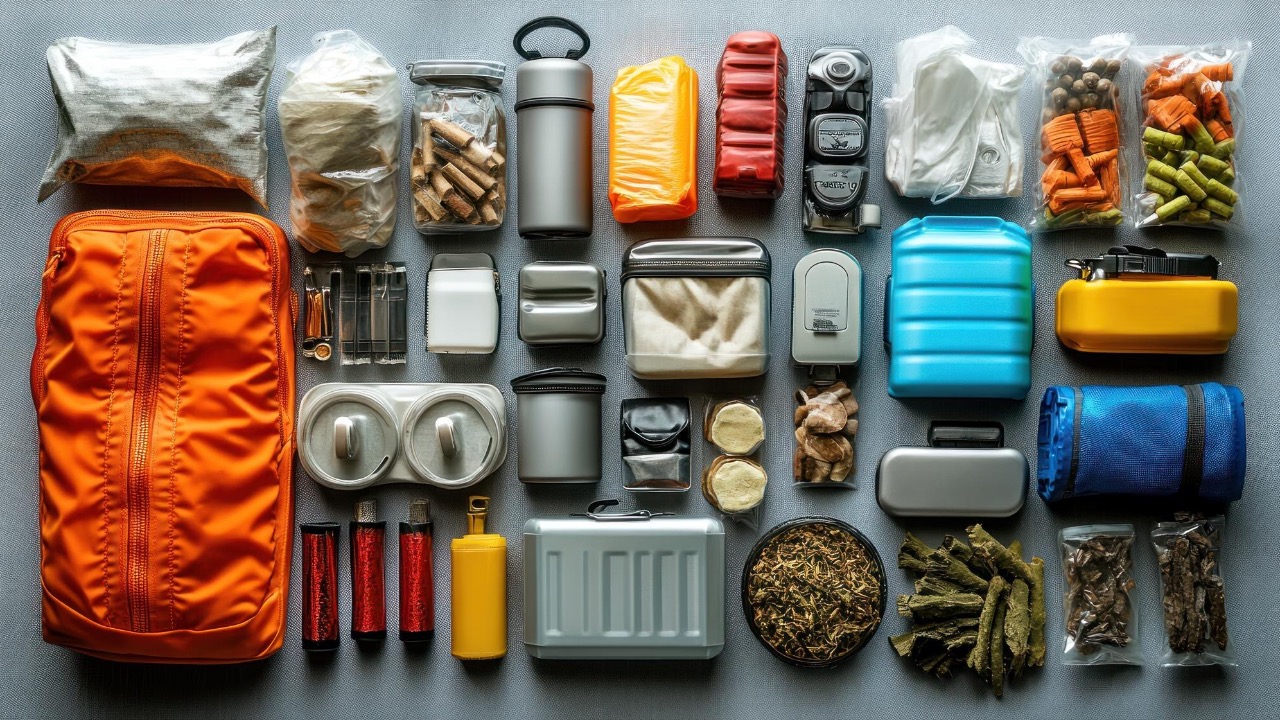
10 Survival Foods Preppers Stock Before Any Major Crisis
Anyone who has spent real time thinking about preparedness knows food storage is more than stacking random cans in a closet. When supply chains stall or stores empty out, the food you stored becomes your grocery store, your fuel, and sometimes your morale booster. Good preppers look for foods that store well, pack solid calories, and can be used in different ways without wasting fuel or water.
You also learn quickly that variety matters. Living on a single staple gets old fast and drains energy over time. The experienced approach is building a pantry that covers protein, fats, carbs, and flavor while lasting for years. The foods below show up again and again in well-planned prepper pantries because they store well, stretch meals, and give you options when things get rough.
Wheat Berries
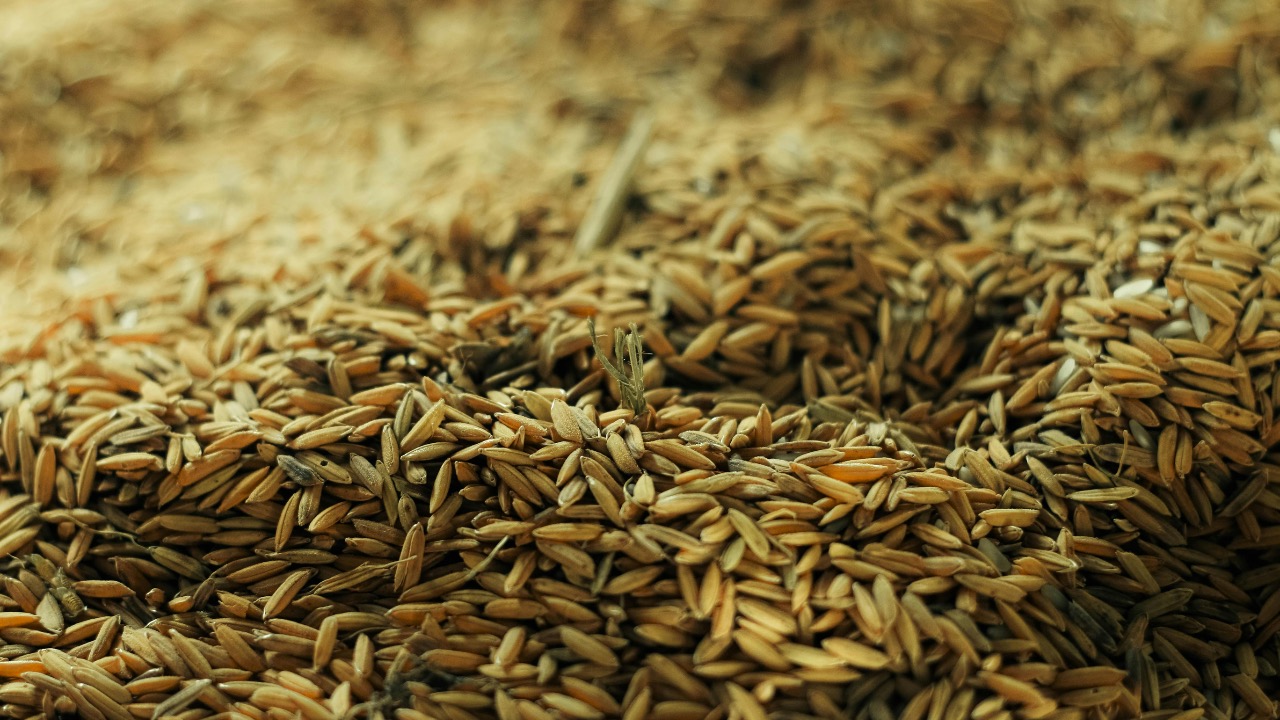
If you walk into a serious prepper’s storage room, chances are you’ll find buckets of wheat berries. Whole wheat berries store far longer than flour because the natural oils remain sealed inside the grain. Stored in airtight containers with oxygen absorbers, they can remain usable for decades.
You can grind them into flour when you need it, but that’s only one option. Wheat berries can also be cooked whole like rice, added to soups, or sprouted for fresh greens. That flexibility matters during a long disruption when variety becomes valuable. With the right storage setup, wheat berries give you dependable calories and the ability to produce bread, porridge, or hearty grain meals whenever you need them.
TVP (Textured Vegetable Protein)
TVP rarely shows up on normal grocery lists, which is exactly why many preppers rely on it. Made from defatted soy flour, it stores extremely well and packs a surprising amount of protein for its weight. Kept dry and sealed, it can last for years without refrigeration.
The real advantage shows up during cooking. TVP absorbs flavor from whatever broth or seasoning you add, allowing it to stretch small amounts of meat or replace meat entirely in stews, chili, and casseroles. When protein becomes harder to find, foods like this become valuable. A small bag can feed a lot of people if you know how to work it into your regular meals.
Dehydrated Hash Browns
Potatoes don’t always store well in their fresh form, but dehydrated hash browns solve that problem. They store compactly, rehydrate quickly, and cook using minimal fuel. When you’re managing limited resources, that matters.
They also work in more dishes than most people expect. You can fry them in a pan, add them to soups, turn them into casseroles, or mix them with powdered eggs for a filling breakfast. During long emergencies, foods that cook fast and stretch across multiple meals make life easier. Dehydrated potatoes bring reliable calories and familiar comfort food to the table without the storage headaches fresh potatoes bring.
Freeze-Dried Ground Beef
Protein is one of the hardest things to store long term, which is why freeze-dried meats show up in serious preparedness plans. Freeze-dried ground beef keeps its structure and flavor far better than many canned options, and it rehydrates quickly when added to hot water or soup.
Another advantage is weight and storage efficiency. A #10 can can hold a surprising amount of meat, and it can sit on the shelf for decades if sealed properly. When you want to make chili, tacos, or pasta sauce during a crisis, having real meat available changes the entire meal. It turns a basic survival dish into something that actually keeps people satisfied.
Powdered Butter
Fats are easy to overlook in emergency planning, but they are critical for both calories and cooking. Powdered butter fills a gap many food storage plans miss. Stored in sealed containers, it lasts far longer than traditional butter while still offering familiar flavor.
When rehydrated, it works well for baking, sauces, and frying. You can also sprinkle it into dry mixes for extra calories and richness. During stressful times, flavor matters more than people expect. Powdered butter keeps meals from tasting bland while providing the fat your body needs to maintain energy when physical work increases.
Canned Sweet Potatoes
Sweet potatoes store well fresh for a while, but canned versions extend that window dramatically. They hold their nutrients, stay ready to eat, and bring valuable vitamins along with steady carbohydrates.
In a survival situation, foods that require little preparation become important. Canned sweet potatoes can be eaten cold, warmed quickly, or mashed into other dishes. Their natural sweetness can also break up the monotony of grain-heavy meals. After weeks of rice, beans, and bread, something with real flavor can make a big difference in morale.
Lentils
Lentils are one of the fastest cooking dry legumes you can store. Unlike many beans, they usually don’t require soaking, which saves both time and fuel. When water and energy are limited, those small advantages add up quickly.
They also provide a strong combination of protein, fiber, and minerals. Lentils cook down into soups, stews, curries, and grain dishes without much effort. Because they absorb seasoning well, they adapt easily to whatever spices you have available. That versatility makes them a reliable backbone ingredient in many prepper pantries.
Canned Coconut Milk
Coconut milk isn’t the first item people think of when building emergency food stores, but experienced planners often include it. It contains fats your body needs for energy and brings a rich flavor to meals that might otherwise taste flat.
It also works across a surprising range of dishes. Coconut milk thickens soups, forms the base of curries, and can even be added to rice or oatmeal for extra calories. In a long-term disruption where fresh dairy may disappear, canned coconut milk gives you a stable alternative that adds both nutrition and depth to meals.
Bulgur Wheat
Bulgur is a cracked wheat product that cooks extremely fast compared to whole grains. That makes it useful when fuel supplies are tight or when you need a quick meal without a long cooking time.
It also stores well in sealed containers and provides solid carbohydrates along with fiber and minerals. Bulgur works well in soups, grain bowls, and cold salads if you have limited cooking options. Because it cooks quickly and expands in volume, a small supply can stretch farther than many other grains.
Canned Chicken
Canned chicken remains one of the most practical protein sources for emergency storage. It’s fully cooked, shelf stable, and ready to eat straight out of the can if necessary.
More importantly, it adapts to almost any meal. You can mix it into rice dishes, stir it into soups, or combine it with pasta and vegetables for a quick dinner. When protein sources become scarce during supply shortages, having dependable meat on the shelf makes a real difference. It gives you flexibility and keeps meals balanced when fresh food disappears from stores.

Asher was raised in the woods and on the water, and it shows. He’s logged more hours behind a rifle and under a heavy pack than most men twice his age.