Gun-Shop Red Flags Experienced Buyers Never Ignore
Walk into enough gun shops and you start to notice patterns. Some stores are run by people who know their inventory, take pride in how they handle firearms, and treat customers with respect. Others give off warning signs the minute you step through the door. Experienced buyers pay attention to those signs because a sloppy shop often means sloppy advice, poorly maintained firearms, or overpriced gear.
A good gun shop should make you feel confident about what you’re buying. You should be able to handle a firearm safely, ask detailed questions, and get straight answers. When that doesn’t happen, seasoned shooters take note. Over time you learn that certain behaviors inside a shop almost always point to bigger problems. Here are the red flags experienced buyers never ignore.
The Staff Can’t Answer Basic Questions About Their Inventory

If you ask a basic question about a firearm and get a blank stare, that’s a bad sign. You don’t expect every employee to know every detail about every gun, but they should understand the basics of the products they’re selling. If someone behind the counter can’t explain the difference between common calibers or operating systems, you’re dealing with a shop that prioritizes sales over knowledge.
Experienced buyers pay attention to how confidently and accurately staff respond. If the answers are vague, rushed, or clearly wrong, you can’t trust the advice you’re getting. A knowledgeable staff helps you make better decisions. When that expertise isn’t there, you’re better off walking out and finding a shop that takes the time to learn its inventory.
Firearms Are Handled Carelessly Behind the Counter
You can learn a lot about a shop by watching how employees handle guns. If you see someone waving a muzzle across the room, dropping a magazine on the floor without checking it, or handing a gun to a customer without clearing it first, that’s a serious red flag.
Experienced buyers watch these moments closely. Safe gun handling should be automatic in a gun shop. If the people selling firearms aren’t following basic safety habits, it tells you something about the culture of the place. Shops that treat firearms casually behind the counter often cut corners elsewhere too. A store that respects the tools it sells will demonstrate that respect every time a gun changes hands.
Prices Change Depending on Who’s Asking
One of the quickest ways a shop loses credibility is inconsistent pricing. If you hear two customers quoted different prices for the same firearm within minutes, experienced buyers take notice. Transparent pricing matters, especially when firearms already carry significant costs.
Good shops have clear price tags and stick to them. When pricing seems flexible depending on who’s asking, it raises questions about honesty. Seasoned buyers understand that businesses need to make money, but they also expect straightforward transactions. When pricing feels like a guessing game, many experienced shooters quietly decide they won’t be coming back.
Used Guns Are Poorly Inspected
Used firearms can be a great value if the shop takes time to inspect them properly. Experienced buyers always look closely at the used rack because that’s where problems tend to hide. If you see rust under the sights, worn locking surfaces, or obvious modifications that nobody can explain, that’s a warning sign.
A reputable shop should know the condition of the firearms it sells. Staff should be able to explain whether a gun has been refinished, repaired, or altered. If the answer to every question is “I’m not sure,” the store likely isn’t inspecting trade-ins very carefully. That puts the burden on you to catch problems that should have been identified before the gun ever hit the shelf.
The Shop Pushes One Brand No Matter What You Ask For
Every experienced shooter has seen this happen. You walk in asking about a specific firearm, and the salesperson immediately tries steering you toward something else—usually whatever they’re trying hardest to move that week.
Good shops help you compare options based on what you actually need. When a store pushes the same brand or model no matter what you’re looking for, it usually means inventory pressure is driving the conversation. Experienced buyers recognize this quickly. They know the difference between helpful recommendations and a sales pitch disguised as advice.
No One Will Let You Inspect a Gun Properly
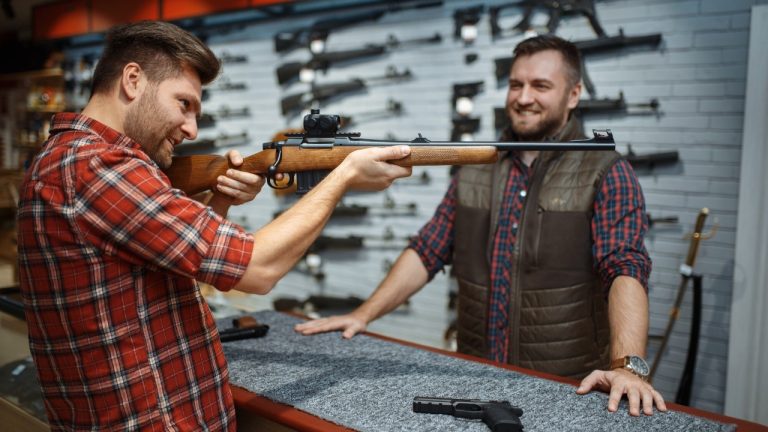
Handling a firearm before buying it is part of the process. You should be able to check the trigger feel, examine the sights, and see how it fits your hands. If a shop rushes you through that process or discourages inspection, that’s a sign something may be off.
Experienced buyers take their time when evaluating a firearm. They check the bore, look at machining marks, and feel how the action cycles. Shops that discourage that kind of inspection often have something to hide, whether it’s cosmetic damage or mechanical wear. A good store understands that serious buyers want to examine a firearm carefully before committing to it.
The Store Is Full of Questionable “Upgrades”
You’ll occasionally see firearms in a shop covered in aftermarket parts that look impressive but raise more questions than answers. Cheap optics, poorly installed triggers, or mismatched accessories can turn a good firearm into a gamble.
Experienced buyers approach those guns cautiously. Modifications done by unknown hands may affect reliability or safety. When a shop proudly displays heavily modified firearms but can’t explain who did the work or why it was done, that’s a red flag. Quality upgrades should come with clear information about the parts and installation.
Employees Badmouth Every Gun Except What They Sell
Constructive criticism about firearms is normal. Experienced shooters talk openly about strengths and weaknesses across different platforms. What raises concern is when a shop constantly dismisses competing brands while praising only the products in their own display case.
This kind of behavior suggests bias rather than experience. Good shops acknowledge tradeoffs and help you decide what fits your needs. When the conversation turns into blanket criticism of anything they don’t carry, seasoned buyers recognize it as sales pressure. Reliable information usually comes from people who can discuss multiple brands without turning it into an argument.
The Shop Won’t Talk About Return Policies or Warranties
Any store selling firearms should be comfortable discussing warranties, manufacturer support, and return policies. If those topics make employees uncomfortable or they dodge the question, experienced buyers pay attention.
Sometimes a firearm develops issues that require warranty service. Knowing how the shop handles that situation matters. Good stores explain the process clearly and help customers work with manufacturers if something goes wrong. When a shop avoids the conversation entirely, it often means you’ll be on your own if problems appear after the sale.
The Range of Advice Doesn’t Match the Customer
Watch how a shop talks to different customers. Experienced buyers notice when advice is one-size-fits-all. Recommending the same gun to a new shooter, a hunter, and someone looking for a carry pistol suggests the staff isn’t really listening.
A knowledgeable shop asks questions about experience level, intended use, and budget. The recommendation should reflect those answers. When advice feels generic or rushed, it tells you the focus is on moving inventory rather than helping someone find the right firearm. Buyers who’ve spent years around gun counters recognize that pattern quickly.
The Shop Feels More Like a Pawn Counter Than a Gun Store
A good gun shop has a certain order to it. Firearms are organized, clearly labeled, and handled with care. When the place feels cluttered, chaotic, or full of unrelated merchandise piled around the racks, experienced buyers start paying closer attention.
That kind of environment often means inventory management isn’t a priority. If the store can’t keep its displays organized, you have to wonder how carefully they track maintenance, repairs, or trade-ins. A well-run shop usually reflects the habits of the people behind the counter. Experienced buyers trust their instincts when the environment suggests those habits aren’t there.

Asher was raised in the woods and on the water, and it shows. He’s logged more hours behind a rifle and under a heavy pack than most men twice his age.