U.S. officials reportedly surprised by Israel’s strikes on Iran
U.S. officials are grappling with the fallout from Israeli strikes on Iranian fuel and oil infrastructure that they say went further than Washington anticipated. The attacks have deepened tensions with Tehran, unsettled regional allies, and exposed a widening gap between U.S. and Israeli calculations over how far to push the confrontation with Iran.
In Washington, officials describe being caught off guard by both the scale and timing of the strikes, which targeted dozens of fuel depots and oil facilities across Iran and around Tehran. Their surprise is feeding a broader debate inside the United States over escalation risks, alliance management, and how to keep a limited conflict from sliding into a wider war.
How the strikes unfolded inside Iran
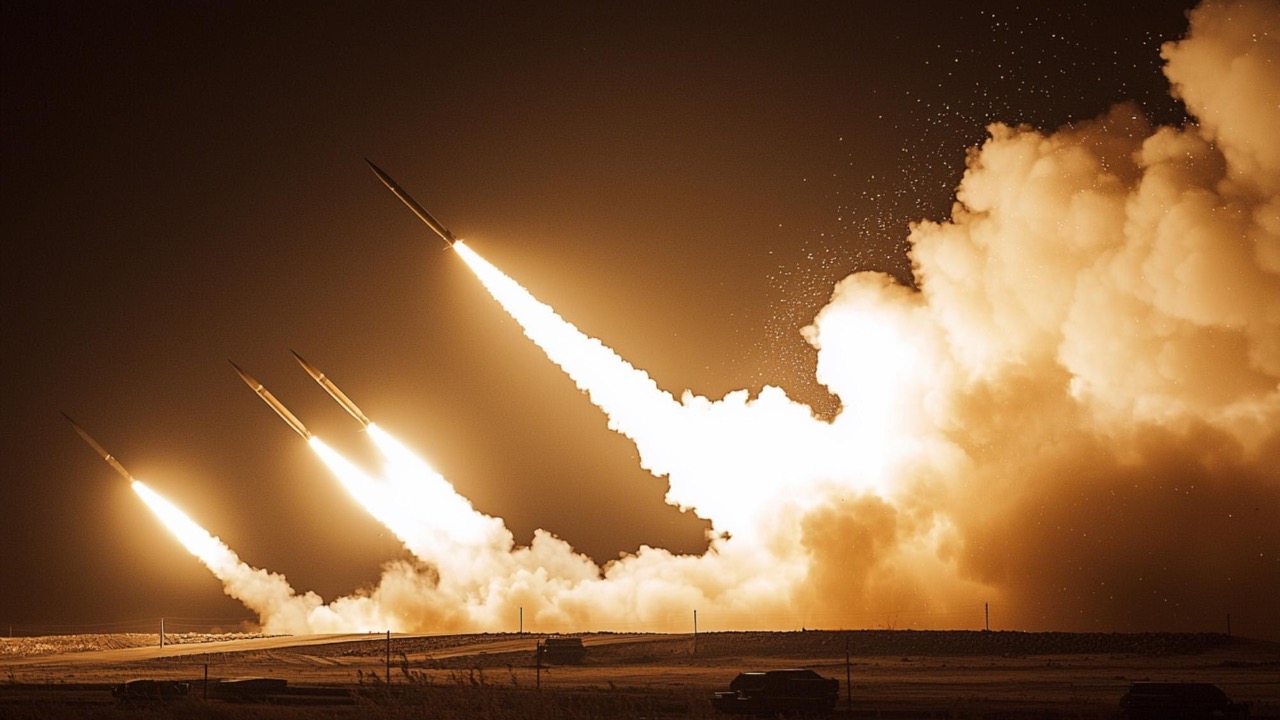
The latest phase of the crisis began with reports of blasts in western Tehran as joint U.S. and Israeli activity reportedly targeted facilities linked to Iran. Local accounts described explosions and rising smoke in the capital region as tensions between Iran, Israel, and the United States intensified, with Iranian forces having already fired missiles at U.S. bases in Qatar and Iraq on a Monday in a separate but connected escalation, an episode captured in one Iran–Israel–US update.
Attention soon shifted to a more focused Israeli campaign against Iran’s energy infrastructure. Israeli forces carried out coordinated strikes on about 30 fuel depots across Iran on a Saturday, hitting sites that stored fuel used to move both civilian supplies and military materiel. The scale of the operation, which produced large fires and plumes of smoke visible over oil depot tanks in and around Tehran, was later described as involving around 30 depots and large secondary fires.
The Israel Defense Forces later said the targeted fuel depots were used by the Iranian regime to supply fuel to its military network and to sustain operations that threaten Israel. By hitting oil depots and fuel storage, Israel signaled that it was willing to go after the economic and logistical arteries that support Iranian power projection, not just discrete missile or drone sites.
Washington’s shock and dismay
Inside Washington, the reaction was immediate and uneasy. United States officials were reportedly dismayed by the scope of the Israeli action, which they believed went beyond what had been discussed in prior consultations. According to one account, U.S. officials felt the strikes on 30 Iranian fuel deposits on that Saturday exceeded American expectations and risked a broader confrontation that the United States does not want, with one summary noting that United States officialsunhappy with the attack.
Reporting based on U.S. and Israeli sources described senior figures in Washington as stunned that Israel had pressed ahead at this scale despite earlier caution from the United States. Some accounts said the surprise was so sharp that aides at the White House sent blunt messages to Israeli counterparts as the scope of the operation became clear, reflecting a sense that the coordination that usually underpins such moves had broken down.
Officials quoted in these reports stressed that the United States supports Israel’s right to defend itself against Iranian threats, yet they also warned that targeting such a wide network of fuel and oil infrastructure risks drawing in other actors and could trigger Iranian retaliation that pulls the region closer to a wider war. Analysts close to the administration have framed the episode as a classic case of an ally acting on its own threat perception while the security guarantor worries about escalation spirals.
Inside the quiet rift between U.S. and Israeli planners
The gap between Washington and Jerusalem did not emerge overnight. For months, Israeli leaders have argued that Iran’s network of oil depots, fuel storage, and logistics hubs directly supports attacks on Israel and its partners. They see strikes on that infrastructure as a way to impose real costs on Tehran and to constrain its ability to arm proxies.
U.S. officials, by contrast, have tended to push for more limited responses that focus on specific missile batteries, drone launch sites, or Revolutionary Guard facilities. One detailed account based on Israeli and American sources described how the fuel strikes in Tehran and other cities left U.S. policymakers feeling that Israel had crossed a line that Washington had hoped to avoid, with reporting that smoke rose over after overnight strikes that surprised American counterparts.
The same rift surfaced in commentary from U.S. political figures and media personalities. Pete Hegseth, a prominent conservative commentator, argued that the attack on fuel depots was not a U.S. operation and insisted that the United States was not being pulled in any direction by Israeli decisions. His remarks, delivered as he predicted that Tuesday would be the most intense day of the conflict so far, reflected a strain of American opinion that supports Israeli assertiveness but wants to keep U.S. forces out of a direct clash with Iran.
Escalation risks and fears of a wider war
The strikes on Iran’s fuel network unfolded against a broader backdrop of tit-for-tat attacks that already had regional actors on edge. Earlier missile launches by Iran at U.S. bases in Qatar and Iraq had shown Tehran’s willingness to hit American targets directly when it feels threatened, as highlighted in the same Iran Strikes US account that chronicled missile fire at Qatar and Iraq on a Monday.
Within this volatile context, the fuel depot campaign looked to some U.S. officials like the kind of move that could push Iran to respond in kind against energy infrastructure in the Gulf or even against Israeli and American shipping. Analysts have pointed to the risk that attacks on oil facilities might affect global markets as well as security, particularly if Iran seeks to retaliate against tankers in the Strait of Hormuz or energy installations in Saudi Arabia and the United Arab Emirates.
Concerns about a broader conflict are not limited to government officials. Public debate in the United States has featured warnings about scenarios that could lead to direct confrontation between nuclear-armed states, with some commentary even circulating maps of areas in the United States that might be targeted in a nuclear war. One such analysis, hosted by a site that has followed Iran and Israel closely, presented a terrifying map that identified areas most likely to be targeted if a conflict escalated to that level, underscoring how public anxiety has grown alongside the military exchanges.
How allies and domestic critics are responding
The shock in Washington has been mirrored in other capitals that are formally aligned with both the United States and Israel. European governments, already wary of any steps that could disrupt energy supplies or trigger new refugee flows, have quietly urged restraint while publicly reaffirming Israel’s right to self-defense. Some have echoed the U.S. view that hitting fuel depots and oil facilities risks turning a contained confrontation into a regional crisis.
Inside the United States, the strikes have also become fodder for domestic political argument. One detailed report on the reaction described U.S. officials as left stunned by Israel’s attacks on Iran, with some allies warning that such moves could spark a broader war and even raise the specter of a third world war, as captured in an account by Reanna Smith and Gavin Quinn that highlighted U.S. officials left by the attacks.
Commentators across the spectrum have used the episode to press their broader arguments about U.S. strategy in the Middle East. Some argue that the United States must give Israel wider latitude to hit Iranian assets wherever they are found, contending that only sustained pressure will deter Tehran. Others insist that Washington has to draw clearer lines with its ally, especially when strikes risk American troops or facilities in Qatar, Iraq, and elsewhere.
What the fuel strikes reveal about the next phase
Beyond the immediate shock, the strikes on Iran’s fuel depots reveal how the conflict is shifting from discrete battlefield exchanges toward deeper economic and infrastructure targeting. By hitting oil depots and fuel storage, Israel signaled that it sees Iran’s energy network as fair game, not just its overt military platforms. That approach could reshape how both sides plan future operations.

Leo’s been tracking game and tuning gear since he could stand upright. He’s sharp, driven, and knows how to keep things running when conditions turn.