Cities across the U.S. where bear sightings are becoming more common
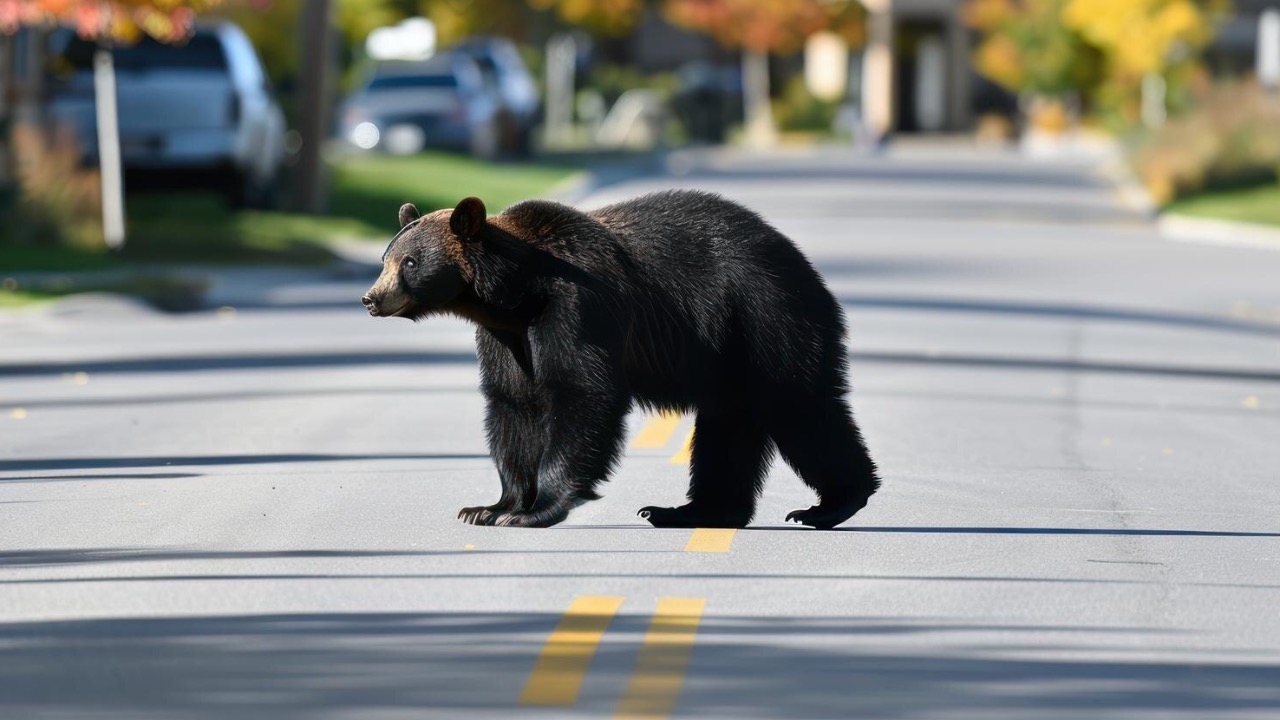
Across the country, more people are bumping into bears in places that used to feel safely suburban or even urban. From New England cul-de-sacs to California foothill neighborhoods, the line between wild country and city limits is getting thinner, and the encounters are getting harder to ignore. I have spent enough time around bruins and biologists to know this is not a fluke, it is a pattern that is reshaping how a lot of American towns think about backyards, trash cans, and trailheads.
The trend is not identical everywhere, but the broad story is the same: bears are reclaiming habitat, people are building deeper into that habitat, and the two sides are meeting in the middle. Some states are tracking thousands of reports, others are still piecing together new data sets, yet the direction of travel is clear enough that wildlife agencies from New England to the Rockies are retooling how they talk to the public about living with big carnivores.
Connecticut suburbs where bears are now regulars
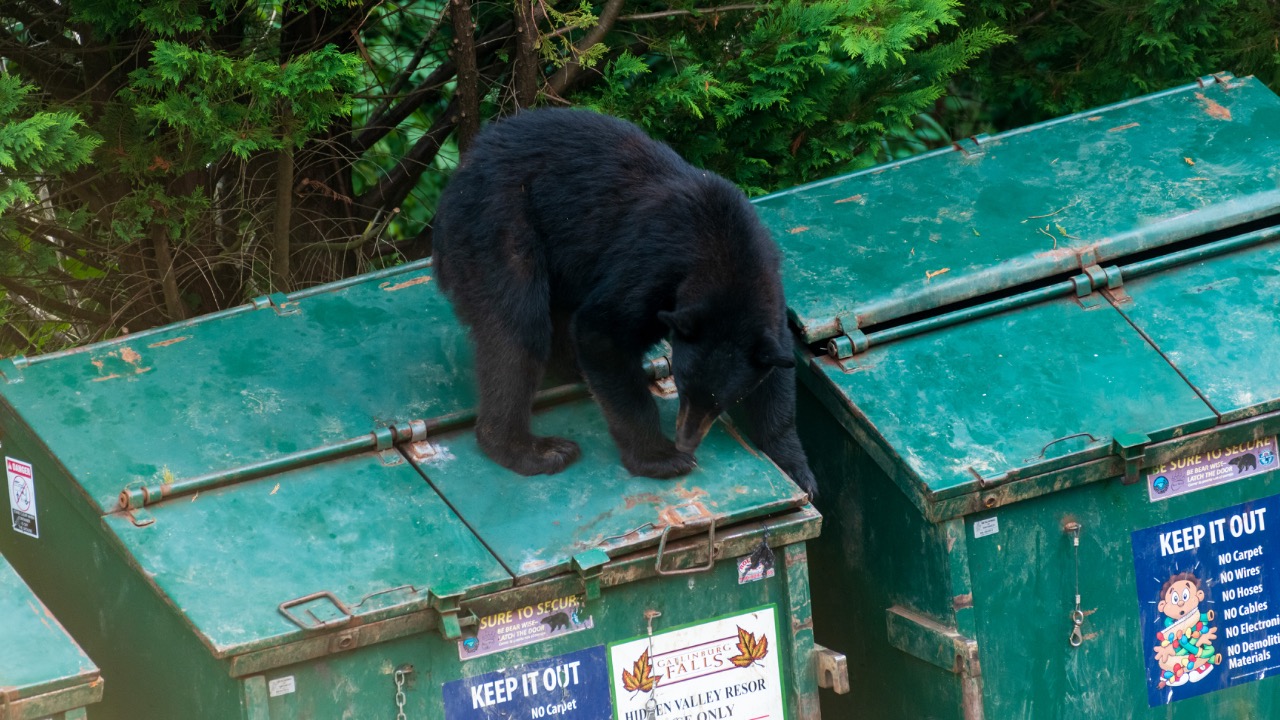
Connecticut has turned into a case study in what happens when a forested, affluent state fills in with houses and patios while black bears quietly expand. State officials reported that more than 12,000 bear sightings were logged across Connec in 2025, a record that reflects how normalized it has become to see bruins on doorbell cameras and school-run routes. That surge is not happening in remote timber country, it is happening in places with busy commuter traffic and dense housing.
Some of the hottest spots are Hartford County suburbs like West Hartford, where wooded greenbelts and parks give bears easy cover between neighborhoods, and nearby towns such as Simsbury and Farmington, which have a mix of river corridors, reservoirs, and forested hills that function as bear highways. Reporting has noted that Farmington alone recorded more than 500 incidents, which tells you how thoroughly bears have learned to work the edges of these communities. When I talk to residents in places like West Hartford, they no longer ask if bears are around, they ask how to keep them out of the garage.
New England towns adjusting to “bear country” status
Step back from Connecticut and you see the same story playing out across New England, especially in states that are now openly telling residents that they live in bear country. In Massachusetts, wildlife officials have been blunt that black bears are showing up in more communities and that people need to change how they handle trash, bird feeders, and backyard grills. A statewide advisory framed it plainly, with the line from the agency that, With the increasing number of black bears found in many areas of Massachusetts, it is important for residents to understand how to avoid drawing them in, a message backed up in detail on the state’s own bear country guidance.
North of there, rural and small-town Vermont has become one of the clearest examples of how quickly encounters can ramp up when bears find easy food. A national overview of conflicts pointed out that across the country, in Vermont and other states, black bear encounters are surging enough that ordinary hikers like Ben Arie, who is 45, are thinking about what they learned from watching Alone when they bump into a bruin on the trail, a detail highlighted in a broader look at encounters. When a state like Vermont, with long experience around wildlife, starts seeing that kind of spike, it is a warning sign for every other forested region that thinks it is still in the “rare sighting” phase.
New Jersey’s growing bear presence on the urban fringe
New Jersey is a good reminder that you do not need remote wilderness to have a serious bear story. The state’s own environmental agency has noted that in recent years, the black bear population has grown to over 3,000, and that sightings are becoming more frequent in residential areas as a result. That is a big number for a small, densely populated state, and it explains why the NJDEP, the New Jersey Department of Environmental Protection, keeps stressing that people in the northern counties should expect to see bears in their neighborhoods.
When you look at a map of New Jersey, the pattern makes sense: forested ridges and state lands run right up against suburbs and exurbs, and bears are quick to exploit that edge. Even in years when complaints dip a bit, state summaries emphasize that bears still roam widely and that encounters in residential areas are becoming more frequent, a point reinforced in coverage of a “quieter year” that still featured plenty of activity. From my perspective, New Jersey is one of the clearest examples of how a state can be heavily developed and still support a thriving bear population that regularly crosses into human spaces.
Missouri and the Kansas City area on the front edge of expansion
Head west and you find a different kind of frontier in Missouri, where black bears are reclaiming ground after being nearly wiped out in the last century. Biologists estimated that the state’s bear population in 2019 was around 700 bears statewide, and more recent reporting has pegged the current population at about 900 to 1,000, up from about 300 in 2010, a jump that was highlighted in a regional look at how Missouri’s bear numbers have changed, citing Belleville News, Democrat in the process. That same coverage stressed that with a population climbing from 300 to between 900 and 1,000, it becomes important to control the population and manage conflicts, a point that has shaped the state’s approach to limited hunting seasons and public education.
Most of those bears still live in the Ozarks, but the ripple effects are reaching the Kansas City area and other suburbs that sit along wooded river corridors. When you look at communities like Grandview, Ballwin, O’Fallon, and Lake St. Louis, you see the same mix of lakes, greenways, and cul-de-sacs that has drawn bears into other metro fringes. A regional report on black bear sightings around Missouri and Kansas made it clear that as the population grows from 300 toward 900 to 1,000, people in these suburbs should expect more sightings, a point underscored in the Missouri coverage.
Tennessee’s bear boom from the Smokies to Chattanooga
The Southern Appalachians have always been bear country, but the animals are pushing deeper into Tennessee’s growing cities. Located in the heart of Appalachia, The Great Smoky Mountains National Park provides the perfect environment for humans to spot black bears, with dense forests, rich mast crops, and a trail network that intersects the Appalachian Mountains, a reality that is laid out plainly in a Smokies-focused overview. That same geography funnels bears toward gateway towns like Gatlinburg, where cabins and condos sit right on the edge of prime habitat and food-conditioned bears have become part of the local lore.
Farther west, wildlife officials are warning that bear sightings have become more common in Hamilton County (Chattanooga) as the population grows and disperses. A recent advisory from TWRA, the state’s wildlife agency, framed it plainly, listing Black bear as a key topic and explaining that the agency’s management program has been extremely successful, which is why more bears are now turning up on the outskirts of Chattanooga, a point spelled out in the TWRA coverage. From my own time in that region, it is clear that as the Smokies and Cumberland Plateau continue to hold strong bear numbers, the animals will keep exploring river valleys that lead straight into metro areas.
Colorado’s Front Range and Montana’s Beartooths
Out West, the Front Range of Colorado has become one of the most visible front lines in the bear–city overlap. Residents in Colorado Springs and nearby Pueblo have been dealing with a noticeable rise in bear interactions, enough that local TV crews have been out explaining what is fueling the spike and how people can protect their homes. One segment featured Fox reporter Aliyah Sims walking viewers through the pattern of bears working their way into neighborhoods during poor natural food years, a point that came through clearly in the Fox coverage. When you look at a map of Colorado Springs, with its canyons and open space parks running straight into subdivisions, the trend is not surprising.
Farther north, the story shifts from black bears to grizzlies, and the stakes go up. Around Red Lodge in Montana’s Beartooth Mountains, state wildlife staff have reported that Carbon County saw the highest number of grizzly bear conflicts and complaints at 39, which accounted for 71% of the total, with Sweet Grass County second at seven, a breakdown that shows how concentrated the problem has become. Officials noted that despite outreach and community education that intensified last year, grizzly and black bear conflicts are still climbing, and that the trend has been more pronounced with grizzly bears, a point emphasized in the same Jan report. For a small mountain town like Red Lodge, that many conflicts in a short window is a serious shift in how people use trails, campgrounds, and even their own backyards.
California foothill neighborhoods learning to live with bears
On the West Coast, California’s foothill communities are dealing with a different flavor of the same problem, where long droughts, heavy development, and a protected bear population all collide. In the San Gabriel foothills, the community of Altadena has been in the spotlight after a black bear spent weeks roaming through Adelanto and Victorville since New Year Eve before being safely tracked and relocated to the San Gabriel Mou, only to later turn up under a house in Altadena itself. A detailed account of that saga explained how the bear had moved through Adelanto and Victorville, then holed up in a crawlspace where responders had to coax it out, a sequence laid out in the Adelanto and Victorville coverage.
Local officials later said that, Unfortunately this time of year, it is often hard to get bears from under houses because they are looking for shelter, a line from Kevin that captured how tricky winter encounters can be when bears are half-settled into den sites. That same report noted that both spokespersons from Fish and Wildlife and local sheriff’s offices were cautious about confirming whether the Altadena bear was the same individual that had roamed through the desert cities, in part because the ear tag was not clearly visible, a detail spelled out in the Kevin account. When you add in other foothill cities like Victorville, which sits at the edge of the Mojave but still sees wandering bears, it is clear that California’s bruins are not staying neatly inside mountain park boundaries.
Texas, the Southwest, and bears returning to old ground
In the Southwest, black bears are quietly reclaiming parts of their historic range in Texas and neighboring states, and some of the most interesting stories are coming out of small towns. A recent feature on rising black bear populations in Texas described how Black bear populations are bouncing back and detailed how communities are coping, including one couple, Ken Clouse and his wife Pam, who looked at a still image of a bear on their property and had to rethink how they stored feed and trash, a scene described in the Texas piece. That same reporting made it clear that as bears cross in from Mexico and New Mexico, they are finding good cover and food in the brushy canyons of West Texas.
Culture, data, and what comes next
Supporting sources: We’re tracking a, CPW reports an, DEEP: Connecticut has, Bear encounters reach, black bear encounters, Bears Moving Into.

Asher was raised in the woods and on the water, and it shows. He’s logged more hours behind a rifle and under a heavy pack than most men twice his age.