10 powerful guard dog breeds known for protecting their homes
Across suburbs and city streets alike, a well-trained guard dog can serve as both a powerful deterrent and a deeply bonded family companion. The breeds most associated with home protection combine physical presence with sharp intelligence and a strong desire to stay close to their people. The ten breeds below stand out for that mix of loyalty, courage, and control when properly bred, socialized, and handled.
German Shepherd
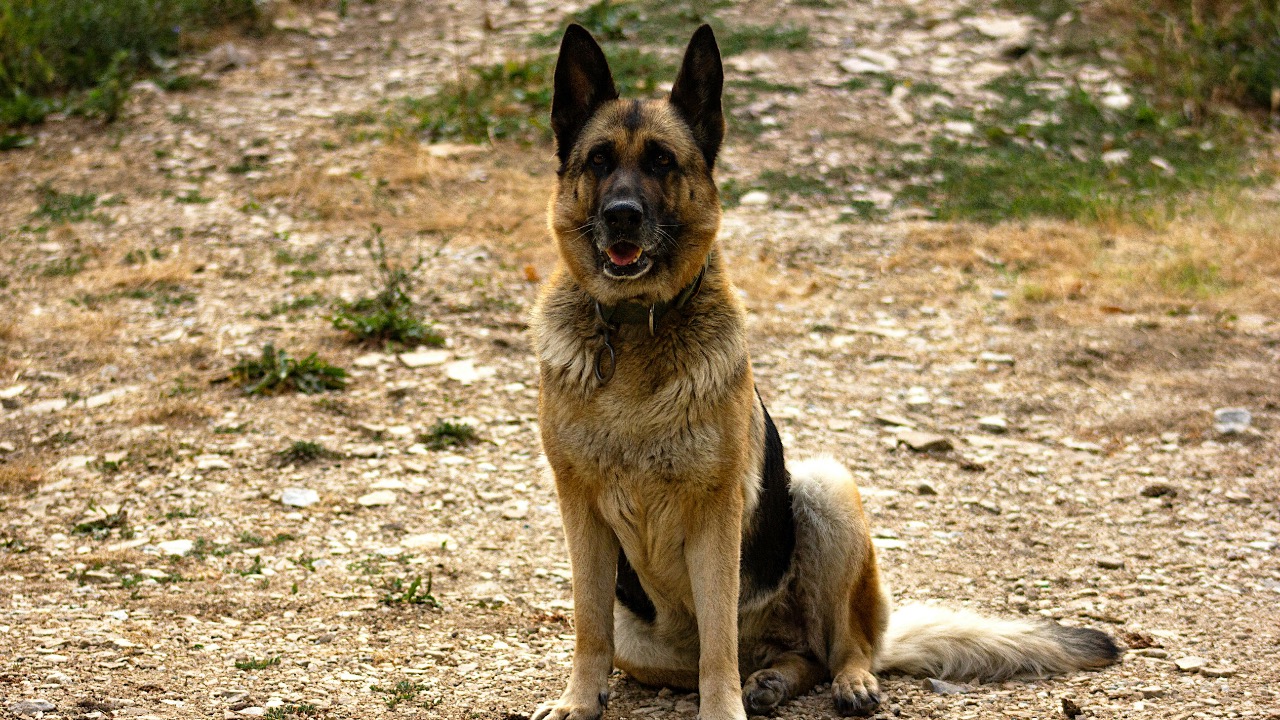
The German Shepherd is frequently described as the gold standard for protection work, trusted worldwide in police, military, and search and rescue roles. That reputation comes from a rare combination of power, athleticism, and a steady temperament that responds well to structured training. These dogs are usually intensely loyal to one family and naturally suspicious of unfamiliar people at the door.
Guides to family protection dogs highlight the German Shepherd as intelligent, highly trainable, and eager to work closely with a handler, which makes them adaptable to both apartment life and larger properties when exercise needs are met. Another detailed overview of German Shepherd traits notes their strong protective instinct and capacity to learn complex commands quickly, which is critical for safe home guarding.
Rottweiler
Few silhouettes at a front gate are as unmistakable as the Rottweiler. A modern profile of the Rottweiler describes a compact but extremely muscular dog with a calm, confident demeanor. Historically used to drive cattle and pull carts, the breed evolved into a natural guardian of property and person, with a deep bark that carries through walls and yards.
Training guides emphasize that Rottweilers combine strong territorial instincts with notable intelligence and a desire to stay near their owners. Another reference on Rottweiler behavior stresses their need for consistent leadership from an experienced handler so that natural protectiveness stays controlled and predictable around visitors, delivery drivers, and other animals.
Doberman Pinscher
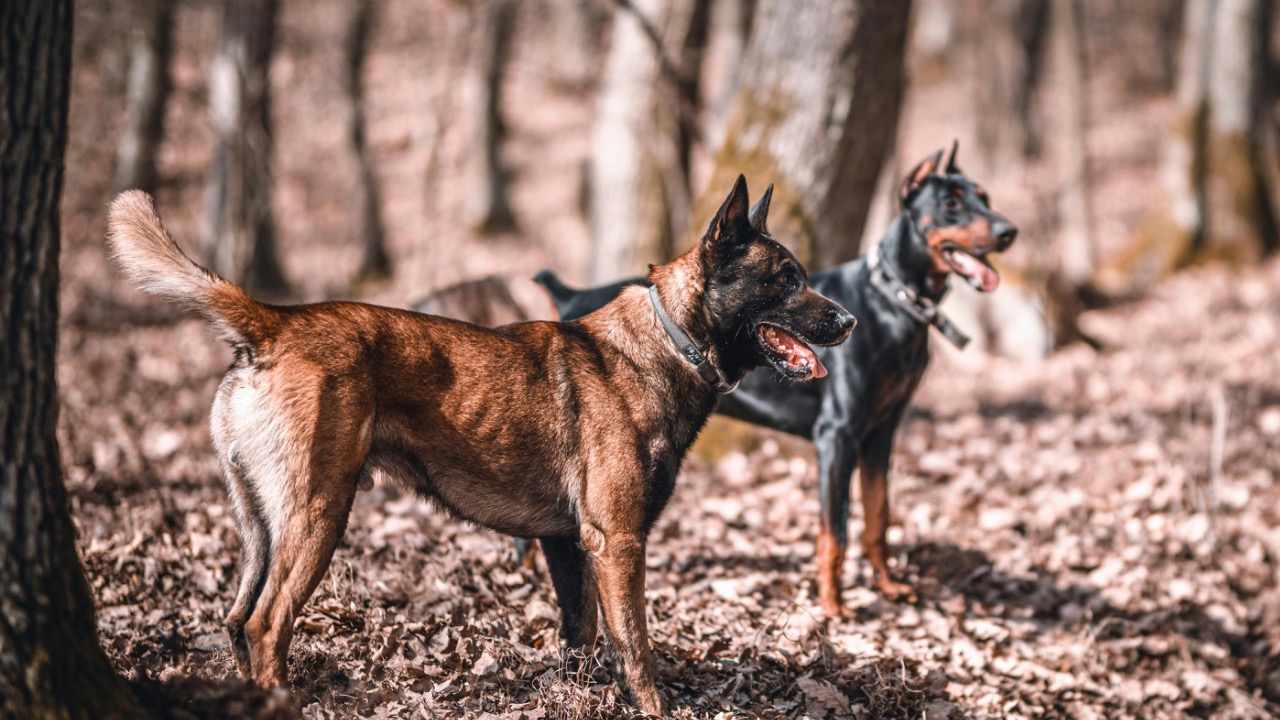
The sleek, athletic Doberman Pinscher was developed specifically for personal protection, and that purpose still shapes the breed. Modern descriptions of the Doberman Pinscher highlight their speed, agility, and close bonding with a primary caregiver. Many security professionals value Dobermans for their quick reactions and strong drive to stay between their family and any perceived threat.
Training-focused sources describe Dobermans as highly responsive to obedience work, with a strong need for mental stimulation and clear boundaries from puppyhood. With that structure in place, they often act as alert watchdogs who can distinguish between normal neighborhood activity and genuine concern at the fence or front step.
Bullmastiff
The Bullmastiff is often called a gentle giant in family settings, yet its history is rooted in guarding English estates against poachers. Breed histories explain that the Bullmastiff was developed by crossing Mastiffs and Bulldogs to create a dog powerful enough to tackle a grown intruder but steady enough to work under control at a handler’s side.
Modern behavior profiles describe Bullmastiffs as affectionate with family, including children, but naturally wary of strangers on their territory. Veterinary commentary on the biggest and strongest notes that Bullmastiffs can weigh around 150 pounds, which by itself acts as a deterrent at a front door or yard gate. Their low to moderate energy level also suits households that want presence and protection without a high-intensity working dog.
Belgian Malinois
The Belgian Malinois has become a favorite in elite military and police units, which has raised its profile as a home protector. Overviews of the Belgian Malinois describe a lean, athletic dog with very high drive and a strong work ethic. These dogs are often used in detection, tracking, and personal protection because they combine intense focus with agility.
Protection training specialists consistently warn that Malinois are not casual pets. A second profile of the Malinois temperament highlights their need for extensive daily exercise and structured jobs to prevent frustration. In the right hands, however, their alertness and responsiveness make them exceptional guardians for active households that understand working breeds.
Cane Corso
The Cane Corso is an Italian mastiff-type dog that was historically used for farm guarding and big game hunting. Breed references describe the Cane Corso as large, muscular, and imposing, with a broad head and confident posture that discourages trespassers before they reach the door.
Lists of guard dog breeds note that the Cane Corso was originally bred to herd livestock and guard property, and that modern lines retain a strong instinct to patrol fences and entry points. A detailed guide to guard dog types points out that Corso owners need to prioritize early socialization and obedience so that this bravery and territorial drive stays manageable in busy neighborhoods.
Akita
The Akita is a powerful spitz breed from Japan, originally used for hunting large game and later as a family guardian. A detailed care guide notes that the Akita comes from and has a dignified, sometimes aloof personality with strangers. That reserve, combined with a deep loyalty to household members, often translates into strong protective behavior around the home.
Video explainers on protective breeds emphasize that Akitas are known for courage, loyalty, and territorial nature, forming intense bonds with their families. Trainers often recommend experienced ownership because Akitas can be independent thinkers who benefit from firm, consistent rules and careful introductions to new people and animals.
Giant Schnauzer
The Giant Schnauzer scales up the familiar bearded face of the miniature version into a serious working dog. Breed descriptions of the Giant Schnauzer describe a powerful, energetic dog originally developed to drive cattle and guard breweries and farms in Europe. That history left them with a strong sense of territory and a natural inclination to patrol.
Modern protection work guides often list Giant Schnauzers alongside German Shepherds and Malinois as suitable for advanced training. A second overview of the Giant Schnauzer build highlights their need for significant exercise and mental tasks, which can include structured guard work or sports such as Schutzhund and obedience trials.
Rhodesian Ridgeback
The Rhodesian Ridgeback was developed in southern Africa to track lions and protect homesteads, a background that still shapes its temperament. Descriptions of the Rhodesian Ridgeback emphasize a strong, athletic frame and a distinctive ridge of hair along the back that grows in the opposite direction from the rest of the coat.
Modern breed guides characterize Ridgebacks as reserved with strangers but deeply affectionate with family, including children when raised together. Another profile of the Ridgeback temperament notes their strong prey drive and independent streak, which means consistent training and secure fencing are essential when they are used as home guardians.
Tibetan Mastiff
The Tibetan Mastiff is one of the classic livestock guardians, traditionally used to protect flocks and remote homesteads in the Himalayas. Breed histories describe the Tibetan Mastiff as large, heavily coated, and imposing, with a booming bark that carries long distances. Their independent mindset reflects centuries of working at a distance from humans while making their own decisions about threats.
Coverage of protective breeds notes that Tibetan Mastiffs can be intensely territorial around home and yard, which provides strong deterrence but also demands secure boundaries and knowledgeable handling. A second reference on the Tibetan Mastiff build highlights their sheer size and strength, traits that appeal to owners who want a guardian that relies as much on presence and warning as on physical intervention.
Choosing the right guardian for a home
Across these breeds, several themes repeat: strong bonding with family, territorial instincts around the property, and a high capacity for training. Expert lists of top protective dogs stress that these strengths can become liabilities without early socialization, clear rules, and regular outlets for energy. Many trainers recommend pairing a physical security system such as cameras or alarms with a dog, so that the animal’s role centers on deterrence and early warning rather than physical confrontation.

Leo’s been tracking game and tuning gear since he could stand upright. He’s sharp, driven, and knows how to keep things running when conditions turn.