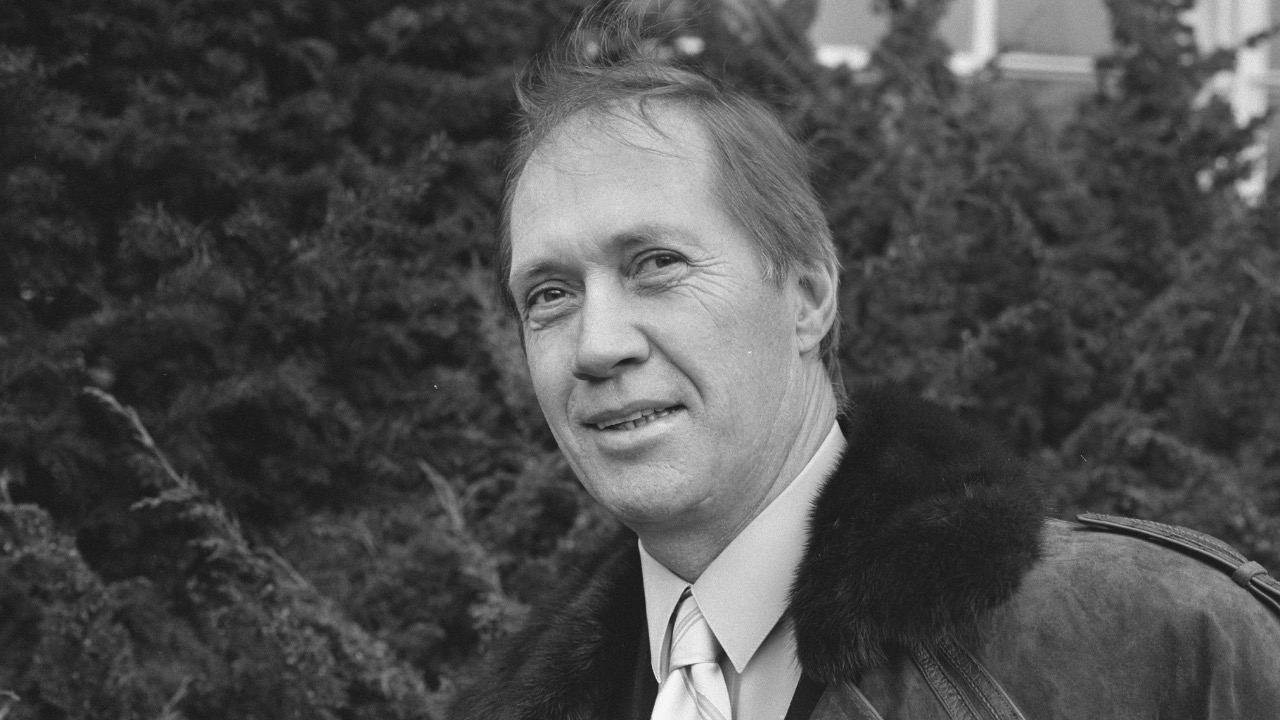
David Carradine’s life of Hollywood fame ended in controversy and unanswered questions
David Carradine spent more than half a century on screens large and small, evolving from a 1970s television icon to a cult film star with a late career comeback. His work helped bring martial arts stories and Eastern spirituality into American living rooms, and his last major role introduced him to a new generation. Yet his life of Hollywood fame ended in a Bangkok hotel room, in circumstances that stunned his family, puzzled investigators and left lasting questions about how and why he died.
Official findings pointed to accidental asphyxiation linked to a solitary sexual practice, while relatives and friends publicly rejected the idea that Carradine would have orchestrated his own death that way. The gap between those accounts has turned his final hours into one of modern entertainment’s most debated tragedies, even as his influence as an actor and cultural figure continues to grow.
From acting dynasty to breakout star
David Carradine, born John Arthur Carradine Jr., came from a family already deeply woven into Hollywood history. He was the son of character actor John Carradine and part of the broader Carradine clan that included brothers who also worked across film and television. Biographical overviews of David Carradine describe a performer who grew up surrounded by sets, scripts and the uneven rhythms of an actor’s life, yet still had to carve out his own identity in a crowded field.
Under his birth name, John Arthur Carradine Jr., he tried music and visual art before fully committing to acting. Early work in theater and low budget films built a foundation, but television ultimately turned him into a household name. The family connection helped open doors, yet the roles he chose and the risks he took with unconventional projects quickly set him apart from his relatives.
Accounts of the Carradine dynasty describe how multiple siblings, including David and Keith, appeared together on screen and stage, creating a public image of a creative but complicated brood. Tributes to the family emphasize that Carradine was not simply another legacy hire. He became the most recognizable face of the name, a status that would later deepen the shock when his death in 2009 became international news.
Kwai Chang Caine and a new kind of TV hero
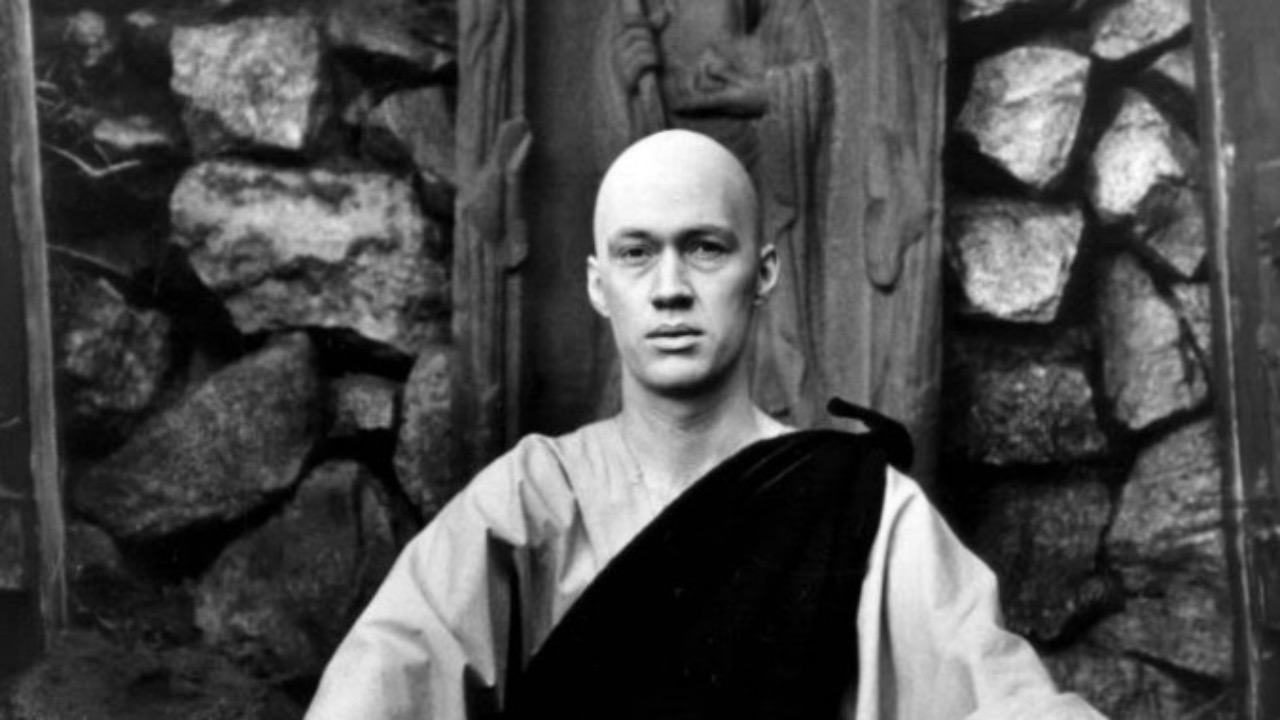
Carradine’s defining early role arrived with the series “Kung Fu,” in which he played Kwai Chang Caine, a Shaolin monk who wanders the American West. Commentaries on his career describe how “Kung Fu” ran through the early 1970s and presented a quiet, introspective protagonist who relied on martial arts skill and philosophical reflection rather than the gunplay that dominated other Westerns. The character of Kwai Chang Caine became a touchstone for viewers who had never seen Eastern philosophy framed as prime time entertainment.
The episodes introduced American audiences to stylized depictions of Shaolin training, meditation and concepts like karma and restraint. Carradine’s performance leaned on stillness and a deliberate speaking style, which contrasted sharply with the swaggering action leads of the era. The show’s structure, with flashbacks to Caine’s temple education, allowed Carradine to move between stoic adult scenes and reflective sequences with younger actors portraying his past.
“Kung Fu” turned Carradine into a global star and cemented his association with martial arts storytelling, even though he did not come from a traditional combat sports background. That association followed him into later decades, sometimes limiting casting options, but it also gave him a unique position as Hollywood’s go to figure for roles that mixed fighting, mysticism and outsider charisma.
A restless, eclectic film career
After “Kung Fu,” Carradine pursued a filmography that ranged from exploitation fare to collaborations with some of cinema’s most respected directors. Biographical entries on David Carradine’s film highlight early collaborations with Martin Scorsese on “Boxcar Bertha” and with Ingmar Bergman on “The Serpent’s Egg,” projects that signaled his interest in challenging material rather than safe studio vehicles.
He alternated those prestige projects with grindhouse style films and genre pieces, from revenge thrillers to science fiction. This pattern reflected both the realities of an actor supporting himself between high profile jobs and a taste for roles that sat outside the mainstream. Commentaries on his career describe him as a performer who could be the lead in one film, the eccentric supporting presence in the next and a near cameo in a third, all within a short span of time.
Alongside screen work, Carradine continued to pursue music and stage performances. He recorded albums, played instruments and occasionally toured, building a small but loyal following among fans who appreciated his offbeat style. These side projects reinforced his image as an unconventional Hollywood figure, someone more interested in staying busy and curious than in carefully curating a brand.
Kill Bill and a late career resurgence
By the early 2000s, Carradine’s mainstream profile had dimmed, even as he remained prolific in independent and direct to video work. That changed when Quentin Tarantino cast him as the title character in the two part “Kill Bill” saga. In those films he played Bill, the soft spoken yet lethal leader of an assassination squad, whose complicated relationship with the protagonist drives the story.
Retrospectives on his career describe the “Kill Bill” performance as a late career revelation. Carradine brought a mix of menace, paternal warmth and philosophical rambling to Bill, echoing some of the spiritual cadence of Kwai Chang Caine but channeling it into a morally darker figure. The role reminded audiences of his ability to command the screen with minimal movement and extended dialogue, and it introduced him to viewers who had not grown up with “Kung Fu.”
The resurgence led to new offers and renewed media attention. Interviews from the period show Carradine reflecting on the cyclical nature of fame and the satisfaction of being rediscovered after decades in the industry. For a time, it appeared that he had successfully transitioned from 1970s television relic to elder statesman of cult cinema, with a mix of nostalgia and fresh relevance.
Private struggles and a complicated personal life
Behind the work, Carradine’s personal life was marked by turbulence. Profiles of Carradine describe a man who struggled with substance abuse, cycled through multiple marriages and often clashed with the expectations of a conventional Hollywood lifestyle. Friends and family have spoken about his restless energy and attraction to risk, traits that could fuel creative choices but also personal chaos.
A memoir by one of his former partners, discussed in coverage of a book about Carradine, portrayed aspects of their relationship that included unconventional sexual practices and allegations of disturbing behavior within his family history. The author described experimenting with breath restriction during intimacy, then abandoning it because she “liked having oxygen” in her brain, a detail that would later take on grim resonance after his death.
Accounts of his life also reference legal disputes, financial ups and downs and periods of estrangement from relatives. Even critical voices, however, often acknowledged his kindness and generosity in certain contexts, describing a man who could be both charming and infuriating, deeply spiritual and self sabotaging, sometimes within the same day.
The Bangkok trip and final days
In early June 2009, Carradine traveled to Bangkok to work on a film project. Reports from hotel staff at the Nai Lert Park property described him as upbeat and sociable in his final public appearances. One employee told Reuters Carradineseemed “very happy” and “always smiling” when last seen alive, an observation that would later be cited by those who doubted he intended to harm himself.
He was in the city to shoot a low budget movie, part of the steady stream of international projects that had kept him working between higher profile roles. Accounts of his schedule indicate that he attended a dinner with colleagues and returned to his room afterward. There were no public reports of arguments, threats or obvious signs of distress in the hours before he died.
The next day, a member of the hotel staff discovered his body in a closet in his suite. That discovery set off a cascade of local and international reporting, with Thai authorities quickly confirming that the deceased guest was the 72 year old star known to millions from “Kung Fu” and “Kill Bill.” Initial speculation focused on suicide, given the position of the body, but details that emerged over the following days complicated that narrative.
What investigators found in the hotel room
Early police statements from Bangkok described Carradine’s body as being found with a rope tied to a bar in the closet and another section of rope around his neck. Subsequent reporting added that there was also a binding around his genitals, and that the two cords were connected. A detailed account of the scene, citing a Thai Police Lt. Gen., stated that he had a “cord wrapped around his neck and genitals” and that “the two ropes were tied together,” details that were highlighted in later coverage of ABC News accounts of the case.
Thai police said there were no immediate signs of struggle in the room and that no suicide note was found. They initially raised the possibility that he had taken his own life, then began to publicly consider another scenario: accidental suffocation during a sexual practice. Local officers described the death as potentially involving autoerotic asphyxiation, in which a person intentionally restricts oxygen to heighten sexual arousal.
Coverage of the investigation noted that some personal items were found in the room but did not detail any evidence of other people being present at the time of death. Security footage from the hotel reportedly showed Carradine returning alone to his room on the night in question. Those facts, combined with the bindings and lack of a note, pushed authorities toward the hypothesis of an accident rather than intentional self harm.
Official findings: asphyxiation and an “unusual” cause
The Thai medical examiner conducted an initial autopsy and concluded that Carradine died from a lack of oxygen to the brain. Reports from local police described the death as likely caused by accidental suffocation, not suicide, and framed it as an “unusual” case involving a private sexual act. A summary of early coverage stated that David Carradine’s death, with officers emphasizing that the configuration of ropes suggested self binding rather than an attack.
Because of the high profile nature of the case and the family’s concerns, relatives arranged for a second, private autopsy in the United States. That examination was overseen by forensic pathologist Dr. Michael Baden, who reviewed the body and available evidence. He concluded that Carradine died of asphyxiation and said the position of the ligatures allowed him to rule out suicide, a finding summarized in multiple reports that stated David Carradine died and that self inflicted hanging was not supported by the physical evidence.
Authorities in Thailand ultimately classified the case as an accidental death linked to autoerotic asphyxiation. A later summary of the case noted that Authorities ruled that in a solitary sexual practice, even as the family publicly questioned that conclusion. For official records, however, the manner of death was treated as accidental, not homicide and not suicide.
Family pushback and murder suspicions
From the moment details of the bindings appeared in the press, Carradine’s relatives expressed disbelief that he would have engineered his own death through such a practice. Statements from his management and family members described him as excited about work and future projects, and they rejected the idea that he had taken his own life. They were equally skeptical of the notion that he had been engaged in autoerotic asphyxiation alone in a hotel closet.
Coverage of a memoir by one of his ex wives reported that she and other relatives suspected foul play, with some pointing to past threats and Carradine’s interest in exposing alleged criminal behavior. The book’s author suggested that the details of the death “just do not fit” with what she knew of his habits, and she raised the possibility that someone else had either staged the scene or participated in the events leading to his asphyxiation.
The family’s concerns were serious enough that they hired Dr. Michael Baden to conduct the independent autopsy, and they also explored legal options in the United States. Reports on their response mentioned potential wrongful death claims and contractual disputes linked to his ongoing projects. Yet despite their public insistence that something more sinister had occurred, no law enforcement agency formally reclassified the case as a homicide.
Autoerotic asphyxiation and media ethics
The circumstances of Carradine’s death drew attention to autoerotic asphyxiation, a practice in which a person intentionally restricts oxygen during sexual activity in an attempt to intensify pleasure. A media analysis by Al Tompkinsexplained that such acts can quickly become lethal when misjudged, and that many accidental deaths go unreported or are misclassified because of the stigma and privacy concerns involved.
In Carradine’s case, the combination of celebrity, unusual details and a foreign setting created a perfect storm for sensational coverage. Some outlets published graphic descriptions of the scene and repeated speculation before official findings were complete. Others grappled with how much to reveal about the nature of the practice without encouraging imitation or shaming the deceased.
The debate around coverage raised broader questions about how media organizations handle deaths involving sexuality and unconventional behavior. Advocates for more restrained reporting argued that focusing on lurid details overshadowed Carradine’s long career and reduced him to a punchline. Others contended that acknowledging the reality of autoerotic asphyxiation could help educate the public about its risks and potentially prevent future fatalities.
Conflicting narratives and unanswered questions
Years after Carradine’s death, there is still no single narrative that satisfies all involved. Official documents and medical examinations point toward accidental asphyxiation during a solitary sexual act, with both Thai investigators and independent experts concluding that suicide was unlikely. The classification of the case as an accident is reflected in summaries that describe accidental death by as the formal finding.
At the same time, relatives, former partners and some medical voices have continued to raise doubts. They point to the lack of clear forensic evidence proving that Carradine bound himself in the specific way described, the absence of a documented history of him practicing autoerotic asphyxiation and the possibility that another person could have been present and left before authorities arrived. Some have floated theories involving criminal activity, coercion or a cover up, though none of those claims have been substantiated in court.
The result is a lingering sense of mystery. Public discussions often frame his death as one of entertainment’s enduring unanswered cases, a perception reflected in tributes that describe David Carradine’s own as a subject of dispute between family and medical experts. Without new evidence, those competing interpretations are likely to persist, with the official record on one side and personal conviction on the other.
Impact on the Carradine family and Hollywood
Carradine’s death added another painful chapter to a family already familiar with tragedy and public scrutiny. Commentaries on the clan describe Carradine as part of one of Hollywood’s great acting dynasties, frequently appearing alongside his brothers David and Keith in projects that showcased their shared talent and sometimes their shared demons. The shock of losing its most famous member in such public and controversial circumstances reverberated through the extended family.
Obituaries and tributes from colleagues emphasized his influence on martial arts cinema, independent film and television storytelling. They also acknowledged the contradictions in his life: a man associated with spiritual calm who often battled inner turmoil, an actor capable of disciplined work who sometimes sabotaged his own opportunities. For younger performers, his career became a cautionary tale about the pressures of fame and the risks of unmanaged personal struggles.
Within Hollywood, his death briefly sparked conversations about safety for actors working abroad, mental health support and the need for better understanding of high risk sexual practices. Those discussions faded as the news cycle moved on, yet the case remains a reference point whenever similar incidents involving public figures surface.
Legacy beyond the scandal
Despite the fixation on how he died, Carradine’s artistic legacy remains substantial. Retrospectives on classic cinema and television regularly cite his work as Kwai Chang Caine as a foundational portrayal of a martial arts hero on American screens. Commentators on his life and career argue that contributions to film remain profound, precisely because they spanned so many genres and eras.
Fans and historians point to his willingness to take risks on unusual projects, his distinctive physical presence and his ability to convey both serenity and danger. In martial arts communities, his work on “Kung Fu” and “Kill Bill” continues to inspire homages, parodies and serious analysis, even as debates persist about cultural appropriation and the casting choices of earlier decades.
Tribute pages and fan groups often frame his story as a reminder that public figures can be both celebrated and deeply flawed. One appreciation of his film career described how Tragically, Carradine passed away in 2009 under controversial circumstances, yet his status as a martial arts icon continues to influence performers and fans around the world.

Leo’s been tracking game and tuning gear since he could stand upright. He’s sharp, driven, and knows how to keep things running when conditions turn.