America’s most dangerous animals most people never think about
When people talk about dangerous wildlife in the United States, the conversation usually circles around grizzlies, sharks, and rattlesnakes. Those animals deserve respect, but they aren’t the ones that quietly injure people every year. The real trouble often comes from species most folks overlook—animals you might walk past on a trail, spot in a field, or brush against without a second thought.
If you spend enough time outdoors, you learn quickly that danger doesn’t always come with fangs and a warning rattle. Sometimes it comes with hooves, tiny legs, or a bite you barely feel at first. Knowing which animals actually cause problems helps you avoid bad situations and keep your time outdoors focused on hunting, fishing, and exploring instead of dealing with a painful mistake.
White-tailed Deer

You probably don’t think of deer as dangerous. Hunters spend decades pursuing them, and they usually bolt the moment they sense trouble. But the real danger with deer happens when they meet vehicles.
Across the United States, deer cause hundreds of thousands of crashes every year. A full-grown buck can weigh 200 pounds or more, and when one jumps in front of a truck at highway speed, things go bad fast. You’re far more likely to be injured in a deer collision than by almost any predator in North America. Even on foot, a wounded deer can lash out with sharp hooves that can cut deep. It’s one animal people see constantly yet rarely think of as a real hazard.
Moose
Moose look slow and almost awkward when you first see one, especially if you’ve spent time watching deer. That impression disappears quickly when you’re standing too close to one.
A mature bull can weigh over 1,000 pounds, and even cows with calves are known for aggressive behavior. Unlike deer, moose sometimes stand their ground. When they charge, they kick forward with long, powerful legs that can break bones or worse. Most encounters happen in places like Alaska, Montana, and parts of the northern Rockies where people share trails and roads with them. You don’t need to provoke a moose to get into trouble. Standing in the wrong place at the wrong moment is often enough.
Feral Hog
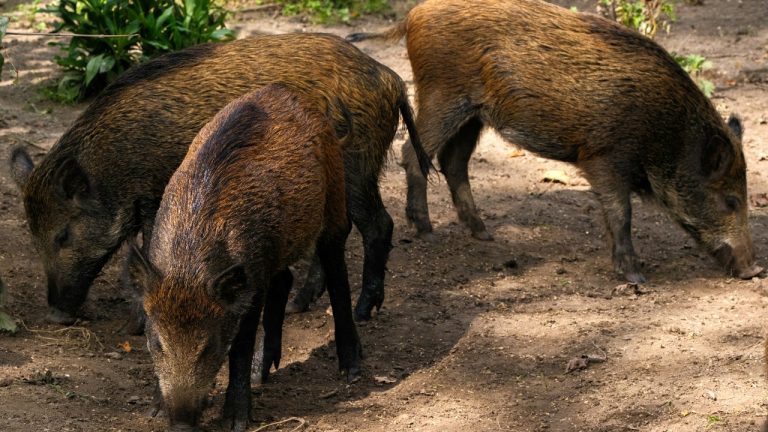
Feral hogs have spread across huge sections of the country, especially throughout the South. Hunters chase them year-round, but plenty of people underestimate how dangerous they can be.
A big boar carries thick shoulders, sharp tusks, and a short temper when cornered. Most hogs run, but wounded animals or sows protecting piglets sometimes charge. Those tusks are built for slashing, and they can open a leg quickly. Farmers and hunters run into these situations more than most hikers do, but it still happens every year. The bigger problem is how common hogs have become. When millions of them roam across several states, sooner or later someone ends up in the wrong place during a bad encounter.
Brown Recluse Spider
The brown recluse isn’t large or flashy. In fact, most people never realize one is nearby until after they’ve been bitten.
These spiders live throughout much of the Midwest and South, often inside barns, garages, sheds, and woodpiles. The bite usually happens when someone reaches into a dark space or pulls on clothing where a spider has settled. What makes them dangerous isn’t aggression—it’s the venom. In some cases it causes serious tissue damage that develops slowly over several days. Many bites start out feeling minor before turning into painful wounds that require medical attention. Outdoorsmen cleaning gear, stacking firewood, or digging through storage are the ones who tend to encounter them most.
Lone Star Tick
Ticks already carry a bad reputation, but the lone star tick deserves special attention. It’s small, common, and spreading into new territory across much of the eastern United States.
These ticks latch onto deer, turkeys, and plenty of other wildlife, which means hunters and hikers run into them constantly. The real concern comes from the diseases and reactions they can trigger. One of the strangest is alpha-gal syndrome, a condition that can cause people to develop an allergy to red meat after a bite. Beyond that, ticks can transmit several illnesses that leave people dealing with fatigue, fever, and long recoveries. The danger isn’t dramatic like a bear attack. It’s quieter, and that’s exactly why so many people underestimate it.
American Bison
Anyone who has spent time around bison in places like Yellowstone quickly realizes how many visitors underestimate them.
A mature bull can weigh close to a ton, and despite that size, they can run much faster than most people expect. Problems usually start when someone tries to get close for photos or walks between animals without realizing it. Bison react quickly when they feel pressured. They’ve tossed people into the air and trampled others who stood too close during the wrong moment. Even experienced outdoorsmen give these animals plenty of room. Their calm appearance hides an animal that can turn explosive if pushed too far.
Elk
Elk carry an impressive rack of antlers and a reputation among hunters as one of North America’s great game animals. What many people forget is how aggressive they can become during the rut.
In the fall, bulls are running on hormones and defending territory. If you wander too close, especially with a dog or during a bugling exchange, a bull might see you as competition. These animals are large, powerful, and capable of moving surprisingly fast through timber and brush. Even cows with calves can charge when they feel threatened. Most encounters end with the elk leaving the area, but when one decides to stand its ground, it’s a situation you want to exit quickly.
Fire Ant
Fire ants don’t look threatening at all. They’re tiny, reddish insects that build low mounds in fields, along trails, and near water.
The trouble starts when you accidentally step into one of those mounds. Within seconds dozens or even hundreds of ants can swarm up your legs. Each one delivers a sharp sting that burns and leaves behind itchy welts. For most people it’s painful but manageable, yet some individuals suffer severe allergic reactions that require medical help. Fire ants have spread across much of the southern United States, and outdoor workers, hunters, and anglers stumble into them regularly. The danger comes from how quickly things escalate after a single misplaced step.
Alligator Snapping Turtle
At first glance, an alligator snapping turtle looks like a piece of old driftwood sitting on the bottom of a river or pond. That disguise works well until someone tries to handle it.
These turtles can weigh well over 100 pounds and carry jaws built for crushing. Fishermen sometimes encounter them while running trotlines or pulling traps, and curious people occasionally try to move them off roads or riverbanks. That’s when mistakes happen. The bite force is strong enough to break bones in fingers or hands. Most injuries occur when someone assumes the animal is slow and harmless. In reality, when that head snaps forward, it moves much faster than you expect.
Javelina
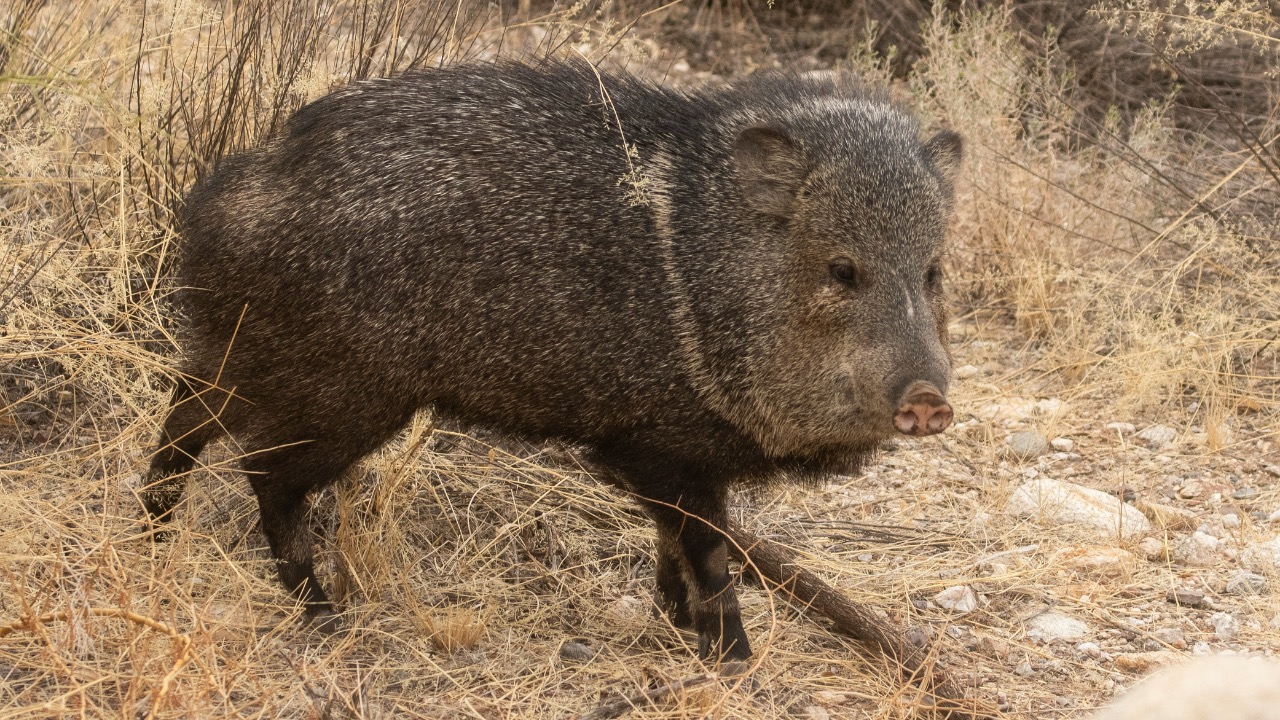
Javelinas roam desert country throughout Arizona, New Mexico, and parts of Texas. They resemble small wild hogs, but they’re actually a different species entirely.
Most of the time they travel in groups called squadrons and keep their distance from people. Problems show up when someone accidentally walks between animals or gets too close to young ones. Javelinas have sharp teeth and a strong defensive instinct. They also have poor eyesight, which means they rely heavily on scent and sudden movement can startle them. Hunters, hikers, and even suburban residents in desert areas occasionally find themselves facing a nervous herd. When that happens, backing away slowly is the smartest move you can make.

Asher was raised in the woods and on the water, and it shows. He’s logged more hours behind a rifle and under a heavy pack than most men twice his age.