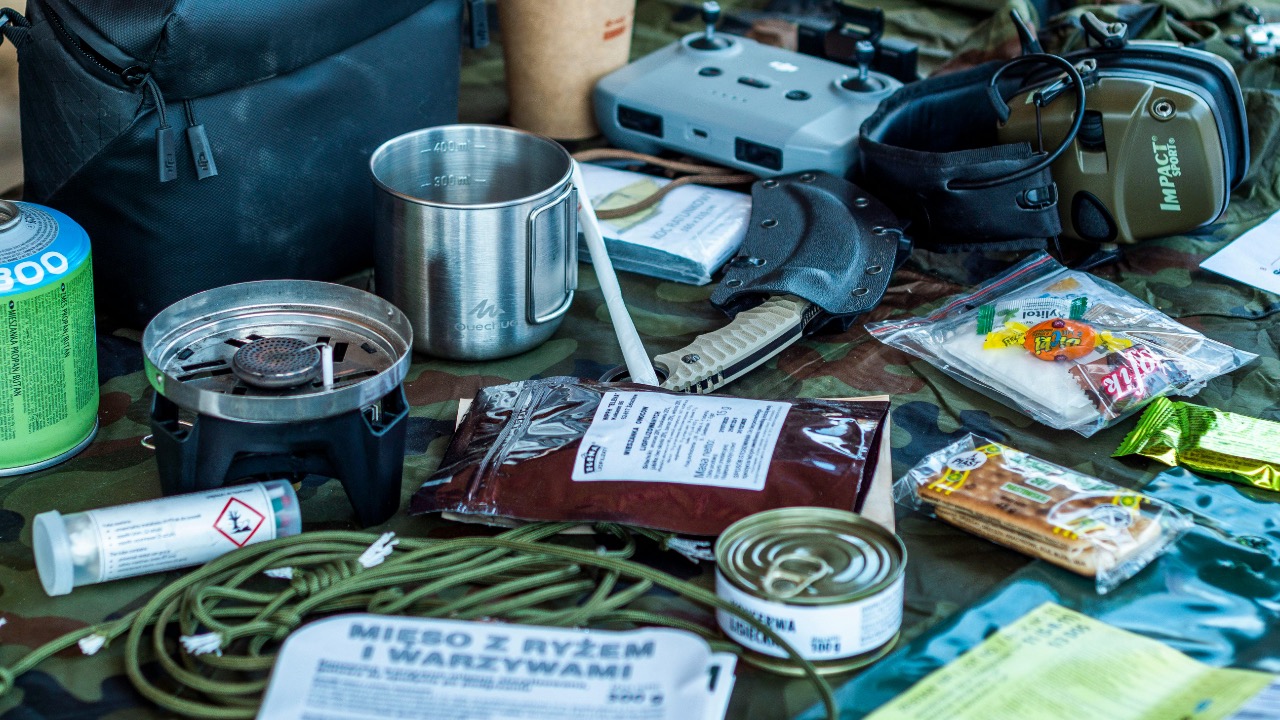
The survival gear many preppers wish they bought sooner
Spend enough time around experienced preppers and you’ll notice a pattern. The gear they talk about most isn’t always the flashy stuff people rush to buy first. Instead, it’s the equipment that quietly proves its value when things actually get difficult. These are the tools that solve everyday problems when power is out, roads are blocked, or supplies run thin.
Many people focus on food storage and weapons early on, which makes sense. But after a few storms, blackouts, or backcountry trips, you start noticing the smaller items that make life far easier when normal systems stop working. The gear below shows up again and again in conversations with people who have spent real time preparing and testing their setups.
Gravity-Fed Water Filter

Clean water is the first problem that shows up during an emergency. Gravity-fed filters solve that issue without needing power, pumping, or complicated setups. Once you fill the upper chamber, gravity does the work while you focus on other tasks.
Preppers who rely on pumps or tablets often end up switching after dealing with slow filtering or bad taste. A gravity system can produce several gallons a day with minimal effort. When you’re supporting more than one person, that steady flow matters. It’s one of those pieces of gear people overlook until they spend a weekend boiling water over a fire and realize there’s a far easier way to handle it.
Rechargeable Headlamp With Long Runtime
Flashlights are common in emergency kits, but headlamps prove far more useful when you actually need to work in the dark. Whether you’re repairing equipment, setting up shelter, or cooking after sunset, having both hands free changes everything.
Preppers often discover this after trying to juggle a flashlight in their teeth while working on something small. A good headlamp with a long runtime keeps light where you’re looking and reduces fatigue during long nights without power. Models that recharge through USB add flexibility because they can run off power banks, solar panels, or vehicle chargers when grid electricity is unavailable.
Wool Blanket
Synthetic sleeping bags get most of the attention in survival discussions, but a heavy wool blanket earns its reputation the moment conditions turn rough. Wool insulates even when damp and stands up to sparks, rough handling, and years of use.
Many preppers pick one up after realizing how versatile it is. It works as bedding, insulation inside shelters, padding for gear transport, or even a makeshift coat around camp. Unlike some technical fabrics, wool doesn’t demand careful treatment. It handles cold nights, damp weather, and hard use without complaint. Once people start using one regularly, it becomes difficult to imagine a preparedness kit without it.
Hand-Crank Emergency Radio
Information becomes valuable when the power goes out for days instead of hours. A hand-crank emergency radio keeps you connected to weather alerts and emergency broadcasts without relying on batteries.
Preppers often buy these after experiencing storms that knock out cellular networks. Being able to monitor conditions and official updates helps you make better decisions about travel, safety, and supply use. Many models also include small USB charging ports, letting you squeeze a little power into a phone or GPS device when everything else is drained. It’s not glamorous equipment, but it can make a real difference during extended outages.
Portable Solar Panel
Power banks store electricity, but eventually they run empty. Portable solar panels give you a way to generate power when the grid stays down longer than expected. Even a small panel can keep essential devices running.
Experienced preppers learn quickly that radios, lights, and communication devices all compete for the same limited battery supply. A folding solar panel lets you recharge power banks during daylight hours and stretch your electronics far longer. They’re especially valuable during summer emergencies when sunlight is abundant. Once people start using them regularly, they often wish they had added solar capability much earlier in their preparedness planning.
Water Storage Containers
Many people store bottled water and assume they’re covered. After a few real emergencies, they realize how quickly that supply disappears. Dedicated water storage containers allow you to hold much larger volumes safely.
Preppers who live through hurricanes or long winter outages often regret not having them sooner. Large containers make it possible to fill up before a storm arrives or store extra water during normal times. They’re durable, stackable, and designed for long-term storage without leaking or degrading. Having a reliable supply already on hand removes one of the biggest sources of stress during the early stages of an emergency.
Two-Burner Camp Stove
Cooking during an emergency becomes difficult fast if you rely only on a backyard grill or an open fire. A compact two-burner camp stove provides controlled heat for boiling water, cooking meals, and sanitizing equipment.
Preppers who start with small backpacking stoves often upgrade once they try feeding a family during a power outage. Two burners allow you to cook more efficiently and manage larger pots. Fuel canisters are easy to store, and the stoves themselves are reliable even after years in storage. When normal kitchen appliances stop working, this type of stove keeps daily routines functioning far more smoothly.
Quality Fixed-Blade Knife
Pocket knives are common, but a strong fixed-blade knife handles tougher work without hesitation. Processing firewood, cutting cordage, preparing food, and building shelter materials all become easier with a sturdy blade.
Preppers often discover this after pushing folding knives beyond their limits. Hinges loosen, locks wear out, and tasks take longer than necessary. A well-made fixed blade removes those concerns and stands up to repeated hard use. It’s a tool you can rely on when equipment fails or conditions become unpredictable. Once people start carrying one regularly, they tend to wonder why they waited so long to add it to their gear.
Collapsible Water Containers
Transporting water becomes a real challenge when your primary source is far from camp or shelter. Collapsible containers solve that problem without taking up permanent storage space.
Preppers who rely only on rigid jugs often struggle when they need to carry multiple gallons over distance. Collapsible containers fold flat when empty but expand to hold large amounts when needed. They’re useful during evacuation, campsite setups, or resupply trips to nearby streams and wells. Because they store easily, many people overlook them early in their preparedness planning. After using them during real situations, they quickly become a permanent part of the kit.
Manual Grain Mill
Food storage is common among preppers, but many forget that grains require processing before they can be used. A manual grain mill turns stored wheat, corn, or other grains into usable flour without electricity.
People who rely on electric kitchen appliances often realize this gap after experimenting with long-term food storage. A hand-powered mill lets you prepare bread, pancakes, or other staples even when the grid stays down. It also expands the range of foods you can store for years without spoilage. For those serious about long-term preparedness, this tool becomes one of the most practical additions to a food storage plan.
Heavy-Duty Tarp
Tarps rarely get much attention when people build preparedness kits, but they solve a long list of problems once conditions turn rough. A strong tarp can become shelter, ground cover, rain catchment, or wind protection.
Preppers who spend time outdoors eventually learn how valuable a durable tarp can be. It deploys quickly, packs small, and handles everything from temporary roofing to gear protection. During storms or emergency repairs, having a reliable waterproof barrier makes work far easier. Many experienced preppers end up carrying more than one because they get used in so many different ways.
Fireproof Document Bag
Important documents often get overlooked in survival planning until someone experiences a house fire or evacuation. Fireproof document bags protect identification, property records, and emergency cash.
Preppers who deal with evacuations often realize how quickly paperwork becomes difficult to recover. Having everything stored in one fire-resistant bag allows you to grab essential documents in seconds. These bags also protect contents during floods or storm damage. While it doesn’t fall into the traditional survival gear category, experienced preppers often say securing important paperwork is one of the smartest preparedness moves they’ve made.

Asher was raised in the woods and on the water, and it shows. He’s logged more hours behind a rifle and under a heavy pack than most men twice his age.