Silsbee residents demand answers over animal disposal controversy at tense city meeting
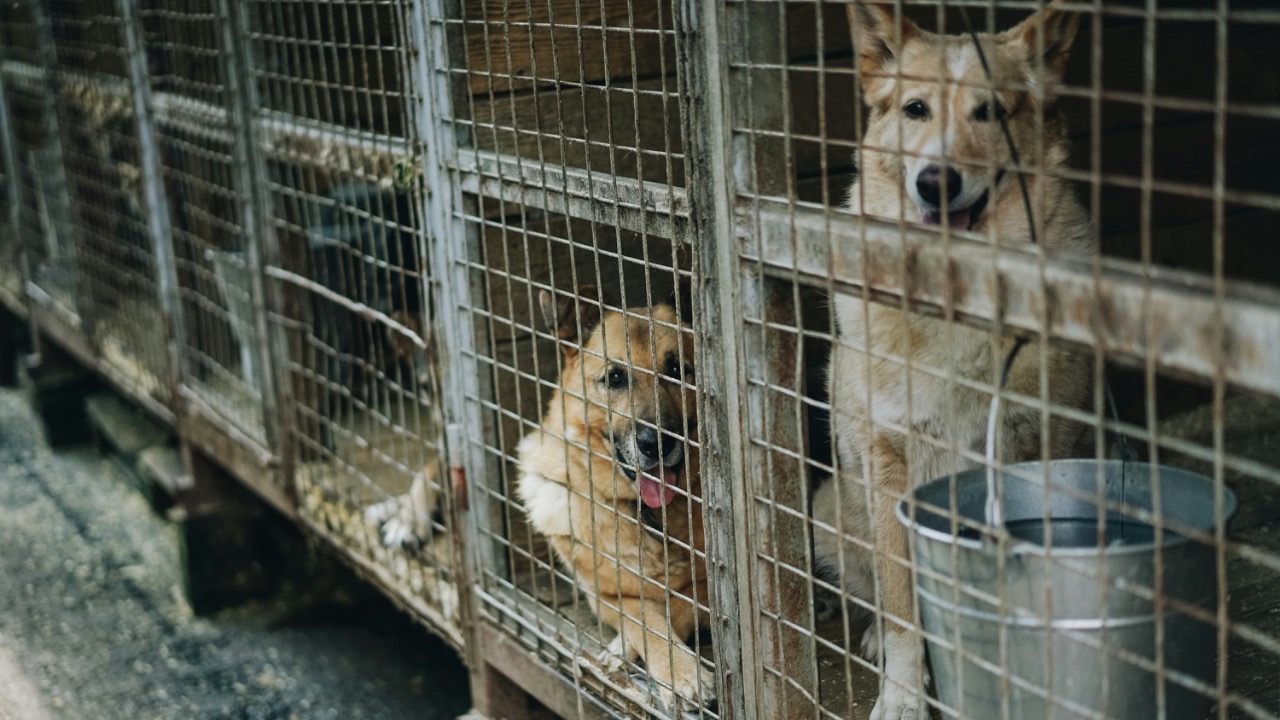
A tense emergency meeting at Silsbee City Hall has turned a local animal control scandal into a full-blown crisis of confidence in city leadership. Residents packed the room to demand answers about how euthanized dogs were handled, why one animal’s body ended up in a creek, and whether officials moved fast enough once the allegations surfaced. The uproar has left Silsbee officials scrambling to restore trust while a criminal case against a former animal control officer moves forward.
The small Texas city at the center of a storm
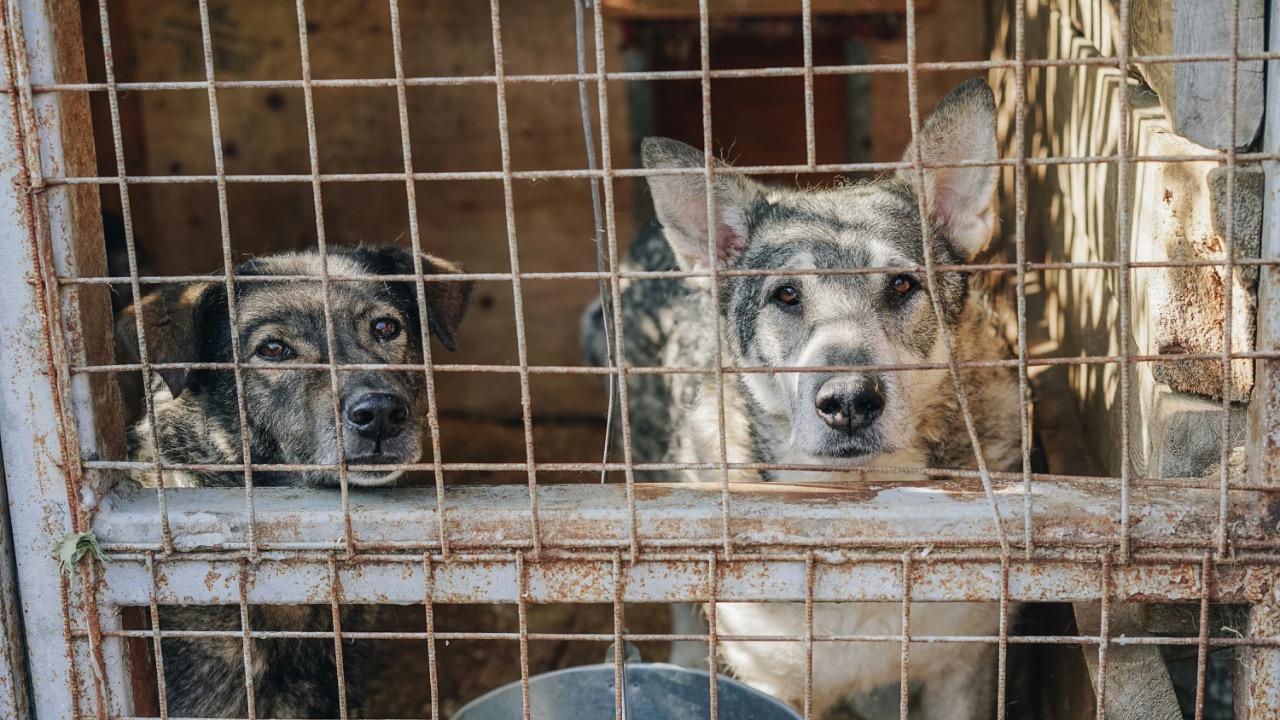
The controversy has put Silsbee, Texas, in an unwelcome spotlight. What began as a local complaint about animal remains has grown into a broader reckoning over how the city treats vulnerable animals and responds to citizen concerns.
Accounts describe an emergency session of the Silsbee City Council at Silsbee City Hall that drew dozens of residents after allegations that euthanized dogs from the city shelter were improperly discarded in nearby waterways and wooded areas. The issue has resonated far beyond animal welfare circles, touching on questions of basic competence, transparency, and respect for the community.
For many in SILSBEE, Texas, the story is no longer just about one officer or one dog. It has become a test of whether city leaders are willing to accept responsibility for what happened on their watch and to change how animal control operates.
How allegations of improper disposal surfaced
The uproar traces back to claims that euthanized dogs from the Silsbee shelter were not being handled in a sanitary or lawful way. According to reports, animal rescuer Michelle Ladner first raised alarms after discovering dog remains in a creek and wooded area and linking them to the city facility. Her allegations that euthanized dogs were dumped instead of being properly disposed of triggered a police investigation into Silsbee’s animal control practices.
Coverage of the scandal describes the improper disposal of euthanized animals by Silsbee’s animal control as a pattern that had allegedly gone on for some time, not a single isolated mistake. The discovery of the remains suggested that dogs from the Silsbee shelter may have been discarded in a canal and other outdoor locations rather than transported to an approved facility.
As the claims circulated, they raised immediate health and environmental concerns, since decaying animal bodies in creeks and wooded areas can contaminate water and attract other animals. They also struck an emotional nerve, especially among residents who had entrusted pets or strays to the city shelter expecting humane treatment even in death.
Arrest of a former animal control officer
Pressure intensified once an animal control officer in Silsbee, Texas, was arrested on charges of improper euthanasia after allegations that dogs had been euthanized and dumped in a nearby canal. The criminal case signaled that authorities believed the conduct went beyond administrative missteps and into potential violations of state law.
Reports state that the former officer is accused of killing dogs from the Silsbee shelter in ways that did not comply with accepted standards and then disposing of their bodies outside authorized channels. The arrest has become a focal point for residents who want accountability not only for the individual but also for any supervisors who might have missed warning signs.
The arrest has also raised difficult questions about oversight. Residents have asked how long the alleged practices continued, whether complaints were ignored, and why it took an outside rescuer’s discovery to bring the issue to light. For critics, the case illustrates what can happen when a small city department operates without consistent scrutiny.
A dead dog at the council meeting
The emotional peak of the controversy came when a dead dog was presented to the Silsbee City Council during the emergency meeting. According to one account, the body was brought into the council chamber as angry citizens spoke out about shelter operations and the treatment of animals in city care.
In one striking moment captured in coverage, a resident told city leaders, “This dog was killed and thrown in our creek in the woods and you sit up here and you say that you don’t know what’s going on here.” The line, shared in a video clip, crystallized the anger and disbelief in the room.
Another report described how the dead dog was used as a visceral symbol of what critics say went wrong inside the Silsbee shelter. The sight of the animal, combined with detailed descriptions of what it allegedly endured, left several council members visibly shaken as they listened to residents describe what they believed the dog went through.
For many in attendance, the presence of the animal’s body turned an abstract policy issue into something impossible to ignore, forcing officials to confront the consequences of failures in real time.
Residents confront Silsbee City Council
The Silsbee City Council meeting quickly shifted from routine business to a raw airing of grievances. Coverage of the night describes council members facing an emotional and angry crowd as residents demanded answers about the city’s animal control practices, the handling of the dog remains, and the timeline of the police investigation.
One account of the meeting, shared on social media, described residents pressing leaders on how such acts could occur without anyone in authority intervening. Some speakers accused city officials of indifference or willful ignorance, while others pleaded for reforms and more humane treatment of animals.
Reports from the council chamber note that Silsbee City Council members listened as residents described increases in stray animal problems and alleged failures in shelter oversight. The atmosphere remained tense as people demanded to know who had authorized current procedures, whether any internal reviews had been conducted, and what steps would be taken next.
At several points, the exchange appeared to widen from animal control into a broader critique of city leadership. Residents questioned whether leaders were in touch with conditions on the ground and whether they could be trusted to police their own departments.
Inside the emergency meeting at Silsbee City Hall
The emergency session at Silsbee City Hall was called after the controversy first became public earlier this month. Reports say the meeting drew a packed crowd, filling seats and leaving people standing along the walls as they waited for a chance to speak.
Coverage of the gathering describes a structured agenda that quickly gave way to emotional public comment. Residents lined up to address the Silsbee City Council, some clutching photos of dogs, others reading prepared statements that accused the city of failing its duty of care.
One report explains that the controversy, first reported the week before the meeting, prompted the emergency session as the investigation into dog remains continued. That same account notes that the city scheduled a follow-up discussion for Monday, March 16, signaling that officials expected the issue to remain on the agenda for some time.
Throughout the evening, city leaders acknowledged the public concern but often cited the ongoing investigation as a reason they could not share specific details. That stance frustrated some attendees, who argued that residents did not need to know every legal detail to receive a clear apology and a commitment to change.
What investigators and advocates say happened
As emotions ran high in the council chamber, investigators continued to piece together what happened behind the scenes. According to one detailed account, Silsbee police are investigating reports that euthanized dogs from the city shelter were dumped in a creek and a canal instead of being properly transported and cremated.
Animal advocates like Michelle Ladner and Carrie Romero have been cited in coverage as key voices pushing for answers. Reports say they documented the condition of recovered remains and pressed officials to acknowledge that the problem extended beyond a single incident.

Leo’s been tracking game and tuning gear since he could stand upright. He’s sharp, driven, and knows how to keep things running when conditions turn.