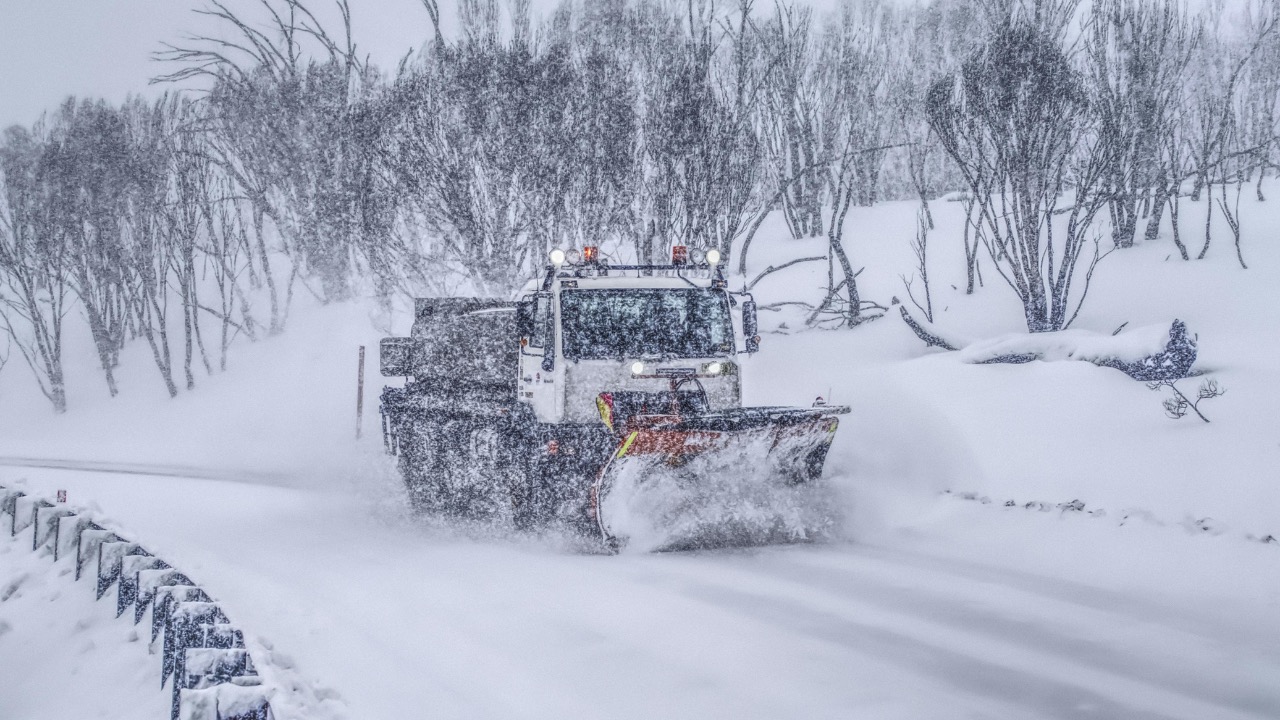
Heavy snow warning issued as totals could approach five feet
Forecasters are warning that a powerful late-season winter storm could drop close to five feet of snow on parts of the Pacific Northwest and the northern tier of states, creating blizzard conditions and shutting down travel across wide areas. The system is already triggering winter storm and blizzard alerts, with meteorologists urging residents to prepare for whiteouts, damaging winds and dangerous cold that will linger through the weekend.
The most extreme snowfall is expected in higher elevations, where totals above 5,000 feet could reach several feet, while lower valleys still face disruptive accumulations, strong gusts and the threat of power outages. From mountain passes in the West to communities still digging out in the Upper Midwest, this storm is shaping up to be one of the defining winter events of the season.
Where the heaviest snow is expected
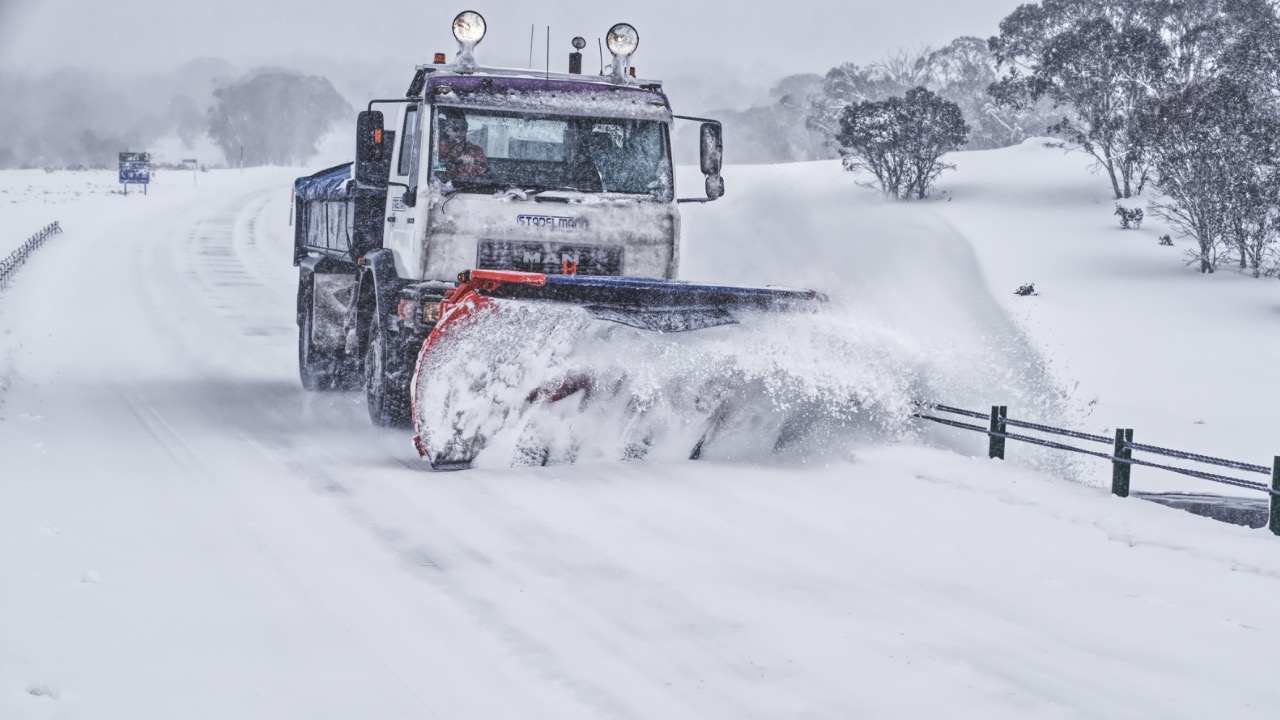
The most intense snowfall is forecast for the high terrain of Washington State, northern inland areas and several neighboring states that sit in the path of the deepening low-pressure system. Meteorologists tracking the storm say that in some mountain locations, storm totals could approach five feet, with the highest risk focused on ridgelines and passes that funnel strong winds through narrow gaps.
Warnings for heavy snow up to 5 feet and strong winds reaching 100 m in some areas have been issued to five states, according to one detailed forecast that described how the storm would sweep from the Pacific ranges into interior high country. That same guidance emphasized that some of the most dangerous conditions will occur in remote backcountry zones where rescue access is limited and where a combination of deep snow and 100 m gusts can quickly turn a routine outing into a survival situation.
In a separate alert, forecasters described winter weather warnings for 5 feet of snow and 65 m winds that would make travel “Considered Hazardous” across a broad corridor of the northern United States. Those warnings make clear that the threat is not limited to a single mountain range or state, but instead extends across multiple regions where heavy snow bands and strong pressure gradients are expected to overlap.
Washington’s mountain corridor in the crosshairs
Within the Northwest, attention is on a string of communities and passes that sit along the spine of the Cascades. A new Winter Storm Warning was issued to include the cities of Stevens Pass, Stehekin and Holden Vil, according to a regional emergency management update that relayed the latest information from The National Weather Service. That warning called for intense snowfall and high winds through the weekend, with particular concern for mountain travel and backcountry access roads.
Stevens Pass is a key route through the central Cascades, and its closure can effectively sever a major east-west connection across the state. The warning area also covers the remote community of Stevens Pass area, where ski operations, mountain cabins and highway crews will all be contending with rapidly deteriorating conditions once snowfall rates ramp up.
Farther north and deeper into the mountains, the community of Stehekin sits at the head of a long lake, accessible only by boat, foot, air or seasonal roads. A Winter Storm Warning that includes Stehekin and Holden Vil signals that even these isolated locations are bracing for heavy snow and strong winds, which can complicate supply deliveries and emergency response.
Forecasters involved in the same briefing stressed that “Total snow accumulations between three and eight inches in the lower elevations and two to five feet of snow above 5,000 feet” are expected in the broader region. That specific projection, which cited 5,000 feet as the key elevation threshold, highlights the sharp gradient that will separate disruptive but manageable valley snow from potentially crippling mountain totals.
How much snow and wind residents should expect
Across the warning zone, the range of expected snowfall is wide, but the upper bound is striking. In higher terrain where upslope flow and colder air overlap, meteorologists are calling for two to five feet of snow above 5,000 feet, with localized amounts that could reach or slightly exceed five feet where bands stall. At lower elevations, many communities are forecast to see three to eight inches, enough to snarl traffic and require repeated plowing.
Wind is an equally serious concern. In some of the strongest parts of the storm, forecasts describe winds reaching 100 m, a speed that can topple trees, bring down power lines and create drifts that bury vehicles and structures. Even outside those extreme pockets, warnings for 5 feet of snow and 65 m winds emphasize that sustained gusts will be strong enough to create ground blizzards and near-zero visibility on open stretches of road.
Elsewhere, a Winter Storm Warning issued as over 5 feet of snow and 80 m winds emerge illustrates how this pattern is repeating across multiple systems in March. In that case, The National Weather Service is calling for another major snow event, with 80 m gusts combining with deep powder to create life-threatening conditions for anyone caught on exposed ridges or highways during the height of the storm.
Blizzard conditions and whiteout risk
With snowfall rates forecast to exceed one inch per hour, and in some periods reach 2 to 3 inches per hour, visibility will drop rapidly when the heaviest bands move through. A detailed impact briefing from meteorologists in the Upper Peninsula described “Impacts” that include “Whiteouts with near zero visibility” and snowfall rates over 1 inch per hour, with 2 to 3 inches per hour possible during peak intensity. Those same dynamics are now being flagged across the broader warning area, particularly in open country and along ridgelines.
Blizzard criteria do not depend solely on snowfall totals, but on a combination of wind and visibility. Forecasts circulating among emergency managers refer to “Blizzard” conditions in parts of the storm track, with sustained winds and gusts strong enough to keep snow airborne and visibility at or near zero for extended periods. In some of the more exposed passes and plateaus, drivers could find themselves unable to see beyond the hood of their vehicles, even during daylight hours.
These whiteout conditions are especially dangerous because they can develop quickly and leave little margin for error. A driver who sets out in light snow can suddenly encounter a wall of blowing snow, lose track of lane markings and inadvertently drift into oncoming traffic or off the roadway. For backcountry travelers, whiteouts can erase landmarks and make navigation nearly impossible, raising the risk of becoming lost or disoriented in deep snow.
Warnings to “Delay All Travel”
As forecasts have sharpened, meteorologists have moved from cautionary language to direct instructions. One widely shared alert, described as a Heavy Snow Warning Announced as 5 Feet Approaches, included the blunt guidance “Delay All Travel.” That warning, which was highlighted by Andrew in a report that focused on the risk to mountain communities, urged residents and visitors to stay off the roads during the worst of the storm.
Another related advisory, framed around Heavy Snow Warning Announced and Feet Approaches with the same “Delay All Travel” phrase, reinforced the message that discretionary trips should be postponed. The repetition of that wording across multiple channels reflects a consensus among forecasters that conditions will be too dangerous for routine driving, especially in areas where plows struggle to keep up with intense snowfall rates.
Even where full travel bans are not in place, winter weather warnings for 5 feet of snow and 65 m winds have stressed that travel is “Considered Hazardous.” That phrase carries specific weight in weather communications, signaling that while roads might not be formally closed, anyone who chooses to drive is assuming significant risk. For many residents, the practical implication is that they should stock up on essentials and plan to stay put until accumulations taper and winds ease.
Washington, Idaho and the wider West
The core of the current heavy snow warning is centered on the interior Northwest, but the impacts will spill across state lines. In addition to the focus on Holden Vil and other mountain communities, forecasters are tracking how the storm will evolve as it moves east into the northern Rockies and adjacent high plains.
One of the states bracing for significant snow and wind is Idaho, which sits directly downstream from the Cascades and often experiences heavy snow when Pacific systems deepen over the interior. Mountain passes that connect Idaho to neighboring states can become treacherous quickly, with blowing snow, ice and limited visibility combining to produce long closures and stranded vehicles.
Farther north and east, forecasters are also watching parts of Montana, where similar patterns can yield heavy upslope snow on the eastern slopes of the Rockies. While the exact track of the low will determine how much snow falls on each side of the Continental Divide, the combination of deep moisture and Arctic air suggests that at least some Montana communities could see disruptive totals and strong winds tied to this broader storm cycle.
In addition to these interior states, forecasters have also flagged more unusual locations where winter alerts are in effect this month, including high elevations in Hawaii where summits can receive snow despite tropical surroundings. While those accumulations are not connected directly to the current five-foot threat in the Northwest, they highlight how active and wide-ranging late-season winter weather has been across the country.
Upper Midwest still digging out
Even as the West braces for another round of heavy snow, parts of the Upper Midwest are still dealing with the aftermath of a major March storm. Minnesota digs out from a major March snowstorm, with Live updates describing how communities have transitioned to cleanup and recovery. Schools have shifted to E learning in some districts, and plow crews are working extended shifts to clear residential streets and rural highways.
The same storm system, or a closely linked pattern, produced what forecasters described as a “Historic March Winter Storm” that is set to slam the Upper Midwest. Parts of Wisconsin could get 20 to 30 inches of snow, with locally higher amounts possible, according to a blizzard warning that also highlighted the risk to shovelers. The Weather Service warned that heavy, wet snow would be difficult to clear and could pose health risks for people with heart conditions or limited mobility.
In addition to Minnesota and Parts of Wisconsin, forecasters have pointed to impacts in Upper Michigan, where lake-effect snow can amplify totals behind large synoptic storms. Communities along the Lake Superior shoreline are accustomed to heavy snow, but the combination of strong winds and deep accumulations in March has still tested infrastructure and budgets after a long winter season.
Comparisons to other recent extreme storms
The current warnings for up to five feet of snow fit into a broader pattern of intense winter storms that have affected the United States since the start of the year. Earlier this season, a Winter Storm Warning issued as over 5 feet of snow and 80 m winds emerge highlighted how repeated systems have delivered both deep snow and damaging gusts to mountain regions. That event, like the one now unfolding, prompted The National Weather Service to call for another major snow event with serious travel and safety implications.
Another recent alert described winter weather warnings for 5 feet of snow and 65 m winds, with travel “Considered Hazardous.” That combination of deep accumulations and strong winds has become a recurring theme, particularly in high-elevation corridors where topography can funnel and intensify gusts. For residents and local officials, the repetition of such events within a single season raises questions about how to maintain roads, power infrastructure and emergency services when storms arrive in rapid succession.
In some cases, the messaging has been so stark that it has cut through the usual noise of winter advisories. An earlier warning framed as Heavy Snow Warning As up to 5 Feet To Hit, with “Delay All Travel” language attached, drew attention for its clarity and urgency. That alert also referenced Error NaN and Warnings for heavy snow, a reminder that even technical glitches in data feeds can occur when systems are under heavy load during major weather events, though the underlying forecast message remained consistent.
Impacts on transportation and power
Transportation networks are often the first to feel the storm’s full force. In the current event, warnings that include Stevens Pass, Stehekin and Holden Vil have already prompted discussions about preemptive closures to keep drivers off mountain roads during peak snowfall. For long-haul truckers, the closure of a single pass can require detours of hundreds of miles, while for local residents, it can sever access to medical appointments, work and school.
Air travel is also at risk. In regions where forecasts call for 2 to 5 feet of snow above 5,000 feet and strong winds, airports that sit in mountain valleys can experience low visibility, drifting snow and crosswinds that make takeoffs and landings difficult or impossible. Even when runways remain open, delays and cancellations at hub airports can ripple through the system, stranding passengers far from the storm itself.
Power infrastructure faces a different but equally serious set of challenges. Heavy, wet snow can cling to branches and lines, while 100 m gusts can snap trees and poles. Utilities in the affected states are already staging crews and equipment in anticipation of outages, drawing on experience from previous storms that produced widespread blackouts. In rural areas, especially near remote communities like Stehekin and Holden Vil, restoring power can take longer because of limited access and the need to clear downed trees from narrow roads.
How communities are preparing
Local governments, emergency managers and residents across the warning area are moving quickly to prepare for the storm’s arrival. In the Northwest, county emergency management offices have been sharing updates from The National Weather Service, including the expanded Winter Storm Warning that covers Stevens Pass, Stehekin and Holden Vil. Those updates encourage residents to secure loose outdoor items, check emergency kits and plan for the possibility of being homebound for several days.
Schools and universities are weighing whether to shift classes online or cancel altogether, drawing on the experience of Minnesota, where Live updates described how districts moved to E learning in response to the major March blizzard. Employers in the path of the current storm are similarly encouraging remote work where possible, in order to reduce the number of people on the roads during the most hazardous periods.
In many communities, volunteer groups and neighbors are organizing to check on older residents and those with limited mobility. Deep snow and icy sidewalks can be especially dangerous for people who rely on walkers or wheelchairs, and who may struggle to get to medical appointments or pharmacies. Local officials are urging residents to think ahead about prescriptions, fuel for generators and alternative heating sources in case of extended outages.
Guidance for staying safe in a five foot storm
For individuals and families in the warning zones, safety starts with heeding the most direct advice from meteorologists: delay all travel during the height of the storm. When a Heavy Snow Warning Announced as 5 Feet Approaches includes a “Delay All Travel” instruction, that is not simply a suggestion, but a reflection of the extreme conditions forecasters expect. Staying off the roads reduces the risk of crashes and frees up emergency responders to focus on critical incidents.
Those who must travel for essential reasons are urged to prepare thoroughly. That means keeping a full tank of gas, packing blankets, warm clothing, water and nonperishable food, and carrying a charged phone and car charger. Drivers should also have a small shovel, sand or kitty litter for traction and booster cables in case of battery issues. In areas where 5 feet of snow and 65 m winds are forecast, even short trips between nearby towns can become dangerous if visibility suddenly drops.
At home, residents should plan for the possibility of losing power. That includes having flashlights with extra batteries, a battery powered radio, and a way to keep phones charged, such as portable power banks. For those who rely on electric medical equipment, backup plans are essential, whether that means a generator, relocation to a facility with reliable power or coordination with local emergency services. In regions where 100 m gusts are possible, securing outdoor items and trimming weak branches away from structures can also reduce damage.
Why late season storms can be so disruptive
Late-season winter storms often catch communities at a vulnerable moment. By March, many people have mentally shifted toward spring, and some municipalities have already stretched snow removal budgets and crew overtime. When a system arrives with the potential for five feet of snow in the mountains and blizzard conditions in the plains, it can strain resources that are already worn down from earlier events.
Another factor is the nature of the snow itself. In many regions, March storms produce wetter, heavier snow than the powdery accumulations of midwinter. That is why forecasts for Parts of Wisconsin have emphasized the risk to shovelers, warning that 20 to 30 inches of dense snow can be physically taxing to clear and may increase the risk of heart attacks. Similar concerns apply in the current storm, especially in areas where temperatures hover near freezing and snow compacts quickly.

Leo’s been tracking game and tuning gear since he could stand upright. He’s sharp, driven, and knows how to keep things running when conditions turn.