The practical reasons many shooters still trust simple firearms
Spend enough time around serious shooters and you’ll notice a pattern. The guns they rely on most aren’t always the newest, lightest, or most feature-packed. They’re the ones that keep working without drama. Simpler firearms have stuck around for a reason, and it isn’t nostalgia. It’s experience. When you’ve dealt with bad weather, long days, or gear that didn’t hold up, you start to value things that don’t demand attention. These guns aren’t exciting on paper, but they earn trust the hard way—by doing their job every time you need them to.
Fewer Failure Points Under Stress
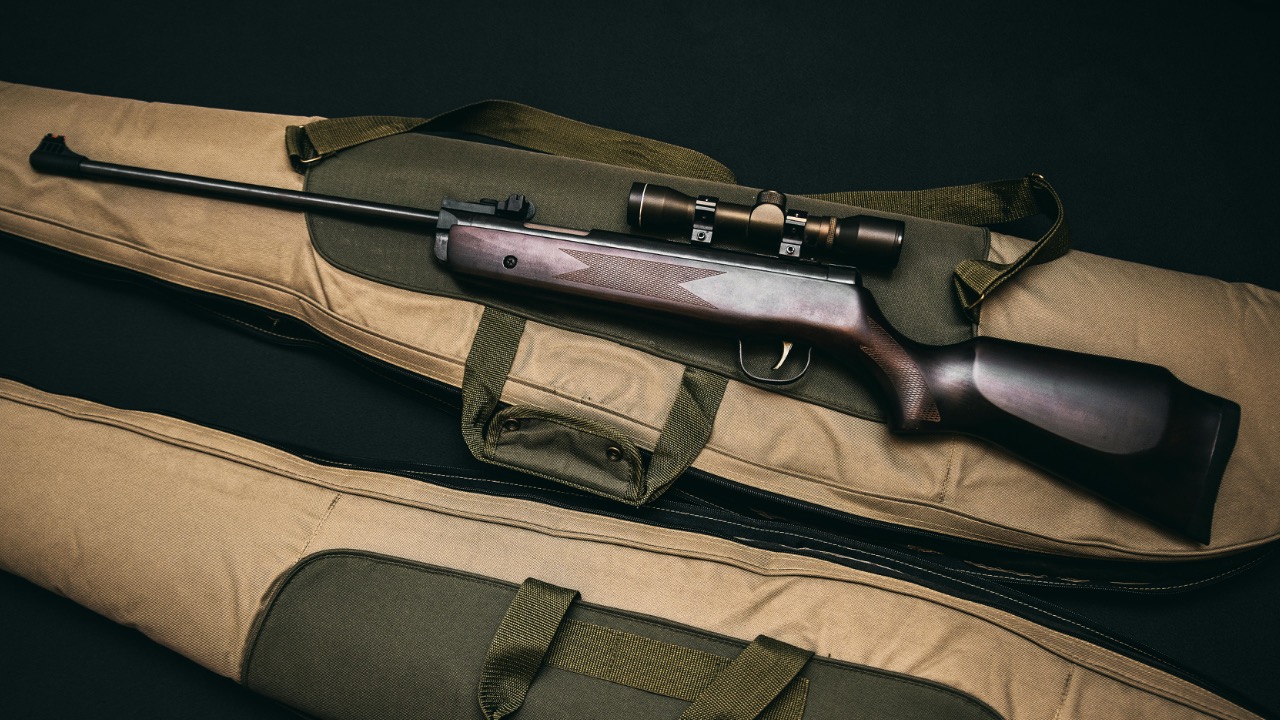
When you strip a firearm down to the essentials, you remove a lot of things that can go wrong. Fewer springs, fewer controls, and fewer moving parts mean fewer chances for failure when it matters.
Out in the field or on the range, problems rarely show up at convenient times. A straightforward bolt-action or revolver keeps working without needing perfect conditions. You’re not relying on tight tolerances or complex timing. That kind of predictability matters more than extra features when your attention needs to stay on the shot, not the gun.
Easier Maintenance Without Special Tools
You don’t always have a bench, a kit full of tools, or time to troubleshoot. Simple firearms are easier to keep running with basic cleaning and minimal gear.
You can break them down quickly, wipe them out, and get back to work. There’s no need to chase down small parts or worry about reassembly quirks. For hunters or anyone spending time away from home, that kind of independence matters. You’re not tied to a shop or a manual every time something needs attention.
More Forgiving With Ammunition
Not all ammo is perfect, and you know that if you’ve shot long enough. Simple firearms tend to handle a wider range of loads without complaint.
A revolver or a manually operated rifle doesn’t depend on pressure curves to cycle properly. That means fewer hiccups when ammo varies slightly in power or consistency. You spend less time diagnosing failures and more time shooting. That flexibility becomes especially valuable when supplies are limited or when you’re working through mixed batches.
Consistent Trigger Expectations
Complex trigger systems can feel great when everything is dialed in, but they can also introduce variation. Simpler designs tend to behave the same way every time you press them.
That consistency helps you build rhythm and confidence. Whether it’s a clean break on a bolt gun or a steady pull on a double-action revolver, you know what you’re getting. There’s less second-guessing and fewer surprises. Over time, that familiarity translates into better shooting without needing constant adjustment.
Less Sensitivity to Dirt and Weather
Dust, mud, rain, and cold all have a way of exposing weak points. Firearms with tight tolerances and complex systems can struggle when conditions turn bad.
Simpler guns leave more room for things to keep moving even when they’re not clean. You can run them a little dirty without immediate consequences. That doesn’t mean neglect, but it does mean you have a margin for error. When you’re far from perfect conditions, that margin can make all the difference.
Straightforward Manual of Arms
When a firearm is easy to operate, you spend less time thinking about it and more time focusing on what you’re doing. That matters whether you’re hunting or training.
Simple controls are easier to learn and harder to forget. Under pressure, you’re not sorting through multiple levers or modes. You already know what to do because there isn’t much to remember. That clarity helps keep your movements smooth and your attention where it belongs.
Better Long-Term Durability
Complicated systems often rely on small parts that wear out faster. Simpler firearms tend to hold up over years of use without needing frequent replacement parts.
You’ll still see wear, but it usually happens gradually and predictably. Springs, pins, and basic components are easier to monitor and replace when needed. That kind of durability builds confidence over time. You’re not wondering when something hidden might fail—you can see and understand how the gun is holding up.
Lower Cost of Ownership Over Time
Initial price doesn’t tell the whole story. Firearms that require fewer upgrades, fewer parts, and less maintenance often cost less in the long run.
You’re not chasing aftermarket fixes to make the gun run the way you expected. What you buy is what you use. That keeps things straightforward and avoids the cycle of constant tweaking. Over years of ownership, that simplicity adds up to real savings and fewer headaches.
Easier to Diagnose Problems
When something does go wrong, simpler firearms make it easier to figure out why. There are fewer variables to sort through, and the cause is often obvious.
You don’t need to be a gunsmith to spot an issue or make a basic fix. That kind of transparency matters when you’re trying to stay self-reliant. Instead of guessing or replacing parts blindly, you can identify the problem and handle it with confidence.
Stronger Skill Development
Simple firearms don’t mask mistakes. They force you to rely on fundamentals, and that’s a good thing if you’re serious about shooting well.
You notice your trigger control, your follow-through, and your positioning more clearly. There’s nothing smoothing things out for you. Over time, that builds stronger habits that carry over to other platforms. It may feel less forgiving at first, but it pays off in the long run.
Fewer Compatibility Headaches
Modern firearms often depend on specific magazines, accessories, or configurations to function at their best. Simpler designs usually avoid those complications.
You’re not tracking down proprietary parts or worrying about whether something will work together. What you have tends to work without needing adjustments. That kind of reliability across setups makes life easier, especially when you don’t want to spend time troubleshooting gear combinations.
Proven Track Record in the Field
Simple firearms have been used in real conditions for decades. Their strengths aren’t theoretical—they’ve been tested over time by people who depended on them.
That history matters. It tells you what to expect because others have already put them through hard use. You’re not guessing how a design will hold up. You’re working with something that has already proven itself where it counts, and that carries weight when you’re choosing what to trust.

Asher was raised in the woods and on the water, and it shows. He’s logged more hours behind a rifle and under a heavy pack than most men twice his age.