
Lindsey Graham pushed for war with Iran — now he’s warning the outcome could prove costly
Sen. Lindsey Graham spent years urging a direct confrontation with Iran and cheering on the opening stages of the current conflict. Now, as casualties mount and energy markets wobble, he has begun to warn that the outcome could be far more expensive and unpredictable than many Americans were led to believe. His shift does not amount to regret, but it exposes the gap between his early war rhetoric and the messy, open-ended reality of a grinding campaign.
The South Carolina Republican still casts the fight as necessary and winnable, yet his recent comments about costs, timelines and regional blowback show a lawmaker trying to square earlier promises of quick, decisive action with a war that is already inflicting human and economic damage on a scale that will be hard to contain.
From Iran hawk to wartime salesman
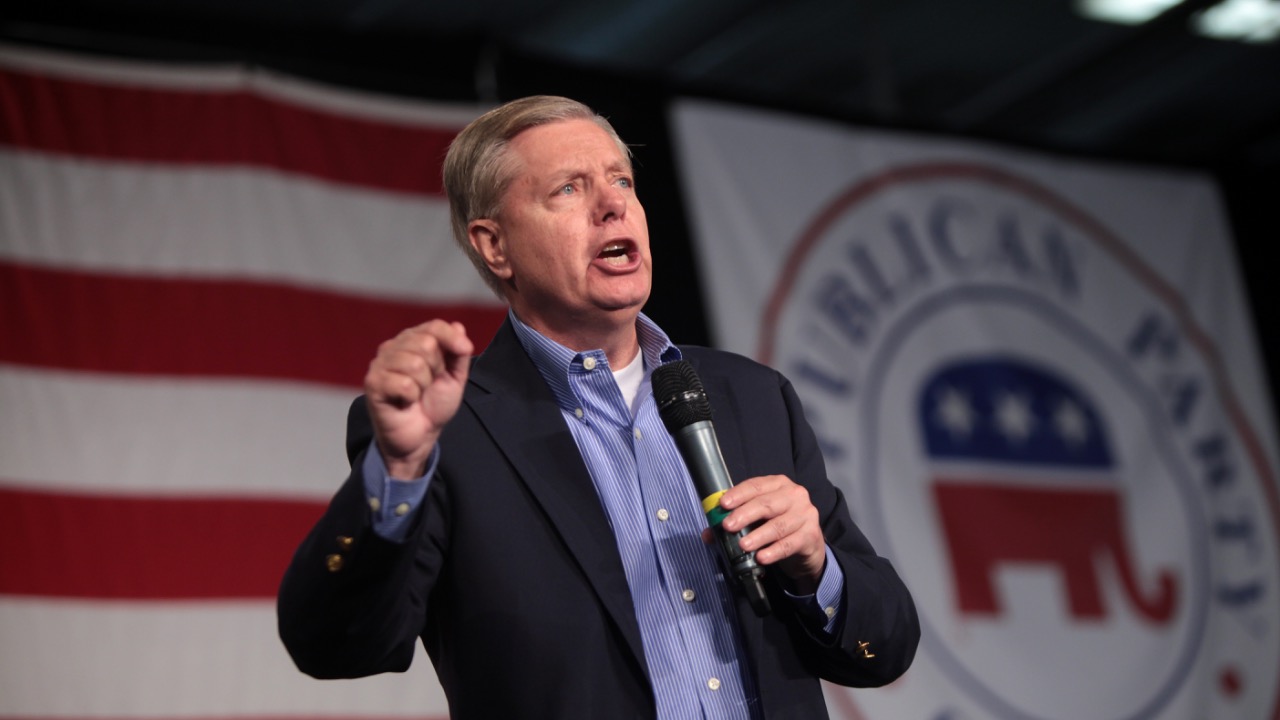
For much of his career, Lindsey Graham has been one of Washington’s most outspoken advocates of using force against Tehran. He pressed for tougher sanctions, floated strikes on Iranian nuclear facilities and aligned himself closely with Donald Trump on a harder line toward the Islamic Republic. That posture helped set the stage for the current war, which pits the United States and Israel against Iran and its network of regional allies.
Once the conflict began, Graham quickly emerged as a kind of wartime salesman. In conservative media appearances and Senate hallways, he argued that the campaign would cripple Iran’s military reach and secure Western access to key energy routes. He framed the stakes in sweeping terms, casting the war as a test of American resolve against a hostile regime and as an opportunity to reshape the balance of power in the Gulf.
That history makes his current tone more striking. Graham is not backing away from the war he championed, yet he has started to acknowledge that the path to victory is longer and more treacherous than his early promises suggested.
“Weeks away” from objectives, with casualties mounting
Graham’s latest comments came as the Pentagon disclosed that about 140 United States service members have been injured since the start of the Iran war, a figure that undercuts any notion of a costless campaign. In a briefing covered by Alison Main, he told reporters that the United States is only “weeks away” from achieving its main military objectives in Iran, a claim that suggests confidence in the strategy but also hints at the intensity of the operations still to come.
According to the same live coverage, Graham defined those objectives as degrading Iran’s ability to threaten its neighbors and to project power beyond its borders. Speaking from the Dirksen Senate Office Building, he leaned on his status as a senior Republican voice on national security to reassure the public that the sacrifices already made would pay off. Yet the number of injured personnel and the ongoing tempo of strikes show that the war has already extracted a significant price from United States forces.
His optimistic timeline also sits uneasily beside reports of Iranian resilience. Tehran has continued to launch retaliatory attacks and to signal that it can absorb punishment while inflicting pain on United States and Israeli assets. Graham’s claim that the endgame is only weeks away risks sounding like a familiar Washington promise of a quick war that reality may not honor.
“Best money ever spent” meets $1 billion a day
If Graham’s assessment of the military timeline has raised eyebrows, his language about the financial cost has drawn even sharper reactions. In a widely circulated interview, he said the United States is spending roughly $1 billion a day on the war and called that outlay the “best money” the country has “ever spent.” Reporting from Truthout quoted him praising the daily burn rate as a worthwhile investment to weaken Iran and support Israel, casting the expense as a bargain compared with the risk of leaving Tehran’s capabilities intact.
That framing has become a lightning rod. Critics argue that describing $1 billion a day as “best money” trivializes the strain on federal finances and ignores domestic needs that could be funded with the same resources. The remark also clashes with Graham’s reputation as a fiscal conservative who has often warned about deficits and long term debt. By celebrating an open-ended, billion-dollar daily commitment, he has invited accusations of hypocrisy from both left and right.
Supporters counter that his point is strategic rather than budgetary. They say Graham is arguing that the cost of confronting Iran now is lower than the cost of facing a more empowered adversary later, especially if Tehran were to gain greater control over shipping lanes or energy pricing. Even so, describing wartime spending in such glowing terms risks sounding cavalier at a moment when families of deployed troops are absorbing the human consequences of that investment.
Oil, chokepoints and the Saudi Arabia dilemma
The financial debate around Graham’s rhetoric cannot be separated from the oil market shock that the war has triggered. Live coverage of the conflict has detailed how Iranian threats to close the Strait of Hormuz and to disrupt regional exports have pushed prices higher and rattled global markets. In one update, Tehran warned that it would block oil shipments until United States attacks end, a move that would directly threaten the flow of crude from Gulf producers.
Against that backdrop, Graham has pressed regional partners to shoulder more of the burden. In comments highlighted in a live blog, he said that Saudi Arabia and should “step forward” in the war with Iran, signaling his expectation that Gulf monarchies benefiting from United States security guarantees should play a more active role in containing Tehran.
At the same time, he has questioned whether Washington should move ahead with a long discussed defense agreement with Riyadh. In reporting from Monday, Senator Lindsey Graham raised doubts about honoring a pact with Saudi Arabia if the kingdom does not align more closely with United States objectives in the Iran war. That warning amounts to a rare public threat against a key partner and reflects his frustration with what he sees as Saudi hedging between Washington and Tehran.
The tension in his position is clear. Graham wants Saudi Arabia and its neighbors to contribute more to the fight and to help stabilize energy markets, yet he is also brandishing the possibility of withholding security guarantees if they do not fall in line. That mix of pressure and uncertainty could unsettle allies at a moment when the United States is asking them to take on greater risk.
Israel’s strikes and a late call for restraint
Graham’s evolving message is also visible in his guidance to Israel. Earlier in the war he strongly backed Israeli strikes on Iranian targets and praised what he saw as Jerusalem’s determination to confront Tehran directly. In a post on X cited by the Jerusalem Post, he lauded Israel for its role in the campaign and suggested that there would soon come a day when the Iranian regime would face a decisive reckoning.
More recently, however, he has urged Israel to ease its attacks on Iranian oil infrastructure. Coverage from Tara Suter described how Sen. Lindsey Graham called on Israel to rein in strikes on Iran’s energy sector after oil prices spiked and benchmark crude fell back to $96.94 per barrel once some tensions eased. That appeal marked a rare moment in which the South Carolina Republican publicly asked Israel to show restraint in targeting decisions.
The shift reflects a recognition that hitting refineries and export terminals may weaken Iran, but it also risks driving global prices higher and punishing consumers worldwide. By asking Israel to pull back from those targets, Graham is implicitly acknowledging that there are limits to how far the coalition can go in attacking Iran’s economic lifelines without triggering a broader energy crisis.
Domestic blowback and calls for Graham to enlist
Graham’s hawkish stance has not gone unchallenged at home. In one widely shared interview, he told a conservative host that the war could deliver economic gains by giving the United States and its partners greater control over major oil reserves, a suggestion that critics seized on as evidence that he views the conflict through a lens of resource competition. A social media post amplified by NewswireLK summarized how Senator Lindsey Graham suggested the ongoing war against Iran could bring economic benefits by shifting control over energy assets.
The backlash has come not only from Democrats and anti war activists but also from within his own party. In coverage by Mike Bedigan, a Republican Rep said Lindsey Graham should go fight in Iran himself if he is going to push for foreign conflict. That lawmaker pointed to Pentagon figures that 41 United States military sites or assets had been targeted in Iranian or proxy attacks and argued that Graham’s rhetoric made it easier to send others into harm’s way while he remained in Washington.
Another segment of the criticism centers on the human toll inside Iran. The same report cited Iranian state media as saying that nearly 1,000 people have died in the country since the war began on February 28. For opponents of the campaign, those numbers sharpen the moral stakes of Graham’s claim that wartime spending is “best money” and his talk of potential economic gains from control over oil.
Television bravado and public shock
Graham’s media appearances have become a focal point for public debate about the war. On Fox News, he delivered what one entertainment report described as an ominous warning to Iran and predicted that the conflict could be resolved within weeks. In that segment, recounted by Julianna Salinas, he told the host that Iranian leaders faced a stark choice between backing down and facing escalating strikes, and he appeared confident that sustained pressure would break Tehran’s will.
Viewers did not all respond as he might have hoped. Some were described as “shocked” by what they saw as a “depraved” admission about the human and financial costs he was willing to tolerate. The reaction highlighted a broader unease among Americans who may support a tough line on Iran in the abstract but recoil when confronted with blunt talk about casualties, daily billion dollar expenditures and the prospect of a long war.
That tension is familiar from earlier conflicts. Politicians often sell interventions as limited and precise, then struggle to maintain support once the true scope of the commitment becomes clear. Graham’s television bravado, paired with emerging data on injuries and deaths, risks accelerating that cycle of disillusionment.
Balancing victory talk with warnings of a heavy price
For now, Graham is trying to hold two messages at once. On the one hand, he insists that the United States is on track to achieve its goals in Iran within weeks and that the war is a sound investment in national security. On the other, he is sounding alarms about the behavior of partners like Saudi Arabia, urging Israel to pull back from certain targets and acknowledging that oil markets and regional stability are under serious strain.

Leo’s been tracking game and tuning gear since he could stand upright. He’s sharp, driven, and knows how to keep things running when conditions turn.