Officials plan to remove burros from the Lake Pleasant area
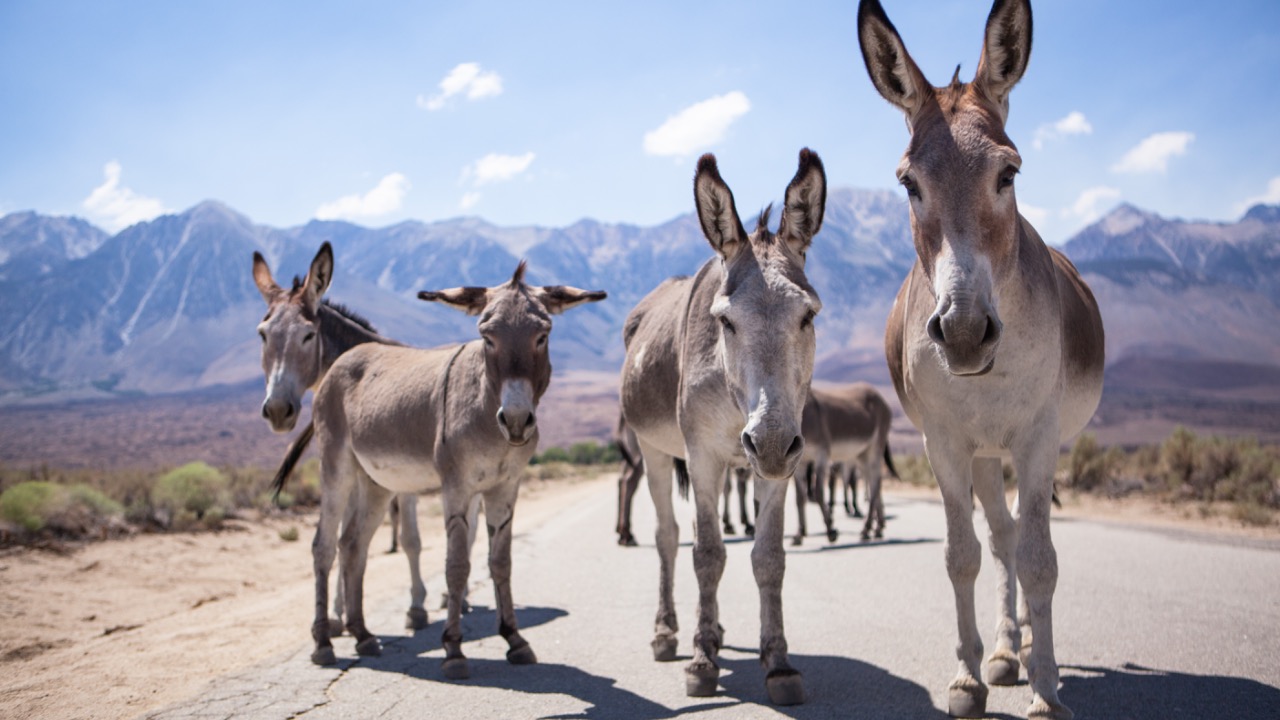
If you’ve spent time around Lake Pleasant, you’ve probably seen them—small bands of wild burros picking their way through desert washes or lingering near the shoreline. They’ve become part of the scenery, but their presence has also created growing tension between wildlife managers, recreation users, and local communities. Now, officials are moving forward with plans to remove many of these animals from the area, citing safety concerns, habitat damage, and long-term management challenges.
This isn’t a new issue, but the pace and scale of the proposed removal have people paying closer attention. Whether you see the burros as a problem or a symbol of the West, the situation is more complicated than it looks from the shoreline.
Why Burros Are Being Targeted Now
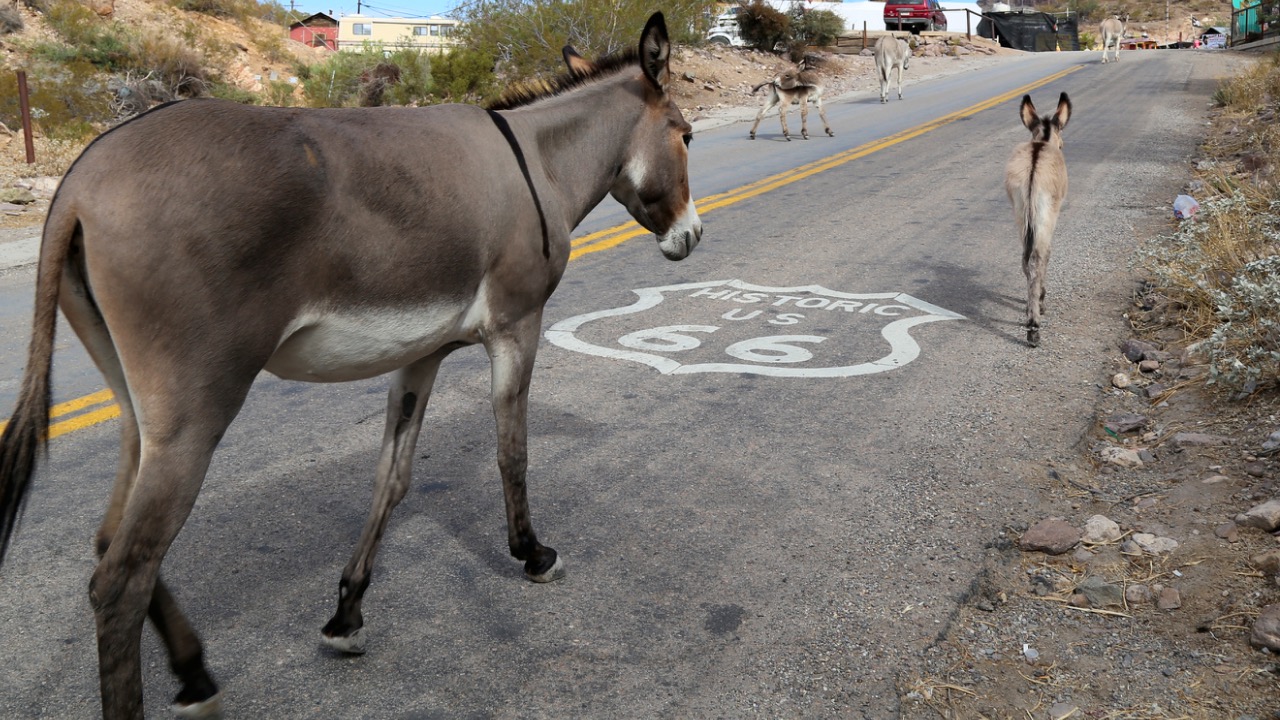
You’re seeing action now because the population has grown beyond what the land can reasonably support. Burros don’t have many natural predators in the area, so their numbers climb steadily when conditions allow it. Over time, that puts pressure on already limited desert resources.
Officials are also dealing with increased human interaction. As recreation around the lake expands, encounters between people and burros are happening more often. That includes animals wandering into campgrounds, roadways, and boat launch areas. What used to be occasional sightings has turned into a regular management concern that agencies can’t ignore anymore.
The Strain on Desert Habitat
When you look at the landscape around Lake Pleasant, it might seem tough enough to handle anything. In reality, desert ecosystems are fragile, especially when grazing pressure increases. Burros feed on native vegetation that other wildlife depend on, and they tend to revisit the same areas repeatedly.
That repeated use can strip vegetation down to the roots, making it harder for plants to recover. Once those plants are gone, erosion follows, and the land begins to change in ways that affect everything from small mammals to ground-nesting birds. You may not notice it at first glance, but over time, the damage becomes hard to reverse.
Water Sources Become Flashpoints
In a place like this, water is everything. Natural springs, seeps, and shoreline access points turn into gathering spots, not only for burros but for deer, birds, and smaller desert species. When burros dominate those areas, other wildlife can get pushed out.
You also start to see water quality issues. Heavy use around limited water sources leads to trampling, muddy runoff, and contamination. That affects both wildlife and people using the lake. For managers, protecting these water access points becomes one of the main reasons to step in and reduce burro numbers.
Safety Concerns Are Increasing
If you’ve driven the roads around Lake Pleasant at dawn or dusk, you know visibility can be tricky. Add in a group of burros crossing the road, and it becomes a real hazard. Vehicle collisions are one of the biggest concerns tied to their presence.
It’s not limited to roads, either. Burros that get used to people can become bold around campsites and marinas. They’ll approach for food, linger near vehicles, and create unpredictable situations. Even though they’re not aggressive by nature, their size and behavior can lead to injuries or property damage when interactions go wrong.
How Removal Efforts Typically Work
When agencies decide to remove burros, the process usually involves live capture rather than lethal methods. That can include bait trapping or coordinated gathers designed to move animals out of the area safely.
Once captured, the burros are often evaluated for adoption programs or transferred to long-term holding facilities. The goal isn’t to eliminate them entirely, but to bring the population down to a level the land can support. It’s a complicated process that requires coordination, funding, and public oversight.
Public Reaction Is Divided
You’ll hear strong opinions on both sides of this issue. Some people see the burros as part of the region’s identity and don’t want them removed at all. Others focus on the environmental impact and safety concerns, arguing that action is overdue.
That divide shows up in public meetings, comment periods, and online discussions. It’s not unusual for removal plans to face delays or revisions because of public pushback. If you follow the issue closely, you’ll notice that balancing those viewpoints is one of the toughest parts of managing burros in areas like Lake Pleasant.
Burros and Their Complicated History
These animals aren’t native to the Southwest in the way many people assume. Burros were brought over by Spanish explorers and later used by miners and settlers. Over time, some escaped or were released, forming the wild populations you see today.
That history matters because it shapes how agencies approach management. They’re not treated the same as native wildlife, but they’re also not ignored. You’re looking at a species that’s tied to the region’s past while still creating modern challenges for land and wildlife managers.
What This Means for Hunters and Outdoorsmen
If you spend time hunting or scouting in the area, changes to the burro population will affect what you see on the ground. Reduced grazing pressure can allow native plants to recover, which in turn benefits species like mule deer and small game.
At the same time, the landscape won’t change overnight. Habitat recovery takes time, and you may notice shifts in animal movement as the pressure eases. For outdoorsmen who pay attention to details, this kind of management action can reshape how you approach the area over the next several seasons.
The Long-Term Challenge
Even if officials remove a significant number of burros, the issue doesn’t disappear. Populations can rebound if management isn’t consistent, and surrounding areas may still support animals that move back in.
That means ongoing monitoring and occasional intervention will likely be part of the plan moving forward. You’re not looking at a one-time fix, but an ongoing effort to keep things in balance. For anyone who spends time around Lake Pleasant, this is something you’ll continue to see play out in the years ahead.

Asher was raised in the woods and on the water, and it shows. He’s logged more hours behind a rifle and under a heavy pack than most men twice his age.