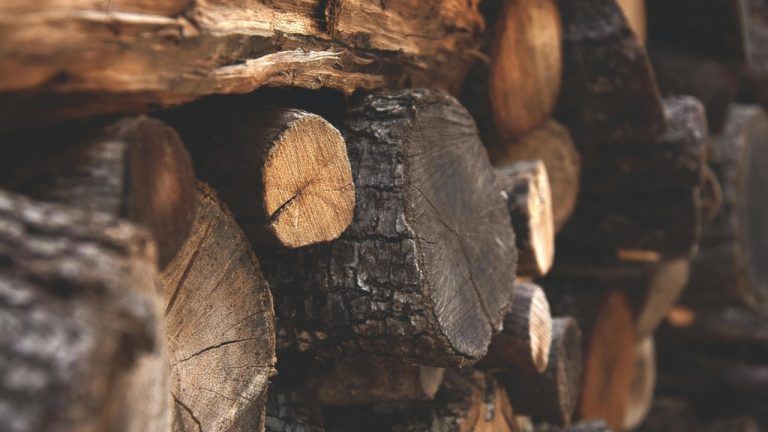
Firewood mistakes that can damage your chimney — or your health
Wood heat feels timeless, but the wrong logs in the grate can quietly wreck a chimney and flood a home with toxic smoke. The biggest threats often are not dramatic flareups, but everyday firewood mistakes that load flues with creosote, corrode metal parts and send harmful particles deep into the lungs. Knowing which fuels to avoid, and why they are risky, is as much a health decision as it is a home maintenance choice.
From wet “green” logs to treated lumber and driftwood, certain materials burn dirty, produce corrosive byproducts or release chemical fumes that no family should breathe. With a few clear rules about what never belongs in a fireplace or wood stove, homeowners can keep that winter fire comforting instead of hazardous.
Wet, green and mouldy logs that choke chimneys

One of the most common errors is loading the firebox with freshly cut or visibly damp logs, sometimes described as wet wood or unseasoned wood. Green wood is packed with moisture, so much of the heat from the fire goes into boiling water inside the log instead of warming the room, which is why guidance on drying firewood warns that energy is wasted as steam up the chimney rather than radiant heat. As that cooler, moisture laden smoke travels through the flue, it condenses more easily on the walls and accelerates creosote buildup that can later ignite.
Professionals describe unseasoned wood as a direct contributor to smoky fires and thick deposits that cling to chimney liners. Advice on Risks of Burning explains that using green fuel cuts heat output, creates more smoke and raises the risk of dangerous chimney fires when that creosote finally catches. A related mistake is burning mouldy or fungus covered wood, which guidance on mouldy or fungus warns can release spores and irritants into indoor air. The safer approach is to season logs for many months in a covered, ventilated stack and bring only dry, clean pieces to the hearth.
Driftwood, softwoods and “free” scrap that turn toxic
Free or convenient fuel often hides some of the most serious hazards. Driftwood, for example, absorbs salt while floating in the ocean, and when burned it can release chlorine that forms dioxins, which are among the most toxic compounds produced in household fires. Advisories on Firewood You Should single out driftwood because it spends most of its life in salty water and can emit high levels of these dioxins when ignited. Further warnings on toxic wood to echo that driftwood is widely recognized as unsafe for fireplaces or stoves.
Even wood that looks ordinary can be a problem if it has been treated, painted or glued. Construction offcuts, deck boards and fencing often fall into this category. A warning on Major Health Risk describes how burning such scraps can expose people to toxic metals and chemicals that cause severe nosebleeds, crippling headaches and other symptoms. Additional guidance on burning treated lumber notes that preservatives in pressure treated wood release hazardous fumes and ash when incinerated. That is why advice on pressure treated lumber stresses that these boards often contain toxic chemicals that can harm both health and the environment. Any scrap that shows signs of stain, glue lines or hardware should be kept out of the fire and disposed of according to local regulations instead.
Paper, trash and accelerants that supercharge soot
Household waste may seem like easy kindling, yet burning trash can turn a living room into a low grade incinerator. Guidance that lists Paper Products With among items to avoid explains that glossy magazines, cardboard packaging and printed paper contain inks and coatings that produce toxic fumes and sticky soot. Advice on Things You Should also flags wet firewood, treated or coated wood and allergen producing brushwood as materials that create unhealthy smoke and extra residue in the flue.
Throwing household rubbish into the flames compounds those risks. Guidance on Things You Should in Your Fireplace explains that waste like food scraps, plastic packaging and coated cardboard releases noxious fumes and extra particulates that cling to chimney walls. The same advisory warns against using lighter fluid, kerosene or gasoline to start a fire, since these accelerants can cause sudden flareups that damage the firebox and send embers shooting into the flue. A safer routine is to use a small amount of plain, dry kindling and newspaper without colored ink, then let seasoned logs catch slowly instead of forcing a roaring blaze with chemicals.
Creeping creosote, corrosion and long term chimney damage
Even when a fire looks steady, the byproducts of poor fuel choices can quietly attack the chimney itself. Creosote, a tar like substance formed when wood smoke condenses, builds up fastest in low burning, smoldering fires that are often caused by wet or unseasoned logs. An overview of Creosote as The Hidden Hazard Lurking In Your Chimney explains that low burning fires lead to heavy deposits that can ignite if not regularly cleaned out. That same residue narrows the flue, interferes with draft and increases the chance that smoke and carbon monoxide will spill back into living spaces.
Corrosion is another slow moving consequence of the wrong fuel. Salt from driftwood and chemicals in treated lumber can eat away at metal stove parts and liners, a risk highlighted in community discussions where users warn that Burningsalty driftwood corrodes stoves and pipes and forces owners to replace their flues more often. Technical guidance on chimney install FAQs notes that corrosion can occur in chimneys because of how the fire is operated, including the type of fuel burned, and that this deterioration can affect both the lining and surrounding structure. Regular sweeping and inspections, combined with a disciplined approach to clean, seasoned fuel, are the only reliable ways to keep these hidden threats from turning into structural failures or chimney fires.
Smoke, particles and health risks inside the home
The same smoke that stains a chimney also travels into lungs. Fine particulate matter from wood fires is small enough to penetrate deep into the respiratory system, and long term exposure is linked to chronic lung disease such as bronchitis and emphysema, along with a higher risk of heart attack, stroke and cancer. Public health guidance on air quality and stresses that these tiny particles can trigger breathing problems and damage appliances when smoke is not properly vented. Chimney specialists echo that concern, with advice on Chimney Health Hazards warning that fine particles from open hearth fires can aggravate asthma, spread disease causing spores and make existing heart and lung conditions worse.
Some fuels add a chemical punch to that particle load. Treated lumber, painted boards and synthetic materials can release compounds that cause acute symptoms such as severe nosebleeds and crippling headaches, as described in the Home and News alert on Major Health Risk Burning Treated Lumber. Poisonous plants are another underappreciated risk, with safety advice on Plants like poison ivy, poison sumac and poison oak explaining that burning these species can put their irritant oils into the air, where anyone nearby can breathe them in. Broad guidance on soot to creosote also points out that a dirty chimney, stove, furnace or boiler can cause fires and release gases that lead to illness or even death. For households that rely on wood heat, the safest pattern is consistent: burn only clean, properly seasoned logs, avoid improvised fuels and schedule regular chimney maintenance so that a cozy fire never comes at the expense of long term health.

Leo’s been tracking game and tuning gear since he could stand upright. He’s sharp, driven, and knows how to keep things running when conditions turn.