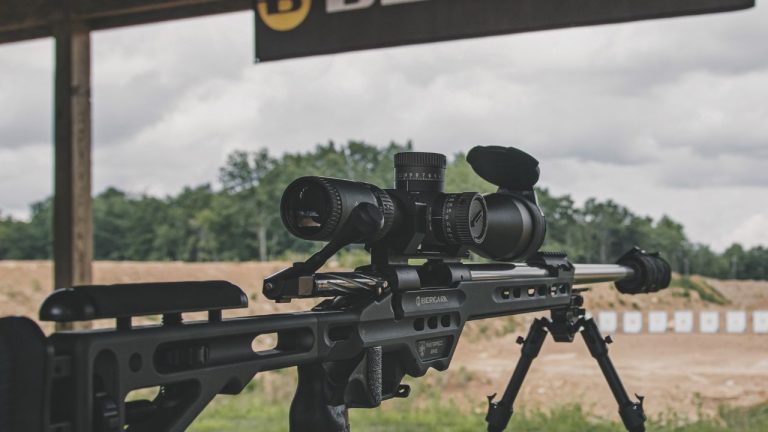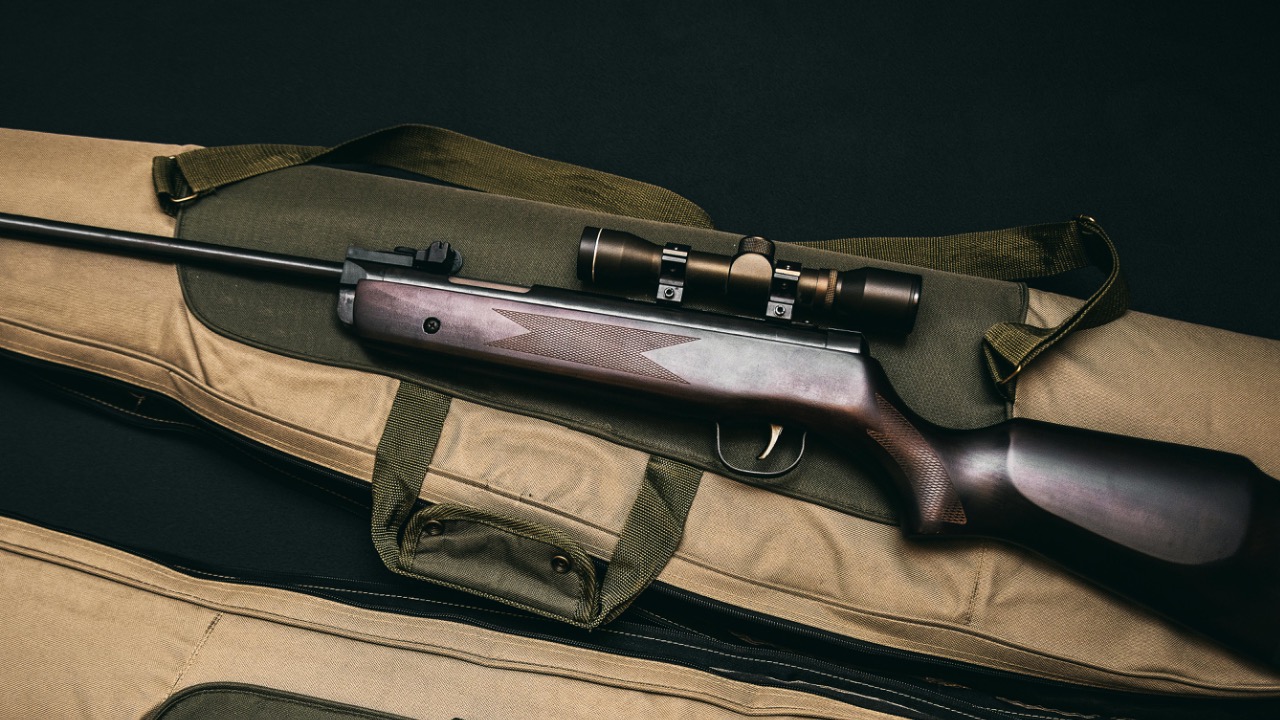
The rifles that keep working long after others fail
Some rifles keep running when the weather turns ugly, the oil runs dry, and newer designs start to choke. Hunters, soldiers, and survival-minded shooters all talk about the same thing: a gun that will fire on demand after years of hard use. The rifles that earn that reputation share a blend of simple engineering, durable materials, and a track record that stretches across generations.
From century-old military bolt actions to modern polymer workhorses, the most enduring rifles are not always the flashiest or the most expensive. They are the ones that shrug off mud, sand, and neglect, that keep cycling long after others fail, and that quietly become family heirlooms.
What actually makes a rifle “keeps working” reliable?
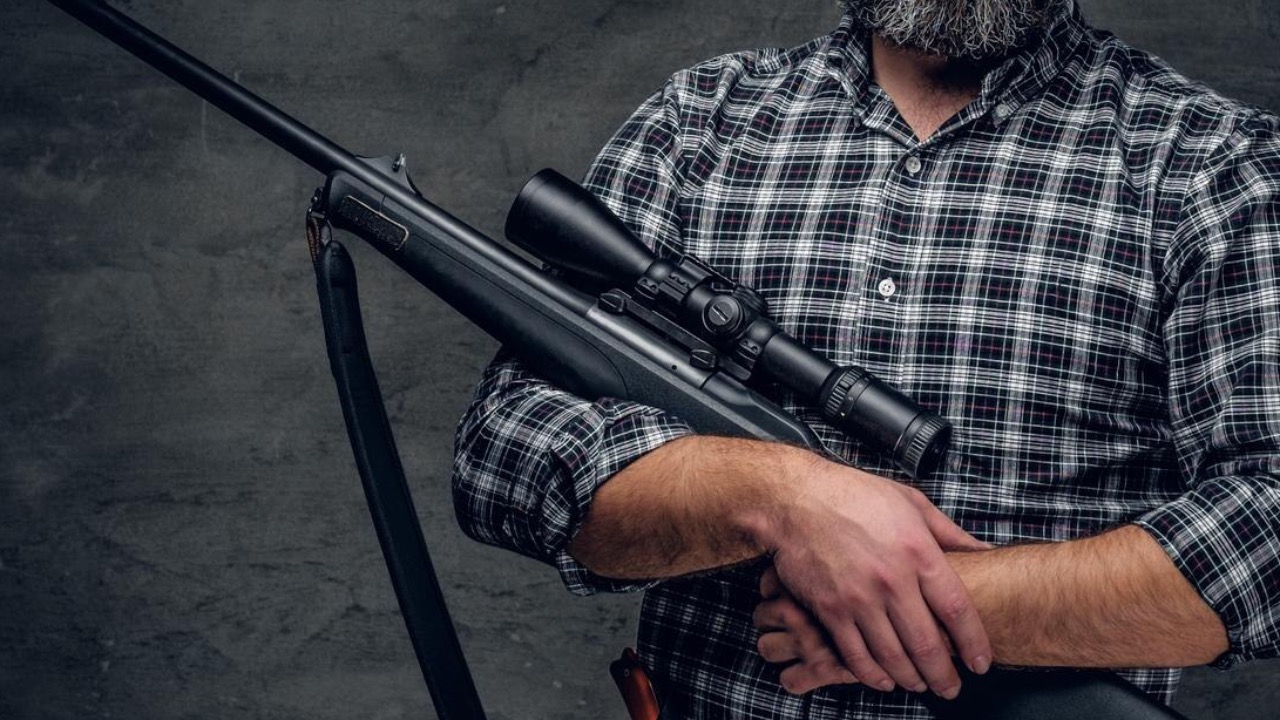
Enduring reliability is not a mystery. It starts with how the rifle is built and what it is made from. Firearms that rely on high-quality steel alloys tend to resist wear, erosion, and cracking better than those that cut corners on metallurgy. As one technical overview of gunmaking materials explains, rifles made from high-quality steel alloys generally have a longer service life than those built from lower-quality steels, because the stronger alloys tolerate repeated firing stresses and environmental abuse without deforming or corroding as quickly. That kind of material choice matters more than marketing claims.
Design simplicity is the second pillar. A simple bolt action or blowback system has fewer moving parts to foul or break. Fewer springs and tiny pins mean fewer opportunities for grit to jam the works. Classic military bolt actions such as The Mosin and Nagant Model 1891 show how a straightforward mechanism can keep running decade after decade. The design that combined work by Russian Capt Sergei Mosin with a five round internal box magazine built by Émile and Léon Nagant was never elegant, but it was brutally effective.
Maintenance tolerance also separates legends from range toys. Some rifles demand meticulous cleaning and lubrication. Others will function with a quick wipe and a few drops of oil. Owners who answer questions about low maintenance rifles often point out that while it is tempting to name any mil surplus or mil spec gun, the real test is how a rifle behaves when the owner does little more than keep it reasonably clean and feed it decent ammunition. Rifles that still run in that scenario are the ones that earn a reputation for durability rather than fragility.
Use in the real world also shapes a rifle’s reputation. A gun carried daily in the field, banged against truck doors and tree stands, reveals flaws that a safe queen never will. That is why the rifles that keep working long after others fail tend to be the ones that have seen hard service in war, in rough hunting country, or in competitive ranges where thousands of rounds expose any weakness.
The military workhorses that refused to die
Military service is the harshest proving ground a rifle can face. Rifles that survive that environment often go on to civilian lives as surplus bargains and cult classics. One survey of historic service rifles highlights how The AK family became legendary for functioning in mud, sand, snow, and extreme heat. In the same overview, the list of Reliable Military Rifles That Soldiers Swear By includes designs that fought across continents and climates, then kept working in the hands of reservists and irregular forces long after newer guns entered front line service.
The Mosin shows how extreme that kind of longevity can be. The Mosin Nagant was introduced in the late nineteenth century and fought in two world wars, then appeared again in conflicts across Asia, Africa, and the Middle East. One detailed account notes that the Mosin Nagant served over the span of three centuries, a remarkable run for any industrial product. It earned that endurance with a rugged receiver, a stout bolt, and generous clearances that allowed dirt and ice to be displaced rather than locking the mechanism.
The same basic rifle also crossed into civilian life. In 1891, Russian gun makers introduced the Mosin and Nagant bolt action rifle to the world. While it was somewhat more complicated than some other contemporary designs, it proved accurate and reliable enough that it has been used for sporting purposes over the last century. Hunters still carry refurbished versions into the field, trusting a design that predates the automobile to take modern game animals cleanly.
Another military veteran that refuses to fade is the SKS. One analysis describes the SKS as the rifle that will not die. Share Key Point in that discussion is that the SKS, although not as famous as its cousins, is just as long lasting. It uses a simple short stroke gas system, a fixed ten round magazine, and a milled receiver. That combination keeps the rifle running even when maintenance is sporadic and ammunition quality is inconsistent.
Surplus specialists have also pointed to the VZ platform as an example of reliable Cold War engineering. Enthusiasts discussing the most reliable surplus rifles describe how the Checkexs were famous for highquality manufacturing and say the VZ 58 is their crown jewel, with a short stroke gas system and milled parts that resist wear. In that context, the number 58 has become shorthand for a rifle that runs clean and keeps working under conditions that would sideline more delicate designs.
The .22 LR legends that outlast their owners
At the other end of the power spectrum, the humble .22 LR has created its own class of rifles that seem to last forever. Rimfire guns face a different kind of abuse. They might not see battlefield mud, but they are fired in huge volumes, often with cheap ammunition and minimal cleaning. Not all .22 LR rifles are created equal. Some budget options wear out quickly, while others have earned legendary reputations for durability. A detailed video guide titled Buy Once, Cry Once spells this out and argues that the rifles worth paying for are the ones that will still be running when the buyer hands them down to children and grandchildren.
Among those, the Ruger 10/22 occupies a special place. In a discussion of rifles that could survive apocalyptic scenarios, one analysis points out that in .22 LR (long rifle), the Ruger 10/22 weighs in at a light 4.6 pounds. That combination of low weight and proven reliability makes it a favorite for bug out bags and backcountry packs, where every ounce matters but a malfunctioning gun is not an option. The same rifle has been a staple on ranges for decades, thanks to a simple blowback semi automatic action, rotary magazines, and an intuitive and reliable overall design that encourages shooters to keep using it rather than replacing it.
The manufacturer itself leans into that reputation. In a company post, the message is clear: Over the years, the 10/22 has evolved, but at its core, it is still the same reliable rimfire trusted by generations. The note invites owners to Drop a comment about their own rifles, a nod to the fact that real world stories of 10/22s running for tens of thousands of rounds without major parts failures are the best marketing the design could have.
Rimfire durability is not limited to one brand. A separate deep dive on long lasting .22 rifles highlights how some models use heavier barrels, better heat treating, and more precise machining to avoid the accuracy loss and mechanical slop that can show up after years of high volume shooting. The message is consistent with the broader point about materials. Rifles that use higher grade steel and tighter quality control tend to maintain both function and accuracy far longer than bargain basement alternatives.
Modern budget rifles built to last
Durability is not only a feature of old wood and blued steel. Some of the most reliable rifles on the market today sit in the budget category, where designers have refined simple actions and paired them with modern materials. In a hands on comparison of affordable bolt actions, one test named the Overall, Ruger American Gen 2 as the best rifle under a mid tier price ceiling. That verdict rested not just on accuracy, but also on how the rifle handled repeated firing, rough handling, and basic field maintenance.
The Ruger American line uses a three lug bolt, a barrel nut system for consistent headspacing, and synthetic stocks that resist swelling or warping in bad weather. Those choices matter for longevity. A rifle that maintains its point of impact after a rainstorm or a temperature swing is less likely to frustrate owners and more likely to be kept rather than traded away. The Gen 2 updates focus on ergonomics and user friendly features, but the core of the design remains a simple, strong action that can digest a wide range of loads without complaint.
Budget rifles from other makers follow similar patterns. They cut costs where it does not affect reliability, such as external finish or luxury stock materials, while preserving quality in the barrel, action, and trigger. Shooters who prioritize a rifle that will keep working often choose these models over more ornate options, then spend the savings on ammunition and training that will reveal whether the rifle truly deserves trust.
Old wood, new purpose: classic hunting rifles that keep going
For many hunters, the image of a reliable rifle is still a walnut stock and a blued barrel carried through the deer woods. Traditional wood stocked rifles can be just as enduring as modern synthetics when they are built correctly. Reviews of the best wood stock deer rifles often highlight how certain models have been in continuous production for generations, with only minor internal updates. Those rifles earn their place not because they are nostalgic, but because they have proven that they can handle wet seasons, cold blinds, and rough truck racks without losing zero or developing mechanical issues.
Some of those designs share DNA with military rifles. Mauser style actions, controlled round feed systems, and robust extractors all originated in service guns and migrated into sporting rifles. Hunters who choose them are effectively betting on the same engineering that kept soldiers alive, now applied to elk and whitetail instead of enemy combatants. When a hunter reaches for a rifle that a parent or grandparent carried, the decision is about more than sentiment. It is a vote of confidence in a machine that has already passed a long term test.
Surplus conversions like the Mosin Nagant sporters sold through gun shops illustrate this crossover. Retailers describe how Russian Mosin and Nagant rifles, once stripped of military furniture and fitted with new stocks and optics, have provided reliable service for sporting purposes over the last century. The bolt might be rough and the safety awkward, but the underlying steel and action strength keep them in the field long after sleeker designs have cycled through store shelves.
Survival scenarios and the cult of the unkillable rifle
Preparedness communities often talk about rifles in terms of worst case scenarios. In that world, the gun that matters is not the one that shoots the smallest groups on a sunny range day, but the one that still cycles after months of neglect. A feature on rifles that could survive apocalyptic conditions singled out several models that have already proven themselves in harsh environments. The same piece that praised the Ruger 10/22 at 4.6 pounds also highlighted centerfire rifles with reputations for shrugging off abuse, then pointed readers to additional buying links through pages such as a scopesfield portal for the Ruger 10 22 takedown, a variant designed to pack small without sacrificing reliability.
Other survival oriented channels echo that focus on toughness. One video on guns that will last 100 plus years describes stuff built so tough it will still cycle after the world goes sideways, with host Luke from Line 45 running through modern rifles that combine simple mechanisms with corrosion resistant materials. The argument is that a rifle built to that standard does not just survive a hypothetical disaster. It also saves owners money and worry in normal life, because it is less likely to require gunsmith visits or part replacements.
Surplus enthusiasts add their own twist. A breakdown of the 17 most reliable surplus rifles argues that many Cold War era designs were overbuilt by modern standards, with thick receivers, chrome lined barrels, and generous tolerances. The same video notes that the Checkexs and their VZ 58 created a pattern of manufacturing where reliability trumped aesthetics. Those rifles might not be pretty, but they have earned followings among shooters who care more about function than finish.
What everyday shooters say about “old trusty” guns
Beyond formal testing and military records, the most telling evidence often comes from owners who have lived with a rifle for years. Online communities are filled with stories about guns that never failed and others that constantly needed attention. In one discussion of firearms that have never let their owners down, a user named Rok275 mentioned a Glock 17 Gen 4 as a pistol example, while another poster wrote, My Ruger P 89. Its a dump truck of a pistol, the trigger is not great, but it runs. That kind of comment captures how shooters think about reliability. They will forgive weight, mediocre triggers, and plain looks if the gun fires every time.
Similar conversations surround rifles. When people are asked about low maintenance guns that are extremely durable, the answers cluster around simple, proven designs. Contributors explain that Mar discussions about specific models often circle back to the same themes. While some shooters are tempted by exotic mechanisms or ultra light builds, many end up recommending rifles that mirror military surplus or mil spec patterns, precisely because those guns have already survived real world abuse.
Long form videos on lifetime rifles in .22 LR also lean heavily on owner experience. The Buy Once, Cry Once guide that opens with the line Not all .22 LR rifles are created equal goes on to contrast budget rifles that loosen up or lose accuracy quickly with others that have earned legendary reputations for durability. While the host offers his own rankings, much of the argument rests on cumulative stories from shooters who have put tens of thousands of rounds through the same gun without needing anything more than springs and occasional small parts.

Leo’s been tracking game and tuning gear since he could stand upright. He’s sharp, driven, and knows how to keep things running when conditions turn.