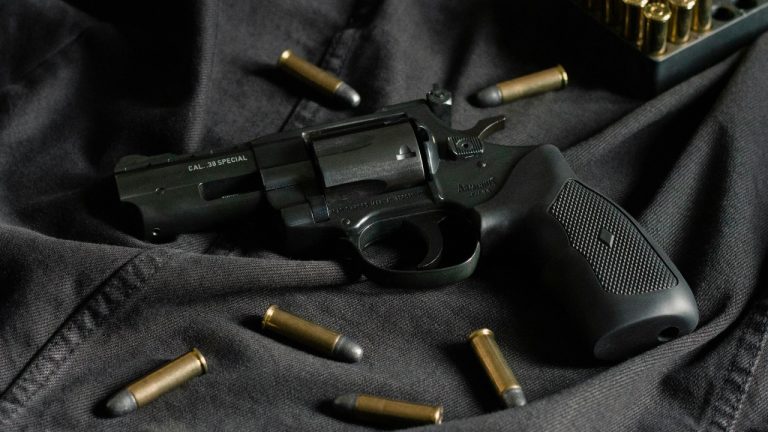
Carrying with a round in the chamber: an everyday carrier explains the choice
For many people who carry a concealed handgun, the real decision is not just which pistol to buy, but whether to walk out the door with a live round already in the chamber. That choice shapes how fast they can respond to a threat, how safe they feel around their own firearm, and how they train. Everyday carriers who keep a round chambered describe it less as bravado and more as a calculated, practiced habit built on equipment, technique, and a sober view of risk.
What “carrying with a round in the chamber” actually means

In the simplest terms, chambered carry means the pistol already has a cartridge seated in the barrel, ready to fire as soon as the trigger is pressed. Some trainers call this “Condition 1” or “cocked and locked” for certain designs that use a manual safety, as explained in one detailed Condition overview. For striker-fired pistols without external safeties, the concept is the same, even if the mechanical state looks different.
Holster makers describe “chamber carry” in practical terms. One guide explains that it refers to whether a defensive pistol is carried with a cartridge already loaded or with an empty chamber that requires the user to rack the slide and cycle the action before firing. That explanation of chamber carry highlights the key tradeoff: readiness versus the extra step of loading under stress.
Everyday carriers who keep a round chambered tend to see the gun as a fire extinguisher rather than a project. It must be immediately usable in a worst case scenario, not a device that requires multiple manipulations before it can do the one job it is carried for.
Why speed and stress push many carriers toward a loaded chamber
Defensive shooting instructors consistently emphasize that violent encounters unfold quickly. A training video on personal defense stresses that incidents happen fast and that no one gets to choose a convenient moment to defend themselves. The same video points out that a person will not have time to debate technique in the middle of an attack, which is why it urges viewers to keep one in if they are otherwise following safe practices.
Another instructor breaks the argument into simple math. In a widely shared video, he lists five reasons to carry with a round in place and starts with the most obvious: it is faster when the draw stroke is the only step between threat recognition and a shot. He notes that adding a slide rack costs roughly a second, which can be decisive in a close confrontation, as he explains in his five reasons breakdown.
Self-defense coaches who focus on intuitive reactions go further. One analysis of street encounters argues that if a person is still trying to chamber a round once an attack is underway, they are already “behind the curve.” That writer frames carrying a round as a way to remove one more opportunity to fumble when adrenaline spikes and fine motor skills degrade.
For the everyday carrier who chooses a loaded chamber, the logic is blunt. If a handgun is being carried at all, it is because the person has accepted the possibility that they might need to fire it. In that view, a pistol that still needs to be loaded in the moment of crisis is only partially doing its job.
The safety debate: modern pistols and real risks
Those who hesitate about a chambered round often worry that the gun could fire unintentionally in a holster or during normal movement. Safety advocates acknowledge that fear but point to the engineering of modern handguns. A detailed technical Analysis of Glock pistols explains that modern firearms like the Glock use multiple internal safeties that prevent discharge unless the trigger is intentionally and deliberately pulled.
That same research, published under the banner “Are Glocks Safe to Carry Chambered? A Ghost Inc. Analysis,” argues that drop safeties, firing pin blocks, and trigger safeties together make an uncommanded discharge highly unlikely when the pistol is in good condition and carried in a proper holster. The analysis does not claim perfection, but it frames risk in mechanical terms instead of superstition.
Other instructors echo that theme. A long-running safety discussion outlines common arguments against chambered carry, such as the belief that it is “just too dangerous” and that a gun should stay unloaded until ready for use. The same piece counters that modern designs, when used with a quality holster that covers the trigger, are engineered to stay inert until the shooter presses the trigger, as described in a list of Common Arguments Against.
For the everyday carrier who chooses a loaded chamber, the takeaway is that the real hazard is poor handling, not the state of the chamber itself. They treat the trigger as the true “on switch,” and they structure their gear and habits around never touching it unintentionally.
How experienced carriers think about holsters and gear
Equipment is the quiet foundation of chambered carry. Holster makers and trainers are nearly unanimous on one point: a good holster that fully covers the trigger guard and holds the pistol securely against the body is non negotiable. One holster company describes how carrying with a round in the chamber allows a defender to move directly from drawing to firing, provided the holster keeps the trigger protected until that moment. Their guide on carrying with one stresses that this setup reduces the chance of fumbling under stress.
Another gear oriented explainer connects chambered carry to belt and holster selection. It notes that with the right precautions, carrying a concealed firearm with a round in the chamber can be safe, and highlights that a stiff belt and molded holster help keep the gun stable and the trigger inaccessible, which in turn reduces the chance of fumbling under stress, according to a guide on right precautions.
Holster fit also matters for specific pistol models. A catalog of holsters shows how rigs are molded to particular firearms so that the trigger area is completely enclosed and the gun locks in place. Everyday carriers who keep a round chambered often insist on this kind of precise fit instead of generic nylon pouches that can collapse or shift.
Online discussions among gun owners reinforce the point. One contributor on a firearms forum argues that carrying with a chambered round is reasonable if the pistol is in a “GOOD holster” that covers the trigger and holds the gun tight to the body, a view shared in a Greyfox309 comment thread.
Training, conditions, and the learning curve
Formal classes on everyday carry treat chamber status as part of a broader system. One course on Texas License to Carry requirements explains “Understanding Condition Everyday carry, (EDC)” and walks students through different states of readiness, including carrying with a round in the chamber for protection. That guide on Should I Carry frames the choice as one piece of a larger discipline that includes draw technique, situational awareness, and adherence to the basic rules of gun safety.
Another training resource from South Carolina emphasizes that with a round already chambered, the shooter eliminates the need to rack the slide in a violent encounter, which simplifies the sequence under pressure. That same resource stresses that this does not replace the fundamentals, and that safe handling, trigger discipline, and muzzle awareness still govern every action, as laid out in its basic rules of section.
Instructors who answer student questions publicly often acknowledge that there are rare situations where they personally might not carry with a round chambered, such as unusual storage or transport constraints. One short video posted in Oct captures a trainer saying that there are situations where he might not do so, but that it is “very very rare” and that he generally carries with a round chambered, a point he makes in a brief Oct clip.
For new carriers, the learning curve can be steep. Some choose to carry their unloaded pistol in a holster around the house for a period of time to build confidence in the gear and their own discipline. Others start with an empty chamber in public, then transition to a loaded chamber after additional training and dry practice. Instructors tend to accept those transitional steps as long as the goal is a stable, well practiced method rather than a permanent compromise based on fear.
Everyday carriers explain their choice
When experienced carriers describe why they keep a round chambered, their stories often blend personal experience with the themes trainers emphasize. On a question and answer site, one responder recounts an incident in a parking lot where a potential threat approached while he and another person were standing by an open vehicle door. He notes that there were one or two other vehicles in the area, but no one else nearby, and that he was glad his pistol was ready to fire without extra steps. In the same answer, he states plainly, “Yes, I do,” when asked whether he carries with a chambered round, and adds that he does so both when concealed and when carrying openly on duty, as described in his There account.
In that same discussion, he criticizes the practice of carrying with an empty chamber as “ridiculous” and warns that anyone who insists on it is likely to be slower to engage by about one second. His view is stark and not universal, but it captures the conviction many everyday carriers express after years of training and, in some cases, real confrontations.
Other voices are more cautious. Some contributors in online forums and classes admit that they are still building trust in their gear or their own habits. They often cite young children in the home, unfamiliarity with striker fired triggers, or anxiety about reholstering as reasons they have not yet moved to a chambered setup. Instructors typically respond by steering them toward better holsters, structured practice, and clear rules about when the gun is loaded rather than simply endorsing half measures.
Legal and practical context for chambered carry
Legal questions about chamber status also come up, especially among new permit holders. One gear company that caters to concealed carriers notes that the legality of carrying a concealed firearm with a round in the chamber depends on local law, but that in many jurisdictions, the law focuses on whether the person is licensed and whether the gun is concealed or openly carried, not on whether a cartridge is in the chamber. That discussion appears in a guide that asks, “Should You Carry With One in the Chamber?” and is linked from a section on Should You Carry.

Leo’s been tracking game and tuning gear since he could stand upright. He’s sharp, driven, and knows how to keep things running when conditions turn.