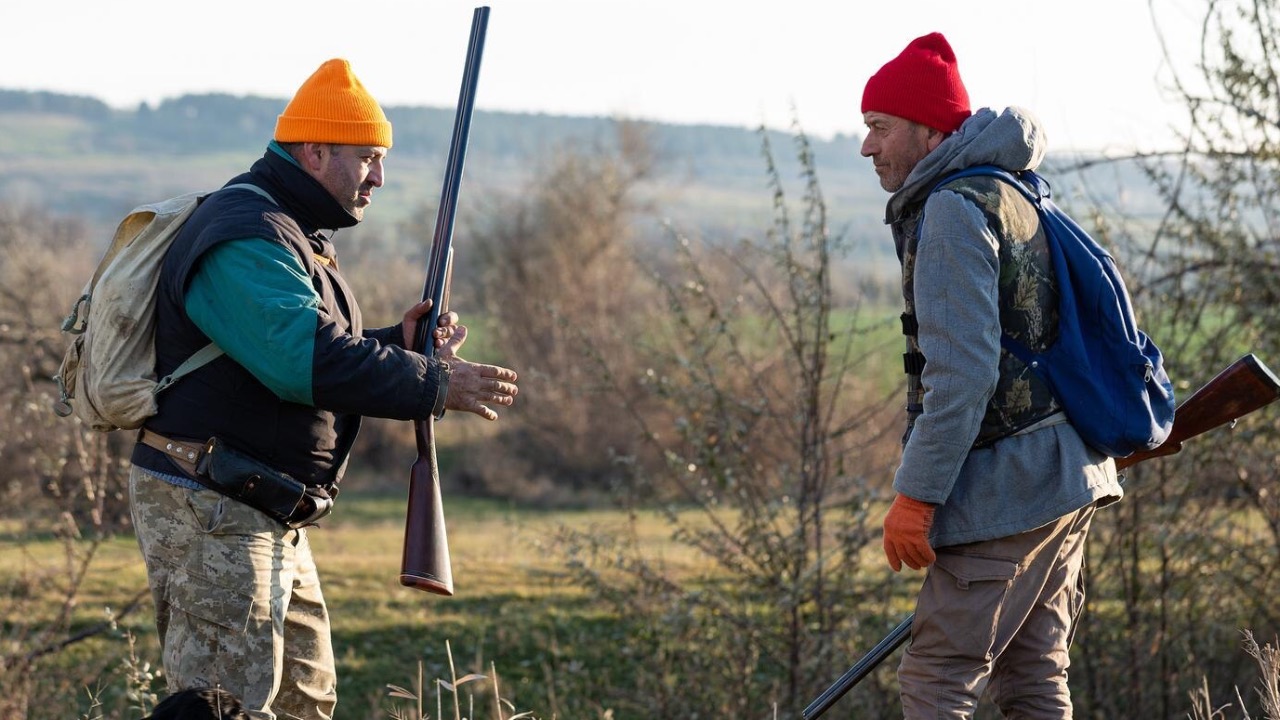
Hunter Claims Big Buck — Then Landowner Suddenly Shuts Him Down
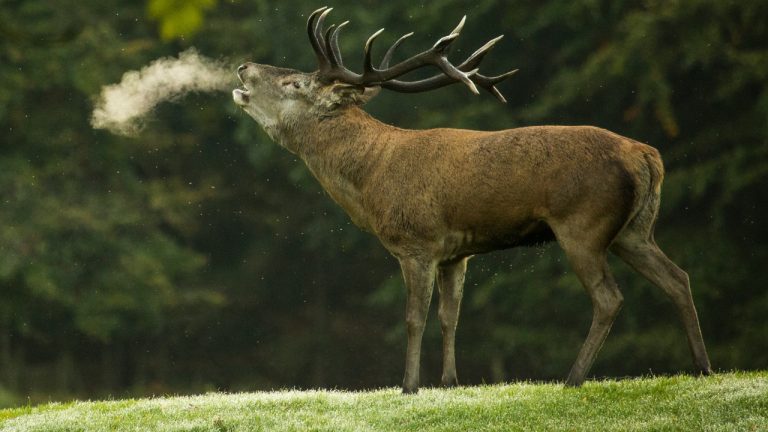
When a hunter finally drops the biggest buck of his life, the moment is supposed to be simple: relief, gratitude, a few photos, maybe a shoulder mount on the wall. Instead, more and more trophy stories are ending in arguments over property lines, accusations of poaching, and landowners who suddenly want the hunt shut down. The clash between a hunter’s sense of accomplishment and a landowner’s control over access has become one of the most bitter pressure points in modern deer culture.
At the center of that conflict is a basic question that keeps resurfacing in camps, comment sections, and courtrooms: once a deer is hit, who really owns the story that follows, and who gets to decide how it ends?
The shot, the fence, and the sudden “no”
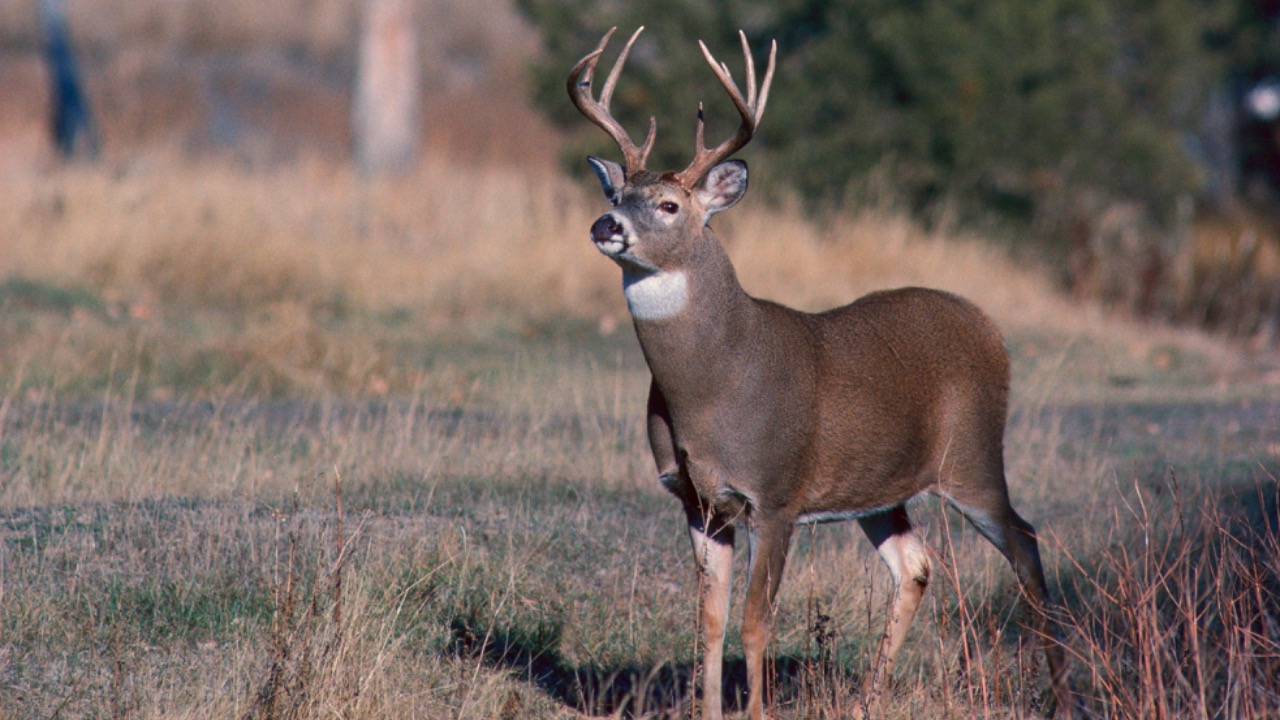
Hunters often describe the same sequence. A buck steps out on property where they are fully legal and welcome. The shot feels good, the deer bolts, and then vanishes into the neighboring parcel. When that neighbor refuses access, the celebration collapses into a standoff.
That scenario has become a recurring debate topic in online hunting communities. One widely shared discussion asked bluntly whether it is morally acceptable for a landowner who hunts to refuse another hunter permission to recover a deer that clearly crossed the fence only after the shot. The post began with the words “Please share your thoughts,” and hundreds of hunters did exactly that, splitting almost evenly between those who prioritize property rights and those who view recovery as an ethical obligation that should override grudges.
For the hunter who pulled the trigger, being told to stay on his side of the fence can feel like having a trophy ripped away after it was already earned. For the landowner, particularly one who has invested in habitat, food plots, and security, an unexpected stranger walking in with a blood trail can feel like a violation. Both sides see themselves as defending something they worked for.
From dream buck to poaching accusation
Once a big deer hits social media, the stakes jump again. In one short video, a hunter named Jan describes how a clean, legal kill turned into a storm of accusations after he posted a photo of a heavy-horned buck. As soon as the clip of his hunt went online, people began insisting that he had poached the animal, claiming “he poached it here, he shot it here,” and even alleging that he had taken it off a different property a mile away. Jan recounts how quickly the narrative spun out of control in the online comments, with strangers mapping imaginary trespass routes over land he insists he never stepped on.
Another hunter in a separate video walks viewers through a similar controversy after tagging a buck that locals had been watching for months. He explains that people around him were saying “we’re going after this deer,” and that once he filled the tag, some neighbors immediately started calling him a poacher. He notes that the only good thing about filming the hunt was that it gave him proof of where the deer was standing and how the shot unfolded. That footage, shared through a clip labeled with the word Only, became his defense against rumors that he had crossed onto the wrong side of the line.
In both cases, the hunters did what many in the community now do as a matter of routine: they documented their hunts in real time. Video that once served mainly as a highlight reel has become legal and social insurance.
When accusations lead to charges
Sometimes the accusations are not just noise. In Tioga County in New York, a landowner discovered that a large 11 point buck had been shot on his property without permission. He turned to social media, posting a public search to identify the hunters who had pulled the trigger. After the online feedback poured in, environmental officers tracked down the suspects, and three hunters eventually pleaded guilty to illegally shooting the buck.
According to the account of that case, the landowner’s public appeal and the tips that followed were key pieces that helped officers prove the deer had been taken on land where the shooters had no right to be. The three men admitted to illegally shooting the animal, turning what might have remained a local rumor into a clear enforcement case.
A related report from the same region described how three New York hunters from Cortland County shot a huge trophy deer on someone else’s land, then left it to die without attempting a legal recovery. The account notes that the three men eventually pleaded guilty to illegally taking the buck, and that the case was detailed by writer Mike Karolyi. In that situation, the landowner’s outrage was backed by clear evidence of trespass and wanton waste.
Social media pressure and the first-buck backlash
The same platforms that help solve crimes can also magnify unfair pile-ons. In a widely shared Facebook post, a new hunter described how a simple trophy photo turned sour. He wrote, “So I posted this picture a little while ago and I was happy that I got my first buck.” At first, he said, “Most people were happy for me and congratulated me,” but a vocal minority began attacking the shot placement, the deer’s age, and even his decision to share the photo at all.
For a first-time hunter, that kind of backlash can be devastating. It also illustrates how quickly online culture can turn any deer story into a referendum on ethics, biology, and land management. One person’s proud moment becomes another person’s evidence that “people like this” are ruining hunting.
The pattern is familiar enough that veteran observers have started to treat it as a given. A classic feature on a possible world record buck noted that in trophy deer culture, anyone who is fortunate enough to take a great animal is often “condemned” by skeptics who question everything from the weapon used to the property line. The piece described how controversy can drain the joy out of what should be a tremendous accomplishment, especially when the deer’s antlers carry the promise of records or notoriety.
Landowners on edge and access on the line
Landowners are not imagining the pressure on their side either. In one discussion on Reddit, a hunter described how the older couple who allowed him and his friends to hunt their 100 acre property had grown noticeably colder. He wrote, “Man, this blows,” and worried that the landowner was “probably going to kick us off after this season.” He had helped them with chores and felt blindsided by the shift.
That unease is becoming more common. Landowners who see poaching cases in their own county, or who watch neighbors get dragged into online fights, often respond by tightening access or ending handshake agreements altogether. Hunters who once counted on private parcels suddenly find themselves scrambling for new ground, sometimes right as a target buck reaches maturity.
Ethics, law, and the unwritten rules
How hunters can protect both the deer and the relationship
- Secure written permission that clearly addresses recovery, including what happens if a deer crosses a boundary.
- Use mapping tools and physical markers to avoid any confusion about where one property ends and another begins.
- Film the hunt when possible, not to show off, but to document shot placement, angles, and locations in case questions arise later, as Jan and the hunter who relied on the clip labeled Only both did.
- Keep trophy posts low key and factual. Avoid bragging about “beating” other hunters to a specific buck, which can inflame neighbors who were also watching the deer.
- When a deer runs onto another property, approach the landowner with humility, not entitlement, and be prepared to accept a no without escalating the conflict.

Asher was raised in the woods and on the water, and it shows. He’s logged more hours behind a rifle and under a heavy pack than most men twice his age.