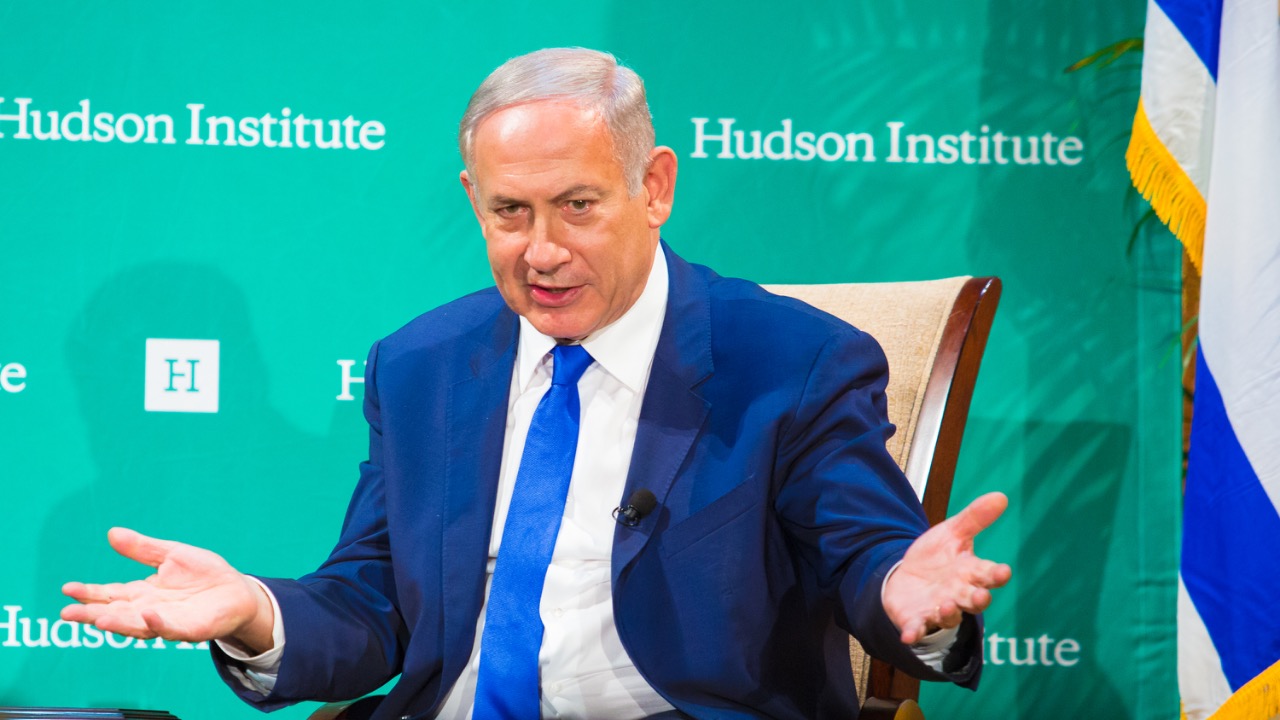
Netanyahu signals possible ground invasion in Iran
Israeli Prime Minister Benjamin Netanyahu is openly discussing the possibility of sending ground forces into Iran, signaling a potential new phase in a conflict that has so far centered on air and missile exchanges. His comments, framed as a requirement for any attempt to topple the Islamic regime in Tehran, have jolted regional capitals and raised questions about how far Israel and its allies are prepared to go.
The suggestion of a ground component inside Iran comes as fighting intensifies and rhetoric hardens on all sides. Netanyahu is casting the struggle as a long war for regional order, even as public opinion in the United States and elsewhere shows deep unease about any move toward a broader invasion.
Netanyahu’s ground invasion rhetoric
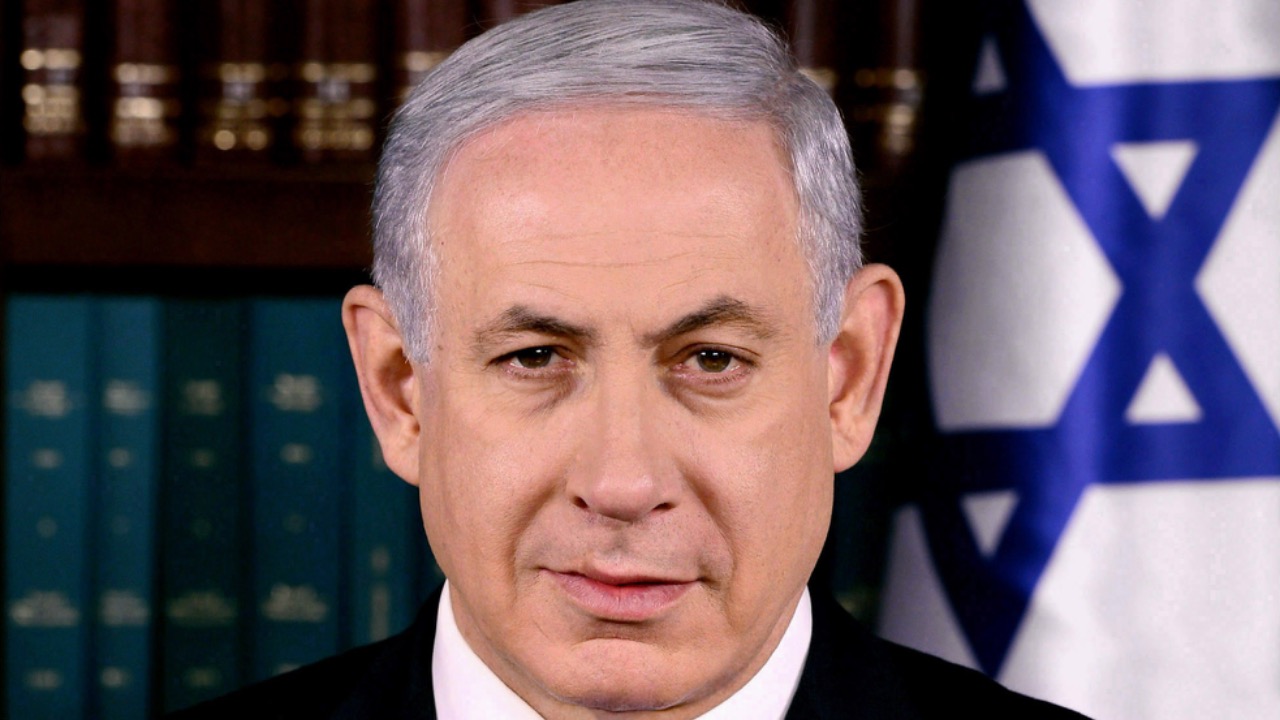
Benjamin Netanyahu has long cultivated an image as the leader most willing to confront Iran, and his latest remarks push that posture into new territory. In recent days, he has argued that air power alone cannot bring down the Islamic leadership in Tehran and has floated the idea that only a ground campaign could break the regime’s grip. His comments follow years in which Benjamin Netanyahu has warned that Iran’s nuclear and regional ambitions pose an existential threat to Israel.
One recent interview captured the shift in tone. Netanyahu said that a revolution in Iran would require a “ground component” to any war, arguing that a campaign limited to airstrikes would leave the core of the Islamic system intact. He has framed the battle as one against a regime he compares to historic dictatorships, and has suggested that replacing one hard-line faction with another would be like trying, in his words, “to replace Hitler with Hitler.” That framing, reported by Ryan Mancini, reflects how Netanyahu is trying to define the stakes of the confrontation for both Israelis and Western audiences.
In the same context, Netanyahu has been quoted as insisting that escalation is now unavoidable. He portrays the Islamic leadership in Tehran as unreformable and insists that only the removal of the current structure of power can end the cycle of attacks and counterattacks. His language about the Islamic regime and its Supreme Leader Ali Khamenei, cited in British and American coverage, is designed to cast the conflict as part of a larger ideological struggle rather than a limited dispute over territory or specific attacks.
From airstrikes to talk of a “ground component”
So far, Israel’s campaign has focused on air and missile attacks against what it describes as Iran’s military and nuclear infrastructure. Israeli jets and long-range weapons have targeted facilities linked to ballistic missiles, nuclear research and the Islamic Revolutionary Guard Corps. Netanyahu now suggests that such operations may no longer be sufficient, telling audiences that a ground element inside Iran might be required to topple the existing order.
In a widely shared video clip, Netanyahu said that a ground invasion of Iran may be necessary to bring down the Islamic system, even as he tried to reassure Israelis and Americans by adding that he was “not putting troops” into Iran at this moment. That apparent contradiction captures the tension in his messaging: he wants to keep the option of a ground operation on the table while signaling that no immediate deployment has been ordered.
Another broadcast segment described how the Israeli leader has “signalled that air strikes against Iran’s military and nuclear infrastructure may no longer be sufficient” and that he is now speaking openly about a ground component. In that report, he is presented as arguing that Israel cannot rely forever on standoff weapons and must be prepared for more direct confrontation if it wants to force a change in Tehran’s behavior.
Netanyahu has also been clear about the limits he expects from allies. In one video, he is quoted as saying that the United States will not deploy its own ground troops inside Iran, a line that appears designed to reassure American audiences and lawmakers that Israel is not trying to drag Washington into a large-scale occupation. At the same time, his insistence on the theoretical need for ground forces raises the question of whose soldiers, if any, he believes would carry out such an operation.
Domestic politics in Israel and abroad
The rhetoric about a ground invasion is unfolding against a backdrop of intense political pressure. Inside Israel, Netanyahu faces criticism over the handling of the war and over his broader strategy toward Iran. He has portrayed himself as the only leader with the experience and resolve to confront Tehran, but his talk of a ground component also exposes him to accusations of risking a wider regional conflict.
Abroad, his comments have landed in the middle of a fraught debate in the United States about any expansion of the war. One analysis of his remarks on a ground component in Iran noted that “Trump doesn’t need Israel’s permission to end this war,” a reminder that ultimate decisions over U.S. troop deployments rest in Washington. The same report quoted an observer warning that “The longer he waits, the more Americans pay,” a reference to the human and financial costs that a prolonged confrontation with Iran could impose on the United States.
Those concerns are not abstract. A series of opinion surveys, including a Reuters/Ipsos poll, suggest that Americans believe Trump will send troops into Iran but “don’t like the idea.” That finding has been picked up and amplified in commentary that tracks how U.S. public opinion might constrain or encourage more aggressive options. The fact that the word Poll appears repeatedly in the coverage underscores how much of the current debate is shaped by expectations about voter reactions.
Additional discussion of the Poll appears on social and aggregation platforms such as Discovered feeds, curated magazines and X threads, where the phrase “Netanyahu Threatens Ground Component Iran Poll” circulates as a shorthand for the entire controversy. That echo chamber effect helps explain why Netanyahu’s wording has drawn such intense scrutiny: every phrase is instantly parsed for what it might signal about future military action.
Strategic stakes inside Iran
Any ground incursion into Iran would confront geography and politics that are far more complex than previous Israeli campaigns in Lebanon or Gaza. Iran is a vast country with rugged terrain and dense urban centers, and its security forces have spent decades preparing for the possibility of foreign invasion. Netanyahu’s suggestion that ground forces might eventually be required implies a willingness to contemplate a long and costly campaign.
Strategically, one of the most sensitive locations is Kharg Island, a key hub for Iran’s oil exports in the Persian Gulf. Control or disruption of such sites would have immediate global economic consequences, affecting energy prices and shipping routes. Any hint that Israeli forces might move from airstrikes to a physical presence around vital infrastructure raises alarms in energy markets and among Gulf states that rely on stable sea lanes.
Netanyahu’s focus on the Islamic regime and on figures such as the Ayatollah and Supreme Leader Ali Khamenei, referenced in coverage that lists hashtags like Iran, Ayatollah, Labour and Israel, signals that he sees the conflict as a struggle against a specific ideological system rather than the Iranian population as a whole. Yet a ground campaign would inevitably draw Israel into contact with Iranian society in unpredictable ways, from ethnic minority regions in the west to urban centers in Tehran and Isfahan.
Some analysts point to the figure 39 as a measure of how quickly public perceptions can shift once casualties mount or operations drag on. That number appears in coverage by Ryan Mancini alongside Netanyahu’s comments, and while the exact context is not fully clear from the available excerpts, its inclusion highlights how specific statistics can become shorthand for the human cost of war.
U.S. calculations and alliance strains
Washington’s response to Netanyahu’s ground invasion talk is shaped by its own strategic calculations. A detailed report on Trump’s Iran policy describes how the U.S. president faces pressure from hawks who favor a tougher stance and from a public that is wary of another large-scale deployment. The article explains that Trump has options that range from continued support for Israeli air operations to direct involvement of U.S. forces, but that each path carries significant political risk.
The same coverage notes that analysts have Discovered how the phrase “Netanyahu Threatens Ground Component Iran Poll” has become a shorthand for the debate over whether Trump might send U.S. troops. By tying Netanyahu’s rhetoric to the Poll, commentators are effectively asking whether the Israeli leader is nudging Washington toward a red line that American voters do not want to cross.
Another detailed look at U.S. opinion, again framed around the Poll, stresses that Americans are skeptical of sending ground troops into Iran even if they believe Trump might eventually do so. That skepticism complicates Netanyahu’s expectation that the United States will continue to back Israel’s military moves without limit. It also explains why he has been careful to say that the United States will not deploy its own ground forces, even as he talks about the theoretical need for a ground component.
At the same time, U.S. policymakers are watching how Netanyahu’s statements play with European allies and with Gulf partners who fear being caught in the middle of a direct Israel Iran confrontation. Any sign that Israel is preparing for a ground incursion could trigger new diplomatic efforts to restrain both sides or, conversely, spur some states to quietly support Israeli operations in the hope of weakening Tehran.
Media narratives and public opinion battles
Netanyahu’s comments have not only strategic implications but also media and messaging dimensions. A widely circulated television segment framed his suggestion of a ground invasion as a sign that “Escalation is now unavoidable,” using stark language about the Islamic regime and the role of Iran in regional instability. That framing resonates with audiences that already see the conflict in existential terms and are inclined to support aggressive action.
Social media clips, including a short video where Netanyahu says a ground invasion may be necessary to topple the Ayatollah’s system but adds that he is not currently putting troops into Iran, reach different demographics and allow supporters and critics to splice his words into their own narratives. Pro Netanyahu accounts highlight his warnings about Iran’s threat to Israel, while opponents emphasize the risks of another Middle Eastern ground war.
Commentary that tracks Netanyahu’s remarks, such as the piece that states “The longer he waits, the more Americans pay,” uses his language about a ground component to argue that delay or indecision could increase costs for the United States. That argument is often linked to the Poll findings and to broader concerns about how a drawn out conflict might affect domestic politics in Washington.

Leo’s been tracking game and tuning gear since he could stand upright. He’s sharp, driven, and knows how to keep things running when conditions turn.