Why shed antlers are so hard to find in the wild
You can walk the same woods all season, know where every trail crosses and every bedding ridge lies, and still come up empty when you start looking for sheds. That’s the frustrating part of chasing antlers—you’re dealing with timing, animal behavior, and a landscape that hides things better than you’d think.
If you’ve ever wondered why it feels like finding a needle in a haystack, you’re not wrong. A lot has to line up before one of those sheds ends up in your hands. Here’s what’s working against you out there.
Whitetails Drop Antlers in Unpredictable Places
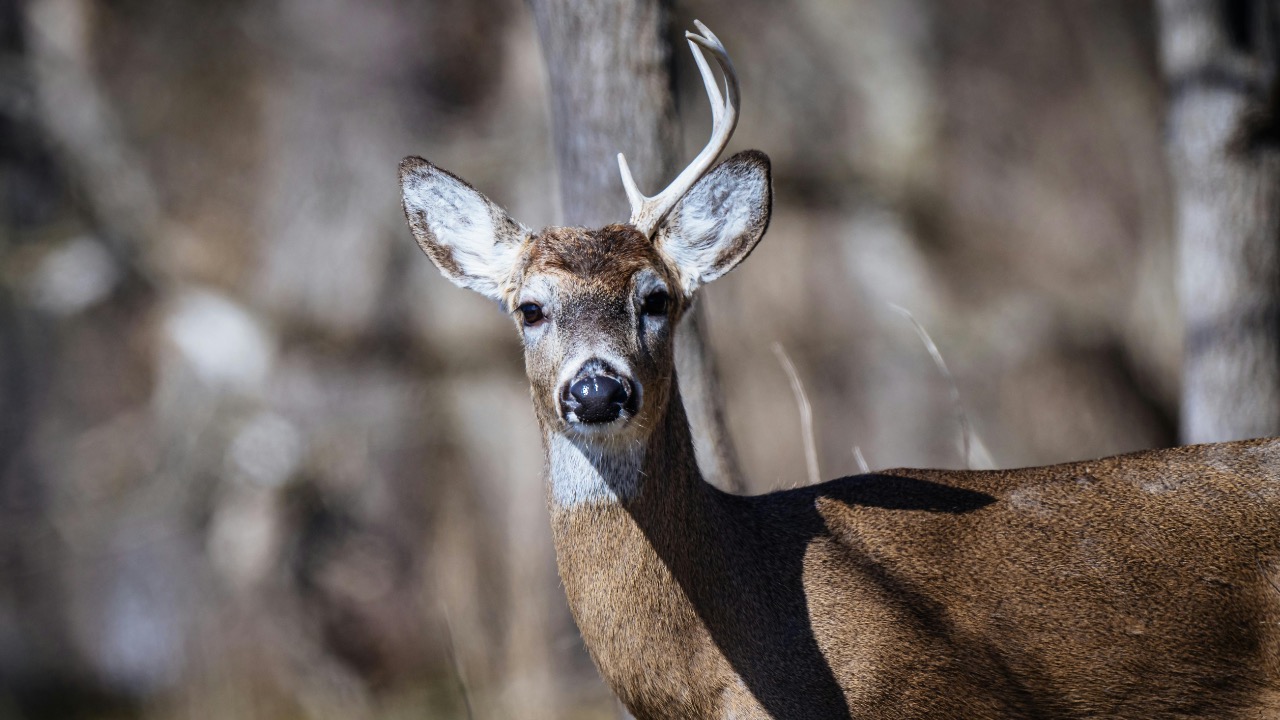
You’d think bucks would drop antlers in the same types of spots every year, but that’s not how it plays out. A mature buck might spend weeks in a tight winter pattern, then shift range right before he drops.
That means the areas you scouted all fall don’t always line up with where antlers hit the ground. Weather, pressure, and food sources all influence where deer spend late winter. When you’re searching, you’re guessing where a moving animal happened to be on one specific day. That alone makes the odds long.
Timing Your Search Is Harder Than It Sounds
Finding sheds has a narrow window. Go too early, and bucks are still carrying. Go too late, and you’re competing with other hunters, rodents, and the elements.
In most regions, whitetails start dropping between late December and early March, but it varies year to year. A sudden cold snap or stress event can trigger earlier drops. If you’re not in the woods when that window hits, you’re already behind. Even if you are, you might still miss the exact week when antlers start piling up.
Rodents Get to Them Fast
Mice, squirrels, and other critters don’t waste time. Once an antler hits the ground, it becomes a mineral source, and they chew it down quickly.
You can find a fresh shed one week, and come back the next to nothing but gnawed edges. Calcium and phosphorus are valuable in late winter, and animals know it. If you’re not beating them to it, there’s a good chance they’ll beat you. That shortens your window even more.
Winter Cover Swallows Antlers Whole
Late winter and early spring don’t look like prime hiding conditions until you get down at ground level. Dead grass, leaf litter, and brush can bury an antler fast.
Even a large set can disappear under a few inches of matted vegetation. Add in shadows, uneven ground, and natural color tones, and you’ve got perfect camouflage. You can walk within a few feet of a shed and never see it. Most guys have done it more times than they realize.
Deer Seek Thick, Remote Bedding Areas
When winter sets in, deer shift toward security and calories. That usually means thick bedding cover close to reliable food.
Those spots aren’t always easy to access. Swamps, south-facing hillsides choked with brush, and private ground all hold deer late in the season. That’s where a lot of antlers end up. If you’re not willing or able to get into those areas, you’re missing a big piece of the puzzle.
Pressure Pushes Deer Into New Areas
Late-season pressure doesn’t stop when hunting seasons end. Shed hunters, hikers, and predators all keep deer on edge.
A buck that’s been bumped enough will relocate, sometimes more than once. That movement spreads sheds out across a wider area. Instead of focusing on one core zone, you’re dealing with scattered drop sites. It turns a targeted search into a much broader one, and that eats up time fast.
Snow and Weather Can Hide or Move Sheds
Snow cover can help or hurt you. A light layer makes sheds easier to spot, but deep snow buries them completely.
As it melts, antlers can shift downhill, settle into mud, or get covered again by debris. Freeze-thaw cycles work them into the ground over time. By the time you get there, what was once visible might be half buried or tucked under leaves and sticks.
Antlers Blend Into Their Surroundings
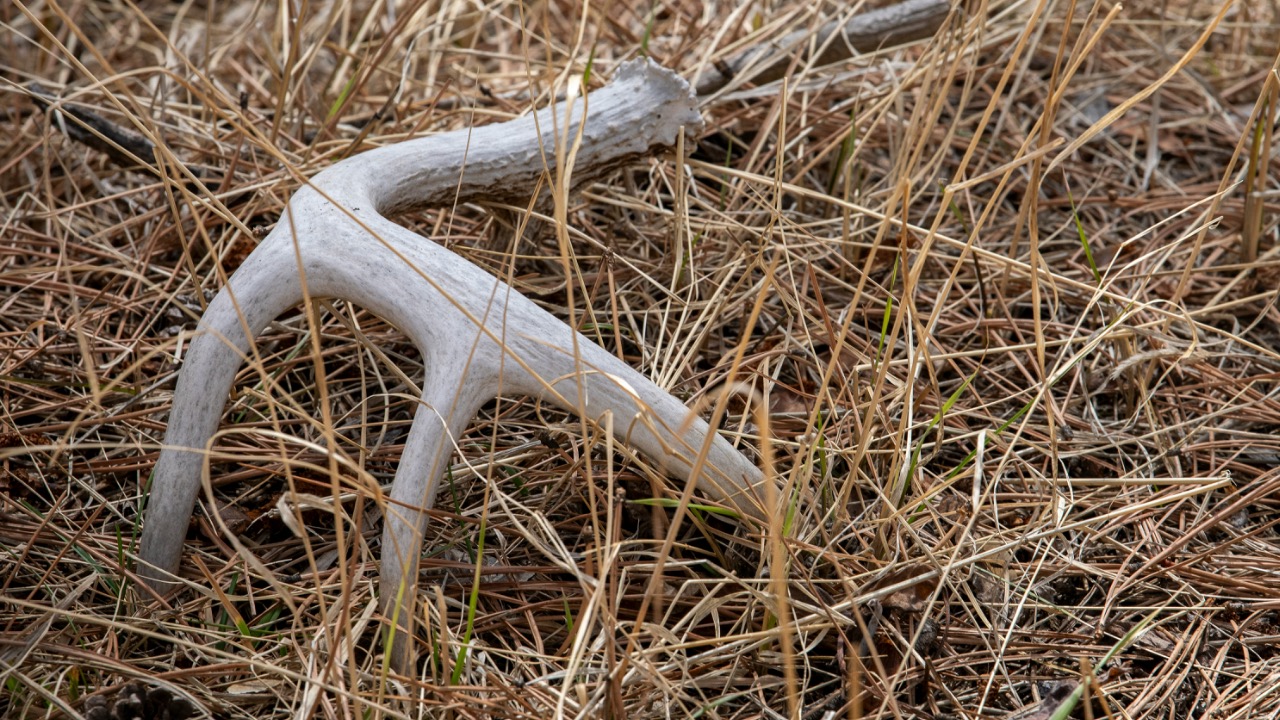
An antler doesn’t stand out the way you think it should. The color matches dead grass, dirt, and timber almost perfectly.
You’re not looking for something bright—you’re looking for curves and lines that break the pattern. That takes a trained eye and a slow pace. Even then, it’s easy to miss one lying in plain sight. The woods are built to hide things, and sheds fit right in.
Many Sheds Fall at Night
A lot of bucks drop their antlers overnight while feeding or moving between bedding areas. That adds another layer of randomness.
You’re not watching it happen, and you don’t know the exact location. By the time you’re walking that ground, you’re already behind the moment it hit the dirt. You’re piecing together sign and hoping it lines up.
Human Competition Is Higher Than Ever
Shed hunting isn’t a secret anymore. More people are out there every year, covering the same ground you are.
Public land gets picked over quickly, sometimes within days of peak drop. Even private ground sees more traffic if access is shared. That means a lot of antlers never stay on the ground long enough for you to find them. You’re not only racing nature—you’re racing other hunters.
You can do everything right—scout well, hit the timing, walk the right terrain—and still come up empty. That’s part of it. Finding sheds isn’t easy because it isn’t supposed to be.
But when you finally spot that curve in the leaves and pick it up, you’ll know exactly why you kept going back out.

Asher was raised in the woods and on the water, and it shows. He’s logged more hours behind a rifle and under a heavy pack than most men twice his age.