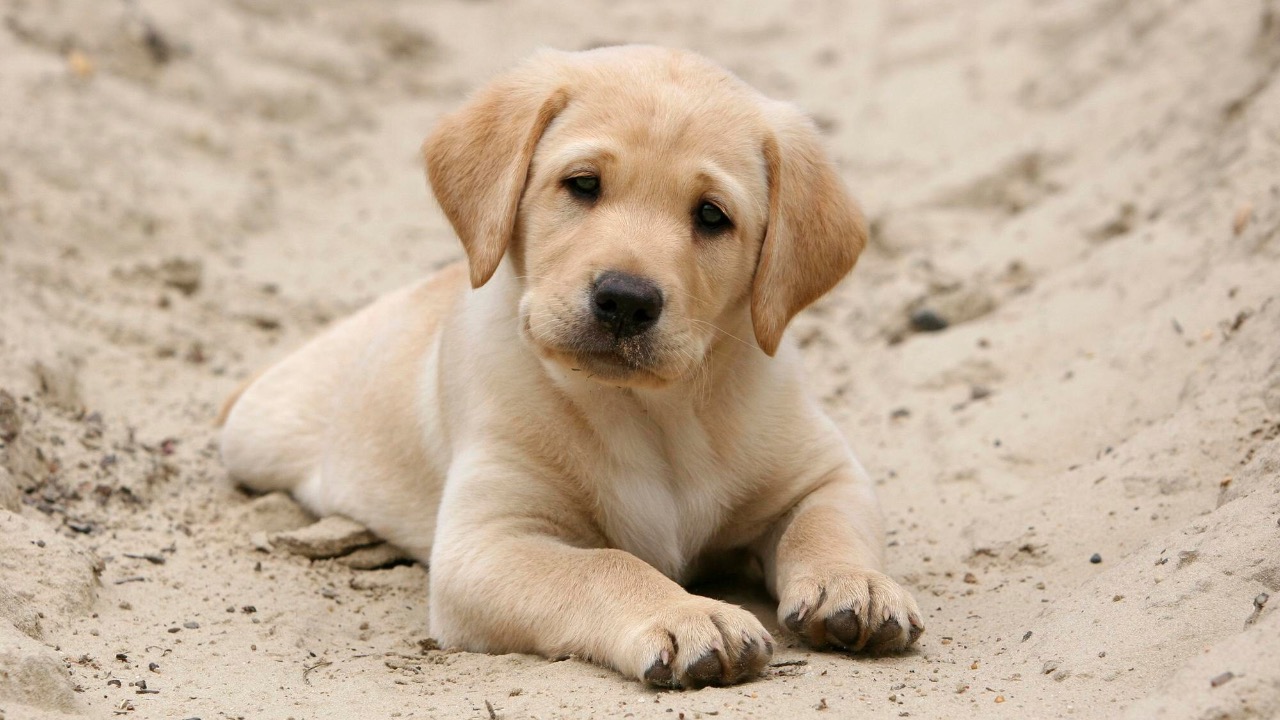
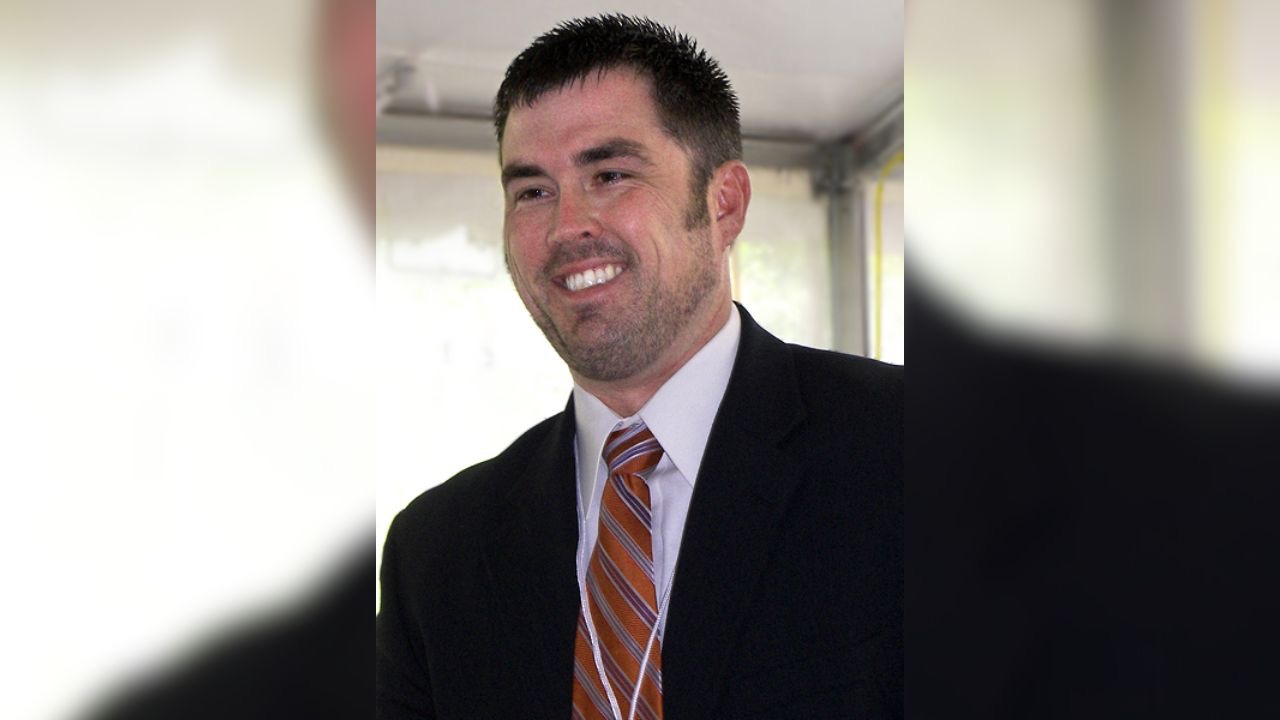
Marcus Luttrell involved in high-speed chase after attack that killed his dog
Marcus Luttrell’s late-night pursuit of the men who shot his dog began as a moment of raw grief and turned into a high-speed chase across rural Texas. The former Navy SEAL, celebrated for surviving a notorious firefight in Afghanistan, reacted with the instincts of a combat veteran when he found his yellow Labrador dying outside his home. What followed was a dangerous pursuit that raised questions about trauma, justice and how far a victim can go in the heat of the moment.
The killing of Luttrell’s dog, DASY, did more than spark a police case. It reopened psychological wounds from war, spotlighted the bond between veterans and service animals, and left a community weighing sympathy for a hero against concern over vigilante-style action on public roads.
The night DASY was killed
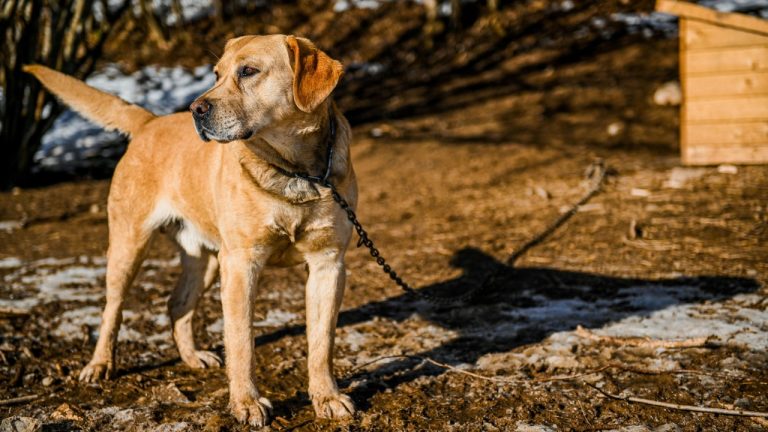
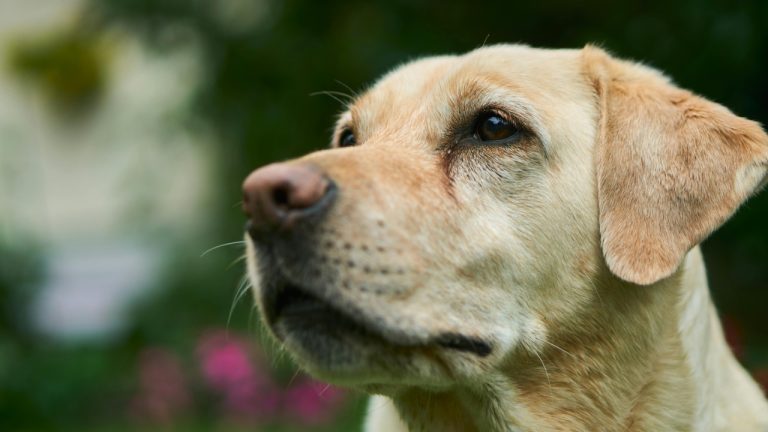
On a quiet April night near Huntsville, Texas, Marcus Luttrell heard a gunshot outside his rural property and soon discovered his dog DASY bleeding in the yard. As part of his recuperation from combat injuries, Luttrell had been given a yellow Labrador puppy whose name, DASY, carried the initials of fallen teammates. The animal was not just a pet but a living link to comrades lost during Operation Red Wings.
According to local reporting, Luttrell later said he could see from a blood trail that DASY had tried to escape before collapsing. In a phone interview on a Wednesday in Apr, he recalled, “I could tell she tried to get away because there was a blood trail,” and added that he did not sleep at all for at least six months after the killing, a detail captured in one account of his. The scene outside his home was not just a crime but a trigger that pulled him back into the worst memories of combat.
From 911 call to high-speed pursuit
After finding DASY, Luttrell spotted a suspicious vehicle leaving the area and decided to follow it. He got into his truck and began what would become a long, high-speed chase through parts of east Texas, at times reportedly reaching interstate-level speeds as he tried to stay on the suspects’ tail. The pursuit covered significant distance before officers intervened and brought it to an end.
During the chase, Luttrell stayed on the phone with a 911 operator, a call that later became part of the public record. At one point the 911 operator asked, “Are you chasing them because they shot your dog?” and Luttrell replied, “Yeah, that’s right.” The exchange, preserved in a transcript that captures the operator and Luttrell in real time, is detailed in a segment of the. The operator pressed him for details about the suspects while also trying to keep him focused on safety until law enforcement could catch up.
Authorities have said that the vehicle Luttrell followed was eventually stopped by Sgt Lee Parrish with the Onalaska Police Department after officers were alerted to the ongoing pursuit. A local official named James recounted that the driver, identified as Hernandez, was taken into custody and later released on bond after being charged in connection with the dog’s killing, according to a report on how vehicle was eventually.
Who Marcus Luttrell is, and what DASY meant
To understand why Luttrell risked a high-speed chase, it helps to understand his history. He is widely known as a highly decorated Navy SEAL and the “Lone Survivor” of Operation Red Wings, a disastrous mission in Afghanistan in which three teammates were killed and he was gravely wounded. His public profile as Marcus Luttrell has since grown through books, speaking engagements and a film adaptation of his combat experience.
As part of his recovery from those injuries and the psychological toll of war, Luttrell was given DASY as a companion. Each letter in DASY’s name represented one of his fallen teammates, a symbolic tribute that turned the dog into a daily reminder of those who did not make it home. One profile of Luttrell and his dog describes how the 4-year-old yellow Labrador was at the center of his healing process, and notes that the animal’s presence was so meaningful that the lack of a license became an afterthought, as reflected in a description of “wounds.
When DASY was killed, Luttrell did not just lose a pet. He lost a living memorial to his friends and a key part of his coping strategy for post-traumatic stress. That emotional weight helps explain why his reaction moved so quickly from shock to pursuit.
How the suspects were caught
While Luttrell followed the suspects, law enforcement agencies across multiple jurisdictions coordinated to track the vehicle. A Texas Department of Public Safety spokeswoman later explained that Marcus Luttrell had been at his Huntsville home when he heard the gunshot and then saw a car leaving the area, prompting him to follow. According to that account, the suspects were believed to have shot his yellow Labrador outside his home, information that was relayed in a report on how a Texas Department of spokeswoman described the chase.
Earlier coverage from local authorities indicated that two New Waverly men were eventually arrested in connection with the shooting. One report identified Hernandez as the driver and noted that the men were from NEW WAVERLY, with the phrase “Two New Waverly” men used to describe them, and that they faced allegations of animal cruelty after the incident, as detailed in a story introduced with the line “By Brad Meyer April” that summarized the two arrested in.
Law enforcement officials have said that despite the length and speed of the chase, there were no reported injuries from the pursuit itself. Officers were able to intercept the suspects’ vehicle and take the men into custody without shots fired, a result that likely prevented a volatile situation from becoming even more dangerous.
Grief, trauma and the limits of self-help
The emotional intensity of Luttrell’s response is clear in how he later spoke about DASY. In one interview, he likened the loss of his dog to losing a child, telling a reporter that the animal meant so much to him that “to me it’s like my daughter,” a sentiment captured in a local television segment. For a veteran who had already lost close friends in battle, the killing of a dog named for those friends carried a layered kind of grief.
Other coverage emphasized how the incident reopened old wounds from Afghanistan. One detailed profile described how Luttrell’s sleep was shattered after DASY’s death and how the sound of the gunshot and the sight of the blood trail transported him back to the battlefield. The same piece noted that the trauma was so severe that he struggled with daily routines for months, reinforcing the idea that this was not an isolated act of cruelty but a trigger for deeper psychological pain.
At the same time, the high-speed nature of the chase raised concerns among some observers about the risks of victims taking matters into their own hands on public roads. Luttrell’s background as a Navy SEAL, which one report highlighted in describing how a “highly decorated” operator tracked the suspects, meant he had training that most civilians do not. Yet even with that training, the pursuit could have ended in a crash or a confrontation that put bystanders at risk, a tension that continues to shadow discussions of the case.
Aftermath and ongoing legacy
In the legal aftermath, the men accused of killing DASY faced animal cruelty charges. A later summary of the case noted that one defendant was eventually found guilty of animal cruelty and fined $1,000, a detail included in a section that begins with “On March” in a public record of Luttrell’s life events. The outcome did little to erase the emotional toll on Luttrell but provided a formal acknowledgment that the killing of his dog was a criminal act.

Leo’s been tracking game and tuning gear since he could stand upright. He’s sharp, driven, and knows how to keep things running when conditions turn.