Wildlife myths people still believe—and why they’re wrong
Wild animals live under a cloud of hand-me-down “facts” that often say more about human fear and folklore than about biology. Those stories shape how people vote, what they teach children, and even whether an animal is helped or harmed when it appears in a backyard. Clearing up a few of the most stubborn myths reveals not only where the stories went wrong, but also how a better understanding can protect both people and wildlife.
Myth 1: Opossums are dirty, rabid pests
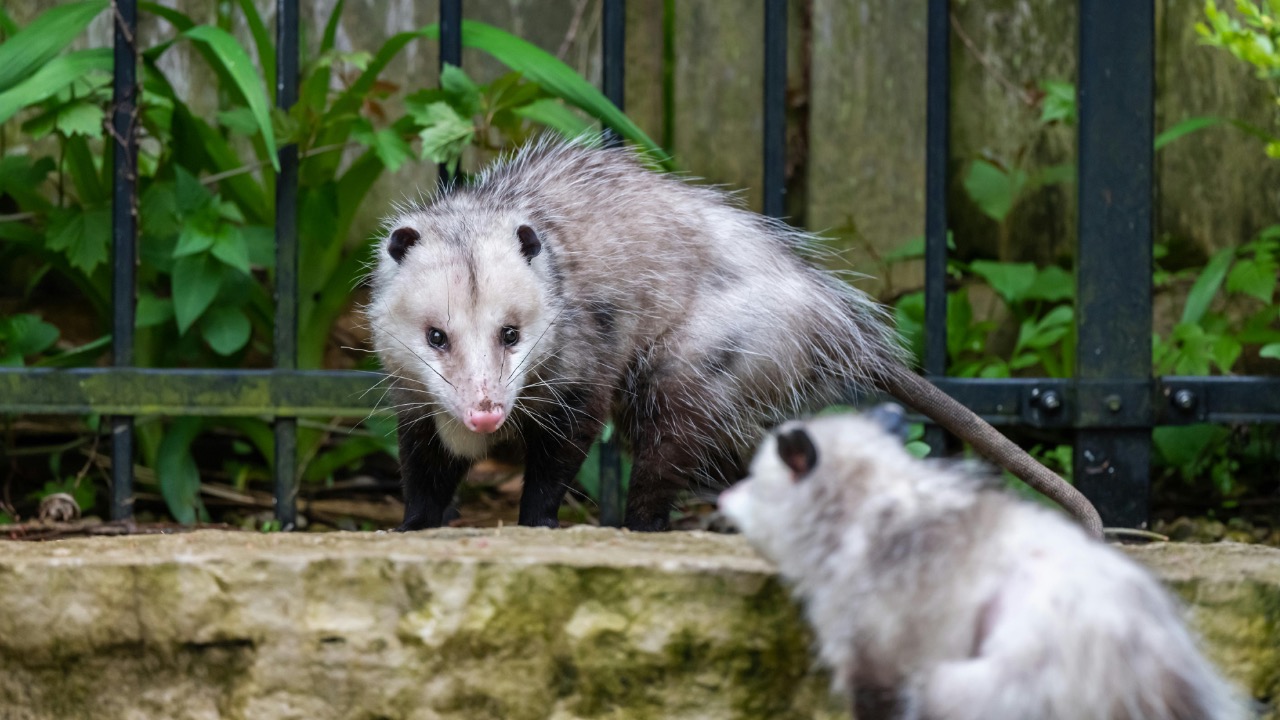
Opossums are often treated as disease-ridden intruders, yet their biology tells a different story. These marsupials have body temperatures lower than many mammals, which makes it difficult for the rabies virus to take hold. Wildlife rehabilitators routinely report that suspected rabies cases in opossums almost always test negative, a pattern that aligns with what researchers know about their immune systems and the way their bodies handle pathogens.
They are also far from useless scavengers. Opossums quietly provide pest control, and studies of their diet show that they eat large numbers of ticks, slugs, and even venomous snakes, making them unexpected allies in suburban yards. Their famous habit of “playing dead” is not a theatrical choice but an involuntary response to extreme stress, a survival strategy that can confuse predators long enough for the animal to survive. Basic field guides to opossum biology emphasize this freeze response as one of the species’ defining traits.
Misconceptions start early. Children’s stories and backyard gossip often paint opossums as aggressive, even though the trademark open-mouthed hiss is largely a bluff. When cornered, most individuals either freeze or faint instead of attacking. Resources that profile Virginia opossums describe them as shy, nocturnal foragers that prefer to avoid conflict whenever possible.
Even the image of opossum babies hanging from tree branches by their tails is mostly a myth. Juveniles can briefly grip with their prehensile tails, but they do not sleep suspended like bats. Educational pages that feature young opossums point out that they spend far more time clinging to a parent’s back than dangling from branches.
Myth 2: Toads give people warts
The belief that touching a toad will give a person warts is one of the most persistent animal legends. Human warts are caused by specific strains of human papillomavirus, not by contact with amphibians. Dermatologists and wildlife educators consistently explain that viruses are highly specialized, and the ones that cause warts in people do not live on toad skin.
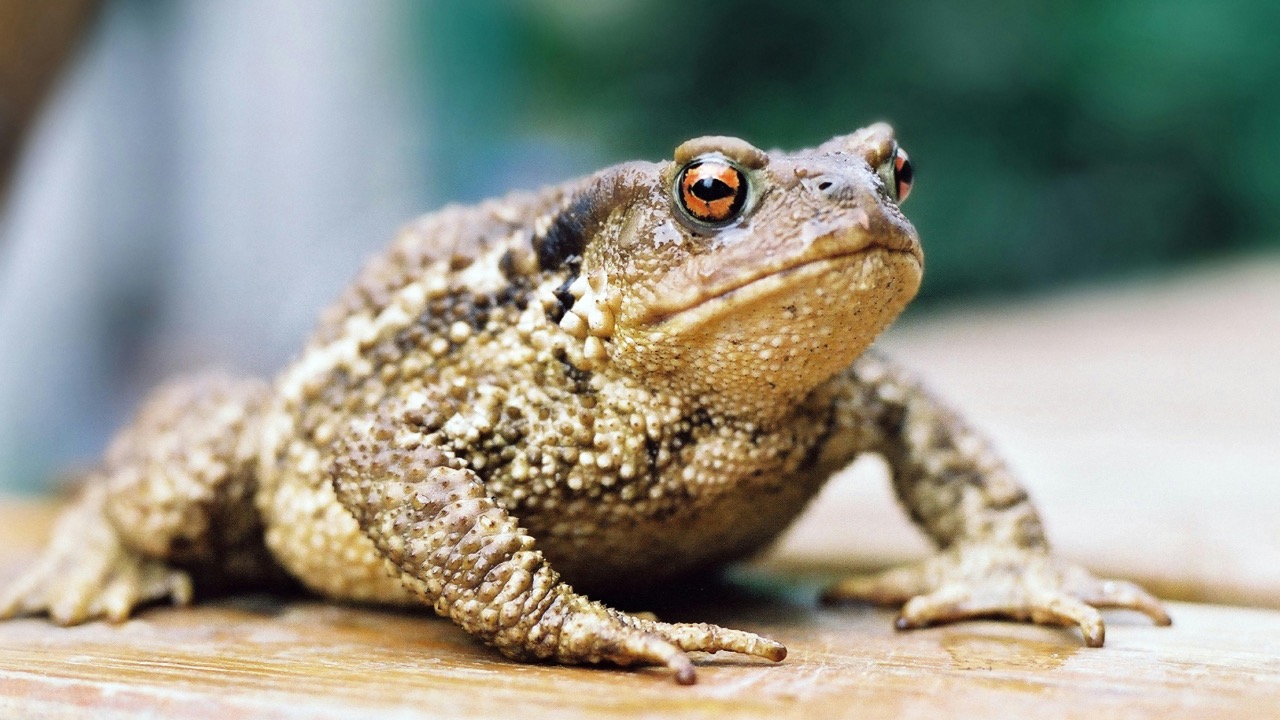
The confusion likely comes from the way toads look. Many species have bumpy, textured skin, and the large swellings behind the eyes are parotoid glands that secrete defensive chemicals. These glands can irritate a predator’s mouth or eyes, but they do not transmit the virus that causes human warts. Guides that describe true toads emphasize that their bumps are normal anatomy, not signs of infection.
There are still reasons to handle amphibians gently, or not at all. Their thin, permeable skin absorbs chemicals from sunscreen, insect repellent, or soap residue on human hands. Conservation groups that focus on toad conservation often advise observers to keep animals in place, rather than picking them up for photos, to avoid stress and potential exposure to pollutants.
Parents sometimes use the wart myth as a deterrent to keep children from handling wildlife. That instinct to protect kids is understandable, but it can backfire by teaching fear instead of respect. Clear guidance about washing hands after outdoor play and leaving wild animals where they are found does more to protect both children and amphibians than any story about cursed skin.
Myth 3: Goldfish have a three-second memory
Goldfish are often treated as disposable starter pets, partly because of the claim that they forget everything after three seconds. Controlled experiments tell a very different story. Researchers have trained goldfish to associate specific sounds with feeding and found that the fish can retain those associations for weeks and even months, returning to a feeding station when they hear the same tone.
Behavioral studies referenced in overviews of goldfish learning show that the species can navigate mazes, distinguish between shapes, and recognize individual tank mates. These are not the actions of an animal trapped in a perpetual three-second loop. Memory in fish is structured differently from memory in humans, but that does not make it trivial.
The myth has real welfare consequences. If people believe a fish cannot remember discomfort, they are more likely to accept cramped bowls with poor filtration or irregular feeding. Detailed care guides for pet goldfish stress that these animals can live for years in properly maintained aquariums or ponds, and that chronic stress from poor water quality or isolation can affect both behavior and lifespan.
Reframing goldfish as trainable, long-lived animals rather than forgetful decorations encourages better care. It also challenges a broader assumption that small or common species are somehow less deserving of thoughtful treatment.
Myth 4: Bulls hate the color red
The image of a bull charging at a red cape is iconic, but color is not what triggers the reaction. Cattle, including bulls, have vision that is less sensitive to red wavelengths than human vision. They see movement and contrast far more clearly than they see specific hues. Behavioral research summarized in discussions of how bulls respond to stimuli points to the motion of the cape and the overall stress of the arena as the real provocations.
In traditional bullfighting, the cape is red largely for human reasons. The color hides blood and creates a dramatic visual contrast for spectators. The animal reacts to the rapid swishing of fabric and to the presence of a perceived threat, not to the specific color. When researchers present stationary red objects to cattle, they do not elicit the same explosive response that moving capes do.
Understanding this myth matters because it reveals how easily humans assign motives to animals based on human senses. Bulls are powerful and potentially dangerous, but their behavior is driven by fear, pain, and training, not by a supernatural hatred of a particular color.
Myth 5: Touching a baby bird makes its mother abandon it
Many people are taught never to touch a fallen chick because the mother will smell human scent and reject it. That warning is well intentioned but not supported by how most birds actually behave. Songbirds have a limited sense of smell, and parental instincts are strong. Wildlife rehabilitators and ornithologists report that parents routinely continue feeding chicks that have been gently placed back in the nest after a fall.
Analyses of common bird myths explain that the real risk for a grounded chick is exposure to predators, heat, or cold, not parental rejection. Guidance for handling fallen baby birds typically recommends placing a feathered fledgling on a nearby branch or shrub so the parents can continue care, or returning a mostly naked nestling to its nest if it is safe to reach.
The myth persists partly because it offers a simple, memorable rule. In reality, a more accurate message is that people should intervene as little as possible, but when a chick is clearly in danger from pets, traffic, or exposure, a brief, calm assist back to safety can increase its odds of survival without severing the bond with its parents.
Myth 6: Camels store water in their humps
Schoolyard stories often claim that a camel’s hump is a built-in water tank. Anatomists and field biologists have long shown that the hump is made of fat, not liquid. That fat serves as an energy reserve that allows camels to travel long distances in harsh environments when food is scarce. When a camel uses up those reserves, the hump can sag, which may have helped fuel the misunderstanding.
Research that examines how camels manage extreme heat highlights other adaptations that truly relate to water. These include oval red blood cells that can handle significant dehydration and rehydration, the ability to concentrate urine, and nostrils that help reduce water loss with each breath.

Leo’s been tracking game and tuning gear since he could stand upright. He’s sharp, driven, and knows how to keep things running when conditions turn.