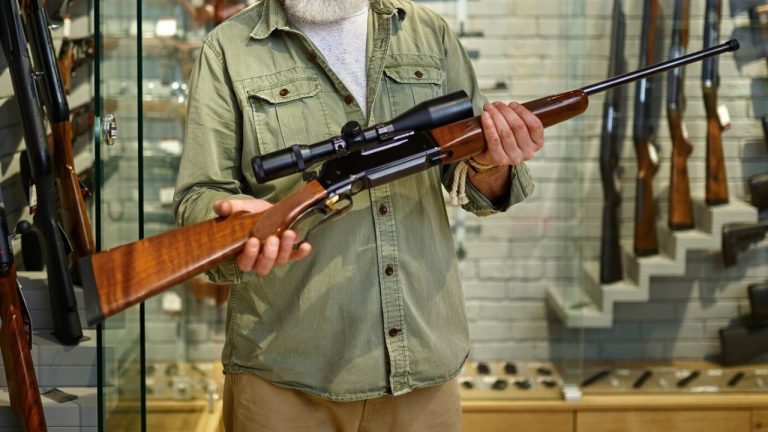
Firearm rules every national park visitor should understand
More than 300 m people roll through America’s national parks each year, many of them carrying concealed or open firearms under state permits. The rules that follow them through the gate are not guesswork or trailhead gossip; they are a tight web of federal law, state statutes, and site specific regulations that can turn a good trip sideways if visitors get them wrong. Anyone who brings a gun into a national park needs to understand not only where possession is legal, but also when that firearm must stay holstered, locked, or left at home.
The core promise behind firearm rules in national parks is simple: protect people, protect wildlife, and keep the places wild while still respecting lawful gun ownership. In practice, that balance plays out in fine print that covers everything from state reciprocity to locked cases in campgrounds, from bear spray in grizzly country to the bright red “no firearms” placards on federal buildings. A visitor who knows those rules ahead of time is far more likely to stay safe, stay legal, and stay out of a ranger’s incident report.
The federal rule that opened the door

The modern framework for guns in national parks starts with Sec 512 of P.L. 111-24, a federal law that took effect in 2010 and rewrote how visitors can carry. Before that change, firearms were heavily restricted in most park units, often limited to unloaded guns stored away from immediate reach. After Congress passed Sec 512 of P.L. 111-24, national parks and national wildlife refuges were folded into the same basic pattern that already applied on other federal lands, tying firearm possession to the law of the state where the park is located instead of a separate federal standard.
That shift is spelled out plainly in multiple park level policies, including the Firearms Policy for Shiloh National Military Park, which explains that a “new federal law (Sec. 512 of P.L. 111-24)” makes national parks and national wildlife refuges mirror state firearm rules. The same federal authority is echoed in the broader National Park Service guidance on Firearms in National, which notes that possession in areas administered by the National Park Service depends on the state in which the park sits. For visitors, that means the first step is not a federal code book, but the state statutes on carry, transport, and prohibited locations.
State law rules the trail, not federal guesswork
Once inside a national park, a visitor’s ability to carry a handgun or long gun largely lives and dies with the state law under their boots. The National Park Service explains that “In areas administered by the National Park Service, an individual may possess a firearm” only if they are in compliance with federal law and the laws of the state where the park is located, which is laid out in its guidance on Possession of Firearms in National Park Units. A concealed carry permit that is valid at home may be worthless at the trailhead if the host state does not recognize it, and permitless carry states treat park visitors much like any other resident walking down a public road.
Several park specific rules drive that point home. Colorado National Monument’s guidance on Firearms Regulations in the Park explains that, as of February 22, 2010, people who can legally possess firearms under applicable federal, state, and local laws may carry them, while warning that some concealed weapons permits are not recognized. Voyageurs National Park’s Firearm Regulations add that, as of February 22, 2010, visitors must comply with federal, Minnesota, and local law. For anyone planning a multi state road trip that bounces between parks, the takeaway is blunt: research each state’s reciprocity and carry rules before packing the truck.
Where carry is legal, and where it stops at the door
Even when a visitor is fully legal to carry under state law, that does not mean the firearm can go everywhere inside the park boundary. The National Park Service’s own frequently asked questions explain that visitors are responsible for understanding both federal and state rules, and that certain locations remain off limits regardless of permits, as described in its Feb guidance. The clearest line is around federal facilities: buildings like visitor centers, ranger stations, administrative offices, and maintenance shops are governed by separate federal statutes that prohibit firearms inside, often marked by the familiar sign at the entrance.
Real world examples make the rule easier to picture. Guidance shared about Yellowstone explains that it is legal to carry a firearm in the park, however visitors cannot bring guns into any federal building such as visitor centers or employee housing, and hikers are urged to bring bear spray instead. Hot Springs National Park’s own rules under the heading Hot Springs National state that, as of February 22, 2010, people who can legally possess firearms may have them in the park, but they still must obey the ban on guns in federal facilities. The bottom line is that a permit might cover the campground and the overlook, but it stops at the front door of a building with federal employees behind the desk.
What “possession” really means on the ground
Legal possession in a national park is not limited to a pistol on a hip; it covers every firearm in a vehicle, tent, or boat as long as the person can lawfully own it under state and federal law. The National Park Service explains that in areas administered by the National Park Service, an individual may possess a firearm if they meet those requirements, and that this rule applies across National Park Units, as outlined in its guidance on National Park Units. A revolver secured in a lockbox under the truck seat or a rifle cased in the bed are still subject to the same rules as a handgun carried openly on a belt.
Several outside guides aimed at gun owners echo that reading. One overview of guns in national stresses that firearm possession is allowed in most parks if the visitor can legally possess the gun under state law, but that does not automatically grant permission to use it for hunting or target practice. Another guide on national park gun walks through the Historical Context and explains that pre 2010, firearms were generally prohibited or tightly controlled, while current rules allow possession but still restrict activities like hunting and recreational shooting. For visitors, the practical move is to treat every firearm in the rig as “in the park” the moment the tires cross the boundary.
No, that gun is not a hunting ticket
One of the biggest misconceptions among first time visitors is that a legal carry gun doubles as a hunting license once they see deer, elk, or small game inside a national park. The National Park Service is blunt about that point, explaining that wildlife is protected by federal law and that the discharge of a firearm is prohibited except in very narrow circumstances, as set out in Big Bend National Park’s firearms regulations. Those rules state that regulations to carry a firearm do not permit the discharging of a firearm, and that wildlife is protected by federal law, which means no plinking at cans, no informal target shooting, and no opportunistic hunting from the roadside.
That approach lines up with broader explanations in guides that focus on Historical Context, which note that firearm possession is allowed in national parks for self defense and lawful carry, but not for hunting or target practice. Some national preserves and adjacent lands do allow regulated hunting under specific seasons and state rules, but those are exceptions that are clearly identified and often require separate permits. For the average visitor in a standard national park, the gun on their hip is there for personal protection, not to fill a tag.
Self defense, bear country, and why spray matters
Plenty of visitors carry in national parks because they are thinking about two legged threats along with bears, mountain lions, and other predators. The National Park Service has made it clear that it strives to protect both people and wildlife, and that firearms are not recommended as the first line of defense against bears, as explained in its article on bearsprayfirearms. In that guidance, the section labeled Firearms explains that firearms are not recommended for stopping an attack and that Using a firearm during a bear attack may only worsen the attack by wounding the bear without stopping it.
The same message is reinforced in another National Park Service piece titled Staying Safe in, which states that the NPS strives to protect both bears and people and that bear spray is often more effective at deterring a charging bear than a handgun. Advice shared with visitors to Yellowstone notes that it is legal to carry a firearm there, however they are encouraged to bring bear spray and to contact park authorities immediately after any encounter with a bear. For anyone who spends time in grizzly country, the smarter play is usually a big can of spray on the chest strap and a clear understanding that a firearm is a last resort, not the primary plan.
Concealed carry, open carry, and permit pitfalls
Once visitors understand that state law controls, the next question is usually whether they can carry concealed, open, or both. Guides aimed at permit holders explain that, after the 2010 law change, people who can legally possess firearms under state law can carry them in national parks that fall within that state, but they also stress that visitors must verify how each state treats open carry, vehicle carry, and permitless carry. One detailed overview of concealed carry in notes that from Zion, to the Rocky Mountains, to Glacier National Park, over 300 m people visit one of America’s national parks every year and that those parks now follow state law on whether a visitor may carry concealed.
The same guide warns that carry rules do not override other restrictions, pointing out that discharge of firearms in most parks is strictly prohibited and that visitors need to understand local off limits areas such as schools or certain recreation sites near park boundaries. Another resource on carry permits underscores that even when a person can legally carry, there are still restrictions on where and how that firearm is handled, echoing the broader legal advice that Even if you can legally carry, there are still restrictions on where you can carry and how you handle the firearm. For national park visitors, that translates into a checklist before every trip: confirm permit reciprocity, check whether the state allows open carry, and plan how the firearm will be stored when entering federal buildings or crossing into states with tighter rules.
How park specific rules tighten the screws
Beyond the federal statute and state law, each park can add its own layer of regulation to deal with local conditions, visitor patterns, and resource protection. Hot Springs National Park’s section titled Hot Springs National explains that, as of February 22, 2010, a new federal law allows people who can legally possess firearms to have them in the park, but it also reminds visitors that they must comply with all other applicable laws and that discharge remains off limits. Colorado National Monument’s Firearms Regulations in go further by pointing out that some concealed weapons permits are not recognized, a detail that can surprise out of state travelers who assume their card works everywhere.
Big Bend National Park’s Important notice on firearms adds another wrinkle, reminding visitors that wildlife is protected by federal law and that the discharge of a firearm is prohibited, even though possession is allowed. The National Park Service also pushes out updates and reminders through tools like the official National Park Service app, which connects visitors with site specific rules, and through social channels such as the National Park Service page and the natlparkservice account. Anyone planning a trip should check the park’s website, mobile app listings, or ranger station bulletin boards for local firearm notices before they shoulder a pack.

Asher was raised in the woods and on the water, and it shows. He’s logged more hours behind a rifle and under a heavy pack than most men twice his age.