What it means when your dog puts its paw on you
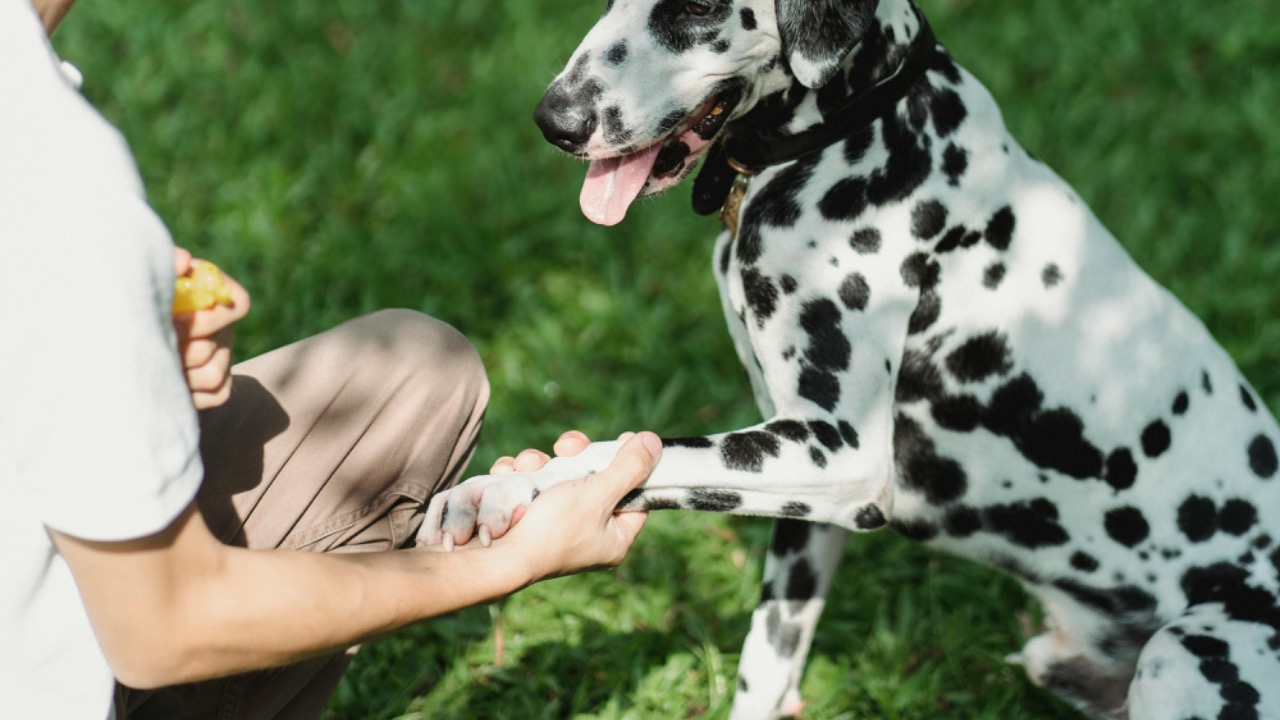
When a dog rests a paw on a person’s leg, arm, or chest, it can seem like a small gesture, but it often carries a clear message. Pawing is one of the main ways dogs interact physically with their favorite humans and can signal affection, stress, or a simple request for attention. Understanding what that touch means in context helps owners respond in ways that support both the dog’s emotional needs and good manners.
Researchers who study canine behavior have shown that dogs use a mix of body language, eye contact, and touch to communicate with people. A paw on a knee rarely happens in isolation, so the surrounding signals, from a soft gaze to a tense posture, are what turn that one movement into a love note, a plea, or even a warning.
Why pawing is such a common dog behavior
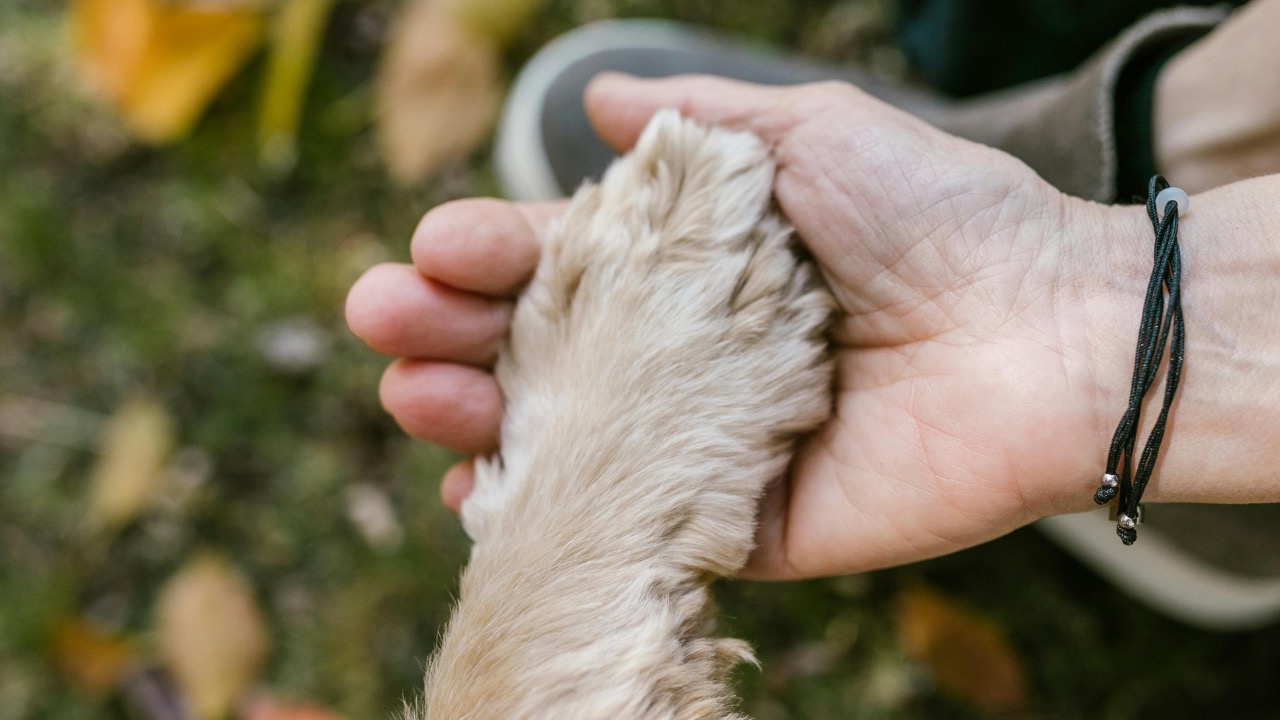
Dogs do not have many ways to physically interact with humans that are both gentle and precise. A paw is more controlled than a muzzle or full-body jump, which makes it a natural tool for communication. Trainers who work with pawing behavior describe it as a learned strategy that is reinforced every time a person looks at, talks to, or touches the dog after that tap or press. Once a dog discovers that placing a paw on someone reliably produces a response, the habit quickly becomes part of the daily routine.
Guides to canine body language explain that pawing sits alongside nudging, leaning, and head tilts as part of a broader set of signals that dogs use with people they trust. When a dog feels close to a person, it may combine a paw on the leg with resting its head on the same lap, a pattern highlighted in detailed breakdowns of how dogs interact with their owners in resources such as professional training advice.
Veterinary behavior specialists also point out that pawing is not always intentional communication. Some dogs develop it as a displacement behavior when they are unsure what to do, similar to scratching or licking. Over time, owners may unintentionally reward that uncertainty with treats or play, which turns a nervous habit into a standard request signal.
Affection and bonding: the “I love you” paw
One of the most common interpretations of a dog’s paw on a person is simple affection. When a dog is already being petted, relaxed, and comfortable, placing a paw gently on a hand or arm is often a way of extending that contact. Short educational clips for owners explain that when a dog puts their paw on someone while being stroked, it is frequently a way of saying that the attention feels good and should continue, a point that is illustrated in videos such as Jan behavior explainers.
Written guides that answer questions like “Why Do Dogs Put Their Paw on You? 6 Common Reasons” describe affection as one of the primary motivations behind this gesture. When a dog is lying close, breathing slowly, and making soft eye contact, a light paw on the leg can be read as a sign of emotional closeness. Some behavior resources even compare it to a human reaching out to hold someone’s hand, a small touch that reinforces a bond without demanding anything in particular.
Owners who see this pattern consistently, especially during calm evening routines or quiet moments on the couch, are likely witnessing what trainers call affiliative behavior. In these situations, the best response is usually to acknowledge the dog with a gentle word or stroke, which strengthens the positive association without turning every affectionate paw into a demand for treats or games.
“Pay attention to me”: requests for interaction
Not every paw is a love note. Many dogs quickly learn that touching a person’s arm or leg is a highly effective way to get noticed. Behavior explainers that look at why dogs put their paws on people describe this as a classic attention-seeking strategy. If a dog taps a person’s knee while they are on a laptop or phone, then wags, bounces, or runs to a toy, the message is clear: it is time to interact.
Resources that break down common reasons for pawing, such as Aug behavior guides, list requests for play, petting, or general engagement among the top explanations. Dogs that are bored or under stimulated may resort to increasingly insistent pawing, especially if quieter signals like sitting and staring have not worked in the past.
There is also a timing component to this request behavior. If a dog discovers that pawing just before a walk, a meal, or a game tends to speed things up, the habit can become tightly linked to specific routines. Over time, the dog is not only asking for attention in general but is specifically prompting the next expected activity.
Hunger, treats, and “you forgot something” reminders
Many owners notice that the most insistent paws arrive around meal times or when snacks are visible. Trainers quoted in behavior explainers describe pawing as one of the ways a dog may signal hunger or anticipation of food. A dog that sits in front of a person, looks back and forth between the face and the kitchen, then plants a paw on a leg is often delivering a clear reminder.
Some training resources that interpret pawing behavior, such as discussions of how a dog might be saying they are hungry in analyses of why dogs put their paws on people, stress that context is everything. If the dog has just heard the rustle of a treat bag or seen a food bowl come out, the paw is probably a direct request for that specific reward rather than a general plea for affection.
Owners need to be cautious about reinforcing this pattern. If every paw at the dinner table leads to a scrap, the dog learns that pushy behavior near food pays off. Behavior specialists often recommend ignoring paws that arrive during human meals and instead rewarding calm waiting, so the dog does not develop a habit of constant begging.
Stress, anxiety, and comfort-seeking paws
Pawing can also be a sign that a dog is uneasy. Veterinary behavior content that decodes pawing notes that anxious dogs may touch their owners more when they feel uncertain about the environment. A dog that trembles, pants, or yawns while placing a paw on a person’s leg is probably not asking for a game but for reassurance.
Detailed breakdowns of pawing behavior, including those that ask “Why Does My Dog Paw at Me?” in resources like Jan behavior explainers, highlight that dogs use physical contact as a coping strategy. During thunderstorms, fireworks, or visits to unfamiliar places, a dog may press both paws onto a person’s arm or lap, lean heavily, and seek eye contact. That combination suggests the dog is using the person as a safe base.
Scientific research on dog emotion and human interaction, such as studies cataloged through databases of animal behavior research, shows that dogs often look to their owners when they are uncertain, a phenomenon sometimes called social referencing. A paw on the leg can be part of that check-in. In these moments, calmly acknowledging the dog, offering a safe space, and reducing exposure to the stressor can help. Punishing or ignoring a clearly distressed animal can increase anxiety and may lead to more intense behaviors like barking or destructive chewing.
Learned behavior and unintentional training
Many pawing habits are created by people without them realizing it. Training guides that focus on why dogs put their paw on owners, including detailed explanations in resources like Mar behavior analyses, emphasize that any reaction can act as a reward. Laughing, talking to the dog, or even gently pushing the paw away still counts as attention.
When a dog is young, a single cute paw on the leg often leads to extra cuddles. The dog learns that the gesture works and repeats it whenever it wants contact. Over months or years, that small tap can turn into repeated scratching at clothes, laptops, or even faces, because the dog has never been shown a different way to ask politely.
Experts in canine learning theory explain this pattern as operant conditioning. The dog tries a behavior, receives a positive outcome, and becomes more likely to use that behavior again. Once pawing is part of the dog’s standard toolkit, owners need to decide which versions are acceptable and which should no longer be rewarded.
When pawing becomes pushy or problematic
Although a gentle paw is often harmless, behavior specialists warn that it can become a problem if it turns into constant pestering or physical scratching. Guides for pet parents point out that while the whole thing is undeniably cute, unchecked pawing can slide into demanding attention or food and may become a too frequent food begging gesture, a concern raised in training advice such as While the.
Some dogs use their paws with considerable force. Large breeds with heavy nails can leave scratches on skin or damage clothing and furniture if they are allowed to paw whenever they want something. Behavior explainers that list six reasons dogs put their paws on people caution that even though pawing is an endearing form of communication, it can become problematic if it turns into demanding or scratchy behavior, and they recommend rewarding only the calm, gentle touches.
In households with small children or older adults, strong pawing can also create safety concerns. A sudden shove from a medium or large dog may knock someone off balance. In those cases, teaching alternative behaviors is not just about manners but about preventing falls and injuries.
How to decode what a specific paw means
Because the same gesture can carry different messages, owners need a simple way to interpret what their dog is saying. Behavior guides suggest looking at three main factors: body language, timing, and environment. Body language includes tail position, facial expression, and overall posture. A loose body, soft eyes, and a slow tail wag paired with a light paw usually indicate affection or a desire for gentle contact.
Timing can be just as revealing. A paw that arrives exactly when a person sits down with food is more likely about hunger than love. Behavior explainers that cover why dogs put their paws on people describe how a dog might be saying they are hungry when they combine pawing with watching the kitchen or licking their lips, a pattern discussed in interpretations linked through Feb behavior breakdowns.
The environment adds the final layer. Loud noises, visitors, or changes in routine can all push a dog toward more contact seeking. A dog that rarely paws but suddenly does so during a thunderstorm is probably asking for comfort. By contrast, a dog that paws every time a person opens a laptop has likely linked that specific object to a loss of attention and is trying to pull focus back.

Leo’s been tracking game and tuning gear since he could stand upright. He’s sharp, driven, and knows how to keep things running when conditions turn.