Firearms that became impossible to find overnight
You don’t always see it coming. One week a rifle is sitting on racks across the country, the next it’s gone—cleaned out by panic, politics, or a sudden shift in demand. If you’ve been around long enough, you’ve watched it happen more than once. A bill gets introduced, an import rule changes, or a viral rumor spreads, and suddenly everyone wants the same gun at the same time.
What follows isn’t hype—it’s a look at firearms that really did dry up fast, and why. In most cases, it wasn’t the gun itself. It was timing, policy, or plain human behavior that flipped the switch overnight.
AR-15 Pattern Rifles During Political Surges
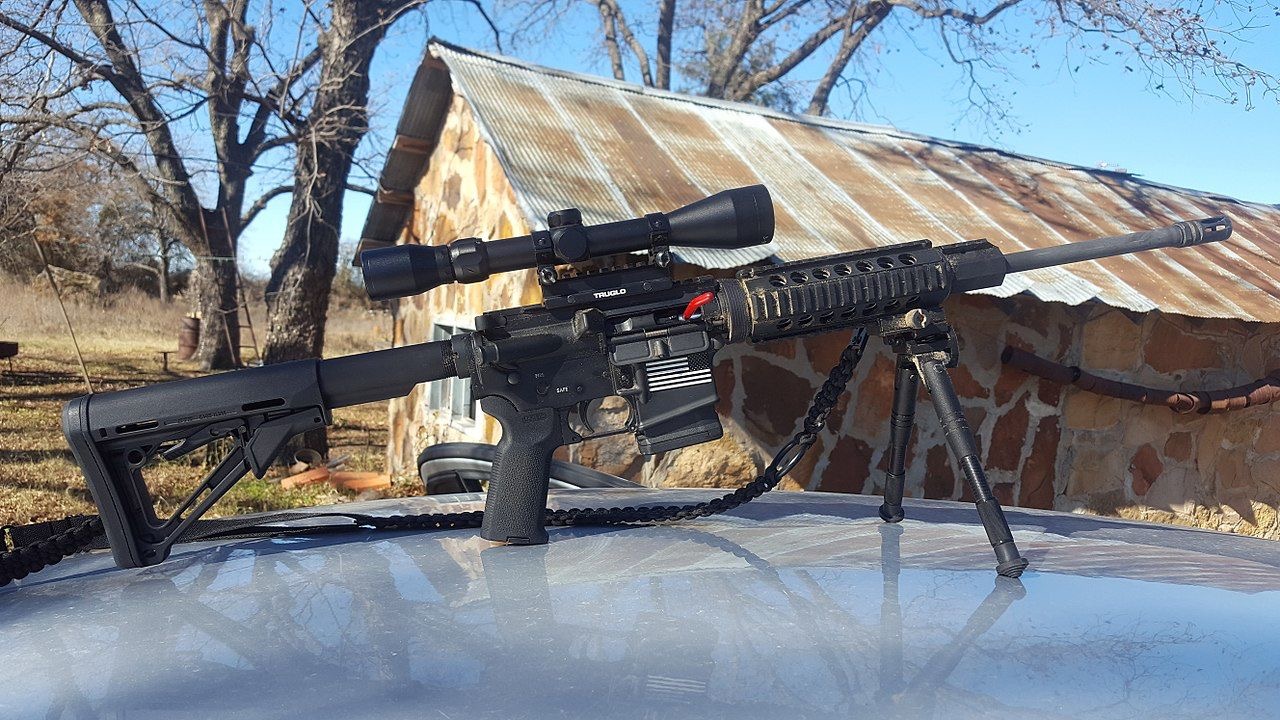
You’ve seen how fast AR-15s vanish when talk of restrictions picks up. It doesn’t take a signed law—sometimes the rumor is enough. Dealers go from steady inventory to empty walls in a matter of days.
What drives it is predictability. Buyers assume future limits on features or availability, so they move early. Manufacturers can’t keep pace with that kind of spike, especially when parts and supply chains tighten at the same time. The result is a sudden shortage that can last months, even after the initial panic cools. It’s one of the clearest examples of demand outrunning supply in the firearms world.
Imported AK Variants After Sanctions and Bans
AK-pattern rifles have a long history of disappearing fast, especially when import rules change. When sanctions hit countries like Russia, or when specific models get restricted, supply can shut off almost overnight.
You’re dealing with a pipeline that depends on international policy. Once that pipeline closes, what’s already in the country is all there is. Prices climb, and availability drops to near zero. It’s not uncommon to see rifles that were widely available one month become collector pieces the next. The shift feels sudden because, in many cases, it is.
5.45×39 Rifles After Ammo Import Restrictions
Rifles chambered in 5.45×39 were always tied closely to ammunition imports. When restrictions hit surplus and foreign ammo sources, interest in these rifles dropped for a while—then availability followed.
What made them hard to find wasn’t just demand. It was the realization that the ecosystem around the cartridge had changed. Once shooters saw ammo drying up, they either held onto what they had or stopped selling altogether. That tightened the market quickly. You ended up with fewer rifles moving, fewer listings, and a quiet kind of scarcity that crept in almost overnight.
Pump Shotguns During Early Pandemic Buying
At the start of the COVID-19 pandemic, basic pump shotguns disappeared faster than most people expected. Models that had been steady sellers for decades were suddenly nowhere to be found.
First-time buyers drove a lot of that. They weren’t chasing high-end builds—they wanted something reliable and familiar. Pump guns fit that bill. Manufacturers were already dealing with workforce and logistics issues, so they couldn’t ramp up fast enough. Within weeks, shelves were bare. It wasn’t long before even used models were getting snapped up as soon as they hit the floor.
Concealed Carry Pistols During Civil Unrest
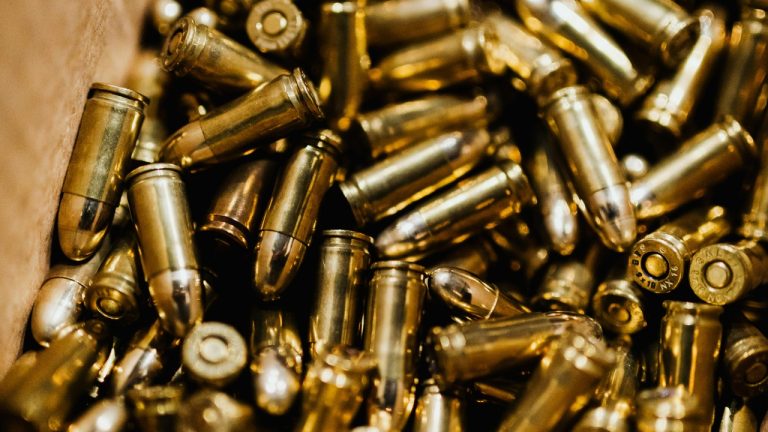
Compact and subcompact handguns tend to vanish during periods of unrest. When concealed carry demand spikes, those smaller pistols go first.
You’re looking at a mix of new buyers and experienced ones adding backups. Popular models in 9mm are usually the first to go, followed by anything comparable in size and capacity. Dealers often report waiting lists forming within days. Once inventory dries up, it stays that way for a while because those same models are always in demand, even under normal conditions.
Surplus SKS Rifles After Import Dry-Ups
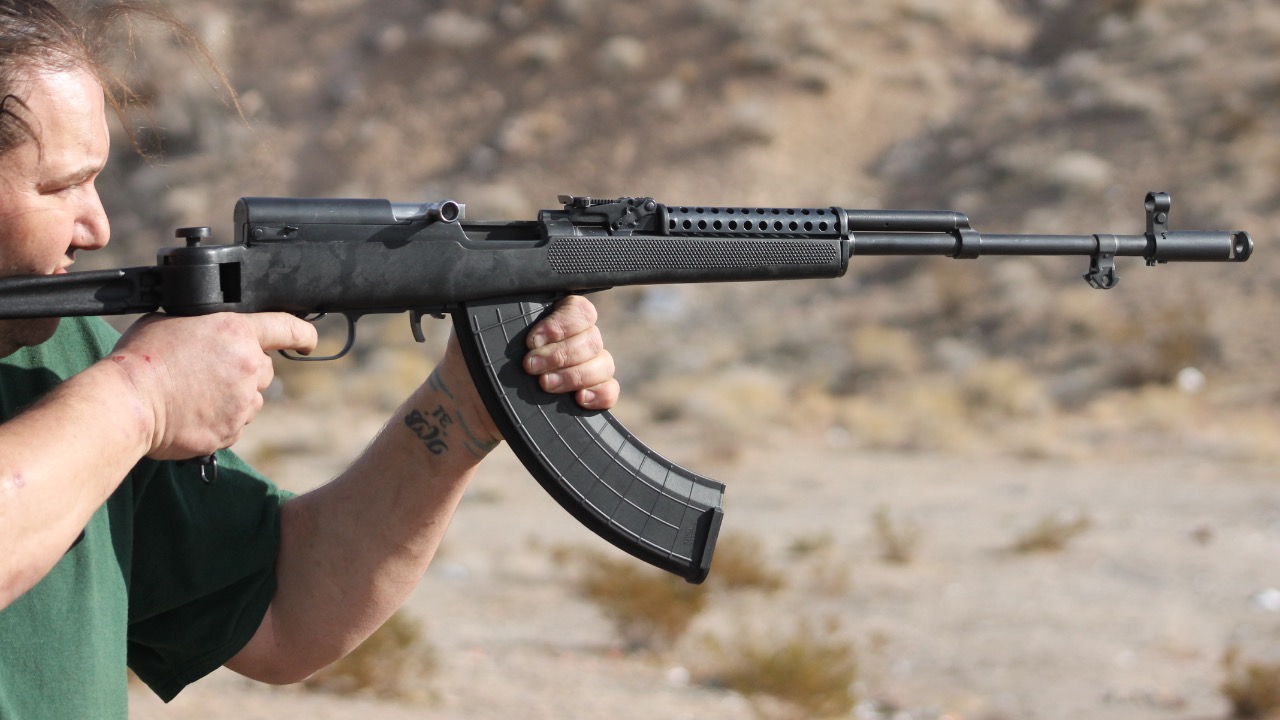
There was a time when SKS rifles were stacked deep and priced low. That changed when import sources slowed and eventually tightened up.
The shift didn’t feel dramatic at first. Prices crept up, shipments got smaller, and then they stopped showing up altogether. What had been a common entry-level rifle became something you had to hunt for. The overnight feeling came when buyers realized the supply wasn’t coming back in volume. After that, every clean example started disappearing as soon as it hit the market.
.22 LR Firearms During the Rimfire Shortage
When .22 LR ammo got scarce in the early 2010s, it didn’t take long for the firearms chambered in it to follow. You might expect demand to drop with ammo shortages, but the opposite happened.
People bought rifles and pistols whenever they found ammo, and they bought ammo whenever they found guns. It created a loop that kept both in short supply. Even basic plinking rifles became hard to track down. Dealers couldn’t predict what they’d get or when, and buyers took whatever showed up. It was one of those stretches where the smallest cartridge caused some of the biggest headaches.
Lever-Action Rifles During Recent Market Swings
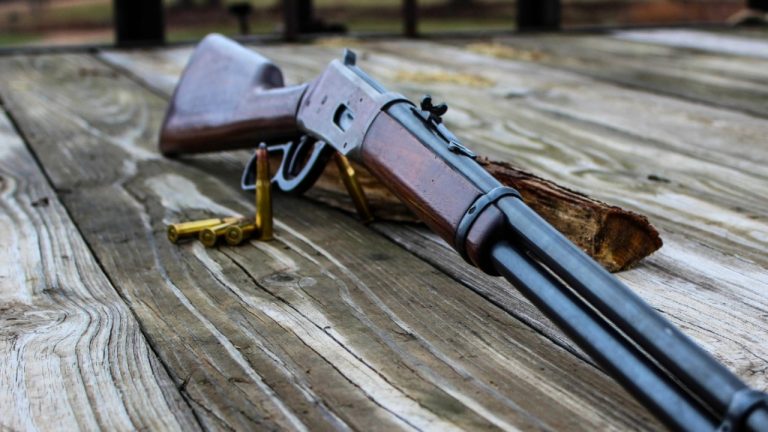
Lever guns have seen a resurgence, and with it, sudden gaps in availability. When demand picked up in the last few years, certain calibers and models disappeared almost as quickly as they arrived.
Part of it comes down to production pace. Lever-action rifles aren’t churned out in the same volume as modern semi-autos. When interest spikes—whether from new shooters or longtime hunters circling back—inventory gets thin fast. Add in supply chain issues and rising material costs, and you’ve got a recipe for empty shelves. It doesn’t take much for a steady market to tip into a shortage.
You don’t need a crystal ball to see these patterns. Pay attention to policy, imports, and how people react under pressure, and you’ll have a pretty good idea what might disappear next. In this space, “overnight” doesn’t always mean a single day—but it can feel that way when the rack you counted on is suddenly empty.

Asher was raised in the woods and on the water, and it shows. He’s logged more hours behind a rifle and under a heavy pack than most men twice his age.