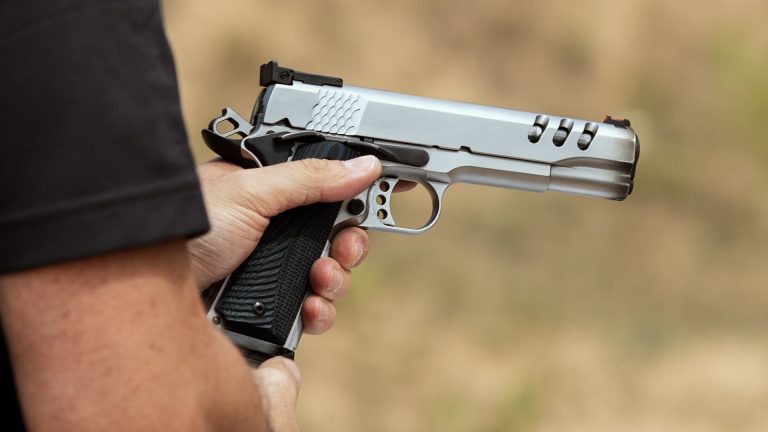
Fourteen lever guns hunters keep returning to
Lever actions have never really left North American deer camps, but in the last few seasons they have shifted from nostalgic backup rifles to primary tools again. Hunters are gravitating toward a core group of fourteen repeat performers that balance fast handling, practical power and a form factor that still fits tight blinds and thick timber. I set out to trace why these specific lever guns keep earning return trips to the field, and how they span everything from 19th century classics to modern, optics‑ready workhorses.
Why lever guns still solve real hunting problems
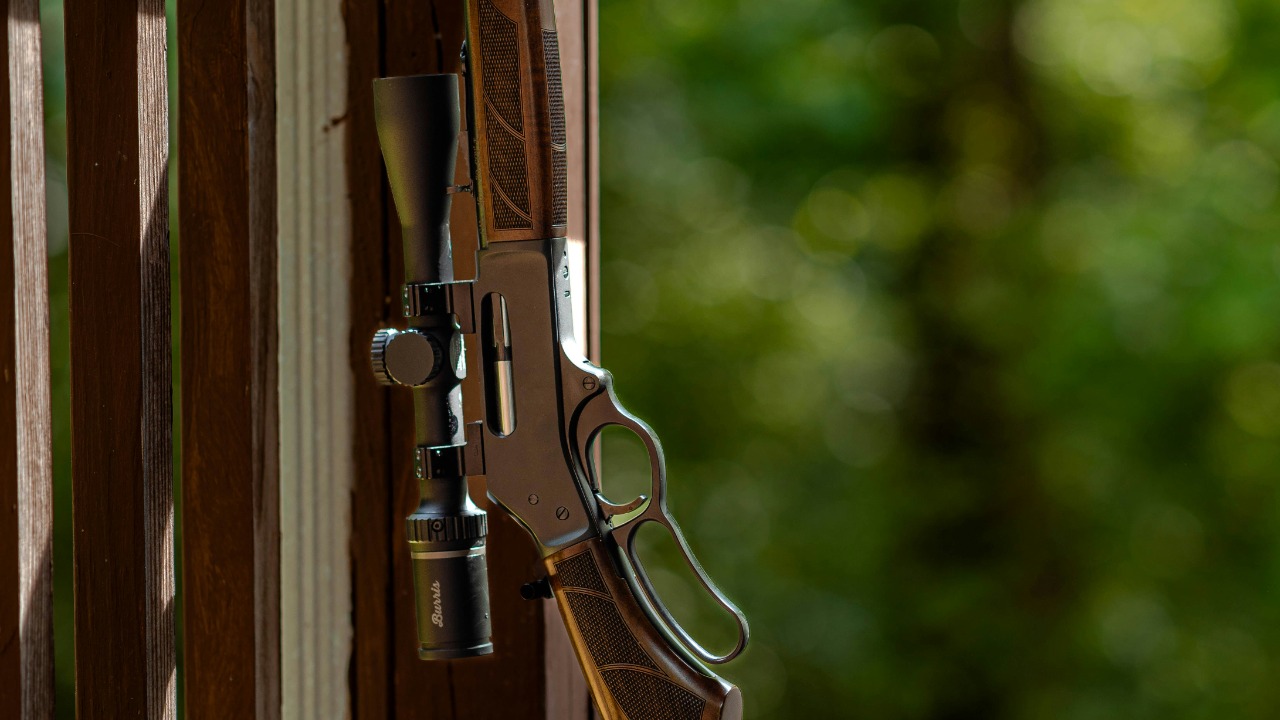
For all the talk about long‑range precision, most big‑game animals in the eastern half of the country are still taken at modest distances in brush, timber and broken farm country. Lever actions excel in that environment because they are compact, point naturally and cycle quickly without forcing a hunter to break cheek weld or lose the sight picture. When I look at the way Rewind the historical record, it is clear that a century ago racks in whitetail camps were dominated by these rifles for exactly those reasons, and the terrain has not changed.
Modern hunters are rediscovering that the same traits still matter, especially where straight‑wall cartridges or limited ranges are written into law. Detailed discussions of Lever Action Rifles point out that these platforms remain legal and effective in restrictive areas while offering fast follow‑up shots on moving game. That combination of compliance, speed and familiarity explains why Many deer are still being tagged with levers, and why a specific set of models keeps showing up in contemporary gear tests and campfire stories.
Winchester legends that refuse to fade
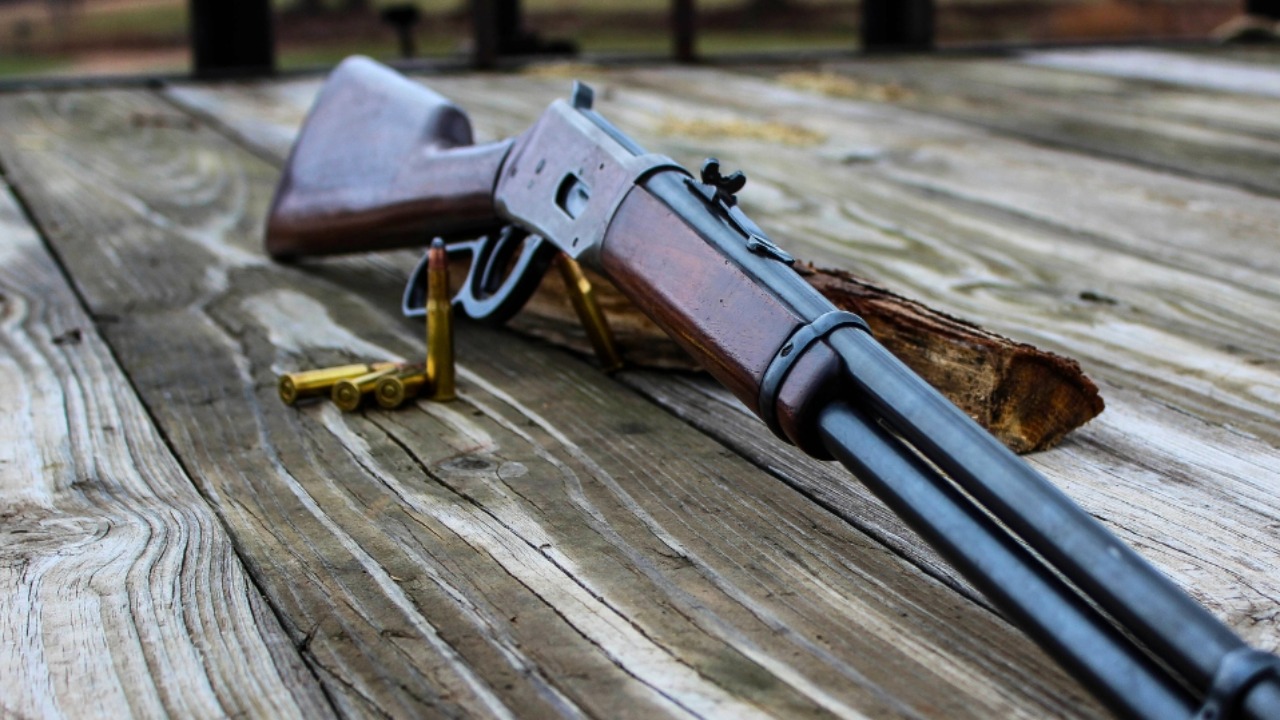
Any list of lever guns that hunters return to starts with Winchester, because its 19th century designs defined the category for generations. The THE QUICK LIST of classic rifles still singles out the Best Classic Lever Action as the Winchester Model 1873, and that verdict reflects more than nostalgia. The Winchester Model line combined reliable toggling actions with handy barrel lengths that still feel right in a tree stand or saddle scabbard, and the 1873 in particular remains a touchstone for hunters who split their time between the range and short‑range deer or hog work.
Sales history reinforces how deep that loyalty runs. In terms of raw numbers, the Model 1894 wins the title of best Winchester lever action hands down and remains the best‑selling lever rifle of all time. That kind of adoption did not happen by accident; the Winchester 1894 combined a strong action with smokeless‑capable cartridges that still anchor deer and black bear seasons. When I talk to hunters who keep an 1894 in the safe, they often describe it as the one rifle they will not sell, precisely because it has already proven itself across decades of seasons.
Marlin workhorses and the 336 revival
If Winchester built the archetype, Marlin refined the working lever gun that blue‑collar hunters still carry. The Marlin 336, with its solid top receiver and side ejection, made it easier to mount optics long before that became standard practice, and it earned a reputation as a no‑nonsense deer rifle. Even today, collectors tracking production trends note that the Model 336 saw steady sales over the years, which is another way of saying that hunters kept buying what worked.
That loyalty is now feeding a full‑blown comeback. On enthusiast forums, one thread bluntly states that Marlin is Back and highlights how Classic Hunting Rifles Make Return with models like the 336 and 1894 reappearing at SHOT Show. At the same time, field reports celebrate a pair of Model 336 M Marlin carbines set up as compact “trapper” rifles for trail carry. When I look at those examples together, it is clear that the 336 is not just a collectible; it is a living design that hunters are actively pressing back into service.
Big‑bore bruisers for close‑range authority
Among the fourteen repeat performers, several stand out because they deliver heavy bullets at modest velocities, a recipe that has always appealed to woods hunters who want decisive performance inside 150 yards. The modern face of that trend is the Marlin 1895 family, which current testing ranks as the Best Marlin in a lineup of Best Lever Action. The Marlin 1895 SBL, in particular, is chambered in .45/70 and marketed as a stainless, optics‑ready hammer for big game, with reviewers urging readers to See It as a top choice for elk, moose and bear in thick cover.
That same .45/70 chambering shows up repeatedly in hunter chatter, often contrasted with newer straight‑wall options. In one widely shared discussion of the best lever action rifle for hunting, a poster praises a 450 Bushmaster all day long in a bolt gun, then adds that a 45 70 lever remains a benchmark for power. That same thread mentions 70 as part of the classic cartridge designation and underscores how Bushmaster, Mine, Ruger American and Hornady loads are being weighed against traditional big‑bore levers. The takeaway is simple: when hunters want authority at woods ranges, they still reach for heavy calibers in fast‑cycling rifles.
Modernized classics and the tactical lever trend
Not every lever that keeps drawing hunters back looks like it stepped out of an old catalog. A new wave of rifles blends traditional actions with rails, synthetic stocks and suppressor‑ready barrels, targeting shooters who want one rifle that can handle both deer season and range duty. In a recent rundown of contemporary options, the Best Lever Action 2025, Tested and Reviewed, singled out the Best Overall Marlin 1895 Trapper Magpul as a short, threaded .45/70 that wears modern furniture yet still cycles like a classic. That same evaluation named a Best Classic Winchester as a nod to heritage, underscoring how the market now spans both ends of the spectrum.
Accessory makers are leaning into that shift. One prominent parts house explains that it invests heavily in R&D to design new performance parts for Henry Repeating Arms, Marlin Firearms, Smith, Wesson and Win branded lever rifles, as well as Levtac, Hugtek and G‑Force Arms lever‑action rifles. That kind of aftermarket ecosystem, with M‑Lok handguards, enlarged loops and improved triggers, is exactly what has already transformed the AR‑15 world. When I see similar energy around levers, it is no surprise that some hunters are now carrying what amount to “tactical” carbines into the deer woods.
Henry rimfires and the Golden Boy effect
While big‑bore centerfires get the headlines, a surprising number of hunters trace their loyalty to lever guns back to a .22 rimfire they learned on. Henry’s rimfire lineup plays an outsized role here, especially the Golden Boy series that combines brass‑colored receivers with smooth actions. In a video breakdown of top lever choices, the host notes that the next leveraction rifle should make sense as a Henry Golden Boy 22 LR if you have ever spent a lazy afternoon plinking at cans. That kind of formative experience matters, because it builds muscle memory and affection long before a hunter buys a first centerfire.
Rimfire levers also show up in more formal testing. A detailed Best Lever Action roundup, organized as THE QUICK LIST, highlights a Best Rimfire Lever Action in the Henry Classic Lev category alongside the Best Classic Lever Action Winchester Model 1873. When I connect those dots, it is clear that Henry’s small‑bore levers are not just training tools; they are serious small‑game and pest‑control rifles that keep hunters in the lever ecosystem year‑round. That constant use is one reason Henry models occupy several slots in any realistic list of fourteen go‑to lever guns.
Browning BLR and the high‑pressure outliers
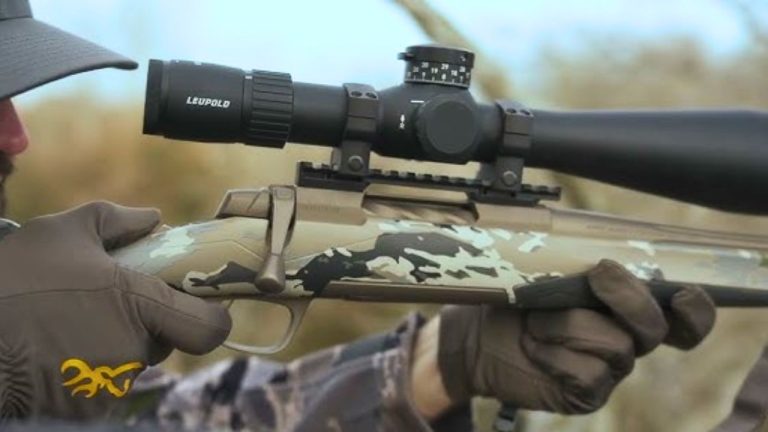
Most traditional levers rely on tubular magazines and flat‑nosed bullets, but a subset of hunters keeps returning to designs that break that mold so they can run modern high‑pressure cartridges. Browning’s BLR is the standout example, using a detachable box magazine and rotating bolt to handle rounds that are usually associated with bolt actions. Historical overviews of the category note that Browning BLR did not come along until 1971, which makes it a relative newcomer compared with 19th century Winchesters, yet it has carved out a loyal following among hunters who want lever ergonomics with .308‑class ballistics.
That hybrid appeal shows up in contemporary commentary on the lever‑action comeback. In one widely shared video, the host argues that a handful of modern levers can beat your AR for one rifle versatility, noting that a traditional profile looks way less tactical when you roll into a lease or camp while still staying old school fun and actually effective. The segment on Oct highlights how these rifles bridge the gap between heritage and performance. When I factor in the BLR’s ability to digest pointed bullets and high‑BC loads, it is easy to see why it occupies one of the fourteen recurring slots for hunters who split time between open country and timber.
Collectible icons that still hunt
Some lever guns keep returning to the field not because they are the newest or most modular, but because they sit at the intersection of history and utility. Collectors who track values and production runs consistently point to nine particularly desirable models, and their analysis notes that certain TriStar KR22 rifles are Packed With Features and Priced Under $300 in the rimfire space. That same lens highlights how classic Winchesters and Marlins have moved from everyday tools to heirloom pieces, yet many owners still take them out each fall rather than locking them away.
Those choices are echoed in broader rundowns of the fourteen lever guns that hunters keep gravitating toward. One such survey notes that Lever guns keep sticking around because they solve real hunting problems, not just because they look good in a safe. When I talk to hunters who carry a pre‑64 Winchester or early Marlin into the woods, they often describe it as a way to stay connected to family history while still using a tool that works. That blend of sentiment and practicality is a big reason collectible levers occupy several spots on any list of fourteen favorites.
Fourteen levers, one enduring hunting culture
Pulling these threads together, the fourteen lever guns that hunters keep returning to form a spectrum rather than a single type. At one end sit rimfire trainers like the Henry Classic Lev and Golden Boy 22 LR, which teach fundamentals and provide inexpensive practice. In the middle are stalwarts like the Winchester Model 1873, the Winchester 1894, the Marlin 336 and the Marlin 1894, all of which show up repeatedly in Best Classic Lever lists and forum posts that celebrate how Here, Marlin is Back in regular production. At the heavy‑hitting end are big‑bores like the Marlin 1895 SBL and 1895 Trapper Magpul, along with .45/70 and 450 Bushmaster combinations that hunters debate in threads about 45 70 lever performance.
Across that range, the common denominator is function in real hunting scenarios. Detailed discussions of Lever Action Rifles emphasize that Many deer have been harvested with these rifles in thick woods and restrictive zones where their compact size and fast cycling shine. Contemporary gear guides that catalog Best Henry and Best Marlin options, along with Tested and Reviewed rankings of Best Overall levers, confirm that the market is not just coasting on nostalgia. With companies like Win‑focused parts makers and video reviewers on Jul and The Lever-Action Comeback channels pushing the platform forward, I expect those fourteen names to keep showing up in deer camps for a long time to come.

Leo’s been tracking game and tuning gear since he could stand upright. He’s sharp, driven, and knows how to keep things running when conditions turn.