How to start concealed carry the right way
Carrying a concealed handgun is not just a gear choice; it is a lifestyle decision that shapes every errand, commute, and social interaction. Done correctly, it can add a layer of personal security, but done poorly it raises safety, legal, and ethical risks for everyone nearby. Starting the right way means treating the firearm as the last link in a chain that begins with mindset, law, and training, then moves to equipment and daily habits.
Mindset first: commit before you carry
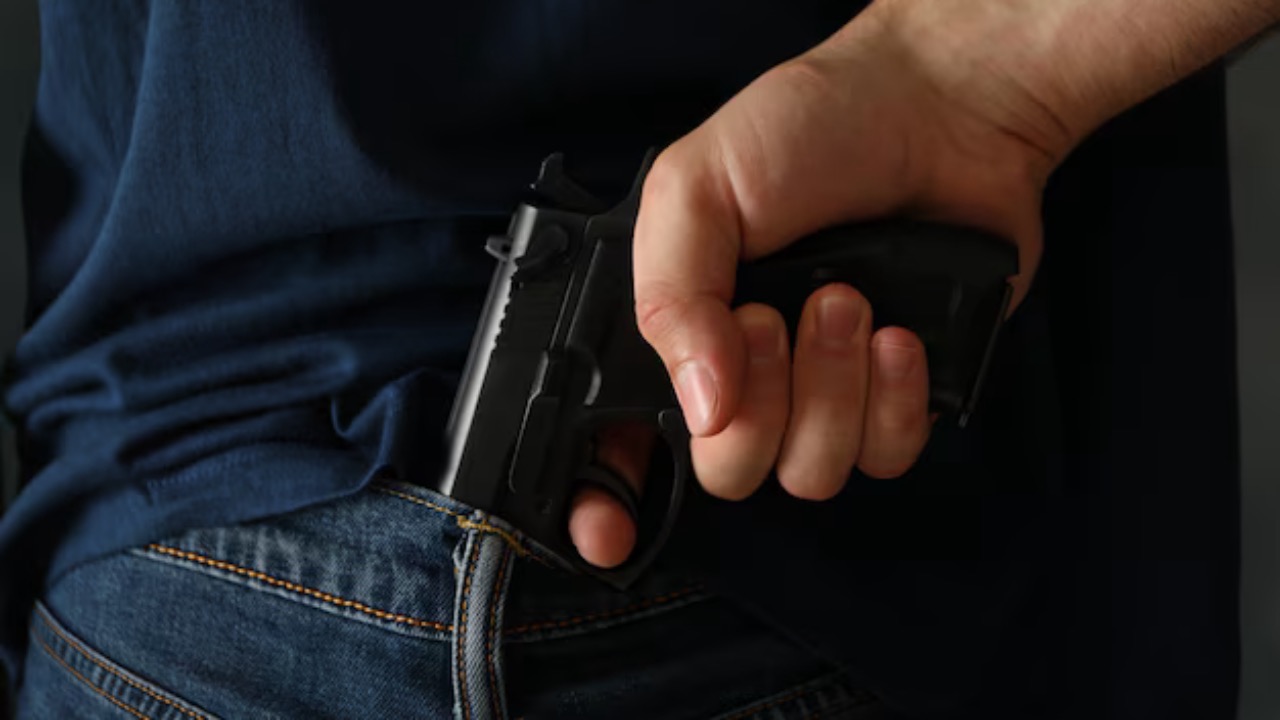
New carriers often fixate on the perfect pistol or holster and skip the harder question: are they ready to live with a firearm on their body every day. One guide frames Step 1 as “Commit to Carry Every Day,” arguing that carrying a firearm occasionally is not the same as carrying it consistently, and that the goal of concealed carry is to build safe, consistent habits that hold up under stress. That commitment includes accepting that the gun stays holstered unless there is a genuine threat to life and that every decision in public is now judged against a higher standard of restraint.
A responsible mindset also means accepting that the carrier is accountable for every round that leaves the barrel. Safety rules such as treating every gun as loaded, never letting the muzzle cover anything the carrier is not willing to destroy, and keeping a finger off the trigger until ready to fire are non‑negotiable. Community primers urge beginners to “Learn the four rules of firearm safety and live it,” then spell out commands like “Treat all guns as if they are always loaded” and “Never let the muzzle cover anything you are not willing to destroy.” Those rules apply just as much during a quiet grocery run as they do on the range.
Mindset also includes discretion. Concealed carry is meant to be invisible. Flashing the gun to win an argument, showing it off to friends in a parking lot, or using it as a prop in social media posts undermines the entire concept and can trigger legal trouble even if no shot is fired.
Know the law where you live and travel
Before anyone buys a holster, they need to understand how their jurisdiction treats concealed handguns. Legal primers on CCW permits and explain that some states are “shall issue,” where applicants who meet objective criteria receive a license, while others impose more discretion or different training mandates. Many regions require a formal concealed carry permit or license, often with background checks, fingerprinting, and classroom or live‑fire instruction before approval.
Even within a single state, there may be off‑limits locations such as schools, government buildings, posted private businesses, or events serving alcohol. Some guides stress that carriers must understand the varying laws when they travel, since a permit valid at home may not be honored across a state line and magazine or ammunition rules can change abruptly. Legal overviews aimed at beginners advise reading the statute text, not just summaries, and keeping a copy of key provisions on a phone or in a glove box for reference during traffic stops or other encounters.
Neglecting this step can turn an otherwise lawful stop at a post office or airport into a criminal charge. Starting correctly means treating legal research as seriously as range time.
Training and education before equipment
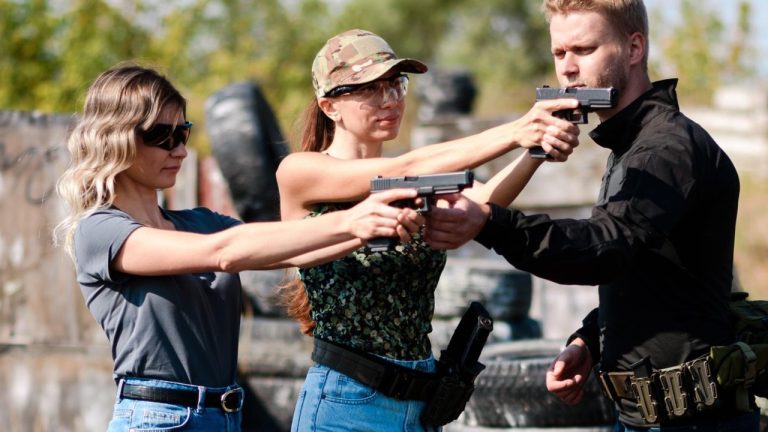
Experienced instructors consistently advise new owners to invest in education before buying the first handgun. One program that focuses on Building Skills for Concealed Carry stresses that, prior to purchasing a firearm, students should obtain the right education and training in concealed carry fundamentals, including safe handling, storage, and conflict avoidance. Structured classes cover draw strokes, reholstering without sweeping the body, malfunction clearing, and the decision‑making process around when not to shoot.
Beginner checklists urge students to do their homework and find a reputable range that offers classes and has demonstration handguns on hand, so they can test different calibers and grip sizes before committing. The same guidance appears in resources such as the beginners checklist that emphasizes fitting the gun to the shooter’s hands and abilities rather than chasing trends.
Beyond basic safety, new carriers benefit from scenario‑based training that walks through realistic problems: defending a family in a crowded restaurant, dealing with a road‑rage encounter, or responding to a suspected intruder at home. Many online communities also encourage pairing up with a more experienced “shooting buddy” who can coach on grip, stance, and draw, echoing advice that “somebody with good intentions” can help a newcomer avoid bad habits that are hard to unlearn later.
Choosing a handgun that fits the mission
Once training has begun, the next step is selecting a handgun that balances concealability, shootability, and reliability. Advice to new carriers often highlights mid‑size pistols such as the Glock 19, which one guide describes as a strong choice for those who want a home‑defense handgun that can also serve as a concealed carry weapon, a nightstand gun, or a range companion. Online discussions of popular carry sizes point to models like the Shield 2.0, Glock 43X, Springfield Hellcat, Sig P365, Glock 19, and Glock 26 as common baselines for comparison.
Rather than chasing the smallest possible pistol, instructors urge buyers to pick the largest gun they can comfortably conceal and shoot well. Tiny pocket guns are easier to hide but harder to control under recoil and offer shorter sight radius and reduced capacity. Many trainers recommend starting with a compact 9 mm, which offers manageable recoil, broad ammunition availability, and a wide selection of holsters.
Reliability testing is non‑negotiable. Before carrying a new firearm, owners should run several boxes of their chosen defensive ammunition through it, verify that magazines feed correctly, and confirm that all controls are intuitive. A gun that is finicky about hollow points or difficult to rack under stress is a liability, not an asset.
Holsters, belts, and dressing around the gun
Concealed carry lives or dies on the quality of the holster and belt. Practical guides for beginners stress that secure, comfortable carry starts with proper gear and urge new carriers to Choose the Right Holster and Belt instead of relying on flimsy off‑the‑shelf accessories. A dedicated gun belt resists sagging and keeps the pistol stable during movement, which improves both concealment and draw speed.
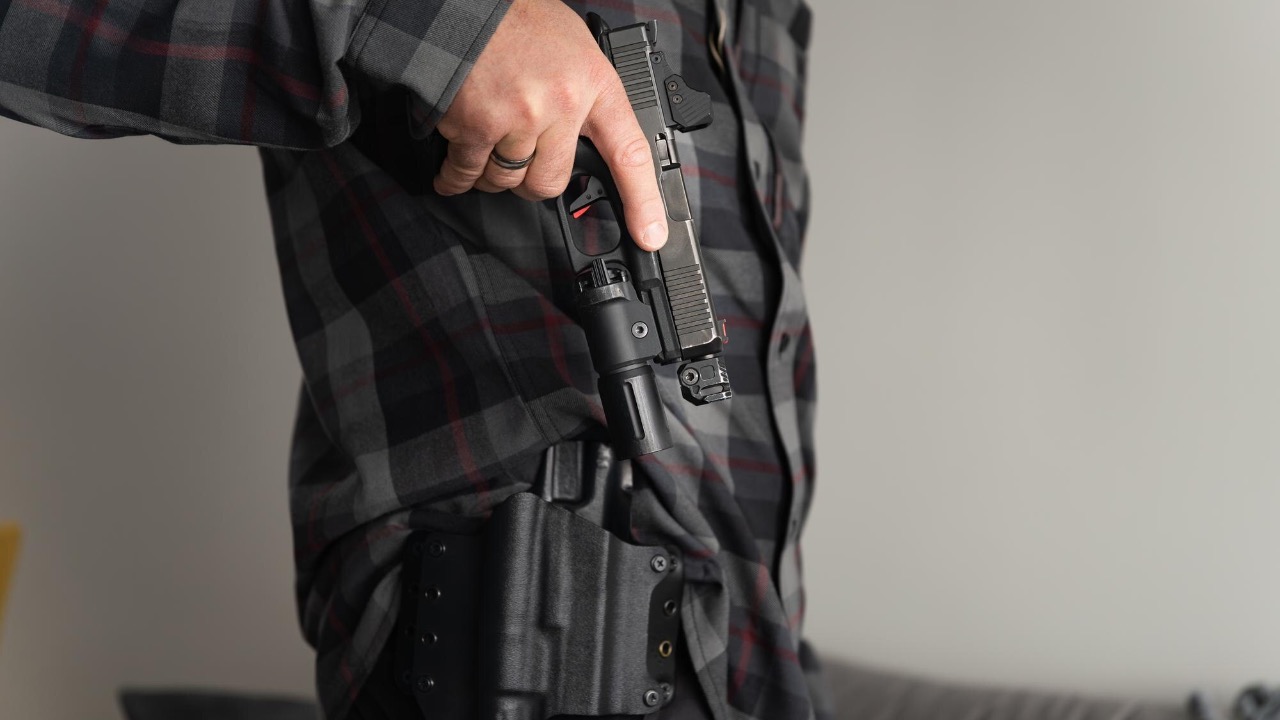
Multiple sources recommend a rigid Kydex holster that fully covers the trigger guard, retains the gun even during a fall, and allows one‑handed reholstering. Reddit communities bluntly advise newcomers to “buy a good quality Kydex holster” and avoid cheap fabric sleeves that collapse when the gun is drawn. Holster selection also includes choosing between inside‑the‑waistband and outside‑the‑waistband setups, clip styles, and features like adjustable cant or ride height.
Clothing choices matter as much as hardware. Guides that focus on Key Considerations for Beginners encourage carriers to Choose the right gear, Experiment with different holsters, EDC belts, and carry positions, and then build a wardrobe around that system. Slightly looser shirts, patterned fabrics, and jackets that break up outlines help avoid printing. For example, a compact pistol in an appendix inside‑the‑waistband rig may disappear under an untucked flannel, while the same gun in a cheap holster under a tight athletic shirt will stand out.
Comfort is also a safety issue. Instructional videos that teach how to carry a gun every day comfortably point out that if a setup digs into the body, pinches when seated, or rubs raw spots, the carrier is more likely to leave the gun at home or adjust it constantly in public, which draws attention. The right combination of holster, belt, and clothing should allow a full day of wear in a car, at a desk, or on a walk without constant fidgeting.
Carry positions and what works for beginners
New carriers quickly discover that where the gun sits on the body changes everything. Educational material on concealed carry positions explains options like appendix inside the waistband, strong‑side hip, behind‑the‑hip, and pocket carry, and notes that each has tradeoffs in speed, comfort, and concealment. Experts often tell beginners to start simple and train with one position until it becomes second nature before experimenting with more exotic setups.
Resources that analyze OWB Holster Selection list benefits such as Help with ease of draw, Hold your gun in a secure, defensible position, and Offer adequate clothing concealment when paired with jackets or overshirts. Outside‑the‑waistband rigs can be more comfortable and faster to access, but they demand more attention to cover garments to avoid accidental exposure in a gust of wind or when bending over.
Inside‑the‑waistband positions like appendix or strong‑side hip are favored for deeper concealment. Videos that walk through nine concealed carry positions, including six unusual ones, show how different body types, daily activities, and clothing styles influence the choice. A delivery driver who is seated most of the day may find appendix carry digs into the stomach, while a retail worker who stands and walks might find it ideal.
For those unsure where to start, one US‑focused guide on concealed carry positions suggests beginning with a straightforward strong‑side setup, then evaluating draw speed, concealment, and comfort in everyday tasks like driving, lifting groceries, or playing with children.
Building safe habits into daily life
Once the gear is sorted, the real work begins: integrating the firearm into routine life without letting safety standards slip. Habit‑focused guides on how to start concealed carry emphasize that the goal is to build safe, consistent habits. That includes a daily ritual of loading and unloading in a safe direction, visually and physically confirming the chamber status, and holstering only in a manner that never allows the muzzle to cross the body.
Safety‑oriented resources on how to create good concealed carry habits list specific concealed carry safety concerns. They highlight rules such as Treat all guns as if they are loaded unless the carrier personally, immediately, and visually verifies otherwise, and warn against covering any part of the body with the muzzle of the gun. Those habits extend to storage: when the gun is not on the body, it should be in a secure container such as a Liberty safe or handgun vault, not loose in a nightstand or glove box where unauthorized hands might find it.
Daily carry also demands discipline around alcohol, medication, and emotional state. Many instructors advise that if a carrier would not feel comfortable driving a car, they should not strap on a gun. Fatigue, anger, or impairment can turn a manageable confrontation into a tragedy.
Consistency matters. One widely shared beginner’s guide from Aug stresses that carrying occasionally is not the same as carrying every day, and that regular carry is what ingrains safe behavior. Leaving the gun at home “just this once” for convenience undermines that consistency and can create a false sense of security if a threat appears when the firearm is absent.

Leo’s been tracking game and tuning gear since he could stand upright. He’s sharp, driven, and knows how to keep things running when conditions turn.