Why range etiquette matters more than skill
At any busy firing line, the shooters who stand out are rarely the ones stacking single holes at 25 yards. They are the people who keep muzzles controlled, follow commands without drama, and treat everyone around them with quiet respect. Skill may win matches, but etiquette is what keeps ranges open, safe, and welcoming enough for anyone to learn.
Range etiquette is often dismissed as optional, a layer of politeness that sits on top of the “real” work of marksmanship. In reality, it is the foundation that lets skill develop at all, because no one can focus on fundamentals while worrying about the person in the next lane. When I look at how modern facilities describe their expectations, a consistent message emerges: good manners on the line are not about ego, they are about responsibility.
Safety first: etiquette as the real skill test
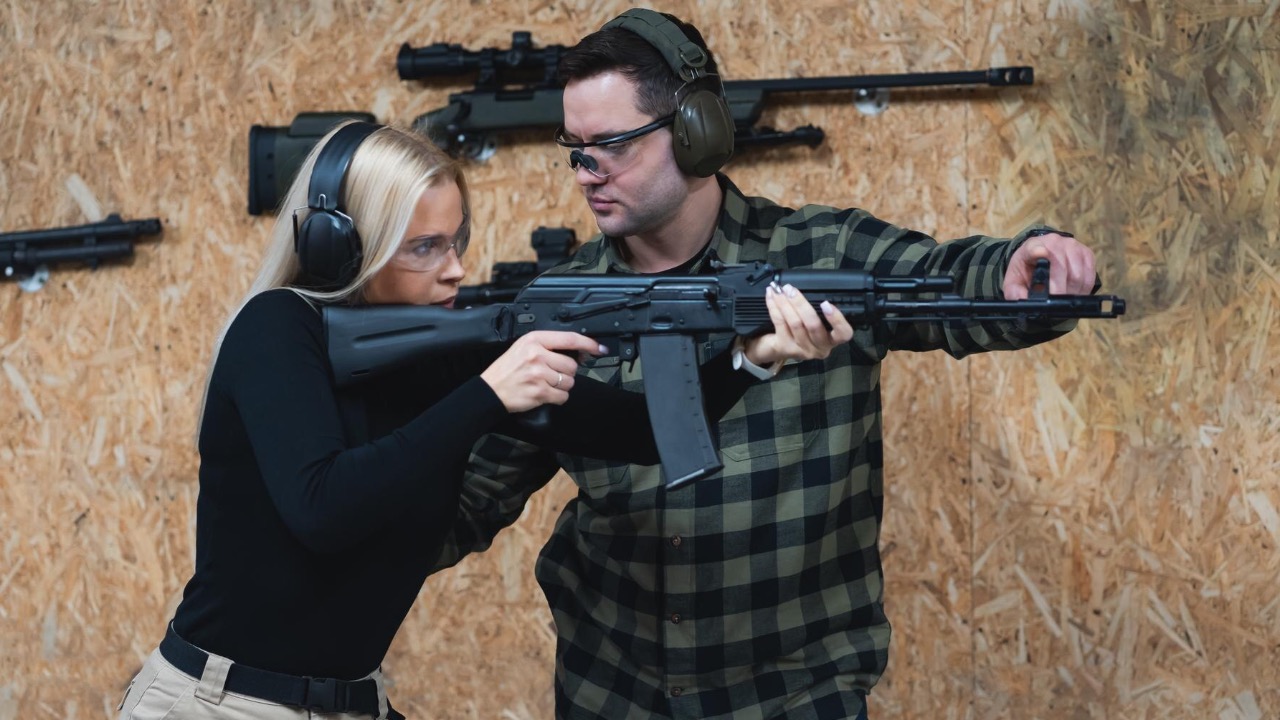
Most shooters can recite the four basic rules of firearm safety, but the real test of competence is how those rules show up in small, repeated behaviors. Keeping a muzzle pointed downrange, clearing chambers visibly, and waiting for a range safety officer’s signal are not advanced techniques, they are everyday habits that separate trustworthy shooters from risky ones. Guides to gun range etiquette stress that learning and practicing these basics is what turns a chaotic firing line into a controlled environment where everyone can concentrate.
That focus on behavior is why etiquette matters more than raw accuracy. A new shooter who moves slowly, listens carefully, and follows instructions is far safer than a veteran who shoots fast while ignoring protocols. When facilities explain why etiquette matters, they emphasize that it prevents negligent discharges, protects staff who must walk the line, and ensures that every session is productive instead of tense. In other words, the real “skill check” at a range is not your group size, it is whether others feel safe standing beside you.
Respecting the shared space
Gun ranges are designed as shared environments, not private training bubbles, and etiquette is what makes that shared use possible. When people search for a “shooting range near me,” they are usually looking for a place where safety and enjoyment can coexist, not a venue where one loud or careless shooter dominates the room. One detailed explanation of why gun range etiquette matters notes that following posted rules and staff directions ensures everyone’s session is productive, regardless of their experience level.
That respect shows up in small choices: not crowding someone who is clearly nervous, keeping conversations at a reasonable volume, and avoiding gear sprawl that blocks walkways or benches. Facilities that frame etiquette as “choosing respect” point out that ranges are supposed to be places where learning, practicing, and camaraderie can thrive, not just places to make noise. When shooters treat the space as a community resource instead of a personal proving ground, the atmosphere shifts from competitive posturing to shared responsibility.
Why beginners benefit most from good manners
New shooters often worry that they will be judged on their accuracy, but the people watching them most closely are usually paying attention to something else. As one guide on how to navigate range etiquette explains, understanding the unwritten rules is crucial for a safe and enjoyable first experience. As a beginner, good gun handling and respectful conduct build confidence and establish good habits for the future, even if your groups are still wide.
That early focus on etiquette also reduces anxiety. When a first-time shooter knows how to check in, where to stand, when to handle firearms, and how to respond to commands, the environment feels predictable instead of intimidating. Instructors often note that students who internalize etiquette quickly are easier to coach, because they are not fighting the range’s rhythm. Skill can be built over time, but the mindset of listening, pausing when unsure, and asking questions before acting is what keeps those early lessons from turning into close calls.
Beyond the four rules: social awareness on the line
Formal safety rules are only part of what makes a range run smoothly. There is also a layer of social awareness that determines whether people feel comfortable sharing the space. One analysis of gun handling etiquette compares it to driving: you can operate a car legally while still being a terrible road neighbor. The same is true on the firing line, where someone can technically follow the rules while constantly interrupting others, crowding lanes, or distracting people during strings of fire.
Good etiquette fills those gaps. It means waiting to approach someone until they are off the line and unloaded, avoiding unsolicited coaching, and recognizing when your own behavior might be pulling others’ attention away from their safety protocols. That kind of awareness is not about being timid, it is about understanding that concentration is a safety tool. When shooters respect each other’s focus, they reduce the chance that a moment of distraction will coincide with a loaded firearm and a lapse in judgment.
Creating a positive culture, not just preventing accidents
Ranges that talk openly about etiquette tend to frame it as a way to build a positive culture, not just a checklist to avoid incidents. One explanation of how creating a positive works at a range notes that when shooters follow etiquette, learning, practicing, and camaraderie thrive. That culture is what keeps people coming back, brings in families, and encourages hesitant newcomers to give the sport a try.
Unspoken rules play a big role in that environment. A breakdown of unspoken rules at gun ranges highlights expectations like not handling firearms during a ceasefire, keeping fingers off triggers until ready to shoot, and cleaning up brass and trash before leaving. Whether someone is a seasoned shooter or a first-timer, following those norms signals that they take the shared space seriously. Over time, that shared standard of behavior becomes part of the range’s identity, which can matter as much as its ventilation system or target options.
Listening to RSOs and learning the local language
Every range has its own rhythm, and range safety officers sit at the center of it. They are the ones who call the line hot or cold, enforce ceasefires, and intervene when someone’s behavior crosses a line. Guides to RSO commands emphasize that learning the specific phrases used at a facility, and responding promptly, is a core part of etiquette. By learning and practicing proper responses, shooters help staff maintain a safe environment for everyone on the line.
That local language extends beyond commands. Some facilities require chamber flags, others have strict rules about case transport, and many specify exactly when firearms can be uncased or holstered. Videos that walk through range etiquette rules often stress that “not being that person” starts with paying attention during the safety briefing and asking questions if anything is unclear. When shooters treat RSOs as partners rather than obstacles, they not only avoid conflicts, they also gain access to a wealth of practical knowledge about how to train more effectively in that specific environment.
Character, reputation, and the long memory of the range
How someone behaves at the range quickly becomes part of their reputation, and that reputation can matter more than their scorecard. One discussion of proper shooting range notes that even seasoned pros can stumble, but that is no excuse for slacking off on the safety front. The same source urges shooters to make good conduct their default, because etiquette reflects respect for the shared passion for firearms and for the people who share the line.
That link between behavior and reputation is even sharper in competitive settings. A detailed warning about bad reputations at shooting matches points out that safety violations do not just affect one shooter. Safety violations threaten the future of ranges and matches as a whole, and one round leaving a property can shut a range down permanently. In that context, etiquette is not a personal branding exercise, it is a way of protecting the venues and events that the entire community depends on.
Etiquette as citizenship and public image
There is also a civic dimension to how people behave at ranges. One argument about good citizenship and gun ownership notes that embracing range etiquette is about more than just following rules. It is a way of demonstrating that gun owners take their responsibilities seriously and are committed to safe, respectful behavior in public spaces. That message matters in a political climate where debates over firearms often hinge on perceptions of responsibility and risk.
From that perspective, etiquette becomes part of the public image of the shooting community. When visitors, neighbors, or local officials see orderly parking lots, calm check-in desks, and disciplined firing lines, it undercuts stereotypes about chaos or recklessness. Conversely, stories of careless behavior, ignored commands, or confrontations with staff can fuel calls for tighter restrictions. By treating etiquette as a form of everyday citizenship, shooters help sustain the social license that allows ranges to operate in the first place.
Practical habits that matter more than tight groups
For anyone trying to improve their conduct on the line, the most useful advice is often very concrete. Step-by-step guides to gun range safety and what to bring emphasize basics like eye and ear protection, proper storage cases, and understanding cease fire etiquette before the first shot. Another overview of cease fire etiquette stresses that during a cold range, firearms stay untouched, actions open, and shooters step back behind the firing line until the all clear is given.
Other resources focus on the broader framework of rules and manners. A guide to range basics explains that following posted rules benefits individual shooters, the sport, and the wider community by reducing accidents and conflicts. Another breakdown of what you should before you go to a range notes that if you have heard the phrase “treat every gun as if it is loaded,” you already understand the mindset that underpins etiquette. Translating that mindset into consistent habits, from muzzle discipline to cleanup, is what ultimately matters more than how tight your groups look on paper.
Unspoken rules, written rules, and why they both count
Formal rule sheets and posted signs are only half the story at most facilities. The other half lives in the unspoken expectations that regulars absorb over time. A detailed overview of range etiquette stresses the importance of written safety rules, but also points out that many incidents stem from behavior that is technically allowed yet still inconsiderate or distracting. That is why instructors often talk through both the official policies and the local customs before a class begins.
For newcomers, the safest approach is to assume that if something is not explicitly allowed, it is worth asking about. Many facilities publish what to bring

Asher was raised in the woods and on the water, and it shows. He’s logged more hours behind a rifle and under a heavy pack than most men twice his age.