Ammo prices shift again as demand patterns change in 2026
After a brief lull, ammunition costs in the United States are climbing again in 2026 as demand shifts and new pressures hit the supply chain from both directions. Civilian shooters, law enforcement agencies, and the Pentagon are all drawing on the same industrial base, creating a market where prices are rising even as shelves look better stocked than during the pandemic-era shortage.
Manufacturers are warning of fresh increases this spring, while geopolitical conflict, tariffs, and higher input costs reshape what different buyers pay and when they can find the calibers they want. The pattern is no longer a simple shortage story, but a more complex rebalancing that favors high-volume military contracts and squeezes price-sensitive recreational shooters.
Manufacturers lock in new 2026 price hikes
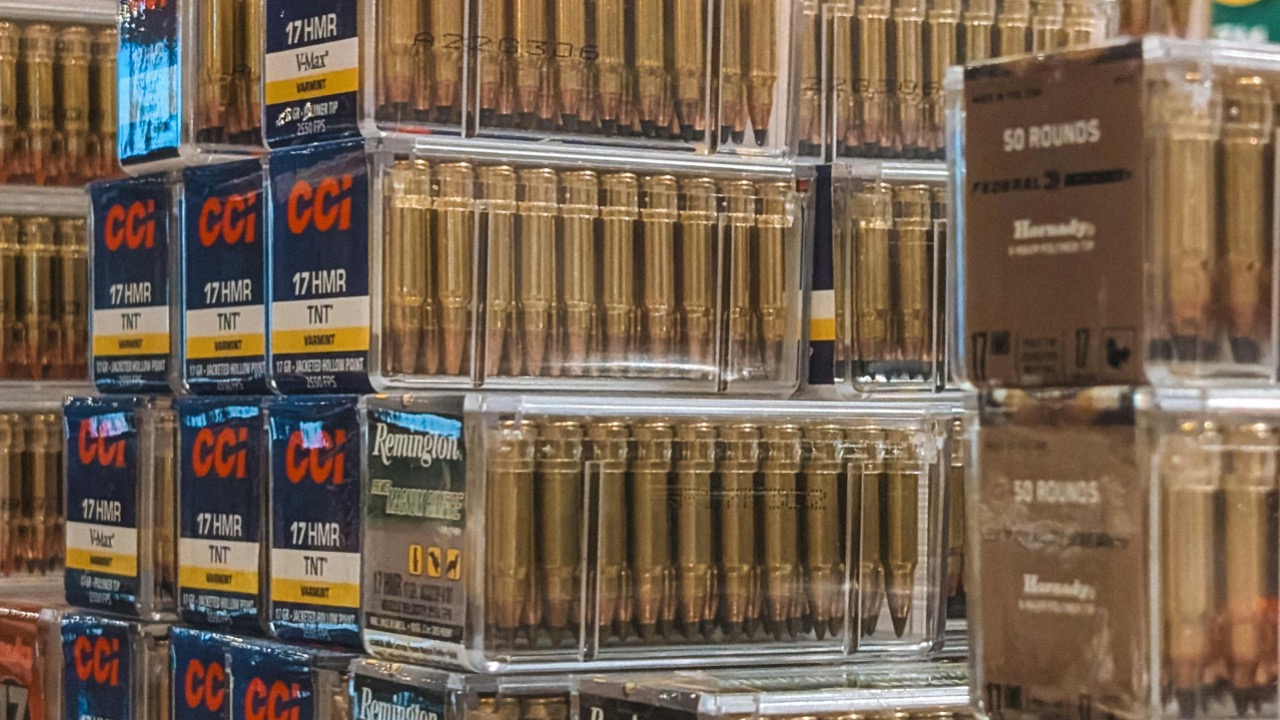
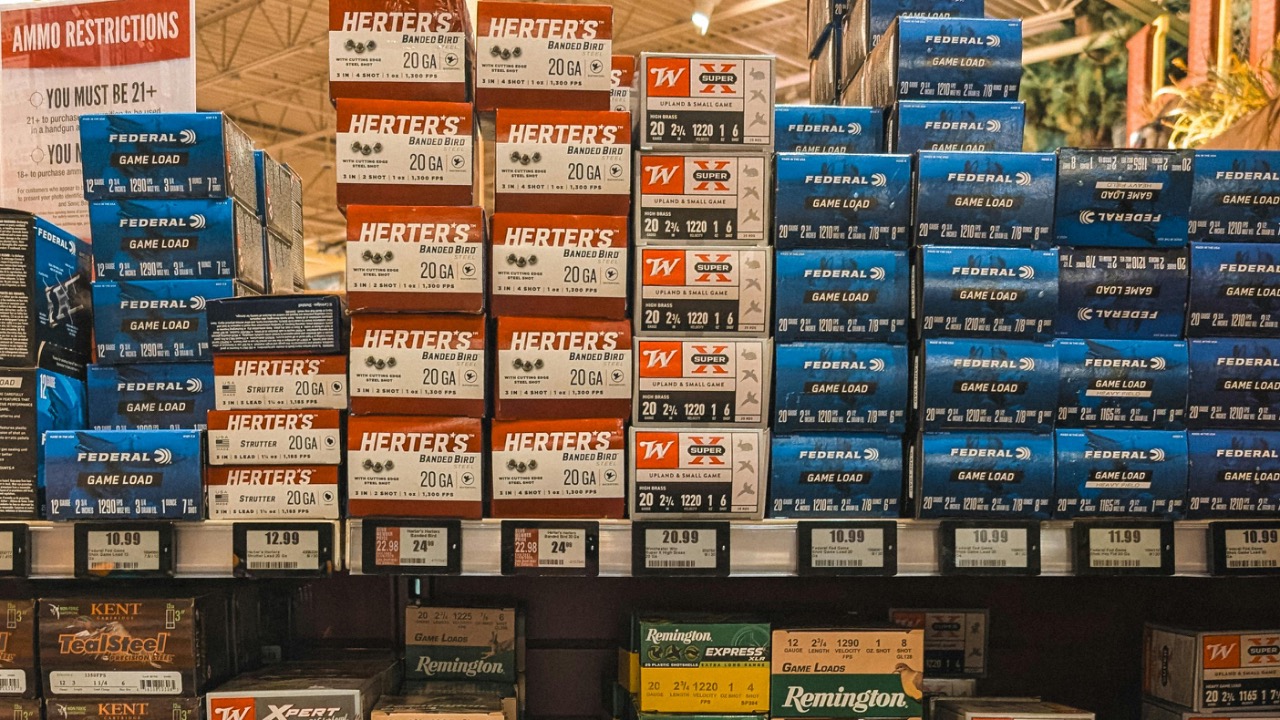
Major brands have already put consumers on notice that April will bring a new round of increases. Federal, CCI, Remington and other large producers have told distributors that rifle and handgun ammunition will see list prices step up by mid single to low double digit percentages, with the impact magnified on bulk cases and training loads. One distributor summary of the announcement framed it as part of a broader wave of April 2026 adjustments from big-box names and highlighted that the changes would touch everything from common 9 mm and .223 cartridges to premium hunting lines, as reflected in the notice that Federal, CCI, Remington increases.
These hikes come on top of earlier adjustments from Kinetic Group, Inc, which pushed through a notable price move at the start of the fourth quarter of 2025 and signaled that 2026 would bring further pressure. Analysis from one large online retailer that tracks contract sheets and wholesale lists pointed to a band of roughly 3 percent to 12 percent increases across many common SKUs, based on its review of the Kinetic Group, Inc changes and similar moves from peers. The same research flagged that while the worst of the pandemic-era shortage has eased, the underlying system remains tightly balanced, with little slack if a new surge in demand hits.
Global conflict and Pentagon demand reshape the pipeline
On the demand side, the biggest new force is the Pentagon. Earlier this month, the Pentagon reached agreements with multiple defense companies to expand production of artillery shells, missiles, and other munitions, a step framed as preparation for a more sustained period of high-intensity conflict. The deal, reported as part of a broader plan to ramp up war supplies, underscored that the Pentagon is locking in long-term capacity and funding for ammunition lines, according to By Reuters coverage of the Pentagon plans.
This shift follows warnings that the conflict with Iran has exposed how thin the United States ammunition cushion really is. Opinion analysis has argued that the U.S. needs a defense industrial base capable of fighting a high-intensity war against Iran and other potential adversaries, and that current stockpiles and production lines are highly vulnerable to attack or disruption. The focus on artillery shells and precision munitions does not directly overlap with every caliber that civilian shooters buy, but it draws on the same pool of brass, powder, primers, and skilled labor.
For recreational and competitive shooters, the effect shows up in subtle ways. One commenter in a liberal gun owners forum described ordering 1,000 rounds of 5.56 white box only to see the same product jump in price a few weeks later, and linked the change to global conflict and worries about future supply. That anecdotal report fits with a pattern in which military and law enforcement contracts are filled first, while retail buyers see more frequent list changes and shorter promotional windows.
Input costs, tariffs, and the squeeze on margins
Rising raw material and energy costs are another direct driver. A detailed breakdown from a regional shooting club noted that Winchester saw its fourth quarter 2025 earnings collapse by 98% as higher prices for copper, lead, and packaging, along with aggressive promotions to hold market share, crushed margins, a trend summarized in a handbook on Ammo Prices Rising as Costs Squeeze Manufacturers.
Manufacturers argue that current retail increases are as much about survival as profit. One industry-focused blog on pricing trends explained that because of rising costs for metals, powder, and freight, many companies have moved from annual price reviews to quarterly adjustments. The same analysis described how promotional rebates that once ran for months are now shorter and more targeted, since each discount cuts into already thin operating margins.
Tariffs add another layer of complexity. New levies on imported metals and foreign-made cartridges have raised costs for both domestic producers that rely on overseas inputs and for importers that bring in finished ammunition. Reporting on the tariff impact described how levies imposed by the self-styled America First administration had pushed up costs for ammunition manufacturers that depend on foreign alloy and component suppliers, a trend examined in coverage of how Trump’s tariffs are driving up ammunition prices.
Ezio Fortuna, the owner of Detroit Ammunition Company in Michigan, told reporters that those supply disruptions and higher landed costs had left his company paying significantly more for the same materials than at the beginning of 2024. For smaller firms like Detroit Ammunition Company, that means less room to absorb shocks and a greater need to pass increases through to customers quickly.
Civilian demand cools, then shifts in new directions
On the civilian side, demand has cooled from the panic buying that defined the early 2020s, but it has not returned to pre-pandemic patterns. A detailed 2026 outlook from a major online retailer described how sales of common handgun calibers and popular rifle rounds remain elevated compared with the late 2010s, even as buyers become more price sensitive and more willing to switch brands.
The same outlook, based on internal analysis of order data and wholesale contracts, highlighted that the system underneath remains tightly balanced, with only modest safety stock at many distributors. The report cited the October 1, 2025 Kinetic Group, Inc price increase as a turning point that signaled a broader shift to higher baseline prices, rather than a temporary spike.
At the edges of the market, new technologies are also nudging demand. Industry forecasts point to growing interest in lightweight, polymer-cased ammunition that reduces the overall weight for the soldier and for civilian shooters who carry large round counts for competition. A futurist market analysis projected that polymer-cased and other lightweight designs will capture a growing share of military and law enforcement contracts through 2034, which could, over time, filter into the commercial shelves as well.
How shooters and agencies are adapting
For individual shooters, the response has been a mix of stockpiling, caliber switching, and more careful planning. One Reddit thread that opened with “Hey gang” shared a link to a detailed 2026 ammunition outlook and encouraged fellow liberal gun owners to think about how supply chain and demand challenges might affect their training schedules. Another video that circulated widely in March urged viewers to “hit all the dang buttons” to support content about “7 Rounds Every American Should Stockpile Before The 2026” election cycle, reflecting a persistent prepper streak in the market.
Law enforcement agencies are making quieter adjustments. Training divisions in some departments have already shifted more practice to dry-fire drills and simulator time, reserving live fire for qualification and critical scenario work. Others have locked in multi-year contracts at fixed prices in an effort to insulate budgets from the quarterly adjustments that commercial buyers now face.
Competitive shooters and club organizers are feeling the pinch as well. The same Boise Gun Club handbook that detailed Winchester’s 98% earnings collapse warned that local matches may need to raise entry fees or cut round counts if wholesale prices continue to climb. Some clubs are experimenting with more rimfire-only events, since .22 long rifle remains relatively affordable compared with centerfire handgun and rifle cartridges.

Asher was raised in the woods and on the water, and it shows. He’s logged more hours behind a rifle and under a heavy pack than most men twice his age.