California condors are dying again — and the cause raises concerns
California condors were once a rare conservation success, lifted from the edge of extinction into a carefully managed comeback. Now the giant scavengers are again dying in worrying numbers, and the main culprit is a familiar one that was supposed to be under control: lead. Even after sweeping ammunition bans and decades of hands-on management, the birds are picking up toxic fragments in the wild, raising hard questions about how humans share landscapes with wildlife.
The new spike in deaths is more than a setback for a single species. It exposes the limits of policy on paper, the unintended effects of success, and the difficulty of changing entrenched habits across vast territories where condors now soar far beyond the places where they were first reintroduced.
From 23 birds to a fragile comeback
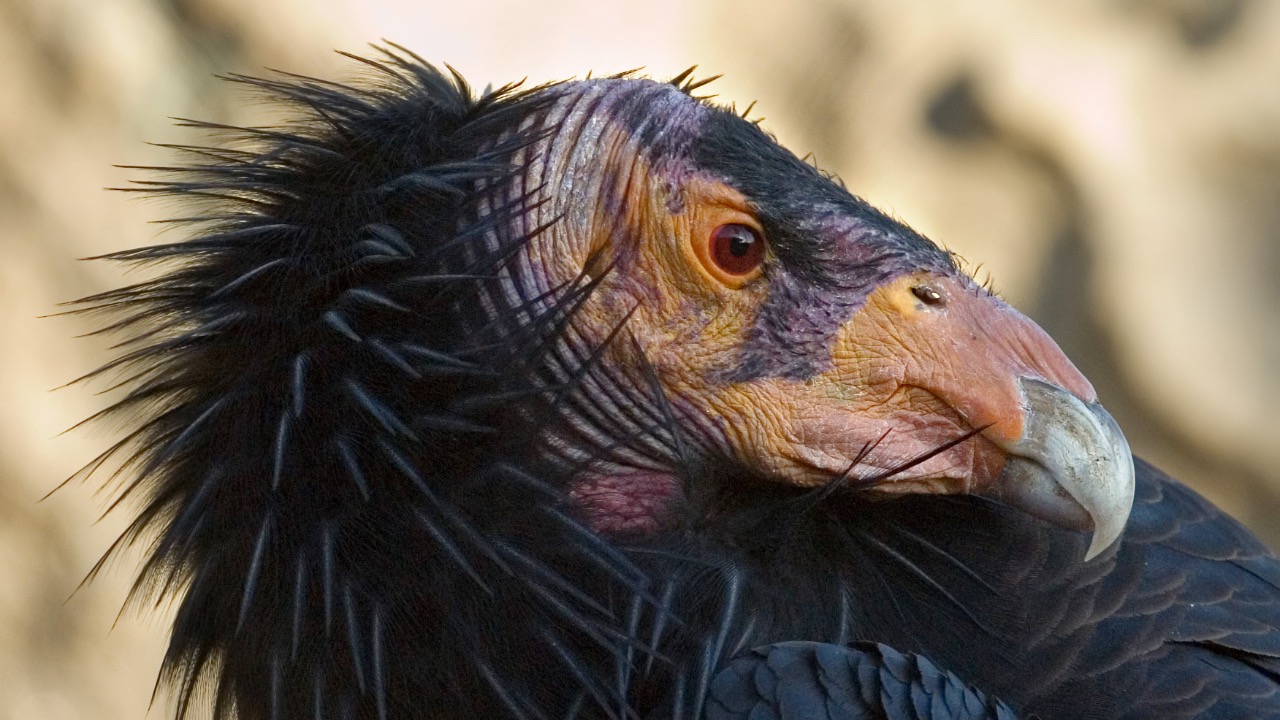
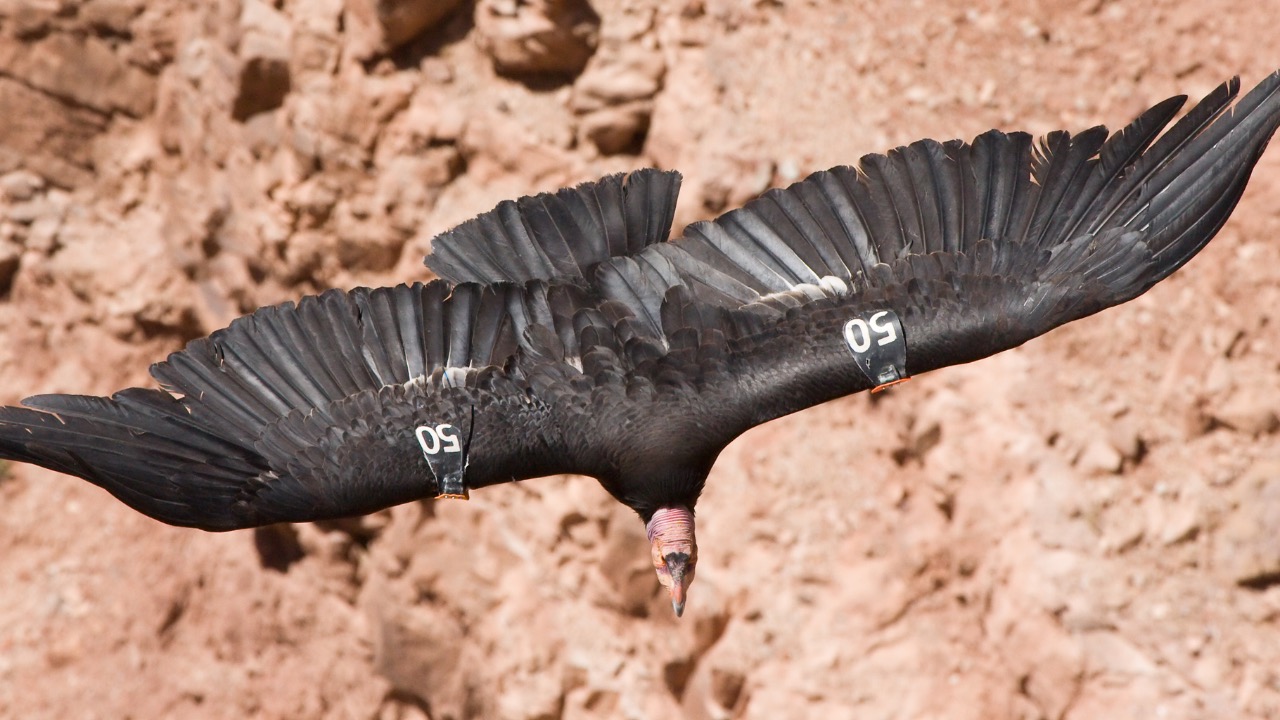
California condors are among the most intensively managed animals on Earth. The species, cataloged as a distinct entry in global biodiversity databases, is often introduced to the public through basic profiles of California condors that highlight their massive wingspans and long lifespans. Behind those simple facts lies a history of near collapse. In the twentieth century, the California Condor population dwindled under pressure from habitat loss, direct persecution, and contamination. One detailed account notes that the California Condor’s numbers fell so sharply that captive breeding became the only realistic option for survival, and that this intervention began a slow but steady recovery built on intensive reintroduction work.
By the early 1980s, biologists counted only 23 wild condors. Every surviving bird was eventually trapped and moved into captivity so that breeding programs could start from scratch. Over several decades, those programs produced hundreds of chicks, which were gradually released back into the wild in California, Arizona, Utah, and Baja California. A population update from the U.S. Fish & Wildlife Service, shared through the California Condor Recovery Program, described how releases in Southern California and Central CA had built up regional groups that could start to breed on their own.
The turnaround became a symbol of what coordinated conservation could achieve. In 2019, wildlife officials celebrated the 1,000th California condor chick hatching since recovery efforts began, according to a summary that credited the U.S. Fish and Wildlife Service with tracking those milestones. As of Decemb of that year, the same report noted that dozens of condors were flying in new parts of the Pacific Northwest, including areas where the species had been absent for more than a century.
Lead, the old enemy that never left
Even at the height of that optimism, biologists knew that lead poisoning was the single largest threat to condors. The birds feed on carcasses of deer, elk, livestock, and marine mammals. When those animals have been killed with lead ammunition, tiny metal fragments can remain in the tissue. Scavengers that ingest those fragments absorb the metal into their bloodstream, where it interferes with the nervous system, digestion, and organ function. Years of monitoring showed that lead poisoning was the biggest cause of death among condors in the central and southern parts of California, and that it had slowed the recovery of condors in California despite other protections.
California responded with a phased ban on lead ammunition for hunting, culminating in a statewide prohibition on lead bullets for all hunting. Conservation groups also set up programs to provide free or subsidized nonlead ammunition and to educate hunters. For a time, blood tests suggested that average lead levels in condors were starting to drop in some areas. A recent analysis described these trends as consistent with previous studies that found the bans were working, at least within the original core ranges where enforcement and outreach were strongest.
Yet the birds are still dying from lead. A detailed report on how California condors are dying again from lead despite decades of bans explains that condors in Mar and other parts of California are now ranging farther from their release sites. As their territories expand into regions where nonlead hunting is less common, the birds are encountering more lead-contaminated carcasses. The same source notes that California condors were supposed to be one of conservation’s great turnarounds, but that the rise in condor poisoning has exposed how much lead can do to scavengers even when outright hunting bans exist.
New research: wilder birds, higher risk
Researchers working with condors in Central California have started to see a shift in behavior that complicates the story. Early in the recovery program, managers heavily provisioned condors with lead-free carcasses at feeding stations. That strategy kept birds alive and close to monitoring sites, but it also meant their movements were partially constrained by the predictable food source. As the population grew, managers scaled back some of that provisioning so that condors would behave more like wild vultures, exploring a wider range of habitats and finding their own food.
A recent study from Mar, summarized in a university news release titled “An adventurous vulture’s plight,” found that California condors are behaving more wild, feeding far less on lead-free carcasses provided to them. The key takeaways from that work describe how this shift has affected survival. Nearly three quarters of condors in the study had measurable lead exposure, and lead poisoning accounted for between 33 percent and 44 percent of deaths. The authors concluded that the same behavioral changes that indicate a more natural, self-sustaining population are also pushing birds into landscapes where they encounter more lead.
The pattern matches what field crews have observed on the ground. Condors that range into ranchlands, remote hunting areas, and private timberlands are more likely to feed on carcasses that were not part of any lead-free program. Some of those carcasses come from animals that were legally hunted in other states where lead ammunition remains common. Others may be from depredation or control shooting, which can leave uncollected remains on the landscape. As condors adopt more independent foraging habits, their risk from these sources increases.
Evidence from blood tests and tracking data
Scientists have not had to guess about these trends. Condors are routinely trapped for health checks, during which technicians draw blood to measure lead levels and fit birds with transmitters. A research summary that examined condor blood-lead levels in California reported that multiple factors have influenced those measurements. Together, the results show that changes in wild behavior, the expansion of condor ranges, and ongoing exposure to lead ammunition have all shaped the data over time.
One of the most detailed recent analyses of condor survival appears in a report explaining that California condors are still dying despite a lead ammo ban. The authors noted that, in the last century, condor populations crashed to a few dozen birds, and that even now, with hundreds of birds in the wild, lead poisoning remains the leading cause of death. The same report quotes a senior author on the paper who argues that current policies are not enough to eliminate the threat, because condors do not recognize jurisdictional boundaries or hunting regulations when they search for food.
Another synthesis of fieldwork in Mar, described in an overview of how California condors are still dying from lead despite decades of bans, emphasizes that the picture gets clearer once researchers overlay blood-lead data with GPS tracking. Birds that spend more time outside the original release zones, particularly in parts of California where nonlead hunting has not been widely adopted, show higher rates of poisoning. These huge birds, once pushed to the brink of extinction, now face a new kind of risk that comes precisely from their success at reclaiming a larger slice of their historic range.
Beyond California: wider ranges, wider exposure
Condors released in Arizona and Utah tell a similar story. A report on releases north of the Grand Canyon describes how Five endangered California condors were added to Arizona’s wild population near Grand Canyon, with The Peregrine Fund coordinating the effort. Wildlife biologists in that region can treat lead poisoning by capturing sick birds and providing chelation therapy, which binds lead in the bloodstream so it can be excreted. The same account notes that condors were first reintroduced to the region in 1996, and that outreach to hunters has increased the use of nonlead ammunition there, but not to universal levels.
At the same time, condors in Arizona and Utah have faced additional threats. An earlier report on condor deaths in the Arizona-Utah population described how Six California condors died from highly pathogenic avian influenza, while 12 others were found dead with different causes. Federal biologists responded by capturing the few remaining birds they could reach in order to test and treat them, hoping to keep the population healthy. That episode showed how vulnerable the species remains to new diseases, even as lead continues to claim more lives over the long term.
The geographic spread of condors into new states and regions, including potential nesting in northern California and the Pacific Northwest, means that any gaps in lead regulation or compliance can quickly translate into exposure. A story about condors tending what might be the first egg in northern California in more than a century highlighted how far the birds have come, while also noting that the U.S. Fish and Wildlife Service still tracks every chick and every nest because the numbers are not yet secure.
Why the bans are not enough
California’s statewide ban on lead ammunition for hunting is often cited as a model, yet the latest research suggests that policy alone cannot guarantee safety for condors. A recent analysis of California’s lead-ammo bans concluded that they are working within their intended scope, because they have reduced the proportion of carcasses that contain lead in regulated areas. However, the same study explained that expanding condor ranges have undercut those gains. As birds move into unregulated or less regulated regions, their exposure risk rises again.
The authors of that study found that lead poisoning was the biggest cause of death among condors in the central and southern parts of California, and that the annual number of condors requiring treatment for lead exposure had almost doubled in the past five years. That trend coincides with the period when condors became more adventurous and less reliant on feeding stations. In other words, the very indicators that managers use to judge success, such as wider movements and independent foraging, now correlate with higher mortality from lead.
Another synthesis of field data, highlighted in a research release that stressed how Together the results show multiple influences on condor blood-lead levels, argued that policy needs to adapt to this reality. Instead of assuming that a statewide ban ends the problem, managers must track where condors actually go, which hunting practices prevail in those places, and how to reach the people who leave carcasses on the landscape. The report suggested that voluntary programs, such as free ammunition exchanges, carcass pick-up services, and hunter education, are still essential even under formal bans.

Leo’s been tracking game and tuning gear since he could stand upright. He’s sharp, driven, and knows how to keep things running when conditions turn.