Handguns that feel outdated for good reasons
Handguns age differently than rifles or shotguns. Materials improve, ergonomics evolve, and shooter expectations change. Some pistols that once made sense now feel behind the curve once you put rounds through them next to modern designs. That doesn’t mean they’re unsafe or useless. It means the tradeoffs are harder to justify today. Heavy frames, low capacity, awkward controls, and dated trigger systems can slow you down or wear you out. If you’ve shot enough pistols across decades, you recognize these patterns right away. These are handguns that feel outdated not because trends changed, but because better solutions clearly replaced them.
Colt M1911 Government Model (GI Pattern)
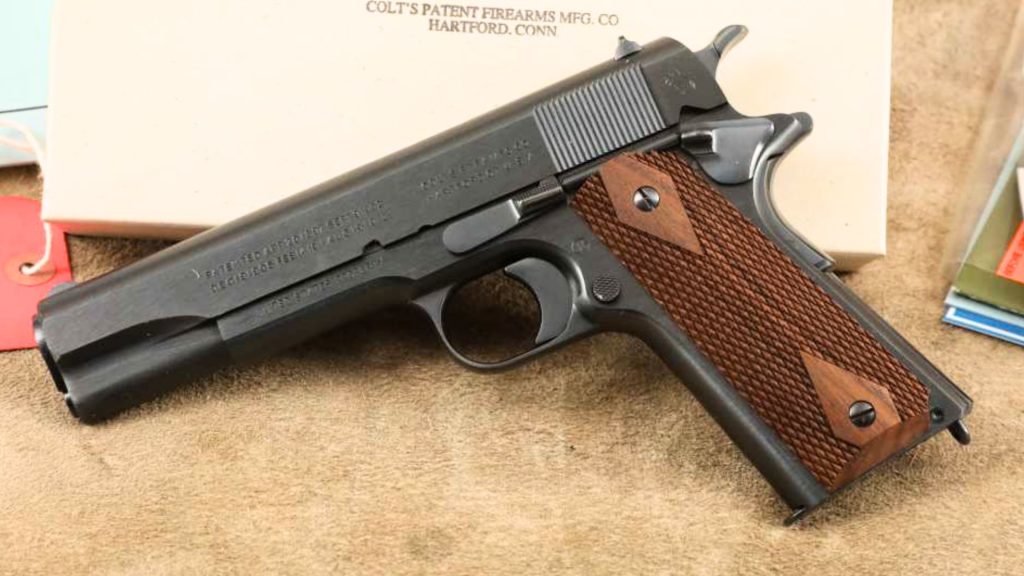
The GI-style 1911 still carries historical weight, but shooting one today highlights its age fast. The narrow grip safety, tiny sights, and stiff recoil spring demand more effort than modern pistols. Even skilled shooters notice slower follow-up shots compared to polymer frames.
Maintenance is another issue. Tight tolerances and lubrication sensitivity don’t align with how most people shoot now. Capacity lags far behind current standards, and reliability varies widely by manufacturer. It can shoot well, but it asks more than it gives.
Beretta 92FS
The Beretta 92FS served generations of shooters, yet its size works against it today. The long reach to the trigger in double-action makes consistent first shots harder. Grip circumference doesn’t favor smaller hands.
Slide-mounted safety placement feels clumsy compared to frame-mounted controls. The gun runs reliably, but transitions and reloads feel slower. Modern pistols deliver similar recoil control with less bulk, making the 92FS feel stuck in another era.
Smith & Wesson Model 10
The Model 10 revolver earned trust through decades of service, but time caught up. Six rounds and a long double-action pull demand discipline that most shooters no longer train for regularly.
Reloading with speedloaders feels slow compared to magazine-fed pistols. Fixed sights limit flexibility. Accuracy is there, but efficiency isn’t. Modern handguns simply let you do more with less effort under pressure.
Ruger P89
The Ruger P89 was built tough, but that toughness came with weight and bulk. The grip feels blocky, and trigger consistency varies noticeably between modes.
Accuracy is serviceable, yet recoil recovery feels sluggish compared to newer designs. The pistol runs, but it doesn’t encourage confidence or speed. Advances in polymer frames and trigger systems made guns like the P89 feel dated fast.
SIG Sauer P220

The P220 remains reliable, but single-stack capacity limits its usefulness today. Grip length and trigger reach can feel awkward during extended sessions.
Recoil management requires focus, especially with heavier loads. While accuracy is solid, modern pistols offer higher capacity with equal control. The P220 still works, but it feels like a compromise modern shooters no longer need to accept.
Browning Hi-Power
The Hi-Power influenced countless pistols, yet its design shows age. Hammer bite remains a real issue, and the magazine disconnect affects trigger feel.
Controls feel small by modern standards, and sight options are limited. It shoots well, but maintenance and ergonomics lag behind newer platforms. Many shooters admire it more than they enjoy shooting it today.
CZ 52
The CZ 52 stands out visually, but shooting it explains why it faded. The grip angle feels unnatural, and recoil impulse is abrupt.
Trigger quality varies, and sights offer little help at speed. Ammunition sensitivity adds another layer of concern. It’s interesting on the range, but modern pistols deliver far better control and consistency.
Walther PPK
The PPK looks elegant, but firing one exposes its drawbacks. Sharp recoil in a small metal frame surprises many shooters.
Slide bite remains common, and trigger pull in double-action feels heavy. Capacity and sights are limiting factors. It’s iconic, yet modern compact pistols outperform it in comfort and shootability.
Star Model B
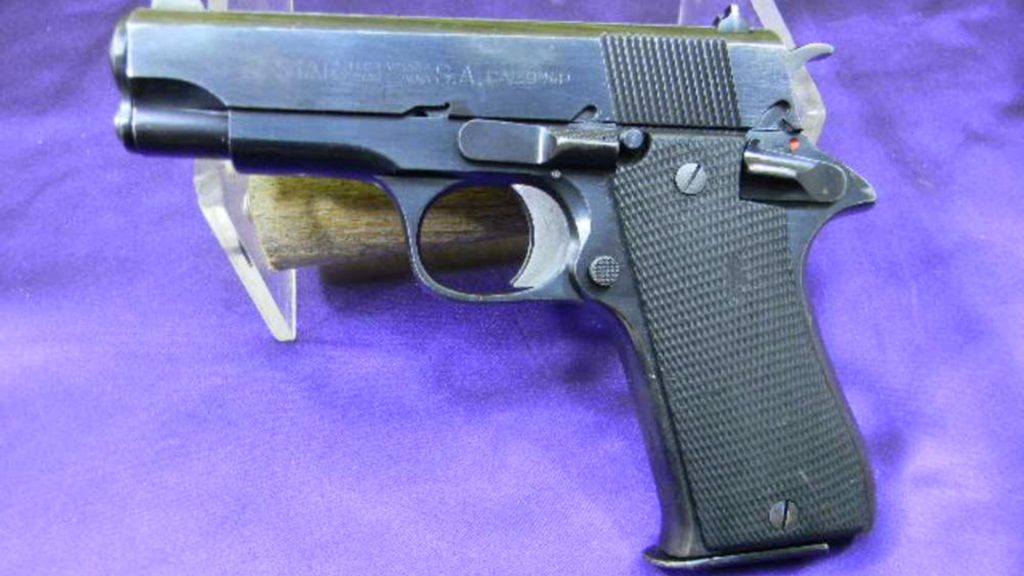
The Star Model B resembles a 1911 but lacks its refinement. Safety placement feels awkward, and trigger quality is inconsistent.
Spare parts availability is limited, making maintenance harder. Accuracy varies widely. It functions, but newer pistols offer better support and ergonomics without the guesswork.
Ruger LCP (First Generation)
Early LCP pistols made concealment easier, but shooting them is punishing. Long trigger pulls and minimal sights demand patience.
Recoil feels sharp, and grip texture offers limited control. It serves a role, but modern micro-compacts do the same job with far better shootability.
Taurus PT92
The PT92 shares DNA with the Beretta but suffers from uneven fit and finish. Trigger feel and control placement vary between production runs.
Accuracy is acceptable, yet consistency is not guaranteed. Modern pistols provide tighter quality control, making the PT92 feel like a holdover from another time.
AMT Backup
The AMT Backup promised power in a small package but delivered harsh recoil and rough triggers. Stainless weight doesn’t translate to control.Reliability varies by caliber, and ergonomics punish longer sessions. It’s memorable for its concept, not its performance. Advances in compact handgun design quickly left it behind.

Asher was raised in the woods and on the water, and it shows. He’s logged more hours behind a rifle and under a heavy pack than most men twice his age.