The home-defense choice people argue about most — and why it never goes away
Few topics in the gun world ignite more recurring arguments than which firearm belongs by the bed when glass breaks at 3 a.m. The debate cycles endlessly through training classes, gun counters, and online forums because each option, shotgun, handgun, or rifle, trades one kind of advantage for another. What looks perfect on paper can feel very different in a dark hallway with family members asleep behind thin drywall.
Why this argument never dies
The core problem is simple: there is no single “best” home-defense firearm that fits every body type, every floor plan, and every legal environment. The question that dominates so many threads about a rifle, handgun, or shotgun for home defense usually turns into a checklist of tradeoffs rather than a clear winner.
One widely shared discussion of that choice points out that Shotguns such as the Mossberg 500 and Remington 870 offer tremendous stopping power and are highly effective in high stress situations, yet the same conversation also concedes that the right answer depends heavily on the shooter and setting.Shotguns can be devastating at close range, but they are not automatically the best fit for everyone.
Another contributor in that Aug exchange argues that the choice depends entirely on the proficiency of the shooter, and that for a smaller stature or physically weaker person, a rifle or shotgun might actually be easier to manage than a heavy recoiling handgun.Aug debates tend to circle back to the same idea: the gun that looks ideal on a spec sheet can be a liability if the owner struggles to run it safely under pressure.
The shotgun’s enduring mystique
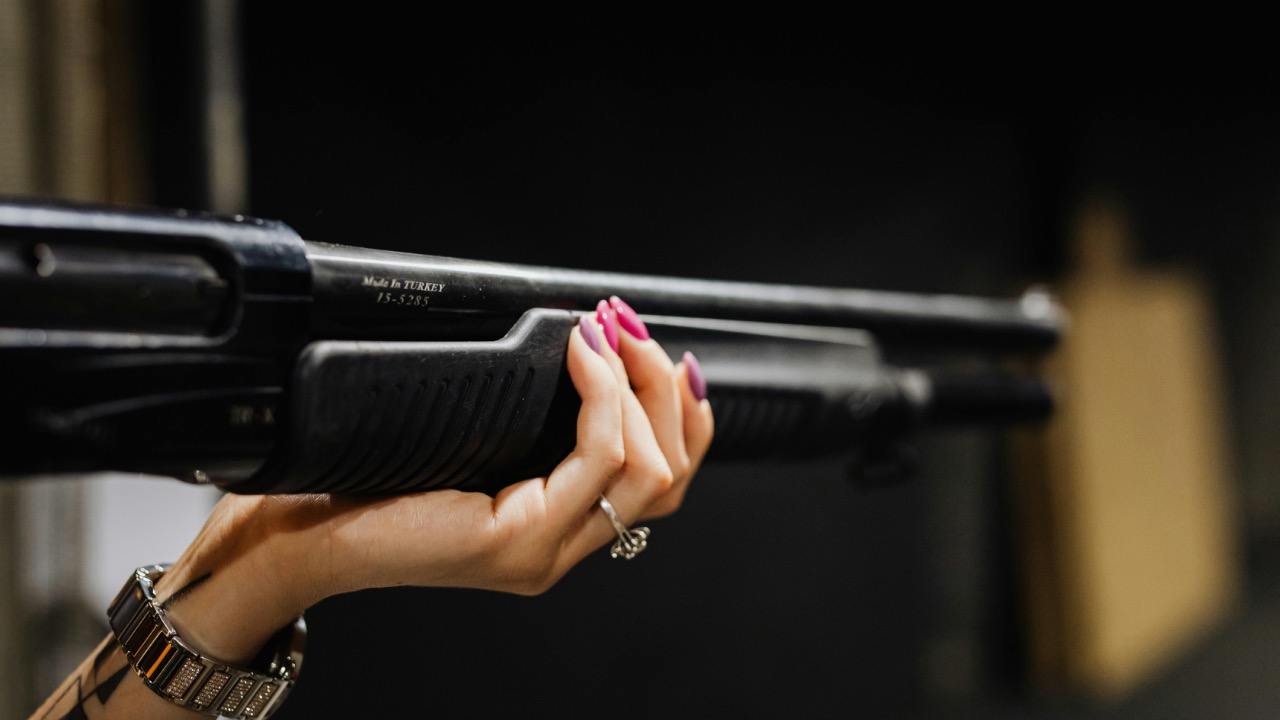
The 12 gauge pump has a cultural grip on the home-defense conversation that few tools can match. In many households, the mental picture of a defender involves a pump action like the Mossberg 500 or Remington 870 coming out of a closet. That image persists because a shotgun offers a specific mix of power, simplicity, and close-range effectiveness that is hard to ignore.
Advocates often highlight that Shotguns are easier to aim than a pistol at typical room distances, since a long gun provides more points of contact and a more stable and accurate platform.Shotguns also deliver a payload that can stop a threat quickly at close range, which is why some trainers still recommend them as a first long gun for defense.
Supporters also point to legal and regulatory realities. In many restrictive jurisdictions, Shotguns have more widespread legality where handguns have been severely limited or banned, so a pump or semi-auto becomes the only practical option for a resident who wants a firearm for the house.more widespread legality can matter just as much as ballistics when lawmakers have already narrowed the menu.
There is also the question of what happens after a trigger press. One analysis notes that defensive shotgun pellets, even though they travel faster than most handgun rounds, are spherical instead of conical, which reduces their tendency to overpenetrate compared with many pistol or rifle bullets.Even so, that same guidance stresses that ammunition choice is critical, since some loads will still punch through multiple interior walls.
Shotgun realities inside a hallway
For all the mystique, a shotgun is not a magic wand. The spread of pellets at typical indoor distances is often far tighter than Hollywood suggests. One technical breakdown notes that at indoor ranges less than 10 yards, the pattern may be about 19 inches, or 48 centimeters, and that many real home-defense shots would likely occur at even closer distances where the pattern is smaller.48 This means a defender still has to aim carefully, not simply point in the general direction.
Practical users in home-defense communities often frame the tradeoff bluntly: a Shotgun is easier to aim but less maneuverable and Also absolutely devastating, while a Pistol is more maneuverable but more difficult to aim precisely, especially under stress.Shotgun barrels can snag on door frames or furniture, and a long gun requires two hands, which complicates tasks such as opening doors or grabbing a child.
Training groups that compare a shotgun and a rifle for home use tend to agree that the 12 gauge, especially with defensive ammunition, delivers plenty of stopping power at short range and that the sound of pumping a round often carries a psychological effect on an intruder.Plus they also warn that recoil, reload speed, and limited capacity require more practice than some owners expect.
Handguns: convenience, concealment, and compromise
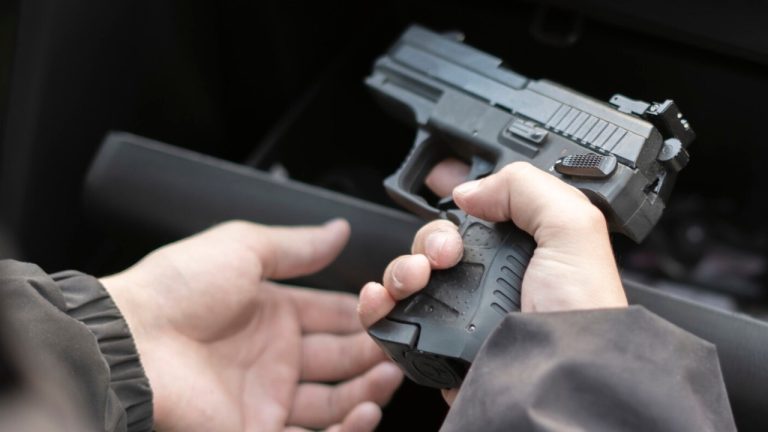
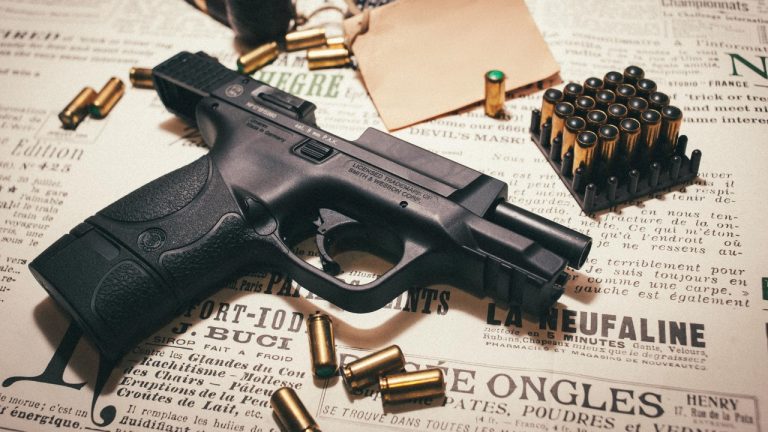
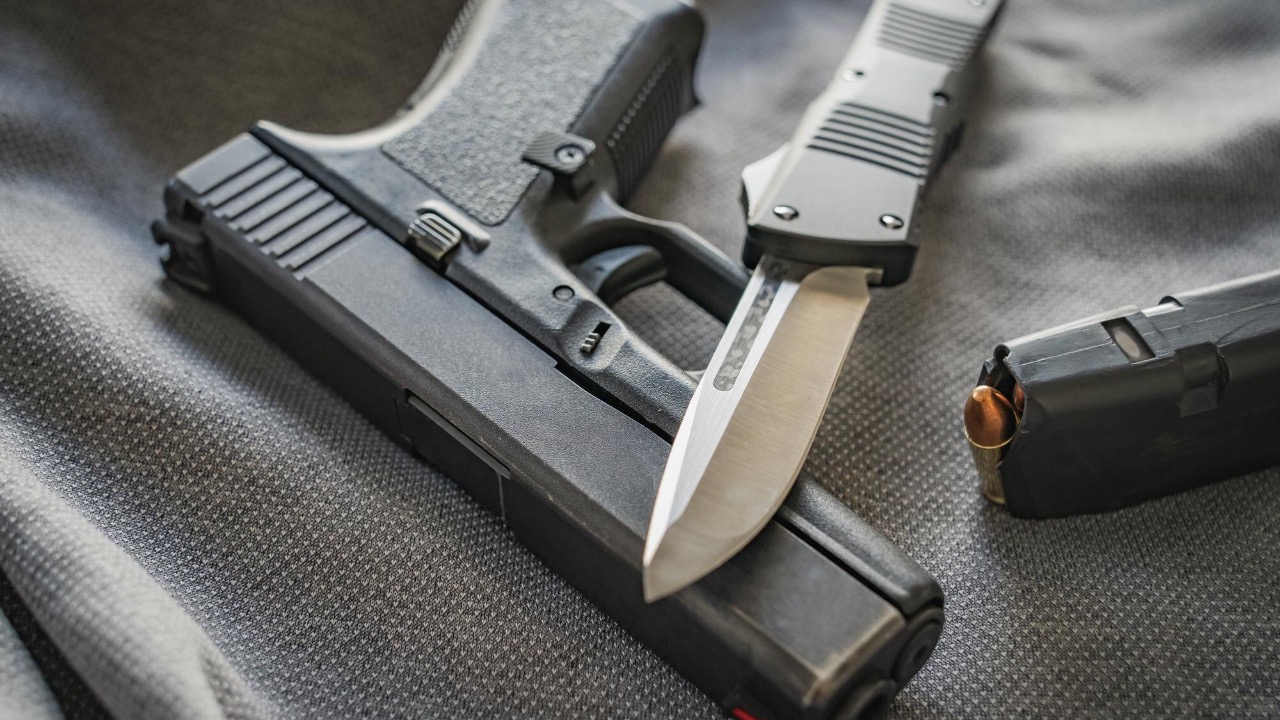
Handguns occupy a different niche in the argument. They are usually weaker in raw stopping power than a 12 gauge or a centerfire rifle, but they are easier to keep close and to move with inside tight spaces. One comparison of self-defense tools notes that Handguns offer less stopping power than Shotguns and Rifles, yet they remain the default choice for many people who prioritize portability and concealment.Handguns are also the only format that can transition from a nightstand to daily carry without changing platforms.
Practical advice from training academies often emphasizes storage and access. One guide points out that a handgun is considerably easier to conceal and secure in a house, since a small draw safe can be mounted for one-handed operation while still keeping the firearm locked from children or visitors.handgun is considerably That ability to keep a pistol both very secure and very accessible is a major reason many households default to a compact or full-size 9 mm.
Owners who favor pistols also point to maneuverability and sensory load. One Quora discussion that compares a 9 mm handgun to a shotgun for home defense argues that the handgun is easier to move and pivot with, while a long gun may hang up on door jambs or furniture, and that a pistol typically produces Less noise and muzzle blast indoors than a 12 gauge.Less For someone defending an apartment at arm’s length, that difference in blast and flash can matter.
There are legal and capacity angles as well. In some jurisdictions, magazine limits are stricter for rifles than for pistols. One California-focused discussion notes that a Rifle magazine cannot fit more than 10 rounds, so a compliant rifle might hold 10+1, while a handgun magazine cannot exceed 17 rounds, which yields 17+1 in the chamber.Rifle In that environment, a full-size pistol can actually offer more on-board ammunition than a carbine.
Rifles: precision, capacity, and controversy
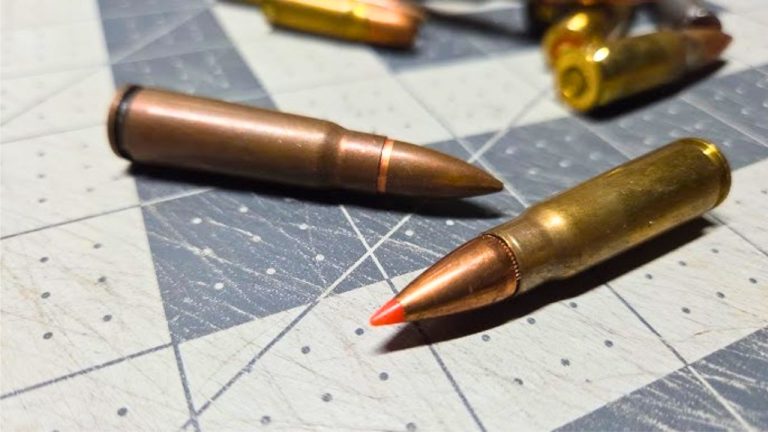
Rifles sit at the center of the most heated part of the debate. Supporters argue that a modern carbine offers the best blend of accuracy, capacity, and controllability, while critics worry about overpenetration and the political baggage attached to AR-pattern firearms.
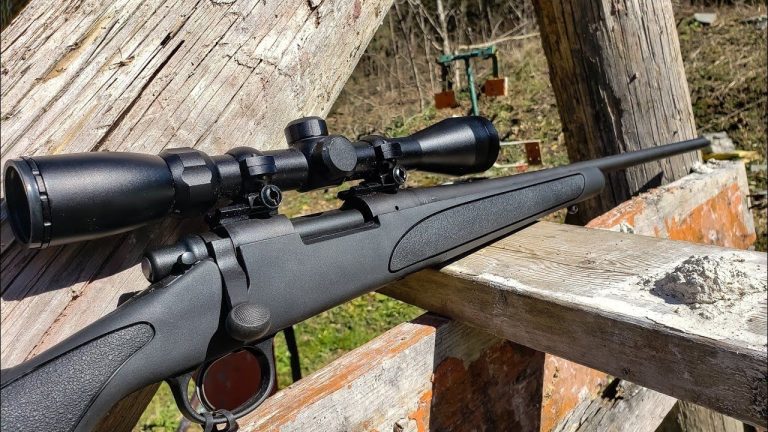
One detailed comparison of home-defense guns states that Rifles provide the best combination of accuracy, capacity, and ease of use for many shooters, which makes them an excellent choice for defending a house when properly configured.Rifles Intermediate-caliber carbines often recoil less than a 12 gauge and offer faster follow-up shots, especially for smaller or less experienced shooters.
Technical guides that compare Rifles and Shotguns for home defense underscore that many Rifles, particularly those chambered in lighter calibers, produce less recoil than a 12 gauge and can therefore be easier to run accurately for extended strings of fire.Rifles That lower recoil can matter when a defender must fire multiple controlled shots rather than a single blast.
At the same time, rifle rounds bring different ballistic behavior. One analysis of self-defense firearms notes that Rifles are known for precision and accuracy and that They excel at longer ranges, which makes them suitable for defending larger properties or outdoor approaches, but also raises questions about how far a round may travel past the target.Rifles Another discussion of what is better for home defense acknowledges that a rifle is highly accurate but, like a shotgun, can be clumsy to maneuver in tight rooms and that rifle rounds can travel much farther than handgun bullets, which complicates safety planning in dense neighborhoods.Nov
Supporters of AR-pattern carbines push back on the stigma. One commentary argues that AR rifles are very misunderstood by many and that They are unfairly demonized despite being excellent firearms for both home defense and sporting use when handled responsibly.They Another popular thread within gun communities stresses that properly selected 5.56 mm ammunition can actually limit overpenetration compared with some pistol and shotgun loads, provided the shooter chooses modern defensive bullets rather than full metal jacket.Properly
Penetration, neighbors, and the wall problem
Regardless of platform, the question of what happens after a miss or a pass-through shot is central to any responsible home-defense plan. The same technical breakdown that quantified a 48 centimeter shotgun pattern at 10 yards also warned that many defensive loads, whether from a pistol, shotgun, or rifle, can still penetrate several layers of drywall. That reality complicates decisions for apartment dwellers or anyone with children sleeping in adjacent rooms.
Some instructors argue that intermediate-caliber Rifles with the right ammunition can offer a better balance of stopping power and reduced penetration through typical residential walls than heavy handgun bullets or large buckshot, while others point to shotgun loads that are designed to break up more rapidly. The consensus across these sources is less about a specific caliber and more about matching ammunition to the environment and then testing it in realistic conditions before trusting it.
Online communities that host these debates operate under their own content rules. Platforms such as Reddit, which hosts recurring threads about Rifle, handgun, or shotgun choices, enforce user agreements, privacy rules, and content policies that govern how people can share advice about firearms and self-defense.Discovered That structure shapes how far discussions can go into tactics or modifications, even as users trade detailed experiences about penetration and wall construction.
Training, fit, and the human factor
Across all of these arguments, one theme repeats more often than any caliber recommendation. Experienced trainers insist that the ideal home-defense firearm is usually the one an individual trains with the most, to the point that it becomes an extension of practiced skills rather than a novelty pulled out in a crisis.Jan A lightweight rifle that gathers dust in a safe is less useful than a well-worn pistol that sees regular range time, and the reverse is equally true.
One training-focused breakdown of home-defense choices notes that Shotguns deliver unmatched stopping power at close range, Rifles offer precision and capacity, and pistols provide portability and ease of storage, yet the deciding factor is often how confidently the owner can run that specific system under stress.Shotguns That perspective reframes the endless “which gun” argument into a more personal question about time, training, and physical ability.
Even the companies that sell safes and storage gear emphasize this point. Their own guidance on the best home-defense firearm often concludes that the right choice is the one that fits the owner’s body, skill level, and legal constraints, provided it is stored in a way that is both very secure and very accessible in an emergency.Best Home Defense That combination of fit and access matters more than any single specification on a product sheet.

Leo’s been tracking game and tuning gear since he could stand upright. He’s sharp, driven, and knows how to keep things running when conditions turn.