What hunters don’t expect when they run into conflict on public land
Public hunting ground promises equal access, but the reality is often far messier. From parking lots packed at dawn to tense encounters at treestands, hunters who expect solitude and fair chase frequently find themselves negotiating territory, etiquette and even the law with strangers. Conflict on public land is no longer a rare annoyance; it has become a defining part of the modern hunting experience that many participants are not prepared to handle.
Those confrontations are not just about bruised egos. They influence safety, shape access debates and, in some cases, determine whether wildlife habitat stays open to the public at all. Understanding how and why these clashes happen, and what practical tools exist to defuse them, has become as important as knowing how to shoot or read sign.
The crowded reality of “everyone’s” land
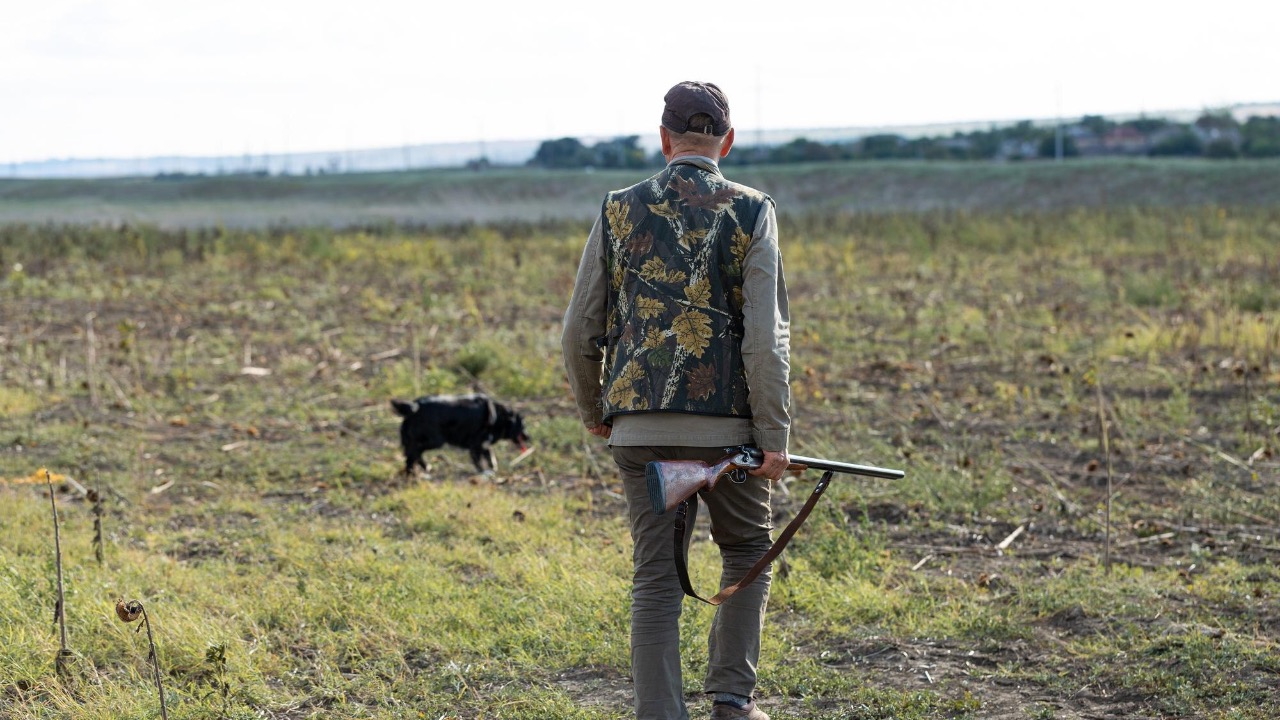
On paper, public land is a shared resource where every licensed hunter has the same right to be there. In practice, that promise collides with geography and human behavior. In Wisconsin, for example, the northernmost reaches are filled with large tracts of public land, while the rest of the state is a patchwork of smaller parcels that concentrate pressure and make respectful spacing harder to achieve, as one Wisconsin analysis explains.
That patchwork effect repeats across much of the country. Large national forests and remote tracts still exist, but suburban growth and access closures have pushed more hunters into fewer, smaller parcels. When several groups hike into the same 200 acre property before daylight, the odds of someone feeling crowded or “cut off” rise quickly. Many expect to have room to roam, then discover that public ground in heavily hunted regions functions more like a busy boat ramp than a backcountry basin.
Online forums and social media show how raw those expectations can be. In one public group discussion, a commenter offered a “Simple solution” for conflict, insisting that “Even if it is public you still have to respect other Hunters. Nobody wants to hunt on top of each other. You went first come first serve.” Others pushed back with the reminder that “Public land means public land,” and that no one can permanently claim a spot just by getting there once, a tension captured in a long Facebook thread.
That back and forth captures the core surprise for many hunters. They expect a simple first come, first served norm, yet quickly discover that others interpret “respect” to mean surrendering a hard earned location or staying far beyond any legally required distance. Public land law is clear that no individual owns a spot, but social expectations are far less settled.
How small slights turn into big confrontations
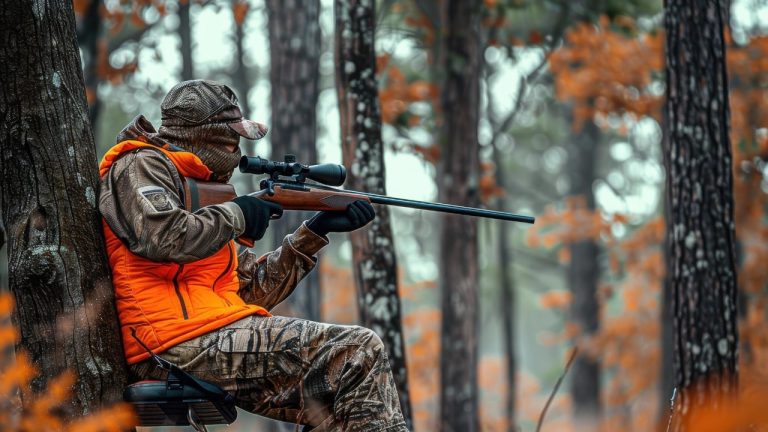
Conflicts between hunters rarely start with overt aggression. They usually begin with small slights that feel bigger in the moment: a truck parked too close, a headlamp in the distance that reveals someone slipped in ahead, a shot that seems uncomfortably near. In tight cover, a hunter might walk into another’s decoy spread or slip beneath a treestand, then react defensively when challenged.
Experienced mediators such as Hext, who has worked on public land conflict, point to four key factors that help deescalate these situations. A first impression is a lasting impression, so tone of voice, posture and the first few words matter far more than most hunters expect, according to Hext’s guidance. When the opening line is a barked accusation, the conversation is almost guaranteed to spiral.
Bowhunting stories illustrate how quickly that spiral can happen. In one widely shared account, a bowhunter named Whitman kept encountering another hunter who repeatedly intruded on his setup and even tried to claim the area as his own. Advice that followed emphasized a simple rule: Keep Your Cool, Show Respect. The recommendation was to stay calm, state the facts and avoid matching the other person’s volume or insults, a theme echoed in bowhunting conflict tipsthat urge hunters to disengage and call authorities if threats escalate.
Hext also stresses that self care is not a soft add on but a practical tool. In a companion piece on public land conflict, Hext argues that hunters almost never think about how sleep, hydration and stress affect their mindset, yet “Take care of yourself” may be the most overlooked way to prevent an argument from becoming a fight. That perspective is laid out in more detail in a Quail Forever piece that connects basic physical needs to better decision making in tense moments.
Another surprise for many hunters is how often misunderstandings, not malice, sit at the root of a confrontation. Bowhunters United has described how most disputes begin because one party does not fully understand the regulations on distance, access or tagging. Their advice is to share the facts calmly and, if necessary, let a conservation officer settle the question instead of trying to win a parking lot argument, a point made in a Bowhunters United guide.
First come, first served, and the myth of “my spot”
One of the most common flashpoints is the belief that finding a productive area on public land somehow turns it into a personal lease. Hunters will describe a drainage, treeline or marsh edge as “my spot,” then react with anger when someone else sets up nearby, even if that person arrived first on a given morning.
On Reddit, a user posting under the name unknownidentity45 captured the more legally accurate view in a thread titled “Public Land Hostility – Normal?” The user wrote that “Public land is first come first serve; an individual cannot ‘claim’ a spot,” and warned that anyone who spends enough time on busy properties will eventually cross paths with “an entitled dickhead” who thinks otherwise, as seen in the Comments Section of that discussion.
The Facebook debate about the “Simple solution” of first come, first served reveals how even that seemingly straightforward rule can be contested. Some participants argue that if someone is there first, others should simply leave and treat it like fishing, where crowding another angler is considered rude. Others insist that a single treestand or blind does not give the owner control over an entire valley or field, especially if they are absent for long stretches. The phrase “You are wrong!” appears in that thread as a blunt response to anyone who tries to enforce unwritten rules that go beyond what the law requires.
Many hunters do not expect how emotionally attached they can become to a piece of public ground. Hours of scouting, trail camera work and past success build a sense of ownership that the law does not recognize. When another hunter appears, it can feel like theft even though the other person is acting within their rights. Recognizing that gap between feelings and legal reality is often the first step toward avoiding a blowup.
Access fights, corner crossing and the bigger stakes
Public land conflict is not limited to hunter versus hunter encounters. It also plays out at fence lines and in courtrooms where landowners and hunters clash over how far public access really extends. That larger context shapes the mood on the ground, especially in the West where checkerboarded ownership and “corner crossing” debates dominate conversation.
In Wyoming, four elk hunters were sued for trespass after they stepped from the corner of one public parcel to another, passing through the airspace above private land without setting foot on it. A federal judge ruled in favor of those corner crossing hunters and rejected the idea that they had violated private “airspace” above the land, as described in a summary of the. The case became a touchstone for public land advocates who saw it as a test of whether landlocked public parcels would ever be reachable.
That legal battle continued when a federal appeals court later upheld a lower court ruling in favor of four hunters who faced civil trespassing charges for violating a ranch’s airspace while corner crossing. The appeals court decision was celebrated as confirmation that access to certain public lands through corner crossing remains legal, a conclusion described in a detailed account of.
Groups focused on habitat and access argue that these conflicts have direct consequences for wildlife. One advocacy piece warned that “If we don’t act now, conflict will only intensify, with landowners retreating behind no-trespass laws and hunters more and more out of touch with the working lands that sustain wildlife,” a concern laid out in a public access commentary. The argument is simple: when relationships sour, landowners post more acreage, hunters lose places to go and wildlife management suffers.
Technology has become part of this story. OnX has emerged as a powerful tool for hunters and surveyors, giving users detailed property boundaries to avoid trespassing and to understand where public parcels are landlocked. A Facebook post about 2025 access fights noted that OnX has become a powerful tool for hunters and for surveyors, and that hunters need to know the property boundaries to avoid trespassing and to navigate disputes, as described in a Cowboy State Daily. The same mapping tools that help a hunter stay legal can also embolden them to assert access rights more aggressively, which in turn can inflame tensions with landowners.
Online arguments, real-world attitudes
Modern hunters do not just swap stories at the local café. They carry their frustrations and opinions into Facebook groups, Reddit threads and YouTube comment sections, where the loudest voices often belong to those who are angriest about public land encounters.
The Facebook exchange that began with the phrase “Simple solution” shows how quickly a discussion about etiquette can descend into profanity and personal attacks. One participant suggested telling an encroaching hunter to “fuk off,” while another declared, “That’s the problem with public, you’re spot: simple.” The same thread includes comments from Kevin Schild, who says that is why he does not hunt public land, and from Steve Klein, who notes that he knows some places with fewer hunters these days. The underlying message is that conflict is pushing some hunters off shared ground entirely.
On Reddit, the “Public Land Hostility – Normal?” thread captures a similar divide. Some commenters urge patience and thick skin, arguing that entitlement is the exception, not the rule. Others insist that hostility is common enough that they avoid certain areas or entire states. The user unknownidentity45 warns that anyone who spends time on public land will eventually cross paths with an “entitled dickhead,” and advises hunters to remember that first come, first served is the only defensible rule in a truly public setting.
YouTube creators have turned public land conflict into content as well. In one video titled “How to Deal with OTHER HUNTERS on PUBLIC LAND!”, the host describes how “other hunters, if they’re local or like can get real territorial,” and explains strategies for working around them and trying to deescalate. The clip, available at this YouTube link, blends practical advice with a recognition that territorial behavior is common enough to deserve its own how-to guide.
This online discourse shapes expectations. New hunters who read thread after thread about hostility may show up primed for conflict, interpreting neutral behavior as aggressive. Others absorb the idea that yelling or staking a claim is normal, then carry that script into the field. The result is a feedback loop where digital arguments spill into real forests and marshes.
Practical tools for deescalation on the ground
Despite the intensity of some stories, experienced hunters and educators insist that most conflicts can be defused with a few simple habits. Hext’s work on public land conflict emphasizes preparation, mindset and communication, rather than elaborate rules that no one else knows.
One practical approach is to manage first impressions. Hext argues that a calm greeting, visible empty hands and a neutral stance can lower the temperature immediately. Instead of opening with “You are in my spot,” a hunter can start with “How is it going?” and then explain where they are set up. That small shift acknowledges the other person’s right to be there while still asserting boundaries.
Another tool is to decide in advance what is worth fighting over. Many hunters assume they will stand their ground no matter what. In practice, walking an extra half mile to avoid a stubborn stranger may be the safer and more productive choice. Hext suggests that giving up a “honey hole” for a day is often preferable to escalating a confrontation that could ruin the season or worse. The Pheasants Forever discussion of conflict, available at this link, frames that decision as a sign of maturity, not weakness.
Bowhunting conflict advice that features Whitman’s experience reinforces similar themes. The phrase “Keep Your Cool, Show Respect” appears repeatedly in both that account and in Bowhunters United material. The consistent message is that even when the other party is clearly in the wrong, matching their aggression rarely leads to a better outcome. Instead, hunters are urged to back away, document the situation if needed and call a game warden when safety or legality is in question.
Self care also plays a role. Hext’s reminder to “Take care of yourself” is not just about comfort. A hunter who is exhausted, dehydrated and stressed from work is far more likely to snap at a perceived slight. Adequate rest, food and hydration make it easier to pause before responding, to recognize that a stranger’s mistake is not a personal attack and to choose a calmer path.
When conflict reaches landowners and policy makers
Individual arguments on a logging road can ripple outward into policy. Landowners who hear repeated stories of aggressive behavior on adjacent public parcels may decide to lock their gates. Hunters who feel harassed by neighboring ranchers may lobby for clearer access laws or support litigation that tests existing boundaries.
The concerns laid out in the “Wildlife Loses Unless We Solve Conflict Between Landowners & Hunters” commentary are grounded in real incidents. One Cowboy State Daily piece described how an elk took hours to die because a Wyoming rancher would not grant trespass permission, a story detailed at this report. Another letter to the editor argued that wildlife loses when landowners and hunters retreat into opposing camps instead of working together, a point made in a separate letter that echoes the access group’s concerns.

Leo’s been tracking game and tuning gear since he could stand upright. He’s sharp, driven, and knows how to keep things running when conditions turn.