It’s antler shedding season — and why you shouldn’t pick them up
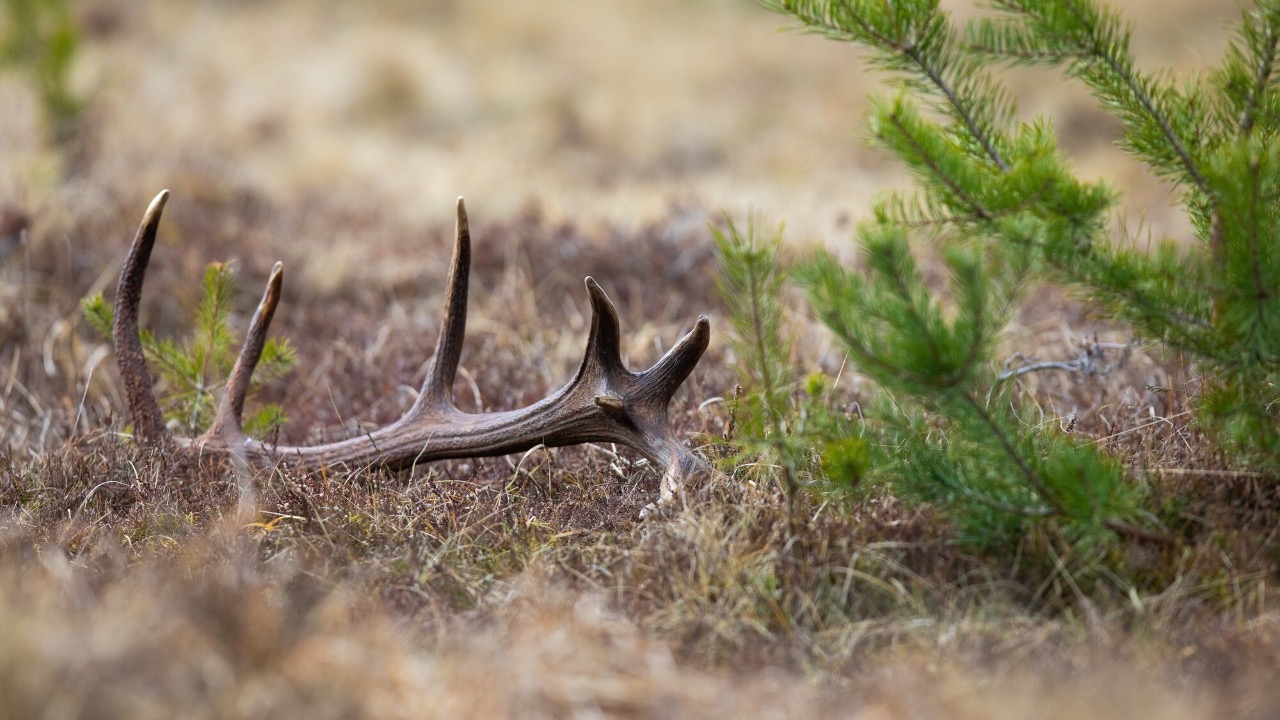
You start seeing them this time of year—fresh sheds lying in the grass, tucked into cedar edges, or sitting right where a buck jumped a fence. It’s hard to walk past one. For a lot of hunters, shed hunting feels like a bonus season.
But here’s the part that doesn’t get talked about enough: picking them up isn’t always harmless. In some places it’s illegal. In others, it puts real stress on animals already running on empty. You might not see the impact in the moment, but it’s there. If you care about the herd you hunt, this is one of those times where restraint matters more than another set on the wall.
Late Winter Is the Toughest Stretch for Deer
By the time antlers hit the ground, deer are worn down. They’ve come through months of cold, limited groceries, and the tail end of the rut. Fat reserves are low, and every step costs something.
When you push into bedding areas looking for sheds, you’re forcing animals to move when they can least afford it. That burn of energy doesn’t come back easily. A bumped deer in March might not recover the same way it would in October. You’re not seeing the full effect, but it can show up later in body condition, survival, and even antler growth.
Bumping Bucks Now Has Bigger Consequences
You might think spooking a buck once or twice isn’t a big deal. During the season, that’s often true. This time of year, it’s different.
Bucks are conserving everything they’ve got left. When you push them out of cover, they may travel farther than you expect, crossing into poorer habitat or higher-risk areas. Repeated pressure stacks up. What feels like a quick walk to you can turn into a series of costly movements for them. It’s not about one encounter—it’s about how often it happens across the landscape.
Some States Have Made It Illegal for a Reason
In several Western states, shed hunting seasons are regulated. Places like Utah and Wyoming have set dates that restrict when you can legally pick up antlers on public land.
Those rules didn’t come out of nowhere. Wildlife agencies saw what was happening—people pushing wintering herds harder every year—and stepped in. The goal is to give animals a window to recover without added pressure. Even if your state doesn’t have those laws, the reasoning behind them still applies.
Wintering Areas Aren’t the Place to Wander
Deer and elk concentrate in specific areas during winter. South-facing slopes, thermal cover, and accessible food sources become critical.
When you go searching those spots for sheds, you’re walking right into their safety net. It doesn’t take much to disrupt that. Once animals get pushed off those areas, they may not find equivalent cover or food nearby. That’s where problems start. You might leave with a set of antlers, but you’ve traded something the herd actually needed to get through the season.
Social Media Has Turned Shed Hunting Into a Rush
Shed hunting used to be a quiet thing—something you did while scouting or stretching your legs after winter. Now it’s turned into a race.
Photos, contests, and online chatter have more people covering ground earlier and more aggressively. That pressure adds up fast, especially on public land. You’re not the only one out there anymore. When multiple people are hitting the same wintering areas, the disturbance multiplies. It’s not one guy causing stress—it’s a steady stream of them.
Antlers Will Still Be There Later
This is the part most folks overlook. Sheds don’t disappear overnight. They might get chewed by rodents or fade in color, but they’re not going anywhere in the short term.
If you wait until conditions improve—when green-up starts and deer are back on a better nutritional plane—you can cover the same ground with far less impact. You’ll still find antlers. You’ll also avoid pushing animals when they’re most vulnerable. Waiting a few weeks can make a real difference.
There’s a Difference Between Looking and Pressuring
Getting outside in late winter isn’t the issue. It’s how and where you do it.
Walking field edges, glassing from a distance, or scouting without diving into bedding cover keeps disturbance low. Charging into thick winter habitat does the opposite. You’ve got to draw that line yourself in places without clear rules. Knowing when to back out matters more than how many sheds you can stack in a day.
Respect for the Resource Means Knowing When to Back Off
You spend months thinking about deer season, putting in work to understand the animals and the ground. That shouldn’t stop once the season ends.
Late winter is part of that cycle. The decisions you make now carry forward into fall. Giving deer space when they need it most is one of those quiet choices that pays off later. You might pass up a few sheds, but you’re doing right by the animals you’ll be chasing again soon.

Asher was raised in the woods and on the water, and it shows. He’s logged more hours behind a rifle and under a heavy pack than most men twice his age.