The Quiet Trend Changing Rifle Choices in 2026
Rifle buyers in 2026 are making a quieter, more calculated shift. Instead of chasing raw power or the latest tacticool fad, more shooters are reorganizing their setups around sound, recoil, and real-world comfort, and that is changing which rifles leave the rack and which stay behind.
The core of this trend is simple: when you plan from the muzzle back, rather than from the stock forward, you end up with different barrel lengths, calibers, and even platforms. That quiet recalculation is reshaping everything from whitetail rigs to truck guns and training carbines.
The policy change that unlocked shorter, quieter rifles

The biggest nudge toward quieter rifles started on the paperwork side, not at the range. Earlier this year, federal rules shifted so that suppressors no longer require a $200 payment to the ATF, even though the paperwork and approval process remain in place for buyers who still file through the existing system. That single $200 change suddenly made it easier for ordinary shooters to justify adding a can to the rifle they already own or to the next one they are planning.
At the same time, suppressors are still treated as “firearms” under federal law and are regulated under the National Firearms Act, which means buyers are not exactly walking out of the store with one the way they would a box of ammo. In the U.S., that status is spelled out clearly in guidance that notes that suppressors are considered “firearms” and are regulated pursuant to the National Firearms Act, a reminder that the legal framework has not disappeared even as the cost barrier has dropped. That tension between easier access and ongoing regulation is a big part of why the shift in rifle choices feels quiet but steady rather than chaotic, and it is why I expect the trend to keep building instead of spiking and fading.
How NFA rules still shape what people buy
Even with the tax cut on suppressors, the National Firearms Act still casts a long shadow over how people spec out their rifles. When someone decides to buy a can, they still have to work through ATF Form 4, and that requirement has not gone away. The fact that ATF Form 4 is still required when purchasing a suppressor keeps the process deliberate, which in turn means buyers are thinking harder about barrel length, gas systems, and host rifles before they ever hit “submit.”
On top of that, short-barreled rifles and short-barreled shotguns remain under the same law, so anyone who wants a compact, suppressed setup has to decide whether to register an SBR or stick with a pinned muzzle device and a 16 inch barrel. That tradeoff is pushing more shooters toward rifles that are designed from the start to run well with a can, rather than hacking together a host later. In my experience, that is why you see more midlength and “midlink gas” systems on the shelf now, and fewer bargain carbines that were never meant to live their lives suppressed.
Why suppressors are suddenly a “must have” accessory
Once the financial barrier dropped, the practical reasons for running a suppressor moved to the front of the conversation. Gun owners told local reporters that they are buying silencers so they can avoid wearing bulky hearing protection and to cut down on noise for neighbors and family, especially when they shoot on private land or small ranges. Those same Gun owners also point out that a quieter rifle makes it easier to communicate on the line and to bring new shooters into the sport without scaring them off with blast.
Industry voices are saying the same thing in broader terms. One marketing lead described 2026 as the year suppressors are going fully mainstream, not only because approvals are faster but because hunters and recreational shooters are finally seeing them as standard gear instead of exotic toys. That comment, that “2026 is shaping up to be the year suppressors fully go mainstream,” came from someone who works in sales and marketing for suppressor manufacturer Q, and it matches what I am seeing in shops and at ranges. When a company insider is willing to call it the “year of the suppressor,” and outlets like 2026 is shaping up to be that tipping point, you can bet rifle buyers are listening.
Trump’s NFA tax cuts and the political tailwind
Policy did not move on its own. Last July, President Trump signed the “One Big Beautiful Bill Act” into law, and buried in that package was a provision cutting the $200 National Firearms Act tax on suppressors, which advocates immediately called a major win for the gun community. Reporting on the change notes that Last July, President Trump’s signature on the One Big Beautiful Bill Act set off a surge in silencer applications, and that surge is now showing up in what rifles people are ordering and how they are configuring them.
When you combine that tax cut with the more recent rule change that removed the $200 payment to the ATF at the point of purchase, you get a one-two punch that makes suppressors cheaper up front and less painful over the long term. I have talked to plenty of shooters who used to say they would “get around to a can someday” and are now actively budgeting for one as part of their next rifle build. That political tailwind is not subtle inside the gun world, even if it has been relatively quiet outside of it.
Military rifles are nudging civilians toward new calibers
While the legal side is making rifles quieter, the military side is pushing them toward new calibers and higher performance. In April, the U.S. Army selected the MCX Spear platform and a hybrid metal cartridge from SIG Sauer as its Next Generation Squad Weapon, a move that signaled a shift away from legacy 5.56 NATO carbines. The decision that In April the MCX Spear and the new cartridge would become the basis of the Next Generation Squad Weapon program has already sparked civilian interest in similar rifles and cartridges that promise better reach and barrier performance.
That shift was cemented when the XM7 was type classified as the M7 rifle, confirming that the new system met the U.S. Army’s requirements and would move from prototype to fielding. In May, that type classification locked in the M7 as the Army’s next standard rifle, and The Type Classification language made it clear that the service sees this as a long term replacement, not a niche experiment. As the In May decision filters into the civilian market, I am already seeing more shooters ask whether their next rifle should be a traditional 5.56, a 6.5, or something closer to the new military round, especially if they plan to run it suppressed and stretch it past 500 yards.
What the M7 concept teaches civilian rifle buyers
The M7 concept is not just about a new cartridge, it is about treating the rifle, optic, and suppressor as a single system from day one. Analysts who have broken down the program note that the M7 aims to close capability gaps by treating the squad’s primary weapon as an integrated capability, rather than a bare rifle that gets accessories bolted on later. That mindset, described in detail in coverage of the M7 concept, is exactly what I see serious civilian shooters adopting when they plan a rifle around a suppressor, a specific optic, and a defined role.
When you start with the end use in mind, you end up with different choices. A hunter who wants a suppressed, all weather mountain rifle is going to look hard at lighter barrels, compact actions, and stocks that balance well with a can. A home defender who wants a quiet carbine for tight hallways is going to prioritize short overall length and gas systems that stay reliable with back pressure. The M7’s integrated approach is a reminder that the “right” rifle in 2026 is not a generic do everything gun, it is a platform tuned for how you actually shoot.
Gear trends: carbon, graphene, and softer shooting rifles
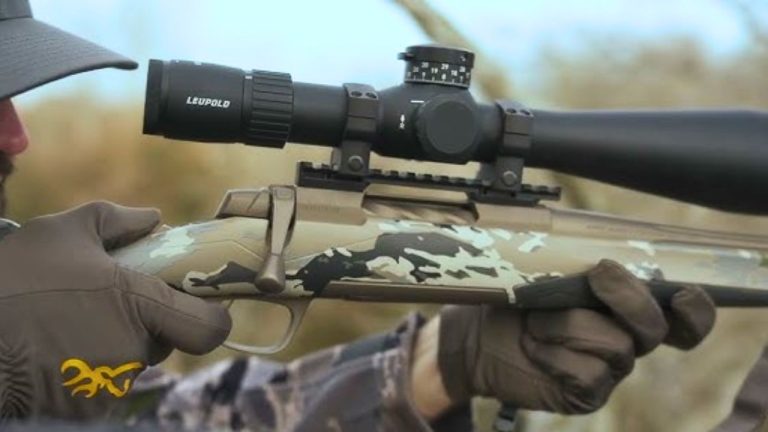
On the gear side, the quiet trend is pairing up with lighter, stronger materials that make suppressed rifles easier to carry and shoot. One of the standout trends for 2026 is the rise of carbon-fiber barrels and chassis systems for precision rifles, which cut weight without giving up stiffness. Reports on upcoming hunting gear highlight Carbon fiber barrels and chassis, along with Graphene reinforced fabrics that resist tears while shedding weight in packs and outerwear, and those same materials make a lot of sense when you add the extra ounces of a suppressor to the muzzle.
At the rifle level, manufacturers are leaning into gas systems and barrel profiles that stay comfortable with a can attached. In one breakdown of personal rifle choices for 2026, the host singles out a rifle with a “midlink gas gas system” that makes it a very soft shooter and very comfortable over long strings. That comment, made in a video titled “The 3 Guns I’m Keeping for 2026,” shows how a Jan review can influence what buyers look for in a new carbine, especially when they plan to run it suppressed and want to avoid the overgassed, face full of blowback experience that used to be common.
Lever guns, air guns, and other “quiet” alternatives
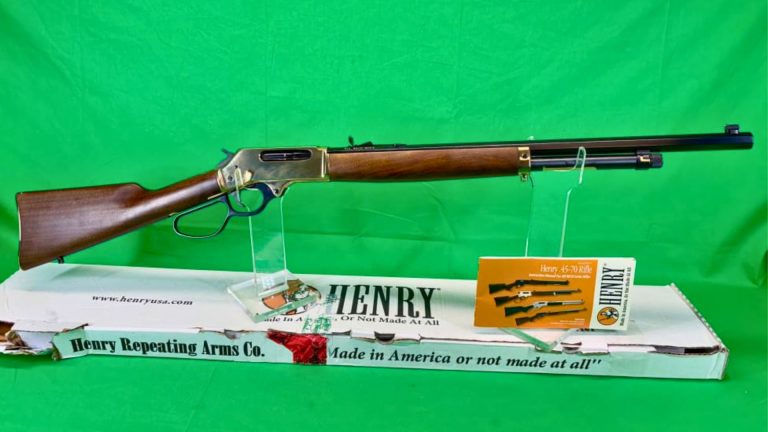
The quiet trend is not limited to AR style rifles. Lever actions are getting a modern makeover, with models like the Smith & Wesson Model 1854 Stealth Hunter bringing threaded muzzles, optics rails, and big bore power into a package that still carries and points like a classic. Coverage of SHOT Show previews notes that the Smith & Wesson Model 1854 Stealth Hunter is a modernized lever action with enough power for big game hunting, and when you add a suppressor to that kind of rifle you get a very capable, very polite woods gun.
At the same time, air guns are quietly filling a defensive and training niche for people who want low noise and low cost without giving up capability. One widely shared video on why 97 percent of Americans are “secretly” buying air guns in 2026 argues that it is good to have both traditional firearms and a quality PCP air rifle, and that while Firearms are still the best choice for serious defense, a good PCP gun can work efficiently for practice and small game. That argument, laid out in a PCP focused breakdown, lines up with what I see in rural areas where folks keep a suppressed centerfire for big jobs and a quiet air rifle for everything else.
Range culture, social pressure, and the new “normal” rifle
Culture is finishing what policy and technology started. At many ranges, the shooter who shows up with a bare muzzle and no ear pro is starting to feel out of place next to rows of suppressed rifles and electronic muffs. One video that digs into why more people are buying gun silencers in 2026 points out that gun supply stores are leaning into that demand, stocking more threaded barrels and suppressor ready models so buyers can walk out with a complete package. The clip, titled “Here’s why more people are buying gun silencers in 2026,” captures how Here the Gun counter conversation has shifted from “do you really need a silencer” to “which one are you planning to run.”
That social pressure is subtle but real. When your buddies are shooting suppressed and talking in normal voices between strings, it is hard to go back to a braked .308 that rattles teeth. I have watched more than one holdout finally order a can after a single afternoon on a quiet firing line. As that happens, the “normal” rifle in 2026 is starting to look like a midlength or similar gas system, a threaded barrel, a suppressor ready handguard, and a stock that balances the extra weight. It is not flashy, but it is quieter, more comfortable, and better suited to the way most of us actually shoot.

Asher was raised in the woods and on the water, and it shows. He’s logged more hours behind a rifle and under a heavy pack than most men twice his age.