Why wildlife experts say leaving antlers alone matters more than you think
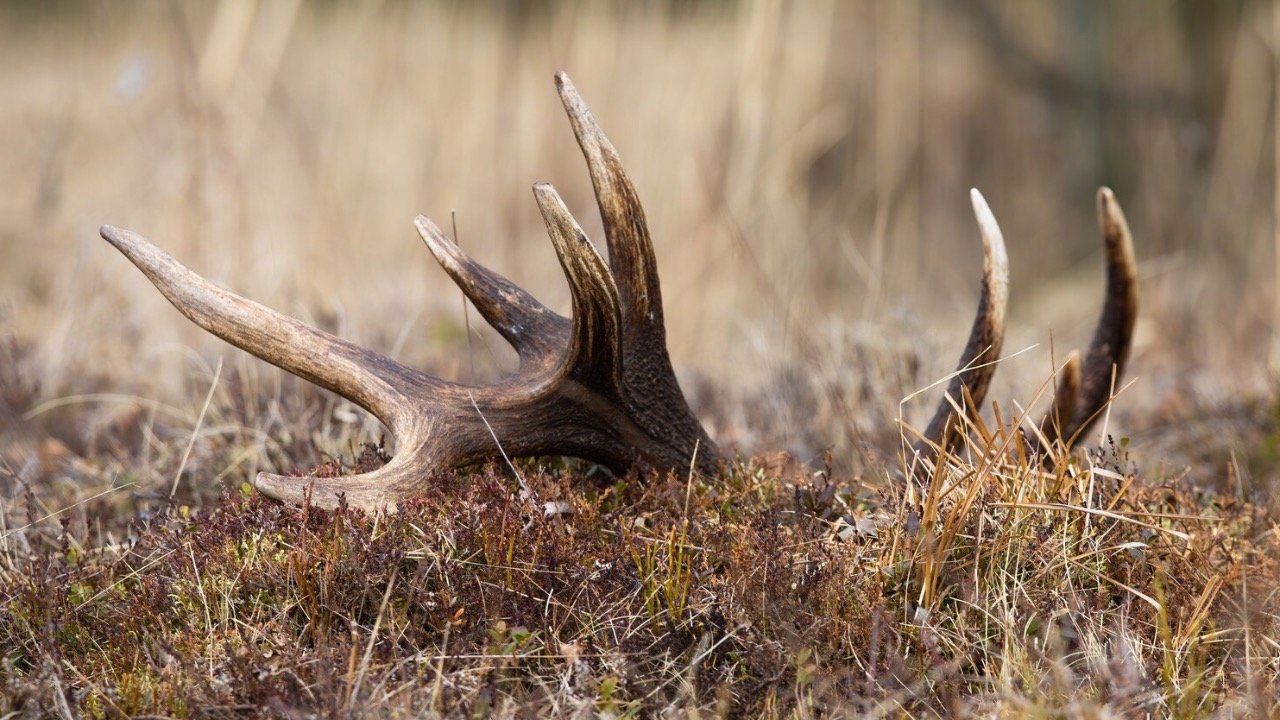
You’ve probably picked up a shed antler and felt that pull to take it home. No shame in that—it’s part of the tradition. But talk to wildlife biologists and land managers long enough, and you’ll hear a different angle. In a lot of places, leaving antlers where they fall does more good than hauling them out.
This isn’t about taking the fun out of shed hunting. It’s about understanding what those antlers do after they hit the ground—and why pulling every one you find can have consequences you don’t see right away.
Antlers Are a Critical Mineral Source for Wildlife
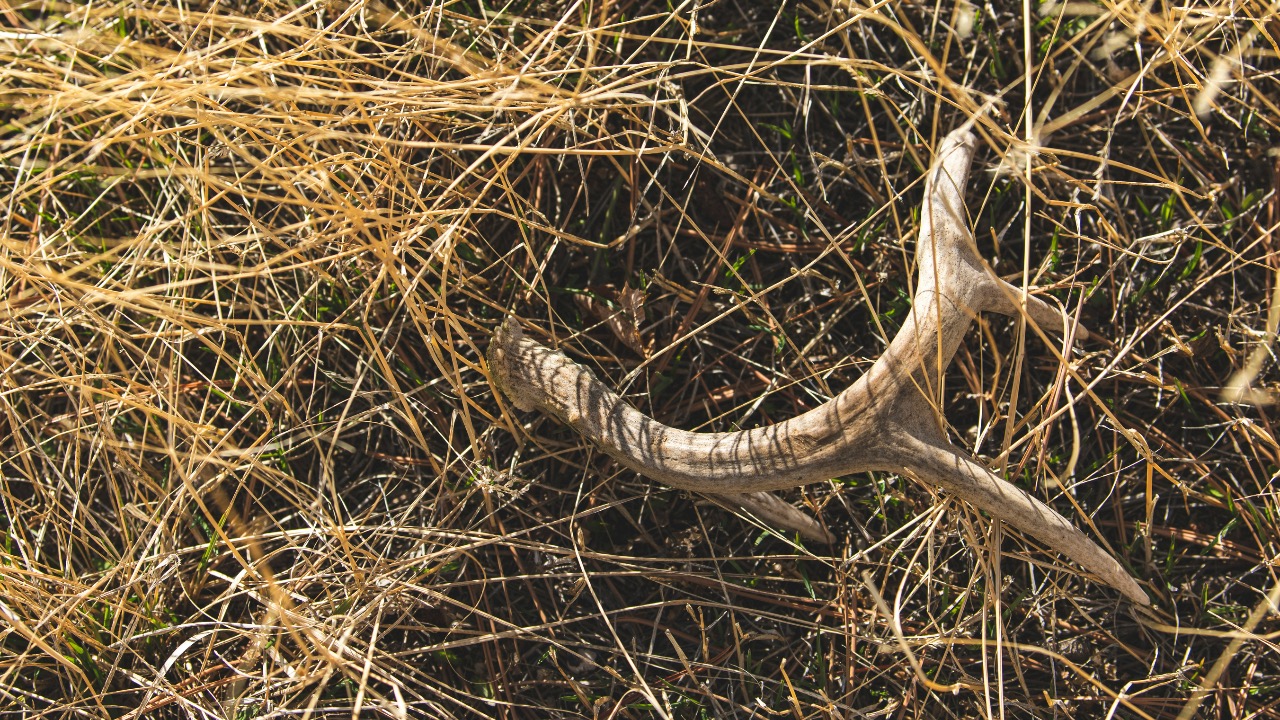
Once an antler hits the ground, it doesn’t stay intact for long. Rodents like mice, squirrels, and porcupines chew them down, pulling calcium, phosphorus, and other minerals they need to survive.
You might think that doesn’t matter much, but in late winter and early spring, those nutrients are hard to come by. Natural mineral sources are limited, and animals are coming off months of stress. An antler can support multiple species over time. When you remove it, you’re taking away a resource that would’ve been used down to the last inch.
Shed Hunting Can Stress Winter-Weakened Animals
Late winter is a rough stretch for deer, elk, and other big game. Fat reserves are low, food is scarce, and survival is the priority. That’s also when most antlers are dropping.
When people head out in numbers to find sheds, they often push animals out of bedding areas and winter range. That movement burns energy animals can’t afford to lose. It may not seem like much in the moment, but repeated disturbance adds up. In harsher winters, it can be the difference between making it through and not.
Antlers Play a Role in Soil Health
Antlers break down over time, returning nutrients to the soil. It’s a slow process, but it matters, especially in areas with poor or thin soils.
As they decompose, they contribute calcium and other minerals back into the ground. That feeds plant growth, which in turn supports the same animals you’re hunting. It’s part of a cycle that works quietly in the background. When you remove antlers year after year, you’re pulling those nutrients out of the system instead of letting them cycle back in.
Leaving Antlers Helps Maintain Natural Behavior Patterns
Wildlife rely on consistent, low-pressure environments, especially during sensitive times of year. When shed hunters flood an area, it changes how animals use that ground.
You’ll see deer and elk shift bedding locations, avoid certain slopes, or move into less ideal habitat to escape pressure. That disruption can carry into spring, affecting feeding patterns and recovery. Leaving antlers alone often means leaving animals alone too, which helps keep their behavior closer to normal during a critical stretch of the year.
Some States Restrict Shed Hunting for a Reason
If you’ve hunted out West, you’ve probably seen seasonal closures on shed hunting. States like Colorado, Utah, and Wyoming have put rules in place to limit pressure during winter months.
Those regulations didn’t come out of nowhere. They’re based on observed impacts—animals getting pushed, weakened herds struggling, and habitat being overrun at the wrong time. Even where it’s legal year-round, the reasoning still applies. Just because you can go doesn’t always mean it’s the best call for the ground you’re on.
Antlers Offer Clues That Benefit Long-Term Management
Leaving sheds in place can actually help biologists and land managers track herd health and movement patterns over time. Antlers left on the landscape provide data points when studied properly.
Age class, distribution, and even mineral deficiencies can be assessed through what’s found and where. When every shed gets picked clean, that information becomes harder to gather. It might not affect your hunt this season, but over the long run, it limits how well herds can be monitored and managed.
The Culture Around Shed Hunting Is Shifting
There’s been a noticeable shift in how people approach shed hunting. What used to be a quiet, off-season pastime has turned into a high-pressure race in some areas.
Social media, big piles of antlers, and competition have changed the tone. More people are covering more ground, earlier in the season. That kind of pressure has real impacts, especially when it overlaps with winter range. Taking a step back and being selective about when and where you go can make a difference without giving it up entirely.
You don’t have to stop picking up sheds altogether. But knowing what those antlers mean after they drop should change how you approach it. Sometimes the better move is leaving one where it lies and letting the woods use it the way it was meant to.

Asher was raised in the woods and on the water, and it shows. He’s logged more hours behind a rifle and under a heavy pack than most men twice his age.