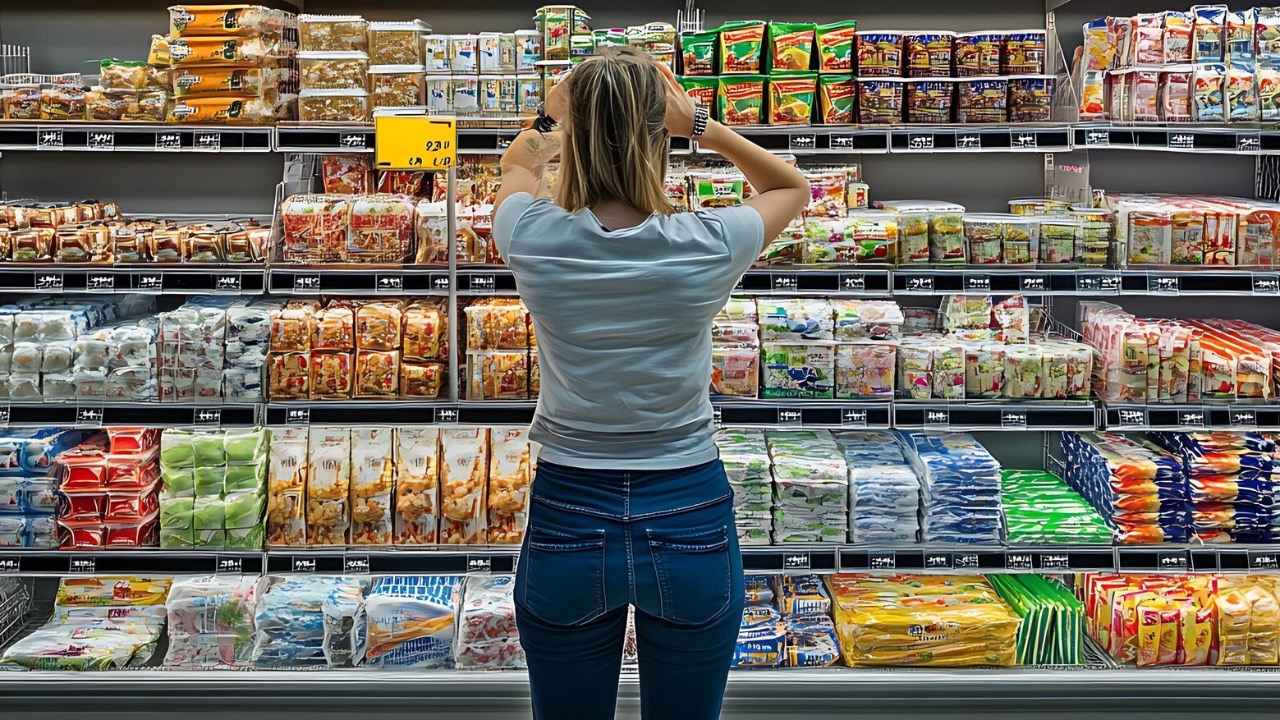
Foods that could be affected by shifting trade policies
You don’t have to follow trade policy to feel it. It shows up at the grocery store, at the dock, and in the price of a meal you’ve cooked a hundred times before. When countries start adjusting tariffs, quotas, or import rules, food is often one of the first things to shift.
Some of it happens fast—prices jump, supply tightens. Other times it creeps in slow, with substitutions, smaller portions, or fewer options on the shelf. If you pay attention to what you eat and where it comes from, you start to see how connected it all is. These are the foods most likely to feel it when trade policies start moving around.
Beef Prices Can Swing With Export Demand
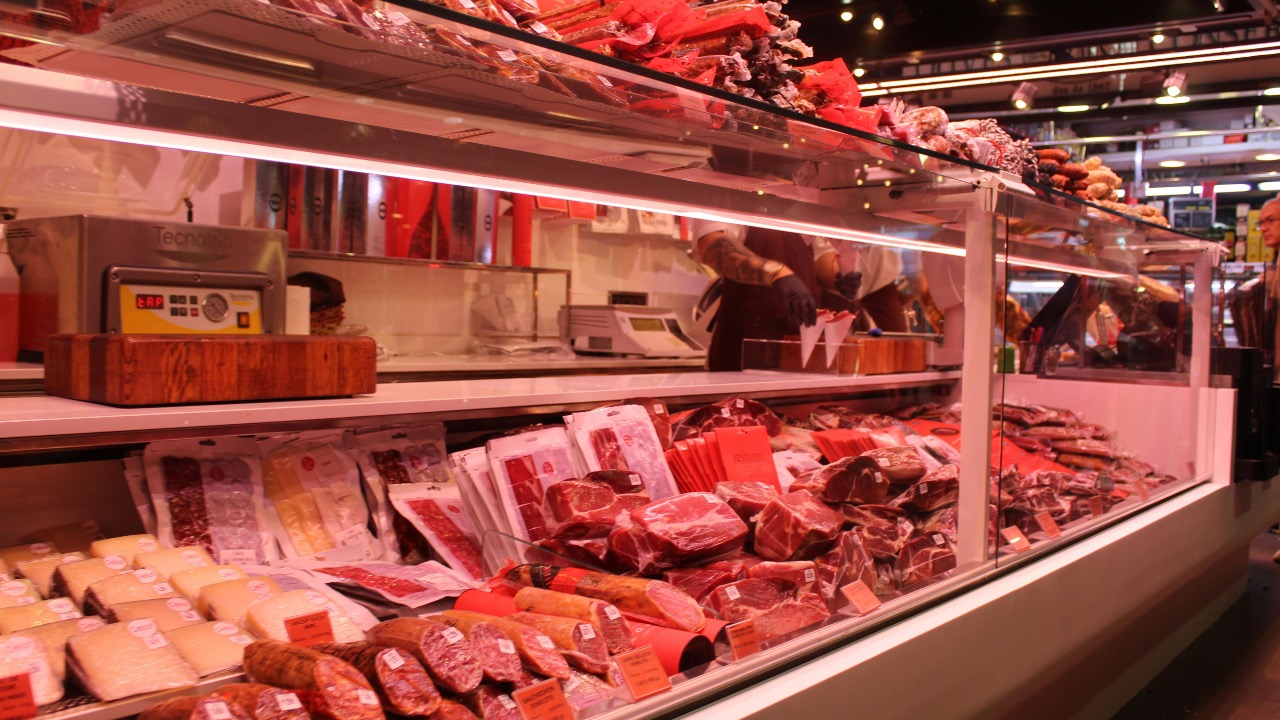
Beef doesn’t stay put. A large share of U.S. production moves overseas, especially to markets in Asia. When trade policies tighten or open up, that demand shifts quickly.
If exports climb, more product leaves the country, and you feel it at the counter. Prices rise, and certain cuts get harder to find. If restrictions hit, the opposite can happen—more supply stays domestic, sometimes easing prices short term. Either way, you’re tied to global demand whether you realize it or not, and that connection shows up every time you buy steaks or ground beef.
Seafood Supply Depends on International Waters and Imports
Walk through a seafood section and you’re looking at a global map. A lot of what you see—shrimp, salmon, tuna—either comes from overseas or depends on international agreements.
When trade rules shift, imports can slow down or get more expensive. Tariffs on farmed shrimp or disputes over fishing rights can tighten supply. Domestic fisheries can’t always fill that gap. You end up with higher prices, fewer options, or different sourcing than you’re used to. It’s one of the most immediate examples of how policy decisions far from shore hit your plate.
Fresh Fruit Relies on Cross-Border Movement
Out-of-season fruit doesn’t happen without trade. Berries, citrus, and grapes often travel thousands of miles before you see them.
If border rules change or tariffs go up, those shipments get more expensive or less consistent. That can mean higher prices or shorter shelf life due to delays. In some cases, stores shift to different suppliers or cut back altogether. You still get fruit, but not always the same variety or quality you’re used to. It’s a reminder that year-round availability depends on steady movement across borders.
Coffee Is Tied to Foreign Production
Coffee doesn’t grow in the U.S. mainland in any meaningful volume. What you drink every morning comes from countries in Central and South America, Africa, and Asia.
That makes it sensitive to trade agreements, shipping costs, and tariffs. If policies tighten or transportation costs rise, you see it in the price per bag. Roasters may adjust sourcing, which can affect flavor and consistency. You might not think about trade while pouring a cup, but it’s one of the clearest examples of how dependent daily habits are on global supply chains.
Grains and Wheat Move Through Global Markets
Wheat, corn, and soybeans are traded worldwide, and the U.S. plays a major role in that system. Changes in export agreements or tariffs ripple through those markets quickly.
When exports increase, domestic supply can tighten, pushing prices higher for things like bread and pasta. If trade barriers go up, surplus grain can stay home, sometimes lowering prices but affecting farmers. It’s a balancing act that doesn’t stay stable for long. You feel it at the store, even if the shifts start in ports and policy meetings far from where you shop.
Dairy Products Can Be Caught in Trade Disputes
Milk might seem local, but dairy markets reach well beyond state lines. Cheese, butter, and powdered milk are all traded internationally.
When trade disputes hit, dairy often ends up on the list. Tariffs can reduce exports, leaving more product in the domestic market. That can pressure prices for producers while changing what you see in stores. At the same time, imported specialty cheeses can become more expensive or harder to find. It’s a two-sided effect that touches both everyday staples and higher-end products.
Processed Foods Shift With Ingredient Costs
A lot of packaged foods rely on ingredients sourced from multiple countries. Oils, sugars, spices, and additives often come through international trade.
When those inputs get more expensive due to tariffs or supply disruptions, manufacturers adjust. That might mean higher prices, smaller packages, or recipe changes. You may not notice it right away, but over time the differences add up. It’s not always about one ingredient—it’s the cumulative effect of several shifting at once.
Cooking Oils Are Sensitive to Global Supply Chains
Vegetable oils like soybean, canola, and palm oil move in large volumes across borders. They’re used in everything from home cooking to packaged foods.
Trade restrictions or export limits from major producing countries can tighten supply quickly. Prices respond fast because demand stays steady. You’ll see it in the cost of frying oil, salad dressings, and processed snacks. Since these oils are used so widely, even small disruptions can ripple across a lot of different foods.
You don’t need to follow policy debates to understand what’s happening. Watch prices, pay attention to labels, and you’ll see it play out in real time. Trade decisions don’t stay on paper—they show up in your kitchen, one grocery trip at a time.

Asher was raised in the woods and on the water, and it shows. He’s logged more hours behind a rifle and under a heavy pack than most men twice his age.