
“Prepare your family”: Marine Reserve commander delivers stark warning briefing
The commander of Marine Forces Reserve has delivered a blunt message that sounded less like a routine safety brief and more like a mobilization warning. His directive for Marines to “prepare your family” and get personal affairs in order has rippled through the force and their households, raising questions about what kind of contingency he is preparing them to face. The language he used, and the formal letter that followed, point to a sharpened focus on readiness that reaches far beyond the drill hall.
A briefing that sounded like a war warning
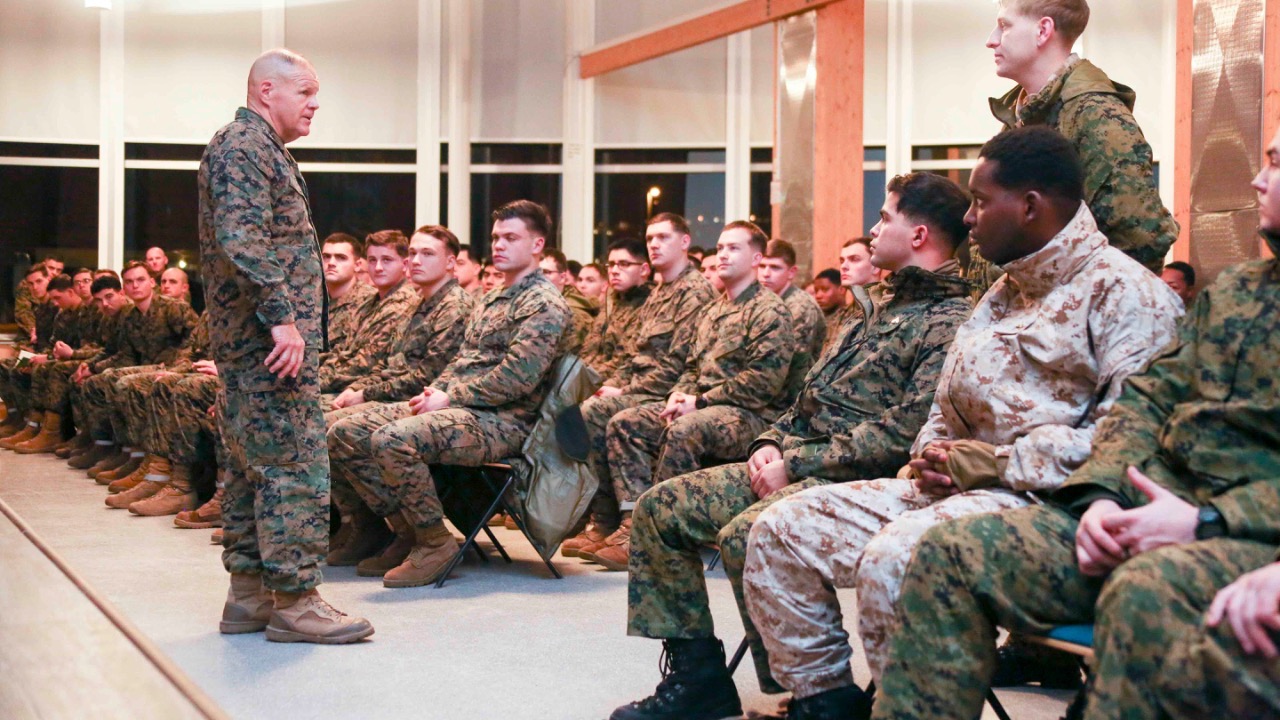
During a recent safety briefing, the senior leader of the Marine Reserve did not stick to the usual reminders about seatbelts, alcohol or weekend mishaps. According to reporting on the event, he asked Marines directly if they had wills, powers of attorney and financial plans in place, and then pressed them with the question, “Are your family’s affairs in order?” The tone, described as warlike, framed these personal preparations as part of operational readiness rather than private business.
Those in attendance were told that when a call comes, there may be little time to scramble for documents or conversations that should already be complete. The commander linked the idea of family preparation to unit performance, arguing that Marines who know their spouses, partners and children are protected can focus on the mission. The message aligned with a broader push inside the force to treat legal and financial planning as a core element of resilience, not a side task.
Coverage of the briefing highlighted how unusual it was to hear such stark language in a routine setting. The reference to future calls, and the insistence that Marines treat them as a real possibility rather than an abstract scenario, gave the remarks a sense of urgency that resonated far beyond the drill weekend. That urgency framed everything that followed.
The March letter that put it in writing
Shortly before the public reporting on the briefing, Lieutenant General Leonard Anderson IV put his expectations in writing. In a letter dated March 26, 2026, the commander of Marine Forces Reserve spelled out his concerns and his guidance for the force. The document, shared widely among Marines, served as both a formal directive and a personal appeal.
In the letter, Lieutenant General Leonard Anderson IV addressed the realities of serving in a reserve component that can be activated quickly. He reminded Marines that their obligations are not hypothetical and that global conditions can shift faster than families can adjust. The written message echoed the briefing’s core questions about whether dependents know where to find critical documents, how to access bank accounts and who to call if something goes wrong.
By issuing the letter as the commanding officer of Marine Forces Reserve and Marine Forces, he signaled that this was not an offhand comment or a one-off speech. It was a formal expectation that Marines take concrete steps to prepare their households, and that leaders at every level discuss those steps with their troops.
“When the call comes”: readiness as a family project
Accounts of the briefing describe a clear throughline in his remarks. After asking whether Marines had prepared their families, he stressed that these questions were about readiness. He told them that “When the call comes, readiness will be measured not only by training and equipment but also by whether their loved ones can function without them for a time.” That framing moved family preparation out of the realm of optional planning and into the same category as physical fitness or weapons qualification.
According to a detailed summary of the event, he drew a straight line between a Marine who has unresolved personal issues and a unit that may be distracted or degraded in a crisis. By contrast, a Marine whose spouse understands the family budget, has access to insurance information and knows how to contact a command representative is far more likely to stay focused under pressure. The commander’s argument was that every unanswered question at home becomes a vulnerability in the field.
Reporting from one outlet noted that he repeatedly returned to the phrase “Are your family’s affairs in order?” and linked it directly to the possibility of rapid activation. In that account, he made clear that the call might not come with weeks of notice. It could arrive as a short alert, leaving no time to draft a will, check a life insurance policy or explain to a partner how to log in to shared accounts.
Inside the “prepare your family” directive
The phrase that drew the most attention was his instruction to “prepare your family.” According to one detailed report on the briefing, he meant that literally. Marines were urged to sit down with their spouses or partners and walk through a checklist of practical steps. That included confirming that legal documents exist and are current, that beneficiaries on life insurance are correct, and that someone at home knows how to access critical passwords and records.
Coverage of the event described a commander who was not content with vague assurances. He wanted Marines to be able to answer specific questions about whether they had updated wills, whether they understood their Servicemembers’ Group Life Insurance options, and whether they had talked through guardianship plans for children. In his view, the absence of those measures was not just a personal risk but a readiness gap.
The same reporting indicated that he framed these conversations as a responsibility, not a favor to the family. Marines were told that their oath and their role in Marine Forces Reserve required them to think through worst case scenarios. Preparing families was presented as an act of leadership that protects both the household and the unit.
Why the message landed so forcefully
The reaction to the briefing, as captured in follow-on coverage, reflected how stark the language sounded to many Marines and their families. Some saw it as a sign that the Marine Reserve is bracing for a higher tempo of operations. Others interpreted it as a sober reminder that the nature of reserve service has changed, with shorter timelines between alert and deployment.
The context matters. The Marine Reserve draws heavily on civilians who balance military obligations with full-time jobs and family commitments. For those Marines, the idea of a sudden call that pulls them away from their communities can feel abstract until a senior leader spells out what that disruption might look like. When a commander tells them directly to “prepare your family,” it strips away any illusion that their service is purely theoretical.
One account of the briefing, which described the remarks as warlike, emphasized that the commander did not sugarcoat the stakes. He spoke in plain terms about the possibility that Marines could be sent into dangerous situations and that some might not return. That candor, combined with the formal March letter, helped explain why the message spread quickly through unit chats and social media.
From safety brief to strategic signal
The briefing was nominally a safety talk, but the content went far beyond seasonal reminders about driving or alcohol use. According to a detailed report on the event, the commander used the safety brief format to reach a large cross section of the force at once, then pivoted into a broader discussion of mobilization, legal readiness and family resilience.
He also tied his message to existing resources that Marines can use to close the gaps he highlighted. Legal assistance offices on Marine installations can help service members draft wills and powers of attorney at no cost. Financial counselors can walk families through budgeting and insurance choices. By framing these services as part of readiness, he encouraged Marines to treat appointments with those offices as seriously as they treat a range qualification.
Observers noted that the briefing effectively turned a routine requirement into a strategic signal. When the commander of Marine Forces Reserve and Marine Forces uses a safety brief to push Marines toward war footing in their personal lives, it tells the force that leadership is thinking ahead to scenarios that might demand rapid activation.
How families heard the warning
The warning did not stop at the armory door. Spouses and partners heard about the questions and the March letter through word of mouth, social media and shared screenshots. For some, the directive to get affairs in order triggered anxiety about what might be coming. For others, it provided a concrete reason to tackle tasks that had been postponed for years.
Family members who have lived through previous mobilizations often understand the value of preparation. They know that trying to track down a will or a password after a deployment order arrives can compound stress. The commander’s message validated those experiences and gave them fresh authority. When a Marine tells a spouse that the commanding general expects them to review their plans, it can be easier to start hard conversations.
At the same time, the starkness of the phrase “prepare your family” raised concerns among some relatives who wondered if it signaled an imminent deployment. The available reporting did not point to a specific operation or timeline. Instead, it painted a picture of a leader who wants the force to treat readiness as a constant state, not a reaction to a particular crisis. Any speculation beyond that is unverified based on available sources.
Practical steps Marines are being pushed to take
The commander’s remarks and letter translate into a concrete checklist for Marines and their households. Reporting on the briefing and the letter points to several recurring themes that he expects Marines to address.
- Legal documents: Marines are urged to ensure they have a current will, a durable power of attorney and any necessary guardianship documents. These instruments can be prepared through base legal offices, which provide services at no cost to the service member.
- Insurance and beneficiaries: The commander wants Marines to review life insurance coverage, confirm that beneficiaries are accurate and that spouses understand how to access policy information. Guidance on car insurance, renters insurance and life insurance is available through resources highlighted by Military Times, which often tailors financial advice to troops.
- Financial access: Families need to know how to pay bills, access bank accounts and manage debt if the service member is away. That can mean sharing passwords securely, adding spouses to accounts or setting up automatic payments.
- Emergency contacts: The commander expects Marines to make sure their families know who to call in the unit if something goes wrong, and that contact information is written down, not just stored in a phone.
- Mental health planning: Although not detailed in the letter, the broader ecosystem of military support encourages families to think about emotional resilience and to use resources similar to those found on mental health portals when stress spikes around mobilization.
Each of these steps addresses a specific vulnerability that can surface when a Marine is activated. Together, they form the backbone of the “prepare your family” directive that the commander has been pushing.

Leo’s been tracking game and tuning gear since he could stand upright. He’s sharp, driven, and knows how to keep things running when conditions turn.