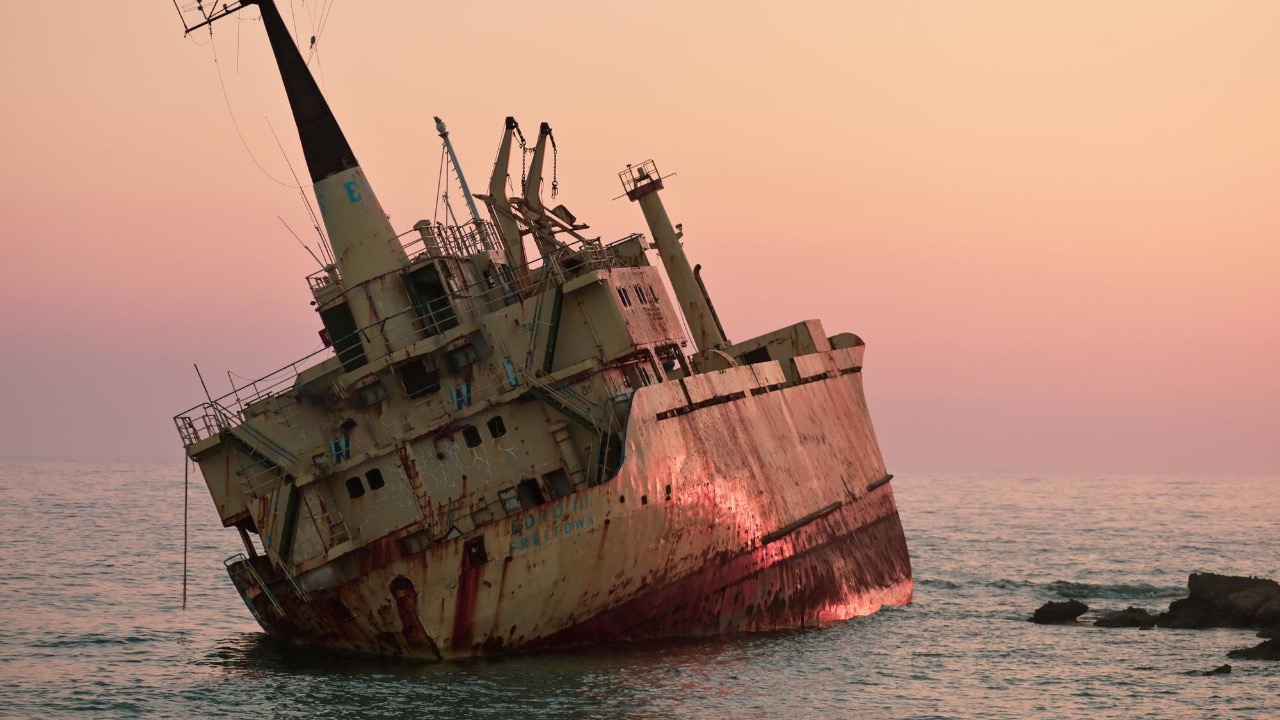
The country at risk of running out of fuel if conflict escalates
The global oil shock triggered by war between Iran and its rivals has shifted from abstract market charts to a hard countdown on the ground. A U.S.-based Asian diplomat has warned that Vietnam, Bangladesh and the Philippines could run out of oil in three weeks if the conflict escalates and supply routes remain choked. That timeline turns one country in particular into a test case for how a modern, import‑dependent economy copes when the fuel lifeline starts to fray.
The Philippines sits at the center of this story. Highly reliant on imported crude and fuel products and already wrestling with inflation, it faces a stark question: how to keep the lights on and transport moving if Middle East exports fall further or shipping through the Strait of Hormuz is hit again.
The chokepoint that turned a risk into a countdown
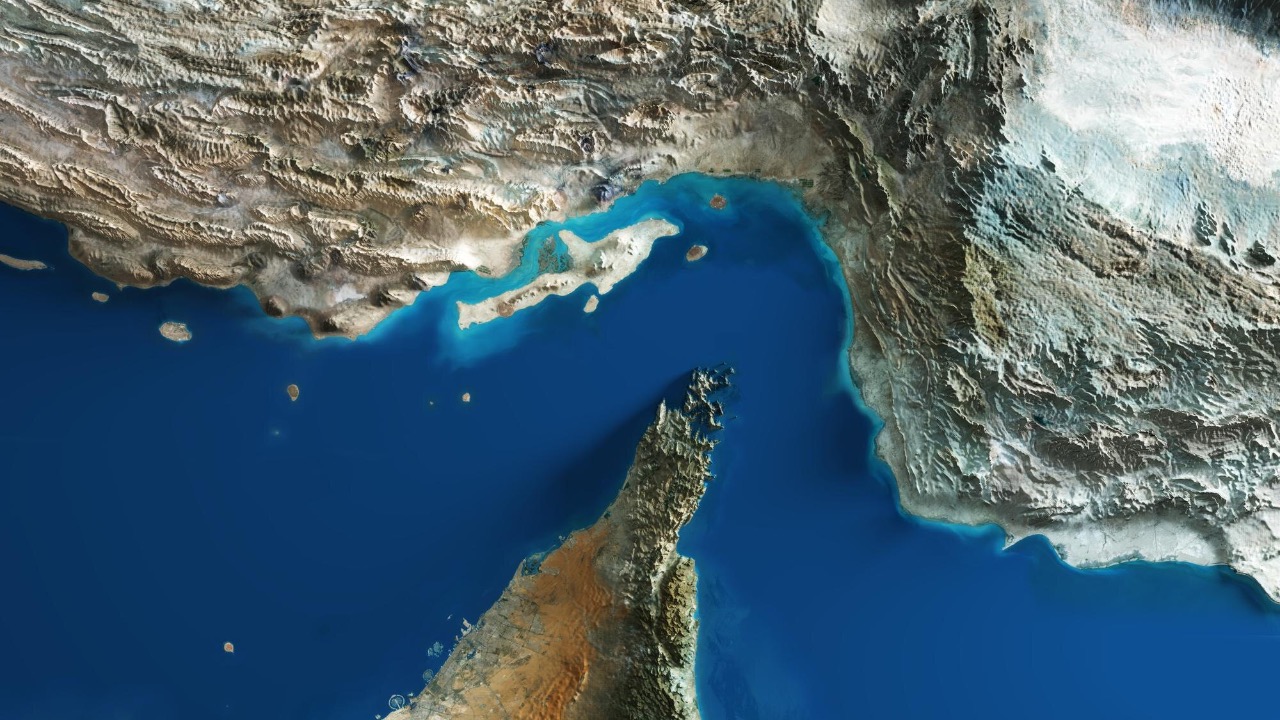
The latest conflict has paralyzed the Strait of Hormuz, a narrow waterway between the Persian Gulf and the open ocean that carries nearly a fifth of the world’s oil supply. When tankers struggle to pass through Strait of Hormuz, refiners from Asia to Europe scramble for replacement barrels and prices jump in days rather than months.
Energy analysts describe the Persian Gulf and the surrounding producers as the world’s swing supplier, the region that normally steps in when demand rises or another exporter falters. One expert, Edward C. Chow, who previously worked at Chevron, has argued that there is simply no replacement for a large, sudden loss of Iranian and Gulf crude, especially for Asian buyers that built refineries around those grades. Importers in Asia are now paying sharply higher prices while also worrying about whether cargoes will arrive at all.
Why the Philippines is so exposed
The Philippines imports almost all of its oil and fuel, and it does so as a lower‑middle‑income country with limited strategic reserves. Government officials have already acknowledged that with the expected global oil price increase, they are preparing measures to reduce the impact on Filipino families and have urged the public not to panic. That reassurance underscores how quickly higher pump prices can translate into anger on the streets when commuters, jeepney drivers and small businesses feel squeezed.
Earlier this year, a U.S.-based Asian diplomat privately warned that Vietnam, Bangladesh and could all run out of oil within three weeks if shipments through the Gulf remain constrained. The same diplomat argued that such a shock would likely push several Asian economies into recession, given how central diesel and gasoline are to food distribution and manufacturing.
Unlike some richer importers that maintain large emergency stockpiles, Manila has historically relied on commercial inventories and the assumption that cargoes will keep flowing. The shock from Iran’s war has exposed how fragile that assumption is when a single chokepoint controls such a large share of seaborne crude.
Vietnam and Bangladesh share the same ticking clock
The Philippines is not alone. The same warning lumped it together with Vietnam and Bangladesh as the countries closest to the edge of outright shortages. All three are fast‑growing, densely populated economies that have built export industries and urban transport systems around cheap imported fuel.
Vietnam’s industrial base, from garment factories to electronics plants, runs on a mix of coal, gas and imported petroleum. Any sustained disruption would hit both household transport and the export lines that support millions of jobs. Official data on strategic stocks is scarce, but regional diplomats describe Vietnam as holding weeks rather than months of cover. That helps explain why traders are watching Vietnam almost as closely as the Philippines.
Bangladesh is in a similar position. It is a net oil importer that has already struggled with foreign currency shortages and power cuts in recent years. The same Asian diplomat who flagged Vietnam and the Philippines included Bangladesh in the three‑week warning, a sign that Dhaka’s ability to pay for emergency cargoes is as much a concern as physical availability. Any sustained spike in prices would strain a budget already stretched by food and fertilizer imports.
A second set of regional assessments has again highlighted Vietnam’s vulnerability, noting that Asian economies bear the brunt of a Gulf disruption because most crude that passes through the Strait of Hormuz flows to China, India, Japan, South Korea and Southeast Asia. When those buyers scramble for alternative supply, smaller states like Bangladesh and the Philippines find themselves bidding against giants.
Asia’s broader exposure, from Thailand to Pakistan
The Iran conflict has turned into a stress test for Asian energy security. Analysts estimate that most crude shipped through the Strait of Hormuz is destined for Asia, which means any interruption hits the region first and hardest. Central banks from Seoul to Jakarta are now weighing how higher oil and gas prices could push inflation above target bands again and force new rate hikes.
Net oil importers such as Thailand and the Philippines are particularly exposed. One assessment of emerging markets flagged Thailand and the Philippines among the economies where higher energy costs could quickly widen trade deficits and push inflation back above target. That same review of risks also listed South Africa, Poland and the Czech Republic, but Asia’s cluster of import‑dependent states stands out.
Pakistan has already imposed fuel‑saving measures in response to the Iran war, including reduced working days and restrictions on air conditioning in public buildings. Similar steps are under discussion in Sri Lanka, where a QR‑code system still limits private motorists to 15 liters of petrol per week. These experiments in rationing are being watched closely in Manila, Hanoi and Dhaka as possible templates if shortages deepen.
The African warning from Kenya
If Asia illustrates the demand shock, Africa offers a stark picture of how quickly supplies can dry up once Persian Gulf cargoes falter. The Persian Gulf was once described as a dependable, steady and conveniently located fuel supplier for Africa’s growing economies. With that link disrupted, several governments are now racing to keep gas pumps flowing.
Kenya is a standout example. The country typically holds only 21 days of fuel stocks in its reserves, which makes it highly vulnerable to any supply disruption. Recent reports already describe rural areas in Kenya running out of supplies, with motorists queuing for hours in towns that still have diesel or petrol. That experience offers a preview of what could happen in parts of Southeast Asia if imports slow and governments cannot afford to outbid richer buyers.
Across the continent, officials are scrambling for alternatives, from tapping expensive spot cargoes to negotiating government‑to‑government deals. Yet the basic arithmetic is hard to escape. If less fuel leaves the Persian Gulf and global prices rise, poorer importers end up paying more for fewer barrels.
Europe’s own cliff edge
Although the focus has been on Asia and Africa, Europe is not insulated. One scenario now circulating among energy analysts suggests that Europe could run out of fuel within weeks if the Iran war drags on and replacement supplies from other regions fall short. Diesel and petrol supplies are already tight in parts of Asia, and that squeeze is expected to spread westward as European refiners compete for the same limited cargoes.
Another assessment warned that Europe is in dire straits, with fears of a fuel shortage as early as April if Iranian exports remain offline and shipping risks in the Gulf persist. Such a crunch would echo the gas crisis that followed Russia’s invasion of Ukraine, but with a broader impact on road transport and aviation.
Myanmar as a silent stress point
While attention has centered on larger economies, Myanmar is another fragile link in the regional energy chain. The country is already grappling with political turmoil and conflict, which complicates both fuel imports and internal distribution. Any further spike in global prices or disruption of Gulf supplies would hit a system that is already under strain.

Asher was raised in the woods and on the water, and it shows. He’s logged more hours behind a rifle and under a heavy pack than most men twice his age.