Why experienced shooters are rethinking certain calibers
If you’ve been around rifles and handguns long enough, you start to notice patterns. Cartridges that once felt like the obvious choice begin to show their limits as newer options, better bullet designs, and real-world experience stack up. This isn’t about trends—it’s about what actually works when you’re on the range or in the field.
A lot of seasoned shooters aren’t abandoning these calibers entirely. They’re simply being more honest about where they fall short. Whether it’s recoil, cost, barrel life, or performance gaps, these are the cartridges getting a second look—and not always in a good way.
.40 S&W
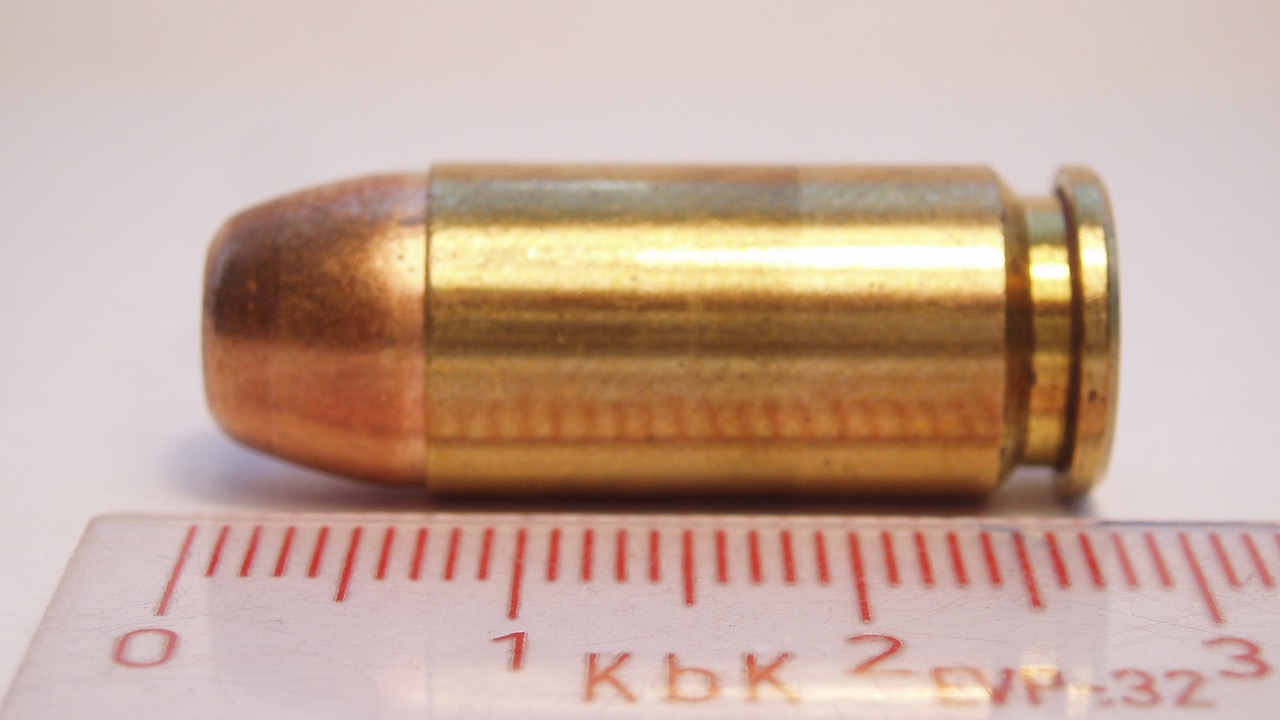
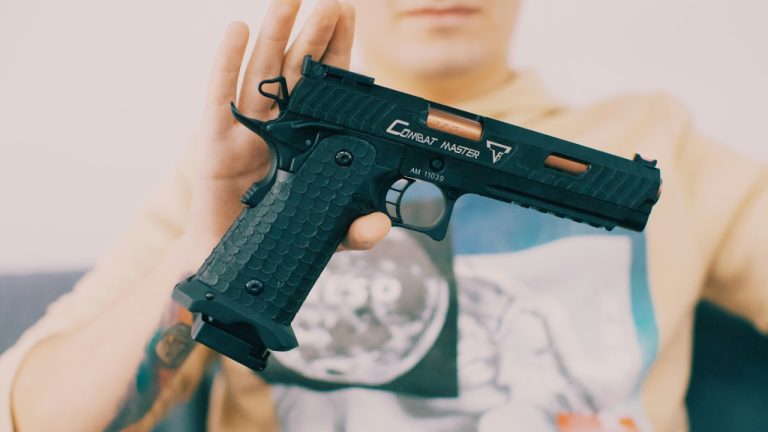
For years, the .40 S&W sat right in the middle ground between 9mm and .45 ACP. On paper, that sounded ideal. In practice, a lot of shooters found the recoil to be snappy and harder to control than either option.
You notice it most during rapid fire. Follow-up shots take more effort, and fatigue sets in quicker during longer sessions. With modern 9mm defensive loads closing the performance gap, many experienced shooters are moving away from .40 because it asks more from you without giving much back.
.300 Winchester Magnum
The .300 Win Mag built its reputation on power and reach, and it still delivers both. But once you’ve spent enough time behind one, you start to weigh the cost of that performance. Recoil is sharp, and it adds up fast.
You’ll also notice barrel life isn’t great compared to milder cartridges. For many hunters, especially those shooting under 400 yards, it becomes clear that you’re carrying more recoil and burning more powder than necessary. That realization has pushed a lot of shooters toward more efficient calibers.
.243 Winchester
The .243 Winchester has long been seen as a beginner-friendly deer round, and it still has its place. But experienced shooters often come to see its limitations, especially on larger-bodied deer or less-than-ideal angles.
You need careful shot placement, and bullet selection becomes critical. At longer distances, wind drift also becomes more noticeable than many remember. It works, but it doesn’t leave much room for error, and that’s what starts to push seasoned hunters toward slightly heavier calibers.
7mm Remington Magnum
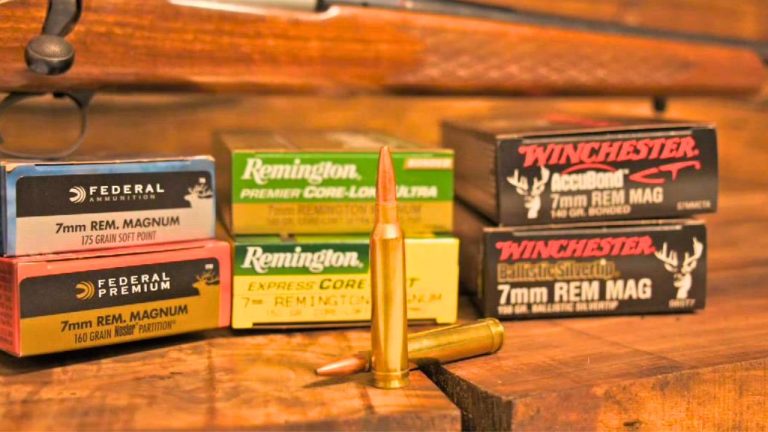
The 7mm Rem Mag has a reputation for flat shooting and long-range capability. It earns that reputation, but it also comes with trade-offs that become harder to ignore over time.
Recoil is significant, and like the .300 Win Mag, it can wear on you during extended practice. Barrel life is another concern, especially for shooters who spend a lot of time dialing in loads. Many experienced shooters start asking whether they really need that level of performance for typical hunting distances.
.22-250 Remington
The .22-250 is fast, flat, and excellent for varmints. But when you start stretching it beyond that role, its weaknesses show up quickly. Bullet weight limits and wind drift make it less forgiving than it first appears.
You’ll find that even small gusts can push shots off target more than expected. On top of that, barrel wear becomes a real factor if you shoot it often. For many experienced shooters, it remains a specialized tool rather than a do-it-all cartridge.
.45 ACP
The .45 ACP still has loyal fans, and it performs well in the right context. But as time goes on, many shooters start to question whether its advantages outweigh the drawbacks.
Magazine capacity is lower, recoil is heavier, and modern 9mm loads have closed much of the performance gap. When you’re running drills or carrying daily, those differences matter. A lot of experienced shooters find themselves leaning toward calibers that offer easier control and higher capacity.
.257 Weatherby Magnum
The .257 Weatherby Magnum delivers impressive velocity, but it comes at a cost. Recoil is sharper than many expect for the bullet size, and barrel life tends to be short.
You also burn through powder quickly, and ammunition isn’t cheap or easy to find everywhere. While it performs well at distance, many hunters begin to question whether that extra speed is worth the trade-offs when other cartridges offer more balance.
.32 ACP
The .32 ACP has been around for a long time and still shows up in compact pistols. But experienced shooters often reconsider it once they’ve spent time with modern alternatives.
Power is limited, and while recoil is mild, the trade-off in terminal performance is hard to ignore. With today’s compact 9mm options offering better performance in similar-sized platforms, the .32 ACP starts to feel like a compromise that no longer makes as much sense.
6.5-284 Norma
The 6.5-284 Norma built a strong following in long-range circles, especially in competition. It delivers accuracy, but it comes with a cost that shows up over time.
Barrel life is relatively short, and maintaining peak performance requires attention and expense. For shooters who spend a lot of time on the range, that adds up quickly. Many are shifting toward cartridges that offer similar performance with less wear and maintenance.
.17 HMR
The .17 HMR is a fun, accurate small-game cartridge, but experienced shooters tend to narrow its role over time. It’s precise, but it’s also sensitive to wind and limited in energy.
You’ll notice that even light breezes can push rounds off target more than expected. It shines in calm conditions, but outside of that, it becomes less predictable. Most shooters eventually treat it as a niche tool rather than a go-to option.
.50 BMG
The .50 BMG has undeniable power and range, but for most shooters, it quickly becomes impractical. Recoil, cost, and rifle weight limit how often it actually gets used.
You’re not taking it out for casual range days, and ammunition costs alone can keep it in the safe. Experienced shooters often view it as a specialized platform rather than something they’ll regularly train with. Over time, the novelty wears off, and practicality takes over.
.224 Valkyrie
The .224 Valkyrie came in with a lot of promise as a long-range AR cartridge. It performs well under the right conditions, but real-world results haven’t always matched expectations.
You may run into inconsistencies with factory ammo and sensitivity to barrel twist rates. While it can shoot well, getting it there sometimes takes more effort than expected. Many shooters have stepped back toward more established cartridges that offer more predictable results.

Asher was raised in the woods and on the water, and it shows. He’s logged more hours behind a rifle and under a heavy pack than most men twice his age.